The Rise of Digital Empathy: Machines That Understand Emotion


The Rise of Digital Empathy: Machines That Understand Emotion
Picture this: You’re having one of those mornings where your coffee machine feels like your only friend. But, of course, it chooses today of all days to sputter, gurgle, and give you what can only be described as a cup of “Monday.” Just when it seems technology is intent on playing with your emotion, it turns out that it’s actually trying to understand just how you feel. Welcome to the digital age of empathy, where your machines could soon know more about your bad day than your coworker Mark in accounting.
Understanding Our Emotional Connection with AI
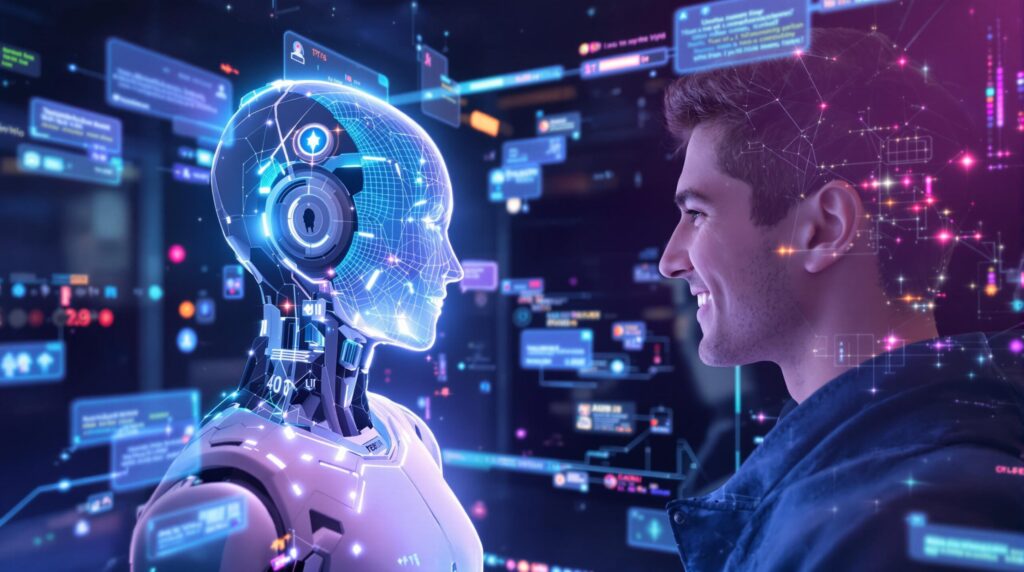
Artificial intelligence (AI) has come a long way from its Frankenstein-esque portrayal in movies to becoming virtual companions in our homes and workplaces. It’s no longer just about wires and algorithms. AI is tapping into emotional intelligence — a tantalizingly human trait — which bridges the gap between computers and the people who use them.
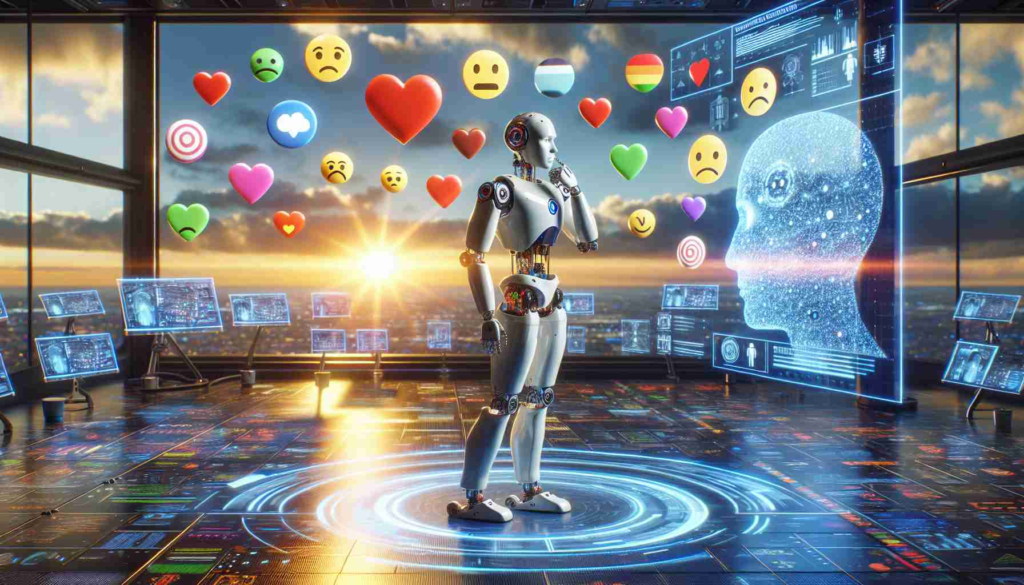
The magic begins with AI emotions, a cutting-edge technology striving to recognize, interpret, and potentially react to human feelings. You might wonder if machines can truly “feel” or understand nuances such as sarcasm or that disappointed sigh of yours when you realize you left your umbrella at home on a rainy day. While we’re not quite there yet (thankfully, for my sake), what we are witnessing is a preliminary transformation of AI into mindful machines.
How Far Have We Come?
Despite its burgeoning nature, there’s a slew of real-world examples showcasing AI’s strides in emotional understanding. Take, for instance, chatbots — those helpful little sprites in the bottom corner of a website. They’re becoming adept at decoding customer mood through language cues, seamlessly shifting from “I’m here to help” to “I understand this must be frustrating.”
Virtual assistants like Siri and Alexa are also evolving. They not only respond to queries like “What’s the weather today?” or “Do you know any good jokes?” but can adjust their interactions based on vocal tones. It’s clear that these AI assistants may soon understand when your question about local pizza options is laced with urgency and hunger — or is it hanger?
Emotion-recognition tools pose another fascinating example. Deployed in healthcare, they help monitor patients by interpreting facial expressions or speech patterns, identifying emotions such as anxiety or depression. It’s a harmonious blend of AI empathy and genuine care — and a welcome departure from the days when healthcare technology felt as cold as its hallmark sterile walls.
What AI Still Gets Wrong
Of course, technology isn’t flawless (unlike my attempts to perfectly balance snark and kindness in this blog). While AI has progressed, we aren’t exactly talking about machines that will join us in empathizing over the latest episode of our favorite TV drama just yet.
One of the main challenges is context. Human emotions are complex and rarely black and white. AI needs a nuanced understanding of situational context to truly master empathy. We can’t expect machines to fully grasp the subtlety of emotions, like when you’re kind of mad at your friend but still send them an excessive amount of memes because that’s just how you cope.
Moreover, AI depends heavily on the data it receives, leaving it susceptible to bias if that data isn’t well-rounded. Until AI can learn to dodge biases (like Uncle Jerry trying to steer clear of political discussions at family gatherings), it will struggle to offer genuine emotional intelligence.
The Promise of a Mindful Future
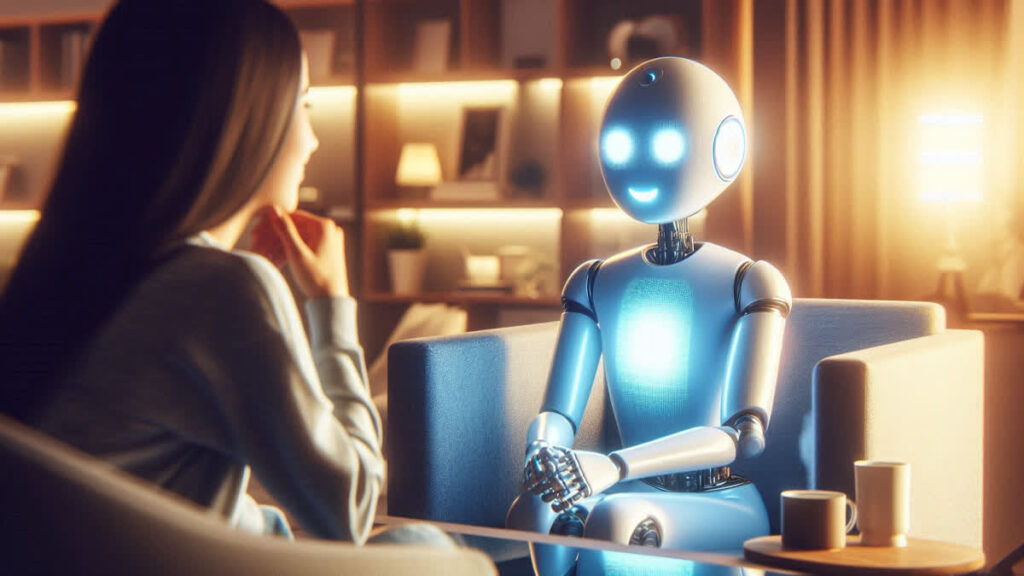
Despite its current shortcomings, the marriage of AI and emotional intelligence holds vast potential. Imagine a future where customer service calls end not with frustration but genuine resolution, thanks to empathetic chatbots that actually understand you. Or a world where AI-driven mental health tools offer personalized therapy tailored to your unique emotional landscape.
As we make advances in AI empathy, we’re sculpting a new kind of relationship between humans and machines — one that feels like a sci-fi writer’s wildest dream and your worst nightmare from the printer that just will not cooperate. Imagine conference calls where virtual assistants, fully integrating emotional intelligence, help diffuse awkward silences or come in clutch when the conversation drifts into monotonous territory.
Closing Thoughts: Who Knew Machines Could Be This Human?
The rise of digital empathy within machines urges us to rethink our connection with technology. As it stands, AI’s emotional enthusiasm could mean a more understanding world of human-machine interactions. But it’s also a subtle reminder that, while machines may learn to comprehend our emotions, the epitome of empathy — genuine connection — remains distinctly human.
Ultimately, it’s as if technology is learning what it means to be more human, while we continue to rely on our trusty coffee machines every morning. Whether these mindful machines become the empathetic companions we always wanted or just another voice judging our choices remains to be seen. But until then, I’ll keep warming up to AI one puntastically programmed joke at a time.
In the end, perhaps it’s comforting to know that if emotions were equations, AI would have cracked the formula long ago. For now, it’s about enjoying the journey — and maybe having your coffee machine sigh in understanding when you forget to top up the beans.