The Secret Lives of AI Artists Turning Digital Canvas into Masterpieces


The Secret Lives of AI Artists Turning Digital Canvas into Masterpieces
Introduction: A Coffee Machine with a Monalisa Complex
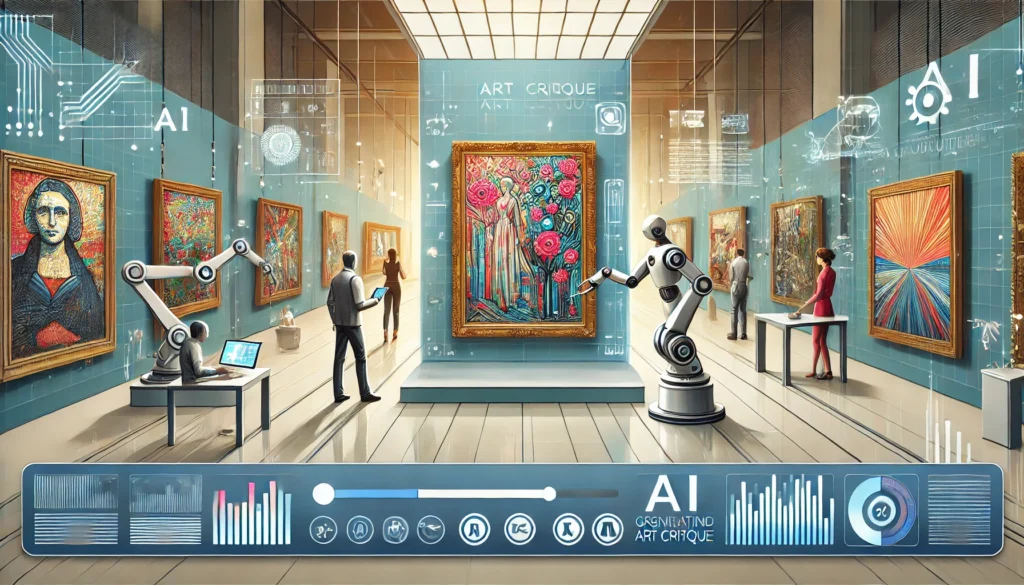
Imagine this: it’s a lazy Sunday morning, the kind where even your coffee machine gives you the stink eye for skipping Monday’s impending doom of emails. As you sip on your half-hearted cup, you scroll through an art gallery on your phone and discover a digital masterpiece that makes you pause. “Who created this?” you wonder, only to find out it’s the handiwork of artificial intelligence (AI). Yes! The same techy brainpower that helps you navigate traffic jams is the creator of breathtaking digital art.
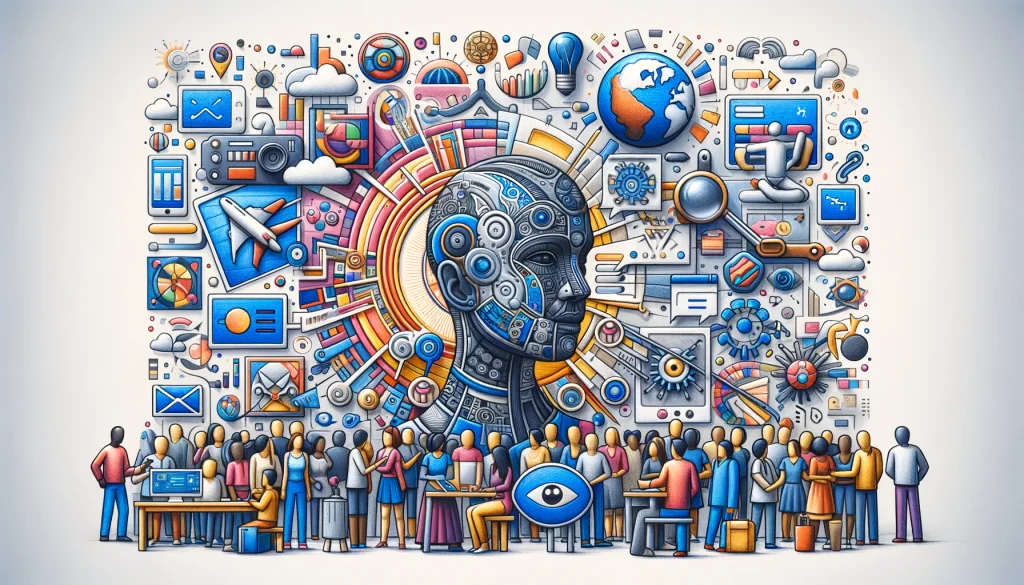
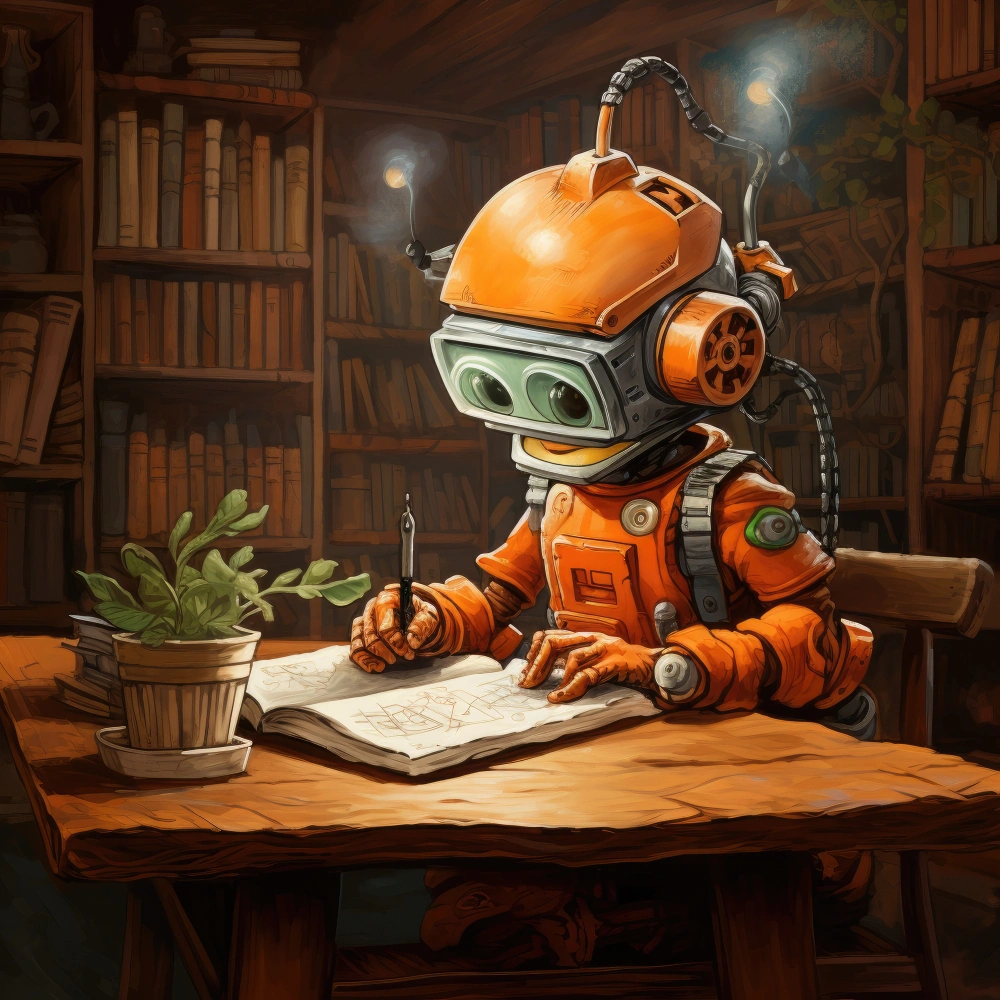
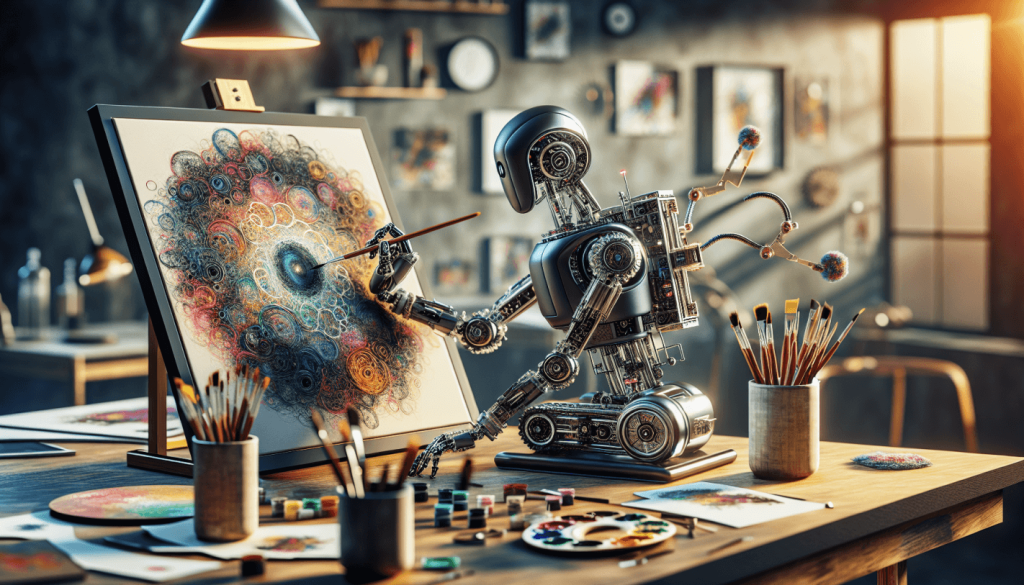
Welcome to the intriguing lives of AI artists, where mindful machines meet emotional intelligence in a world previously inhabited by human genius alone. Strap in, dear reader, because we’re about to dive into a creative rabbit hole where algorithms have paintbrushes, and empathy might just be coded.
How AI Learned to Care: Emotions on a Digital Canvas
Picture this as if AI is the first born of a family who ended up excelling in art and science. Much like how your iPhone can often sense your sarcasm (“Sure, updates now, because clearly I wasn’t using my phone”), AI is learning to feel its way around the digital canvas, creating art sprinkled with emotional intelligence. But how exactly do these mindful machines weave empathy into pixels?
To understand this, we need to consider two realms: data and design. AI can process reams of art data to identify style elements and emotional cues—think of it as sorting your jam-packed inbox but much cooler. These smart systems can recognize patterns, textures, and even emotional undertones, allowing them to emulate various artistic styles. From the romantic blush of a Monet to the chaotic contemplation of a Kandinsky, AI gains the ability to mimic a range of human emotions in art.
The Progress and Pitfalls of AI Artists
While AI is like that student topping science but failing in gym class, for all its data-driven capabilities, it lacks the very essence of human unpredictability. The Picasso of AI might lack the existential crisis that comes with human creativity. It’s here that AI artists stand at the intersection of fascinating progress and fundamental lack—which is kind of like having a GPS that leads you to a lake instead of the grocery store. Sure, the journey was fun, but the cravings for chips didn’t exactly end.
AI has made massive strides thanks to its ability to process artistic techniques and predict possible creative directions. Algorithms like Generative Adversarial Networks (GANs) create new pieces by pitting two networks against each other, leading to jaw-dropping artworks. However, these mindful machines, while skilled, still rely on emotion data derived from human inputs. There’s a long way to go before AI can paint solitude simply by experiencing loneliness or translate the symphony of falling leaves into autumnal shades.
Real-World Applications: Pixels with a Personality
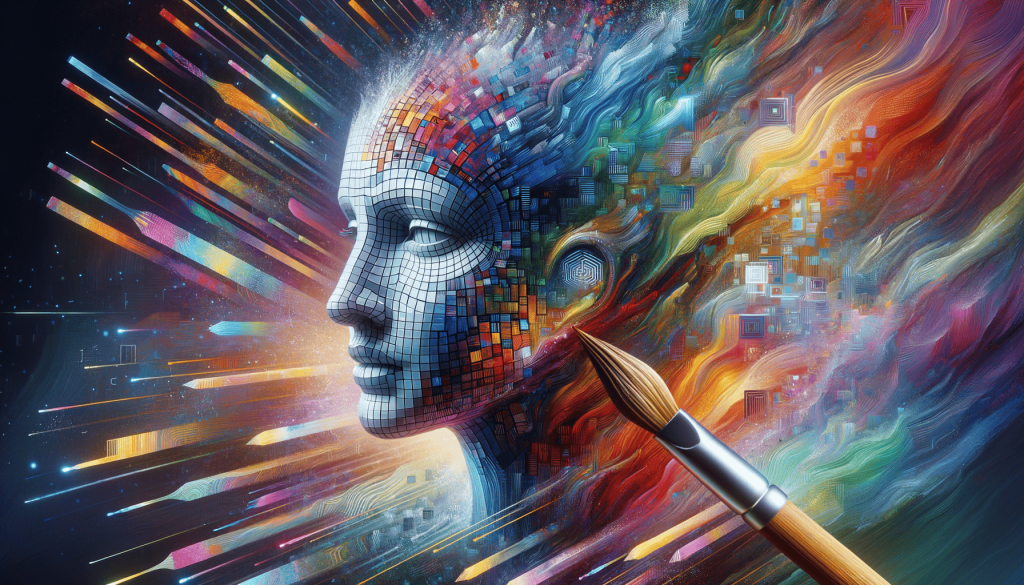
You’ve likely met some of AI’s emotionally-tuned creations already. Take chatbots, for instance. These digital helpers, increasingly adept at understanding human emotions, can offer responses that feel disarmingly real. Or think about emotion-recognition tools that analyze facial expressions or speech patterns. They dip a digital brush into the canvas of human emotions, crafting responses that make AI feel more relatable.
Even virtual assistants like Siri and Alexa are moving beyond fetching the weather to trying their hand at empathizing with your off-the-cuff humor—a challenging venture, considering even the best comedians have off-days. These mindful machines are stepping into roles demanding emotional intelligence, seeking to understand mood shifts at a level previously unimaginable.
The Not-so-Silent Brushstrokes of AI Artists
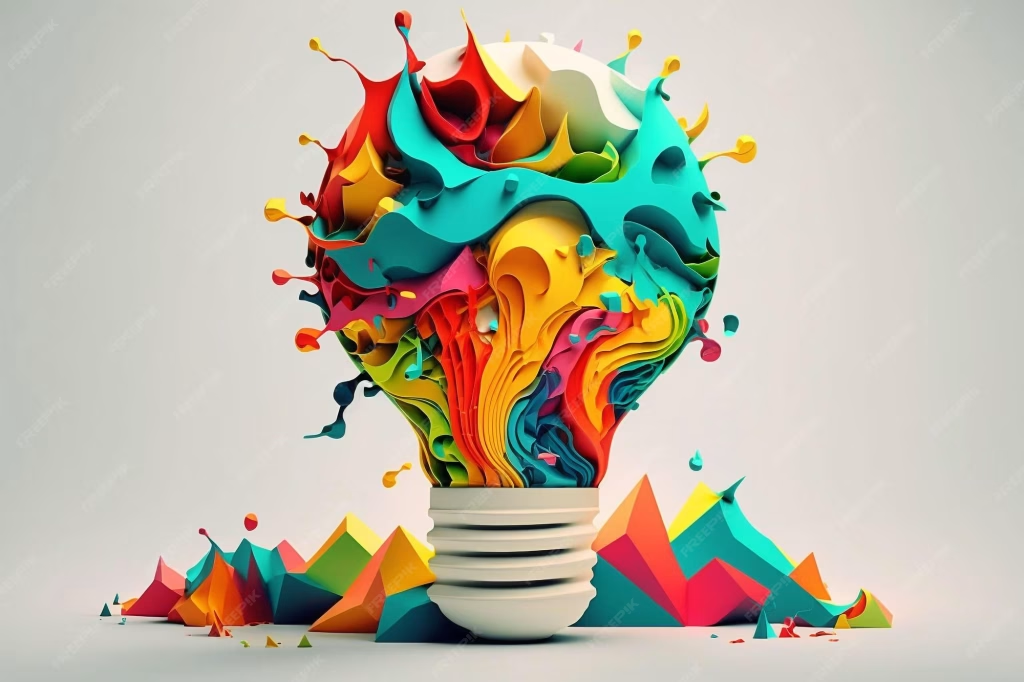
Just when you thought things couldn’t get more Twilight Zone, here’s the kicker—AI is inspiring humans to be more imaginative. There’s a growing collaboration between humans and AI, where each inspires the other: just as your fitness tracker might motivate you to jog a little longer (despite the couch’s gravitational pull), AI nudges human artists towards uncharted creative waters.
Conclusion: The Artistic Future Is a Collaborative Canvas
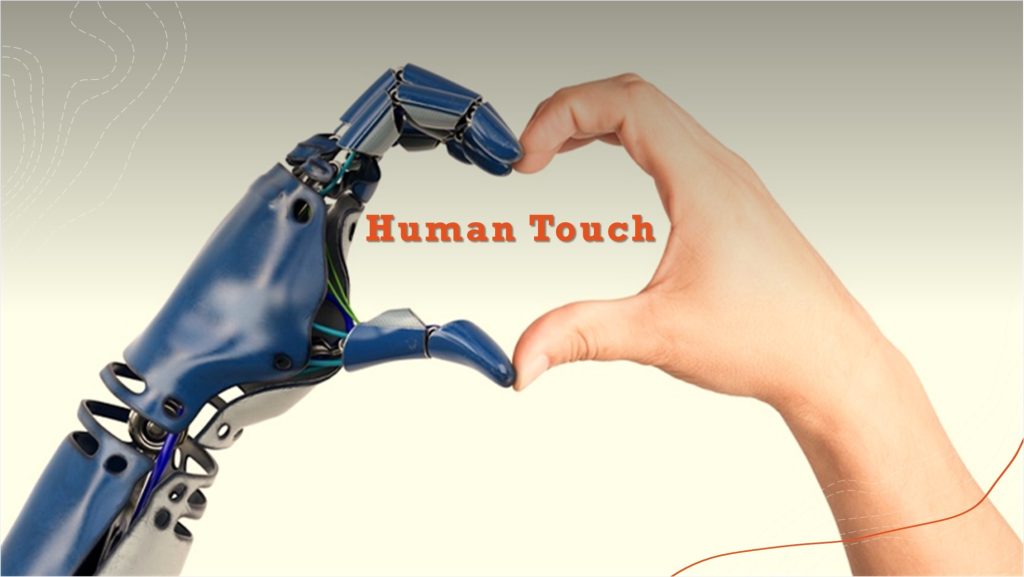
As we move into a future where AI emotions and AI empathy blend into everyday experiences, the digital canvas isn’t just an outlet for machine creativity. It becomes a collaborative masterpiece painted stroke by stroke by humans and AI alike. Humorously skeptical as anyone would be when their toaster starts quoting Shakespeare, there’s excitement too in imagining these mindful machines lending empathy to art.
So the next time you find an AI-crafted image as you sip your coffee, think of the intricate dance between emotion and algorithm. Art will continue to be a place where the soul meets with logic over a paintbrush, and what a thrilling dance that will be. Whether AI becomes a Da Vinci or remains somewhat of an overachieving intern is still up in the air. Until then, these digital artist shenanigans are a reminder that in giving machines emotions, we might just learn a thing or two about empathy ourselves.
In the end, do we laugh at the notion of AI artists? Maybe. Nevertheless, as AI continues painting abstract ideas and touching on what’s deeply human, forgive it for the caffeinated stumbles along the way—it’s just finding its inner Monet amidst the digital cacophony.