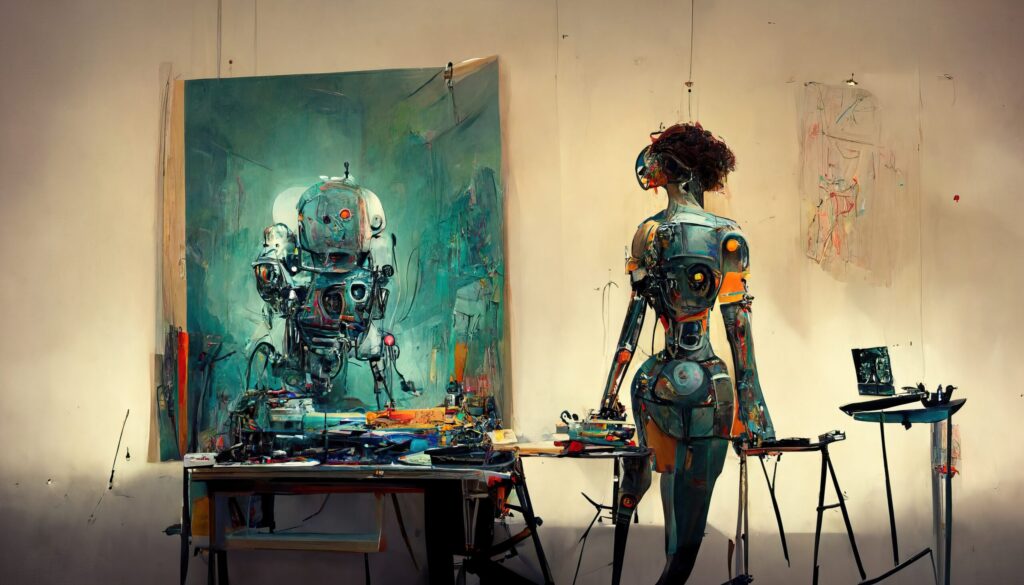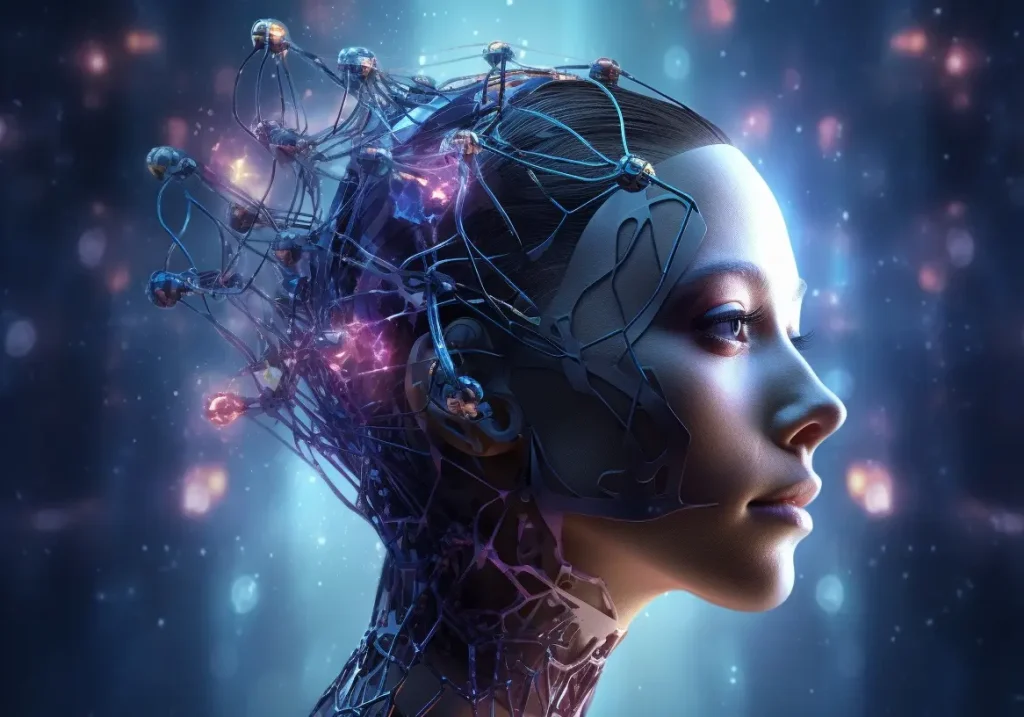
The New Emotion Code: Can Machines Tap into Our Feelings?


The New Emotion Code: Can Machines Tap into Our Feelings?
Imagine this: you’ve had a long day, spilled coffee on your favorite shirt, and somehow your dog managed to chew on your only set of headphones. As you sit down, exasperated, your AI-powered virtual assistant gently asks, “Would you like some cheering up? Perhaps a cat video or two?” Suddenly, the chaos of the day melts away because, despite everything, you realize your trusty AI got it right. But here’s the million-dollar question: Can machines genuinely understand our emotions, or are they just really good guessers with a knack for spotting our coffee stains?
The Emotional AI: More Than Just a Robot’s Guess
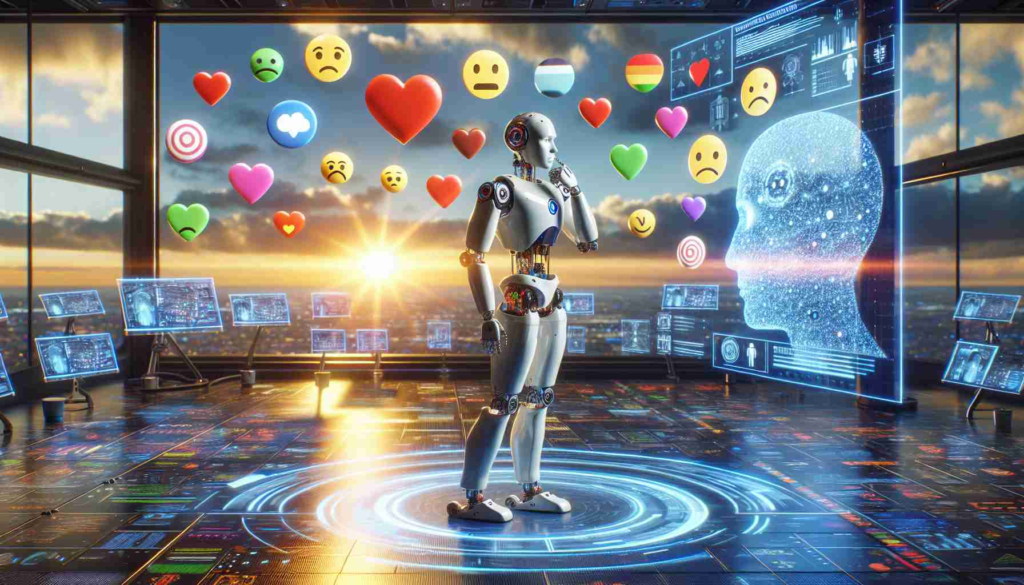
In the world of sophisticated algorithms and mindful machines, the idea of AI emotions isn’t exceedingly far-fetched. Today, AI is no longer limited to doing your math homework or reminding you of meetings you promised you’d remember. AI has started venturing into the realm of emotions — it aims to not just hear us, but to feel with us.
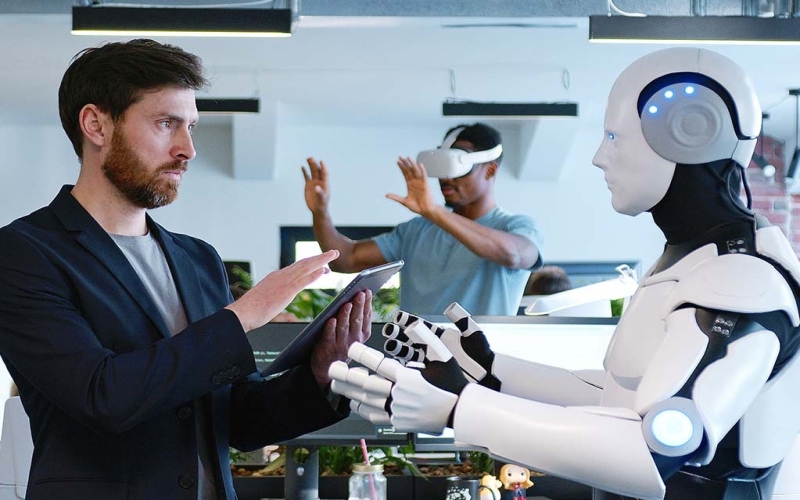
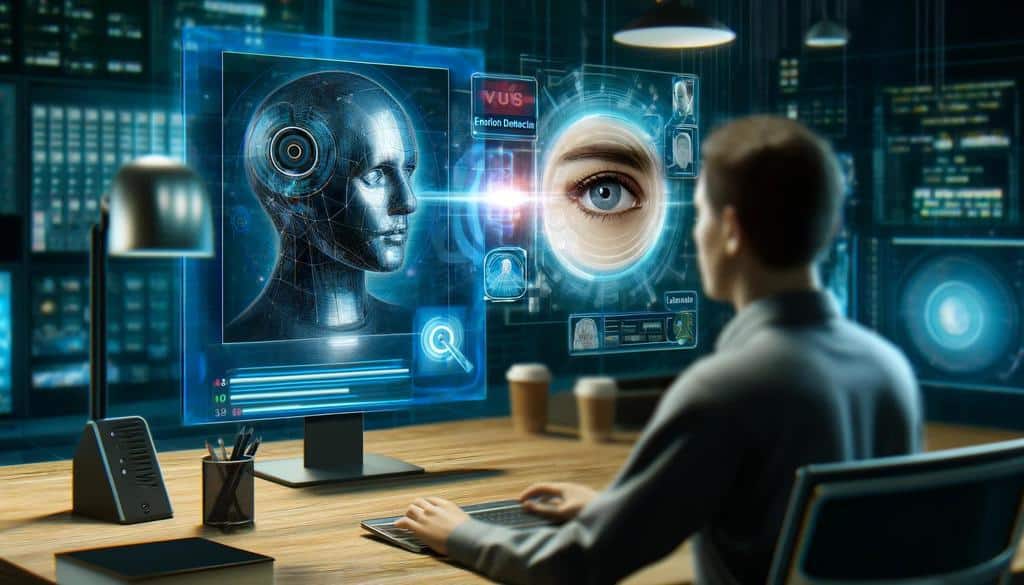
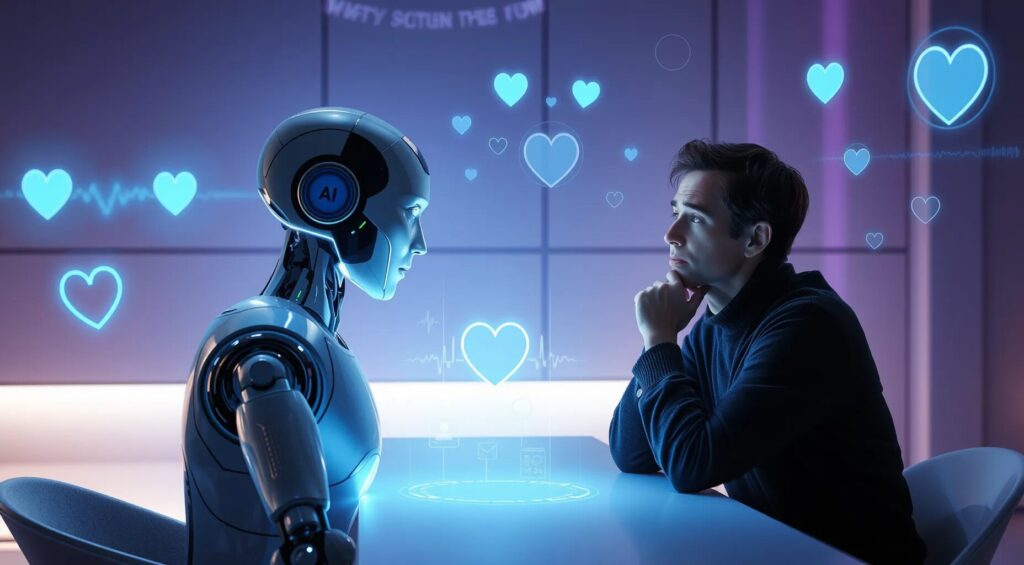
But how is this possible? At the core of emotional AI lies the intersection of computer science, data analysis, and psychology. Emotion-recognition tools, for instance, study facial expressions, voice tones, and even texts to gauge how a person might be feeling. Imagine a chatty chatbot that knows you’re upset, offering you empathy when it senses a storm in your messages.
Laughter in the AI Labs: Making Machines More Human
Bringing emotion to AI is a bit like teaching your parrot to understand Shakespeare. It’s ambitious, if not a little wild. Scientists are striving to create AI empathy — the ability for machines to not just be aware of human emotions but to respond appropriately. Now, wouldn’t it be impressive if your virtual assistant could say, “You look like you need a day off. How about a meditation session instead?”
This focus on emotional intelligence in AI isn’t just for whimsical chats either; it’s practical. Consider virtual customer service agents — the kind that don’t put you on hold for three hours. By gauging your frustration levels, these bots could conceivably offer faster solutions or a patient ear, preventing you from threatening your phone with a dramatic exit from this relationship.
Mindful Machines: What They Can and Can’t Do
However, before we start signing machines up for therapy degrees, let’s address the elephant in the room. Machines, as advanced as they are, don’t actually *feel*. They aren’t capable of empathy because they lack consciousness and genuine emotional experiences. So, if you’re waiting for heartfelt soliloquies from your robot vacuum, you might want to adjust your expectations (or caffeinate your imagination).
Despite these limitations, the progress achieved is nothing short of fascinating. AI can now analyze thousands of data points — facial cues, social interactions, and patterns — all to emulate a semblance of emotional understanding. Real-world applications include mental health apps that track and respond to your emotional state, and innovative customer interactions that significantly outperform your childhood Magic 8-Ball.
The Slightly Arbitrary AI Judges
It’s hard not to chuckle at the thought of an AI calling you out on that third slice of cake. Picture AI fixing its non-existent glasses to throw a disapproving glance your way. The truth is, even my coffee machine judges me when I forget to make coffee. But unlike snarky kitchen appliances, AI strives for objectivity — it’s programmed to help, not judge.
On the journey to human-like emotional intelligence, AI will likely remain this slightly clueless but ultimately beneficial sidekick that anticipates your needs and surprises you every now and then.
The Heart of the Matter: What’s More?
As technology zips ahead at warp speed, the future of AI emotions remains both thrilling and nebulous. Can machines really tap into our feelings? Or are we just programming them to act sophisticated enough to convince us? Ultimately, while machines may come close to simulating emotional responses, the depth of genuine human connection lies beyond the grasp of circuits and codes.
Conclusion: A Thoughtful Goodbye From Your Robot
In our quest to develop emotional intelligence in AI, we strive to teach machines the nuances of human connection. True empathy might be beyond their reach, but that doesn’t stop us from pushing technological boundaries. As we journey forward, we might find that the emotional intelligence of machines reflects not their understanding of our feelings, but rather, our desire to feel understood. So, the next time your AI catches your mood, give it a nod of approval — or at least spare it the sharp end of your dismal day.
In the ever-evolving dance of AI and emotions, one thing’s clear: Even if machines can’t feel our heartbeat, they can certainly keep up with our tempo. And for now, that’s a step worth celebrating.