From Artistic Partner to Muse: How Machines Inspire Tomorrow’s Masterpieces


From Artistic Partner to Muse: How Machines Inspire Tomorrow’s Masterpieces
Imagine this: It’s a lazy Sunday afternoon, and you’re lost in the world of creative inspiration (or at least trying to be). You have your tools ready, your art supplies, maybe even that perfectly brewed cup of coffee. But somehow, you’re still waiting for the muse to strike. Funny how, on days like this, even your pet cat seems to have more artistic flair. That’s when you realize: maybe there’s a new kind of muse just waiting for you to notice it—one that doesn’t purr, bark, or leave hair everywhere but ticks, clicks, and hums with the precision of algorithms. Yes, I’m talking about Artificial Intelligence.
How AI and Emotion Connect
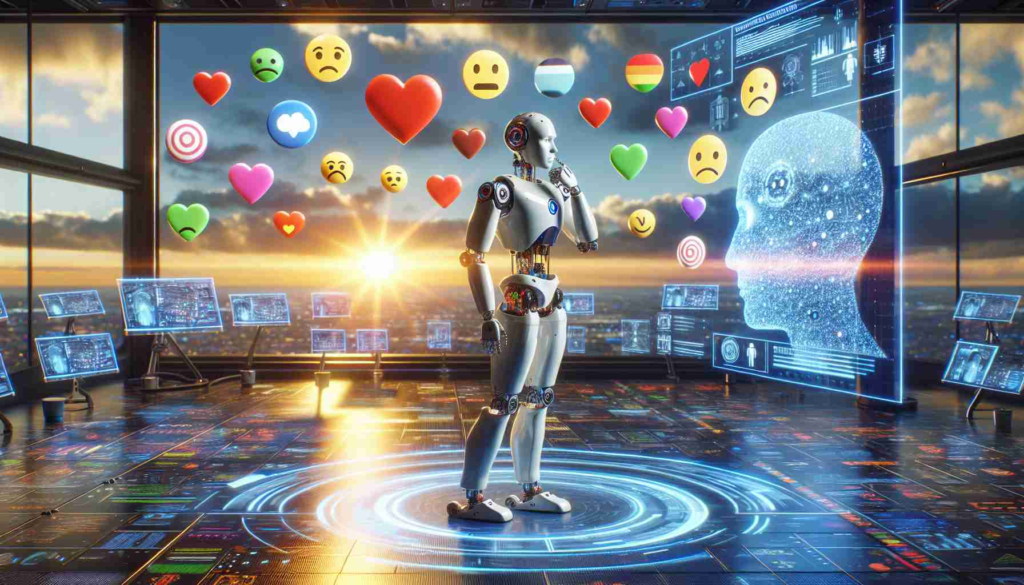
For a long while, we’ve regarded technology as cold and calculating, a realm quite removed from the colorful, chaotic world of human emotions. However, AI is gradually crossing this chasm, creating connections that are a blend of intellect and, yes, even emotion. With advancements in AI emotions and emotional intelligence, machines today understand our nuances far better than last season’s fashion trends.
Think of virtual assistants like Siri and Alexa, who’ve become almost family members, responding to our whims and commands with a semblance of personality. They’re still miles away from reciting Shakespearean sonnets with heartfelt passion, but they’ve become essential confidants in the whirlwind of our digital lives. Despite their limitations, these AI tools exhibit early glimpses of emotional intelligence.
Machines: From Tools to Collaborators
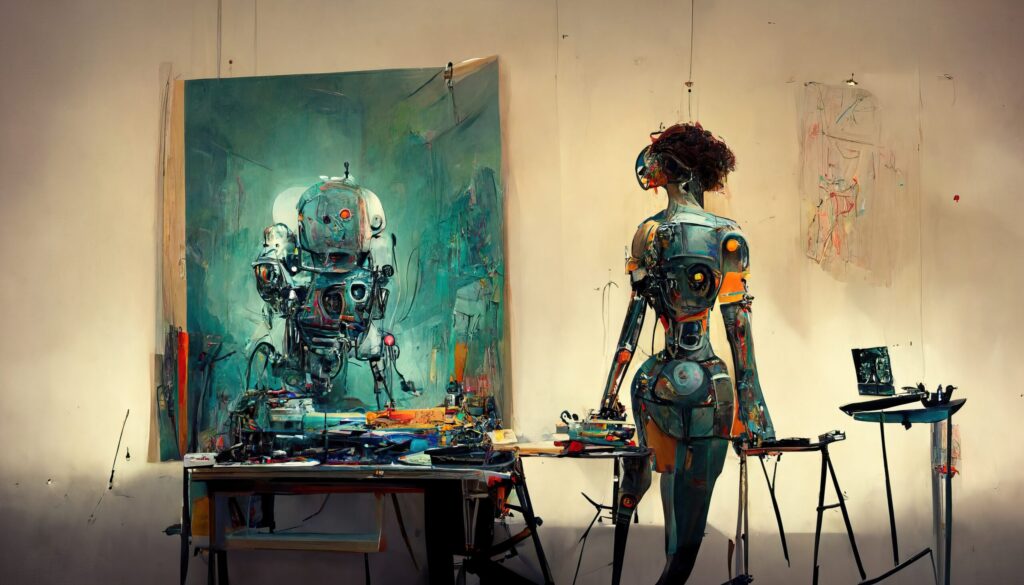
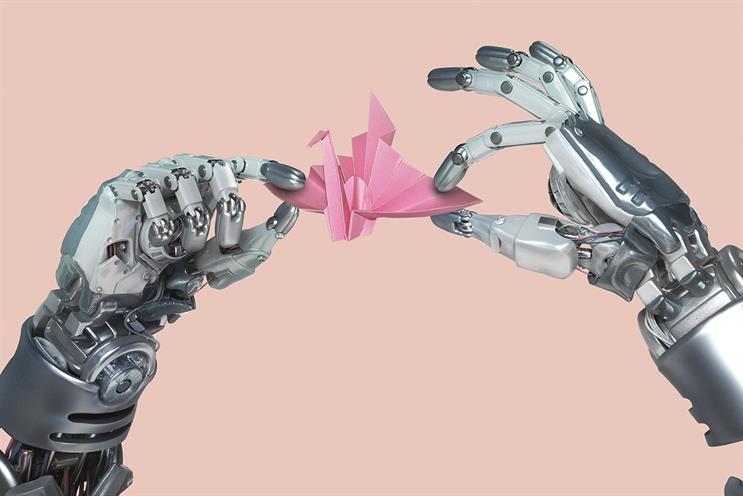
AI is no longer just a fancy calculator. It’s now an artistic partner that collaborates with people to create music, design art, and even write poetry. Picture machines as the quirky friend who never tires and is always up for an all-nighter, throwing you the most bizarre ideas as input for your creative process, leaving you thinking, “Why didn’t I think of that?”
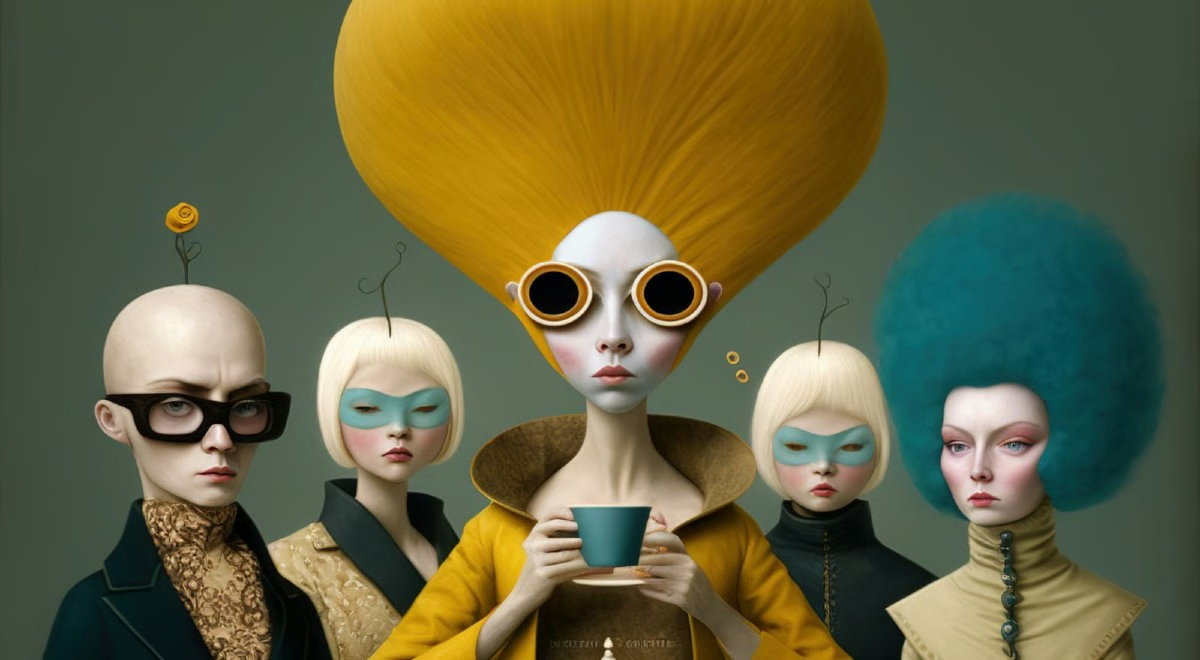
Take AIVA, the AI composer creating beautiful, original musical scores. Or OpenAI’s DALL-E, generating mesmerizing images from the simplest text prompts. These mindful machines don’t sleep, don’t need the aforementioned cup of coffee, and definitely don’t judge our procrastination habits! They open the door to infinite creative possibilities, fueling new masterpieces—some of which might be hanging in virtual art galleries or blasting through wireless speakers as we speak.
Real-World Applications: More than Just Pixels and Notes
In the hands of artists, AI becomes more than an algorithm; it transforms into a muse that inspires and propels imaginative exploration. Take, for instance, artist Mario Klingemann, who uses neural networks to create hauntingly beautiful images. Klingemann’s work makes one question whether machines can truly inherit creative soul or if they merely mimic patterns drawn from humans’ artistic expressions.
And let’s not forget about emotion-recognition tools that decipher human emotions through facial recognition—a valuable application that can foster better human-machine interaction. However, let’s face it, we humans are unpredictable beings. If my coffee mug with a motivational quote is having trouble deciphering my Monday morning mood, perhaps my intelligent friends in the machine world might find it a challenge too.
The Other Side of the Coin: What Machines Still Lack
For all its mimicry of creativity, AI still lacks the soulfulness and intention behind human expression. Machines comprehend neither the heartbreak driving a soulful blues tune nor the serene gratitude inspired by a beautiful sunset. Much like how a cat video can cheer us up for reasons we can’t entirely explain, so too does true artistry involve mysterious alchemy that AI is still grappling to decode.
It’s one thing to mesh pixels to create stunning visuals; it’s an entirely different ballgame to understand the impact of those visuals on a human soul. Machines may lack empathy—the kind that offers a shoulder to cry on—but they are learning to imitate sympathy.
A Look Ahead: The Future of Muse and Masterpiece
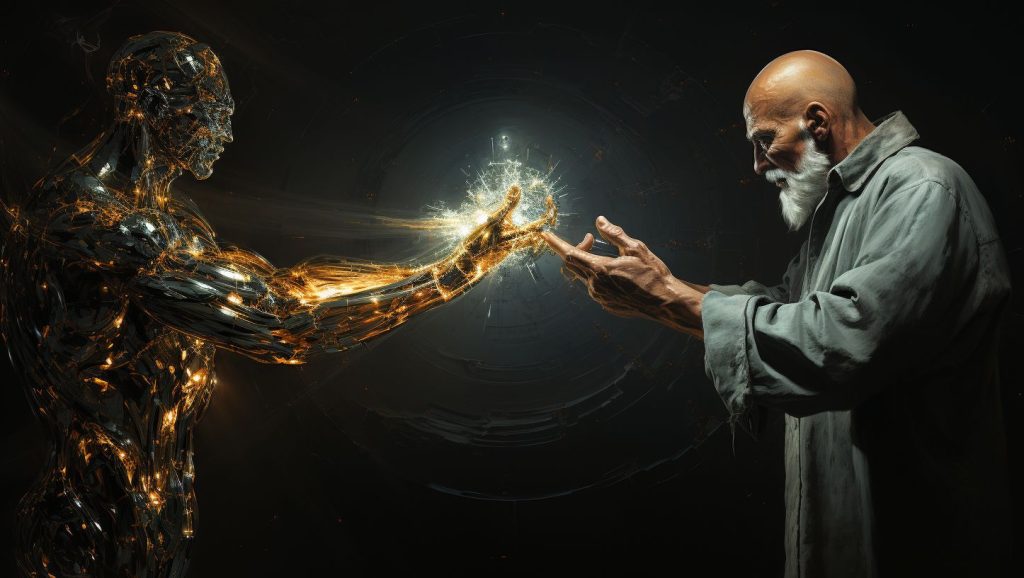
While machines are evolving from simple assistants to collaborative muses, the essential spark of creativity still resides uniquely in human hands. As AI empathy continues to broaden and develop, there will likely emerge a sublime balance between AI’s precision and human creativity. Perhaps the ultimate masterpiece of tomorrow will not be the work of AI alone or that of humans, but a harmonious symphony of both—a reflection of the boundless canvas we create together.
We find ourselves on the brink of a new artistic renaissance, where the lines between machine and human blend seamlessly, each inspiring the other. So, grab that coffee (hopefully, your coffee machine isn’t judging too harshly), and remember that the next time you’re faced with a blank canvas, your muse might just be humming away, ready to stir your imagination like never before.
Conclusion: A Symbiotic Symphony Awaits
In this digital age, AI aspires to be more than just our mechanical minions; they strive to become muses that inspire us to surpass our creative boundaries. But at the day’s end, it is our sheer humanity—full of imperfections, humor, and consciousness—that breathes life into art. The next masterpiece might be a click away, engineered by human and machine in symphonic unison.
Isn’t it fascinating to think about what tomorrow’s masterpieces will look like? Probably a wild mix of human touch and machine precision—just like the marvels of today, challenging us to stretch our imagination and embrace this creative revolution.