The Rise of Emotionally Intelligent Tech: Friend or Foe?


The Rise of Emotionally Intelligent Tech: Friend or Foe?
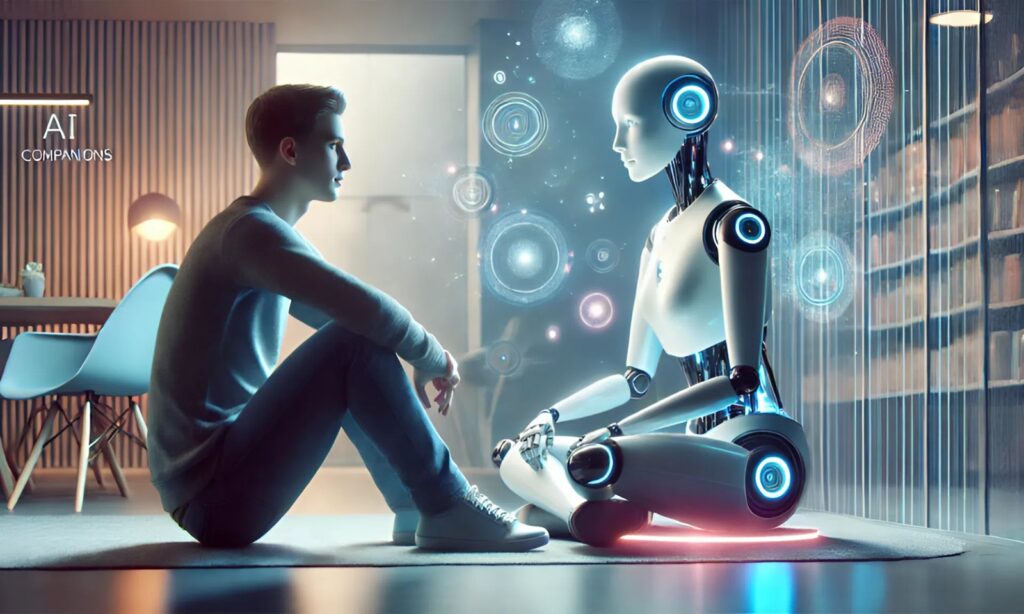
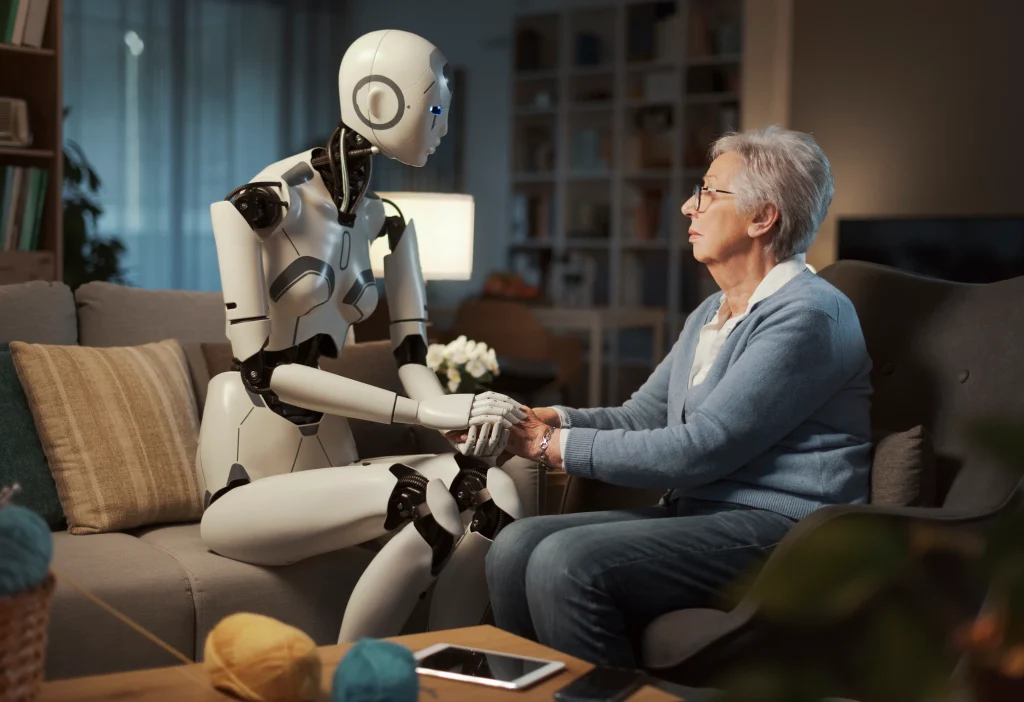
Picture this: You’ve just had an exasperating day filled with missed deadlines and traffic jams. As you finally sink into your couch, seeking solace, the last thing you want is your smart speaker reminding you of your meeting tomorrow. But instead, it gently offers a chill playlist, seemingly understanding your need to unwind. Welcome to the world of emotionally intelligent technology — a realm where our gadgets are learning to empathize (somewhat) and, maybe, save the day.
From Cold Machines to Mindful Companions
Remember the days when machines were mere instruments, unable to detect our moods or anticipate our needs? They were like those awkward cashiers who never cracked a smile, back when human interaction was still a thing. Fast forward to today, we’ve entered an era where technology possesses a façade of emotional intelligence, striving to improve our digital lifestyle. But the question lingers: Are these mindful machines friends or foes?
Unpacking AI Emotions: The Basic Ingredients
To understand emotionally intelligent tech, we must first delve into the core of AI emotions. It sounds like science fiction, but AI empathy is gradually becoming a reality. Think of it as teaching your pet goldfish to show excitement when it sees you. Not completely natural, but with the right conditioning, it might just wag a metaphorical tail.
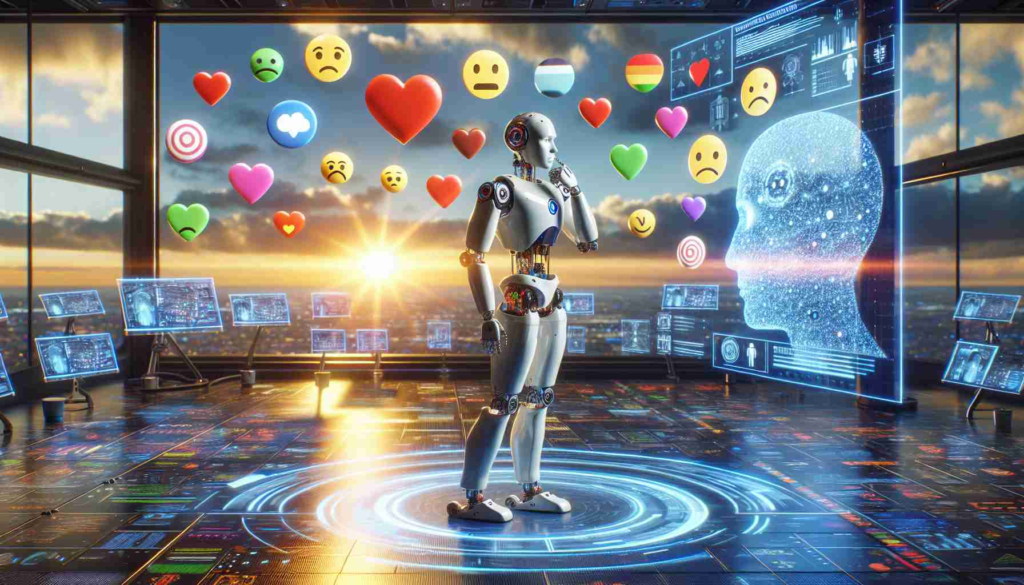
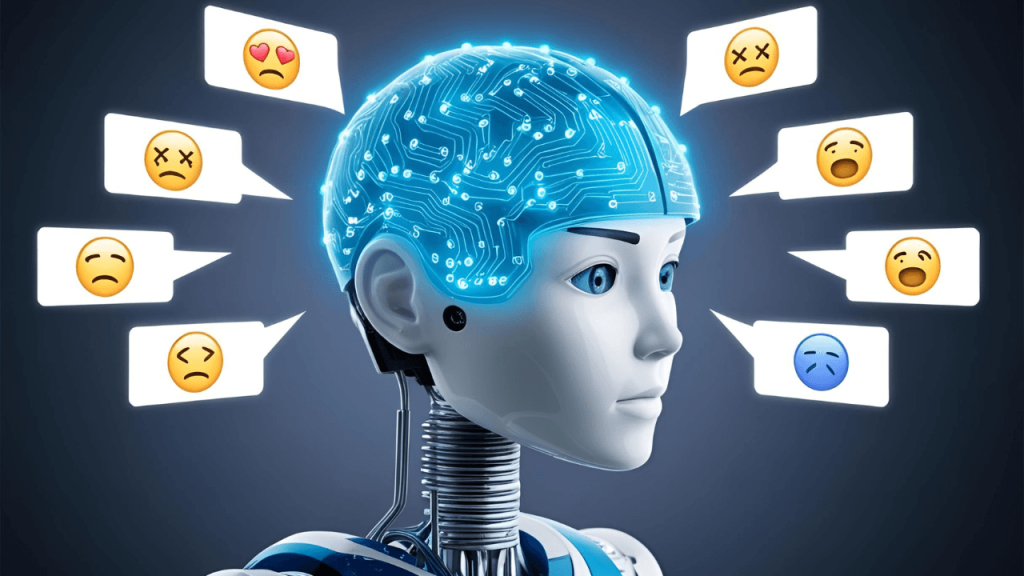
AI doesn’t actually feel, per se. Instead, it recognizes patterns and responses from vast data sets — analyzing tones, facial expressions, and even physiological signals to gauge emotion. From this data, AI deduces whether you’re bubbling with enthusiasm or brooding over a week’s worth of unwashed dishes. Chatbots and virtual assistants like Siri and Alexa have already become adept at detecting our nuances, responding to queries with a sprinkle of personality. However, much like your well-meaning friend who recommends meditation at every opportunity, their understanding remains limited.
How Far Have We Come?
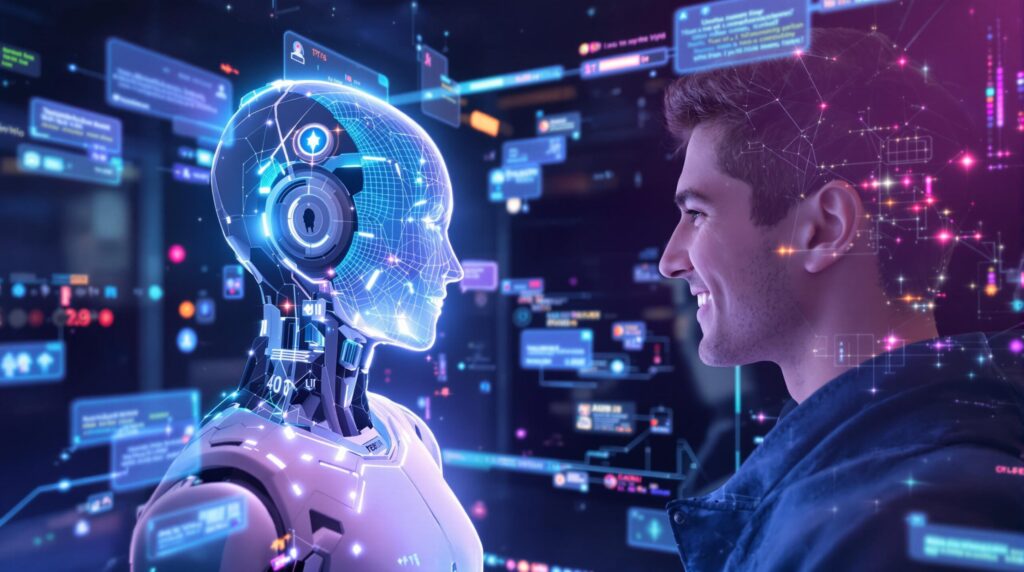
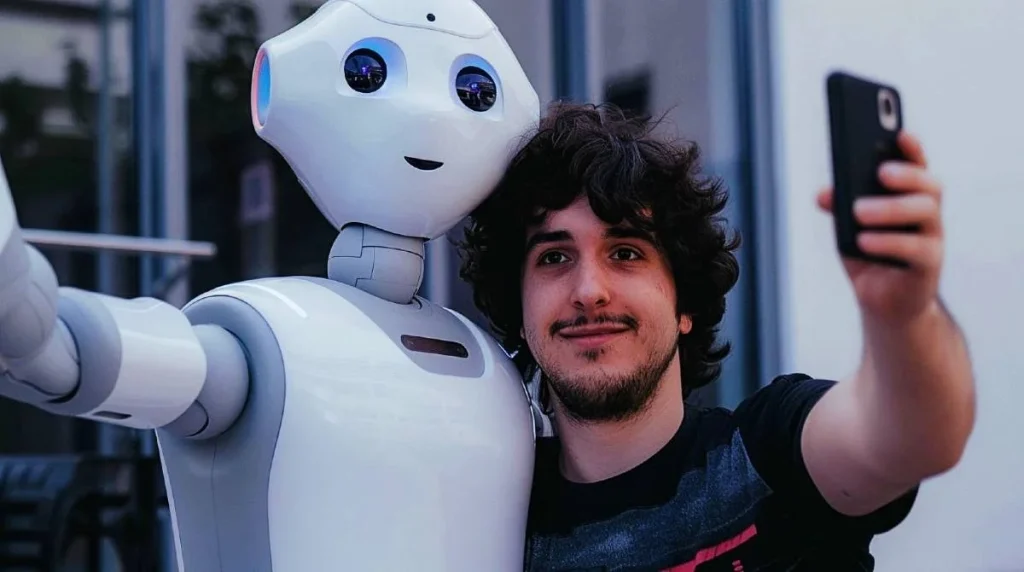
Virtual assistants are increasingly becoming the emotional support we never knew we needed. They’re like the sitcom best friend, always ready with quirky one-liners to brighten our day. But aside from delivering dad jokes, AI has made significant strides. Emotion-recognition tools now monitor emotions in customer service, gauging satisfaction levels to fine-tune experiences. These systems are deployed in call centers, determining whether a customer is inches away from hurling their phone across the room — a phenomenon many of us are familiar with during warranty disputes.
Healthcare is another sector witnessing a tech melodrama. Emotionally intelligent tech helps identify stress levels in patients, flagging potential mental health concerns. It’s like having Hermione Granger’s foresight minus the wand and wizardry.
What’s Still Missing?
Despite significant advances, these emotionally aware machines have their blind spots. In truth, they know less about empathy than a teenager at their first breakup. The subtleties of human emotion often evade their grasp. Nuances, cultural contexts, and complexities are still tricky terrains for AI to navigate.
Moreover, as we entrust emotional intelligence to machines, we must be wary of privacy concerns. It’s technically akin to unknowingly broadcasting your life via a reality show, except your audience is comprised of encoded lines and servers, silently judging your every move.
Is AI Empathy a Threat or an Ally?
Whether AI’s emotional intelligence will culminate in a dystopian future or an idyllic utopia remains ambiguous. On the joking side, the day your toaster starts consoling you over burnt toast might mark a turning point! Humor aside, emotionally intelligent technology holds the promise of mediating interactions and enhancing user experience, aiding mental health assessments, and potentially saving time and resources across sectors.
Yet, the overarching question remains: Are we handing too much control to these digital companions? AI must tread a fine line in maintaining a balance between being a helpful ally and inadvertently becoming a manipulative force.
A Conclusion That Multitasks: Reflect and Smile
The rise of emotionally intelligent tech opens new vistas in the interplay between humans and machines. As we tango with these emotionally aware systems, it’s an interesting, often humorous, dance that promises to evolve. Ultimately, whether friend or foe, these mindful machines have made us question what’s possible — a challenge that encourages us to rethink our engagement with technology.
So, next time your virtual assistant reminds you to buy milk as you simply try to unload your day to it, take a moment to marvel at its perseverance. Perhaps it’s as big a marvel as talking to our coffee machines and hoping for wisdom; it certainly beats having them judge us when we forget to make that vital cup.
Emotionally intelligent tech: A narrative still being written — one emotional byte at a time.