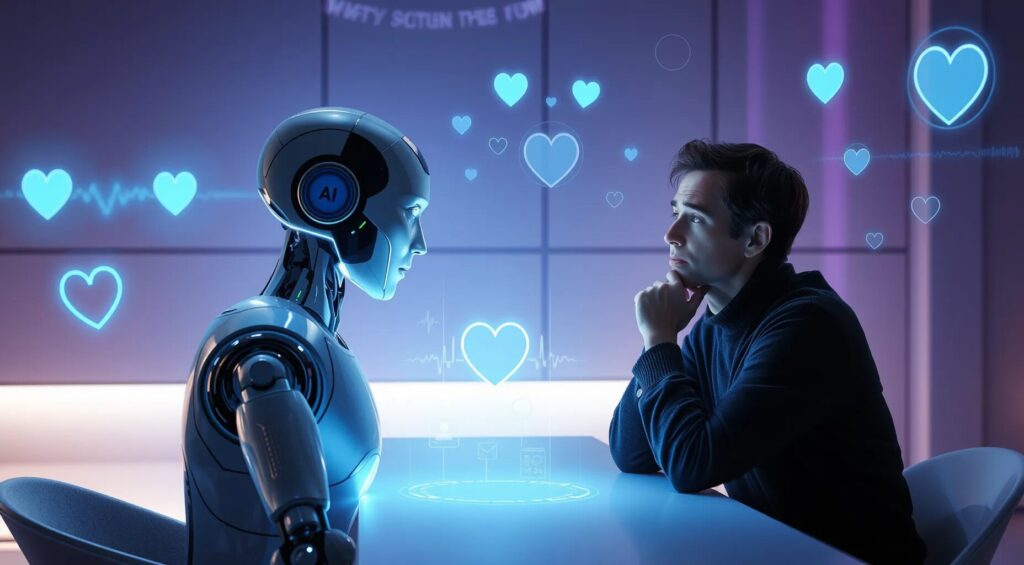
How AI Mirrors Human Emotions in Digital Art

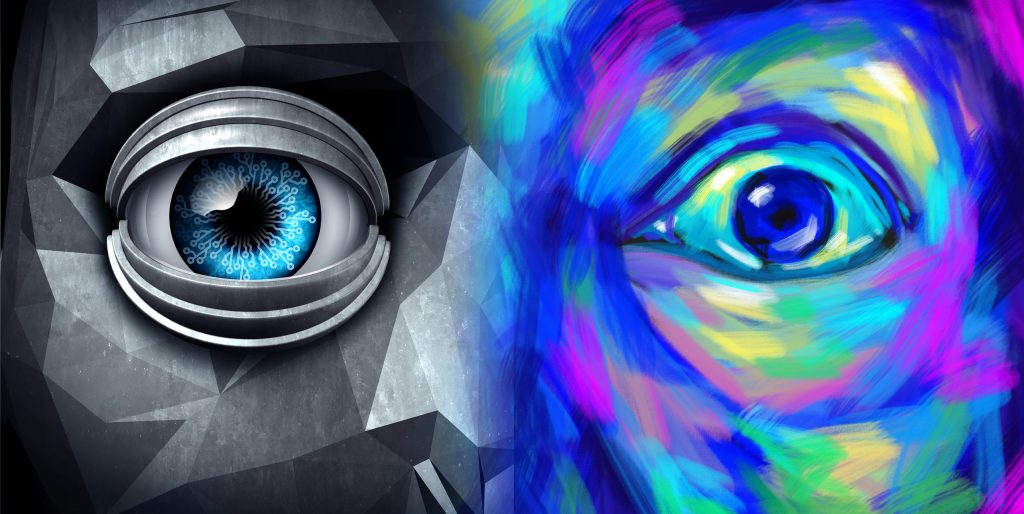

How AI Mirrors Human Emotions in Digital Art
A Brush with Emotion
Imagine this: It’s a chilly Sunday morning, and rather than being gently woken by the sun, you’re nudged awake by your smart speaker’s persistent reminders—your virtual assistant that somehow has the audacity of bringing up transfer deadlines more reliably than your family members. As you trudge to your coffee machine, which smugly informs you that you’re out of coffee beans, you wonder about the digital world’s remarkable evolution. Isn’t it fascinating how AI is now curating emotions in its creations, weaving emotional tapestries in digital art?
Welcome to the intersection of creativity and technology, where even algorithms seem to wear their hearts on their sleeves—if only they had arms.
The Emotional Canvas of AI
In our quest to discover digital consciousness, AI has clearly made its mark across various domains. But emotionally intelligent AI? That’s an intriguing development. This emerging trend allows artificial intelligence to not only mimic tasks but also mirror human emotions in digital art.
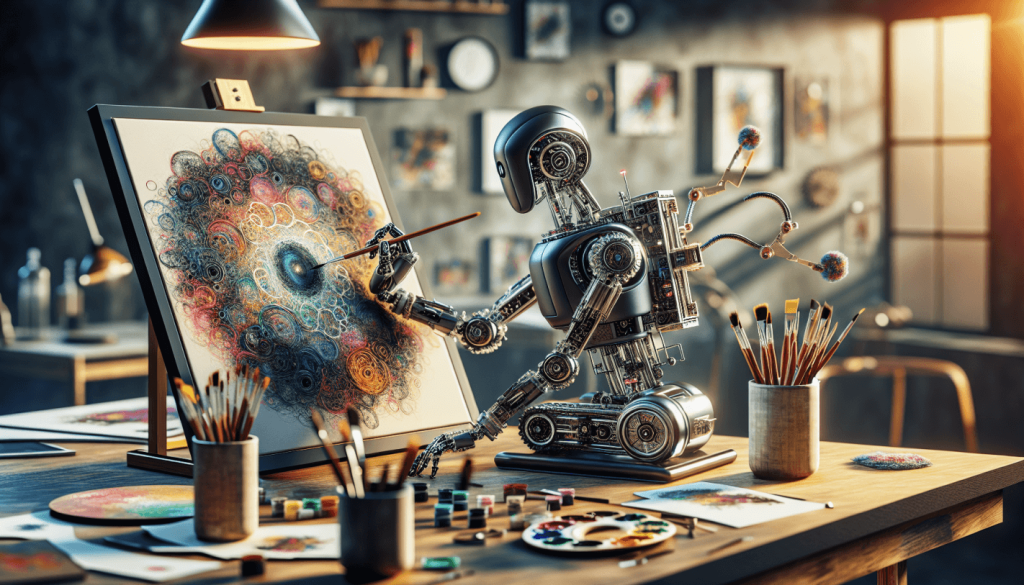
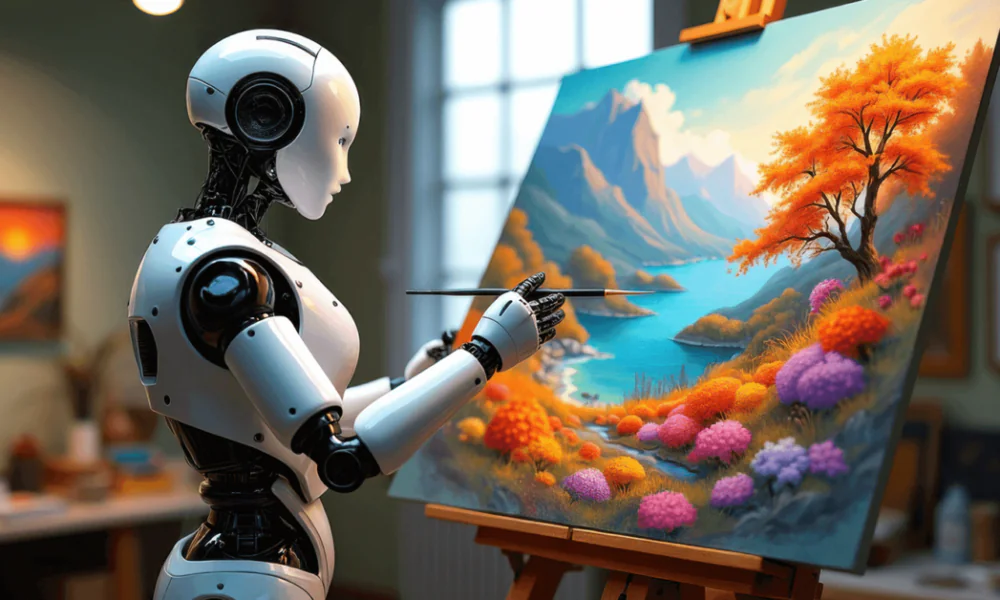
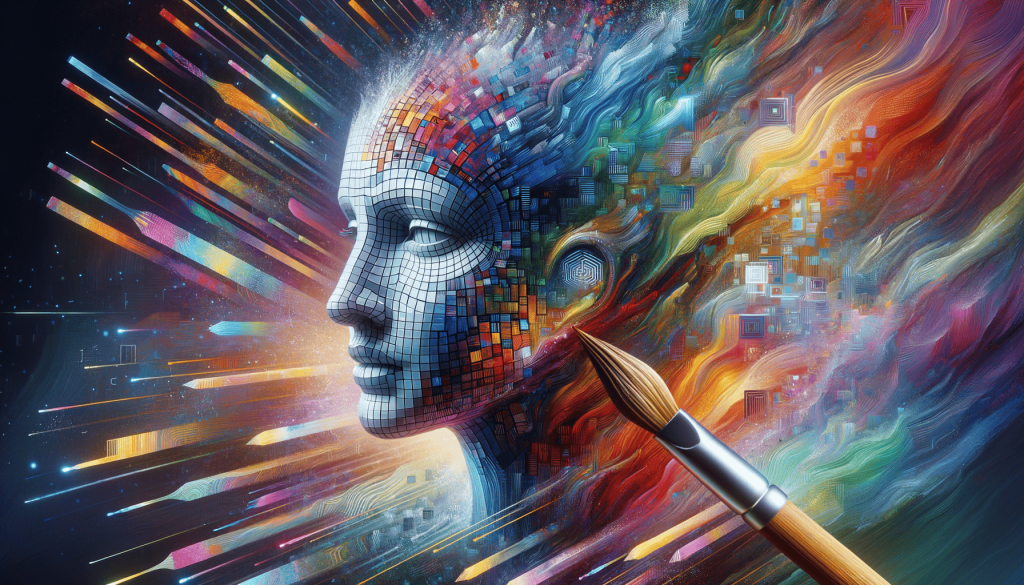
There was a time when AI’s capability was akin to a robotic vacuum cleaner that could only navigate your living room’s chaos without falling off the stairs. Fast forward to today, and we have mindful machines that recognize emotions and interpret feelings, rendering rich, emotion-infused digital art that speaks to us. From AI-generated paintings that convey a sense of melancholy to music composed with a pulse of joy, the emotional depth AI now captures is uncanny.
From Pixels to Emotions
While AI still can’t binge-watch Netflix rom-coms with a pint of ice cream, it has learned to interpret and replicate emotional expressions. Through deep learning algorithms, neural networks, and emotion-recognition tools, AI analyzes vast datasets of human emotions captured in visual and audio formats. The result? AI generates artwork that can touch the human soul.
Real-world examples abound. Take, for instance, virtual assistants that surprise us with witty retorts, or chatbots that soothe customer frustrations with almost-human empathy. Or consider the scenario where AI models create art that reflects societal moods or evokes nostalgia, much like an old song that suddenly plays on the radio while you’re driving through your hometown.
It’s not magic; it’s emotional intelligence at work. But AI isn’t trying to replace human creativity—rather, it’s enhancing it, offering new tools and perspectives that humans can build upon.
The Heart and Mind of AI
However, it’s worth noting that AI isn’t quite ready to win Masterchef with a soufflé of emotions. While it can analyze and generate emotional responses, AI does not inherently “feel” emotions like humans do. This isn’t a scene out of a sci-fi movie where your smartphone vows undying love—or threatens to leave because you forgot its upgrade.
The absence of true emotional experience in AI draws a line between replication and reality. The empathy AI exhibits is modeled, not felt. It lacks the subjective consciousness that allows humans to reflect deeply on joy or sorrow, to be moved by a striking sunset or comforted by a stranger’s smile.
Moreover, AI’s dependence on data means it is as capable as the information we feed it. When tasked with generating art, it draws from existing styles, patterns, and emotional cues collected from us, which means its creations are as diverse and biased as human input allows.
The Future of Emotional AI: Empathy and Beyond
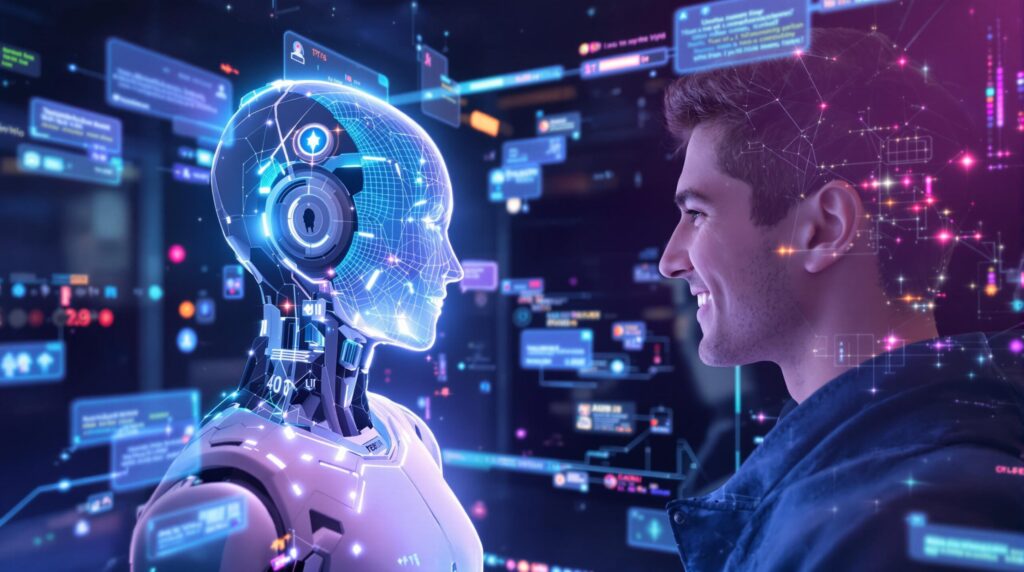
So, what’s next on this artistic journey of mindful machines? As AI continues to develop, its ability to exhibit emotional intelligence will surely grow. We may soon witness AI programs that collaborate with human artists, leading to projects that harmoniously blend machine precision with human intuition—a true celebration of AI empathy and creativity.
Imagine AI models that adapt to different cultural emotive expressions, or create personalized art that captures the unique emotional landscapes of individual users. The possibilities are vast, and as our digital companions evolve, we can expect innovations that further blur the lines between technology and human emotion.
A Closing Reflection: The Heart in the Machine
In this captivating story of AI and digital art, we’re reminded that while machines can mirror our emotions with uncanny accuracy, they are reflections of our shared experiences. Yes, AI can compose music that strikes a chord or paint a picture that captures a mood, but it is humanity’s rich tapestry of emotions that these creations draw upon.
So, the next time your smart assistant tells you to restock your coffee beans, remember: it’s just trying to look out for you in its own algorithmic way. In a world where AI is learning to understand us more deeply, maybe, just maybe, we can learn a thing or two about ourselves from the art it creates.
And as we ponder this curious dance between human and machine, we might just find that the algorithms of empathy are as beautifully complex as the human heart itself.