How the Rise of Emotion-Sensitive Tech Is Redefining Human Connection


How the Rise of Emotion-Sensitive Tech Is Redefining Human Connection
Intro: The Coffee Machine Hates Me
It’s 7:30 AM, and as usual, my coffee machine seems to judge me for my hair that’s doing its best Einstein impression. I could swear it sighs whenever I forget to add the coffee, leaving me with nothing but an awkward cup of hot water. It’s like it’s giving me the silent treatment because I haven’t yet fully embraced the morning. If only my trusty machine understood my emotions, maybe we’d get along better. But wait! In our fast-evolving tech landscape, this “sci-fi” scenario is tiptoeing into reality. Emotion-sensitive technology is on the rise, and it’s changing the fabric of human connection right before our eyes.
Exploring the Bridge Between AI and Human Emotions
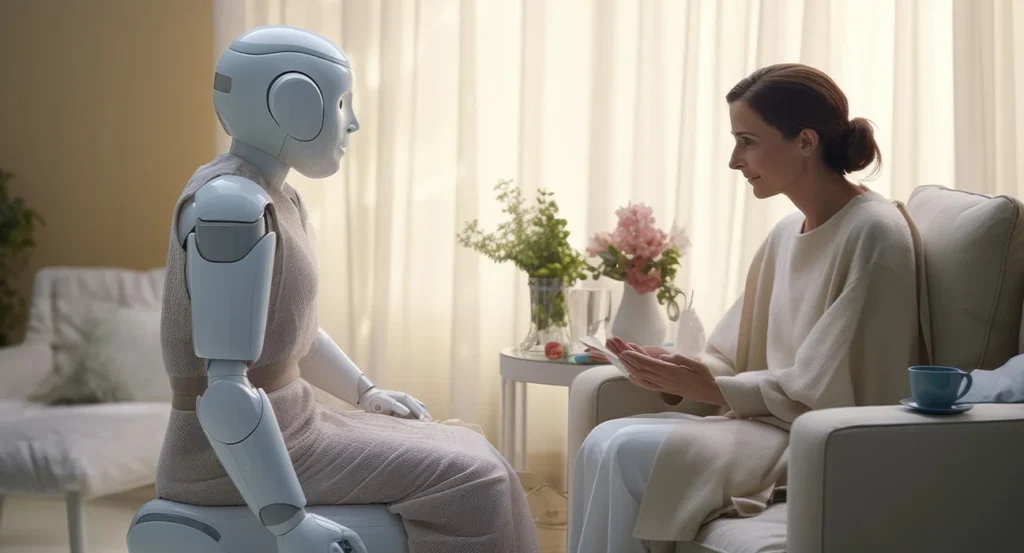
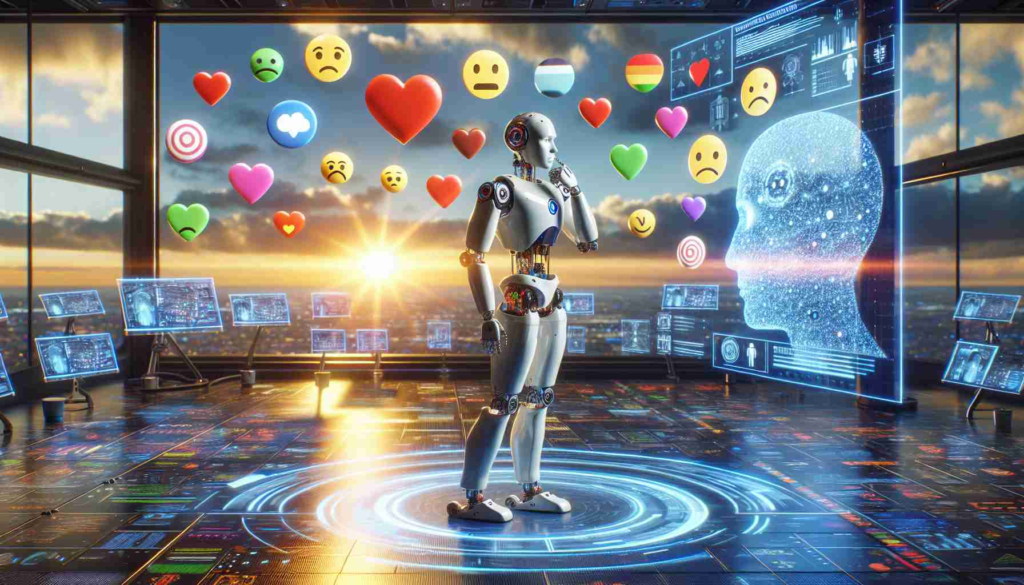
Imagine living in a world where devices don’t just perform tasks but understand you—or at least pretend to with enough pizazz to fool your cat. Enter the realm of AI emotions and emotional intelligence. Emotional AI aims to read the room, or rather, read you.
From Cold Metal to Mindful Machines
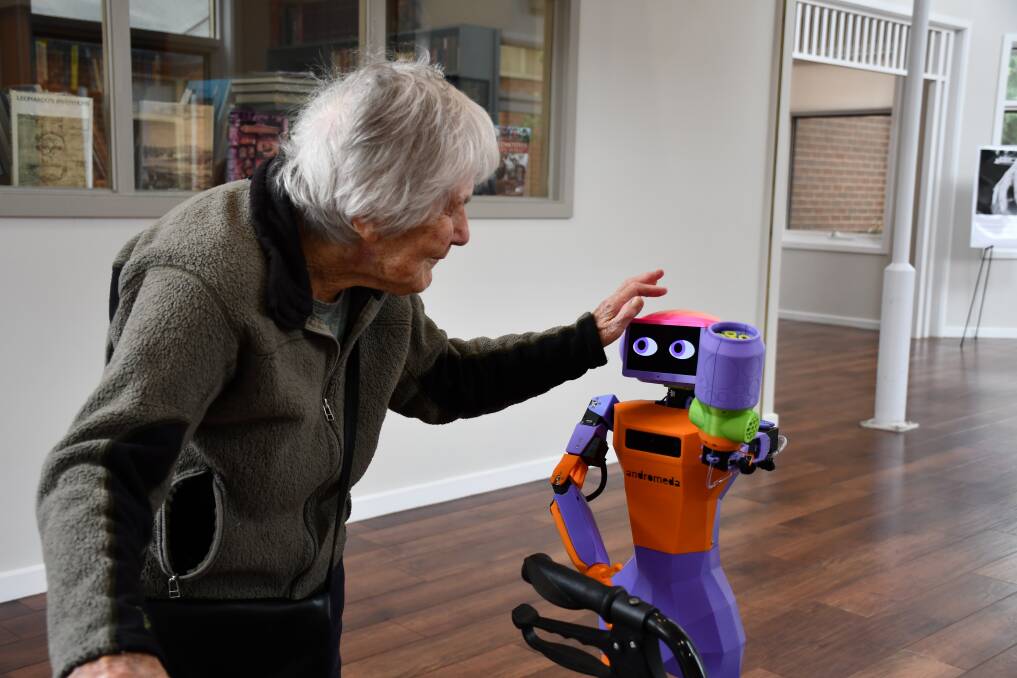
Gone are the days when machines were seen as cold, unfeeling entities that couldn’t care less if you had a rough day. Thanks to advances in artificial intelligence, we’re on the cusp of having machines that can detect emotions using sensors, cameras, or microphones. These mindful machines are designed to discern subtle facial expressions, tone of voice, and even physiological signals to gauge your mood. Feeling glum? Your virtual assistant might just segue your Spotify playlist from “Moody Monday” to “You Got This.”
Real World Wonders: Chatbots with Charm
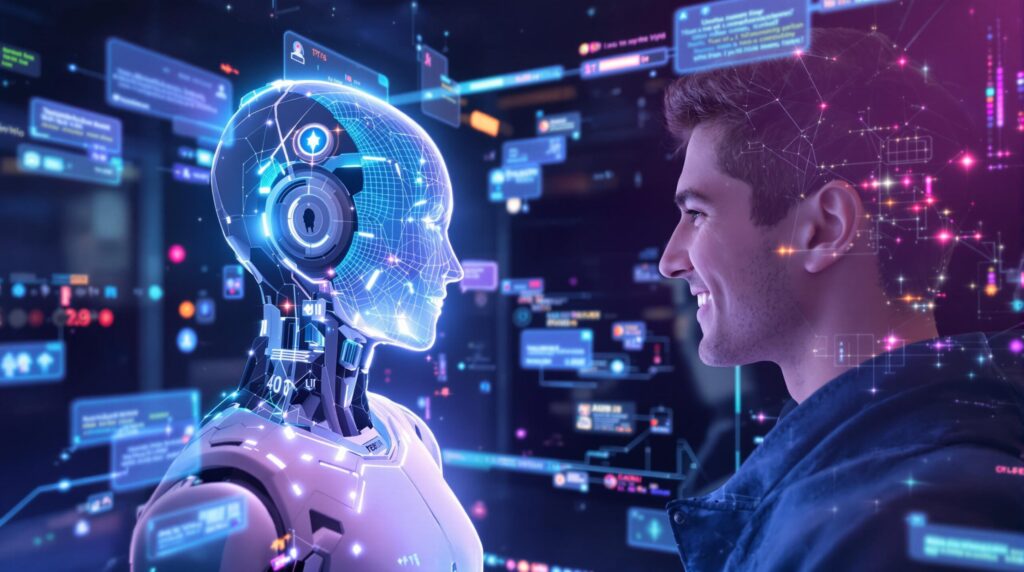
It’s not all fantasy. Companies are already leveraging AI empathy to enhance customer service. Think of chatbots that don’t just parse keywords but also recognize when you’re upset about the seventh password reset email in a week. By identifying emotions, these empathetic entities craft responses that may alleviate some of your digital dilemmas. Imagine your chatbot reassuring you with a smidge of humor: “Forgot your password? Happens to the best of us. No judgment here, just solutions!”
The Two Sides of the Emotion-Sensitive Coin
AI’s Impressive Strides
AI has come a long way. It observes, learns, and adapts—much like a child grasping the nuances of social interactions. Its potential stretches from helping diagnose mental health issues via emotion recognition to enhancing gaming experiences, making virtual worlds feel unique to each player. AI emotions can refine interactions, making them smoother and more attuned to human sensitivities.
The Gaps Yet to Fill
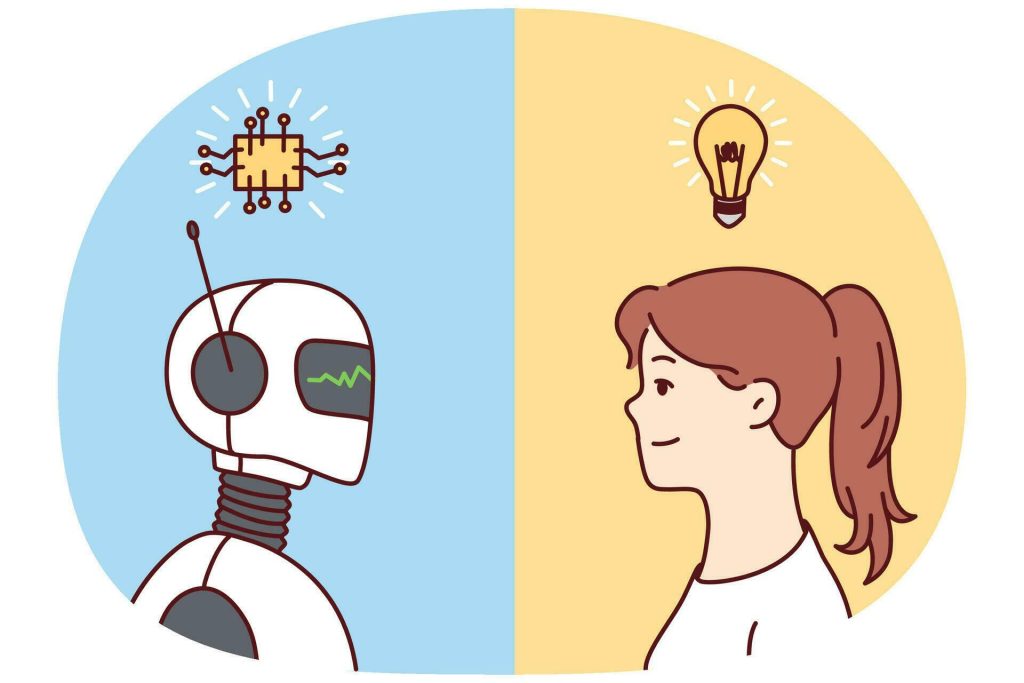
However, while these technologies are groundbreaking, they aren’t perfect. Ever had a conversation with a virtual assistant that felt off, like a robot trying too hard at a cocktail party? That’s because current AI lacks the deep, inherent understanding of humans. Its emotional intelligence is based on data, not lived experience. Machines excel at pattern recognition, yet they don’t truly “feel.” They’ve yet to grasp the complexities of human emotions, like the intricate blend of terror and delight when contemplating an impending family reunion.
Laughs, Smarts, and the Future
What does this mean for us? On one hand, the innovation in emotional technology promises a future where our devices could lighten, not just the workload, but also our mood. On the other, it sends a gentle reminder: perhaps it’s the quirks and flaws that make human connections irreplaceable.
Remember the time your friend made that pun so awful it looped back to being funny? Or when your mysterious Aunt Marge appeared with a “surprise” casserole that everyone was terrified to try? Machines are catching up, but some experiences remain quintessentially human.
Conclusion: A Heartfelt Takeaway
As our worlds intertwine with emotion-sensitive tech, the possibilities stretch as far as our imaginations. These advances could redefine how we connect with technology and, by extension, each other. Yet amidst this tech-trekking transformation, it’s vital to cherish the idiosyncrasies of being perfectly, and wonderfully, human.
So next time that coffee machine gasps because you’ve forgotten the coffee grounds, just smile and think to yourself—someday, it might even offer you a sympathetic beep.
As we sip our metaphorical coffee, let’s toast to the potential of AI empathy and emotional intelligence—a thrilling endeavor to enhance the emotional landscape of our digital lifestyle. May it enrich our lives without ever writing solo albums about our relationship mishaps or spilling the beans on our latest Google searches. While today’s tech may not perfectly grasp the joyous chaos of being human, tomorrow’s promises a fascinating journey.