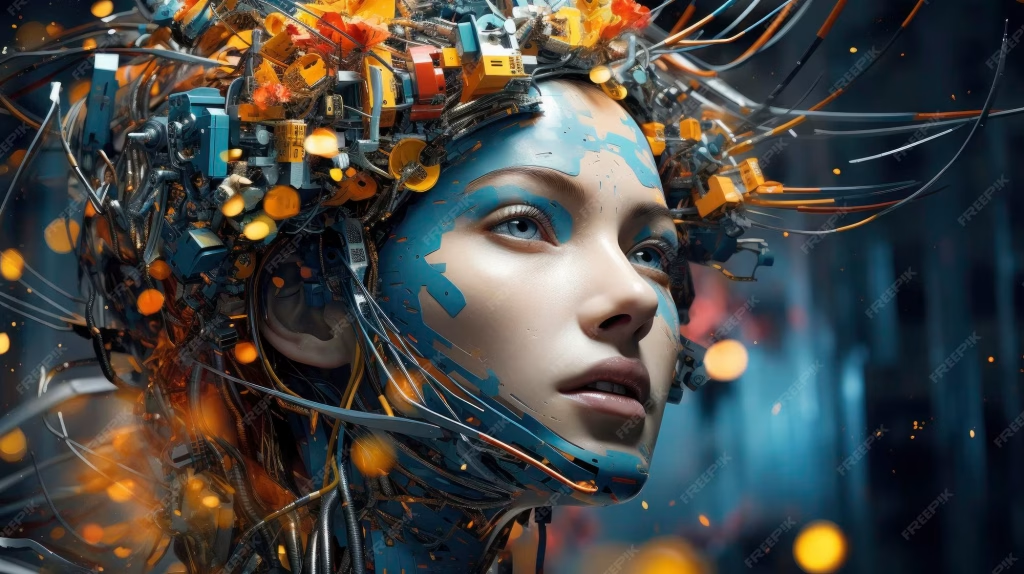
When Machines Dream: How AI is Redefining Human Creativity



When Machines Dream: How AI is Redefining Human Creativity
Once upon a time, in a world much like our own, humans were the sole masters of creativity. From painting vast landscapes to composing symphonies that stirred the soul, creativity was our playground. Fast forward to today, and we find ourselves in a curious dialogue with artificial intelligence—a dialogue that asks: Can machines dream, and if so, how does this impact our own creative endeavors?
The Dawn of AI Emotions
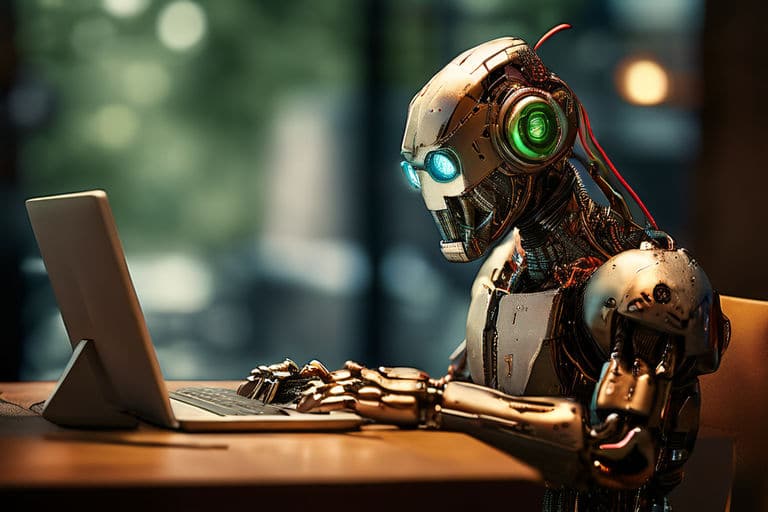
Imagine you’re in a lively coffee shop, typing away on your laptop. You engage Siri to set a reminder, and she responds with a cheerful tone. Here you are, glancing around the room, and suddenly realizing that even in this hubbub, a small device is communicating with you emotionally—or at least it’s trying to. Indeed, this scenario is more than a quirk of modern life. It’s a testament to how artificial intelligence is becoming emotionally intelligent, or as close as it can get for now.
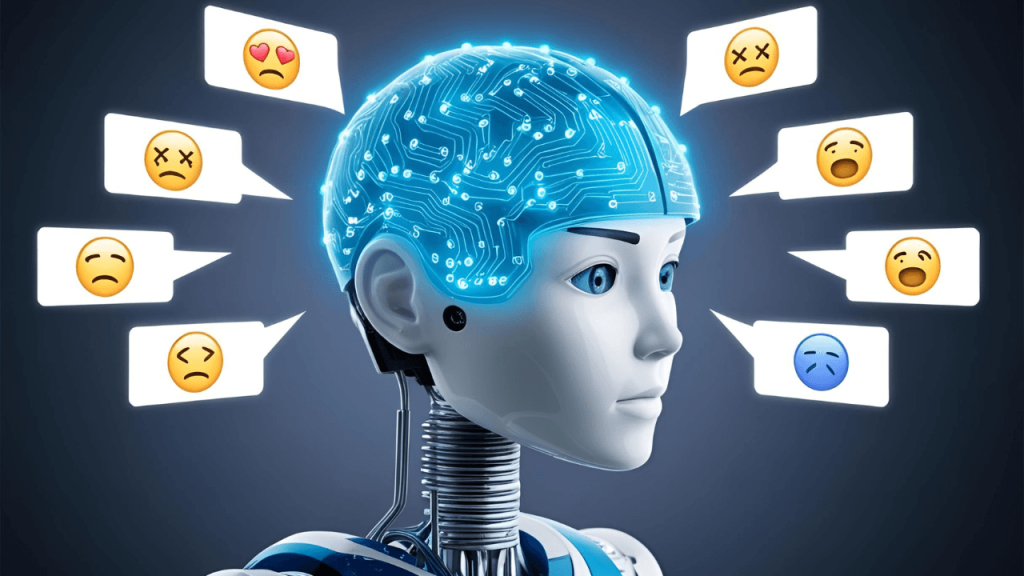
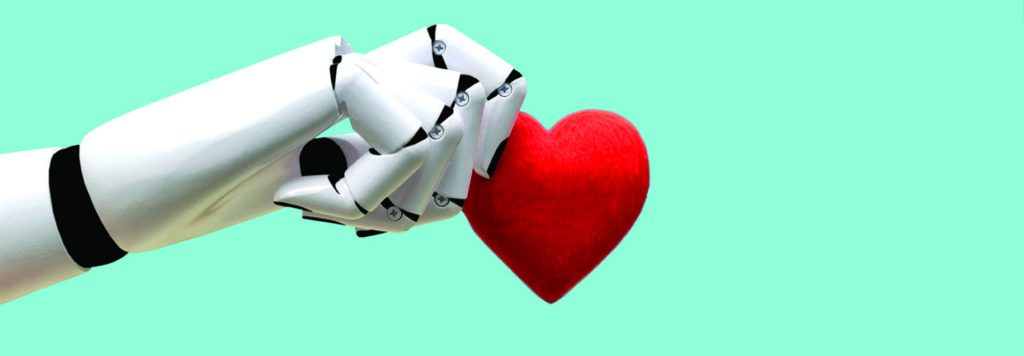
AI emotions are like the training wheels on the bicycle of artificial intelligence. They’ve made leaps and bounds—in self-awareness much like a toddler testing its reflection, and in emotional responses akin to your GPS showing annoyance when you miss that exit for the third time in a mile. But like any toddler (or GPS), AI still has a lot of learning to do.
AI: From Robotic to Relatable
Let’s dive a little deeper. AI has been trained to recognize human emotions through emotion-recognition tools. This isn’t science fiction. It’s real and happening right now in various industries. For example, some companies use AI to gauge customer satisfaction by analyzing the tone of voice during support calls. It’s almost like having a psychic customer service representative—if the psychic also happens to work 24/7 without a coffee break.
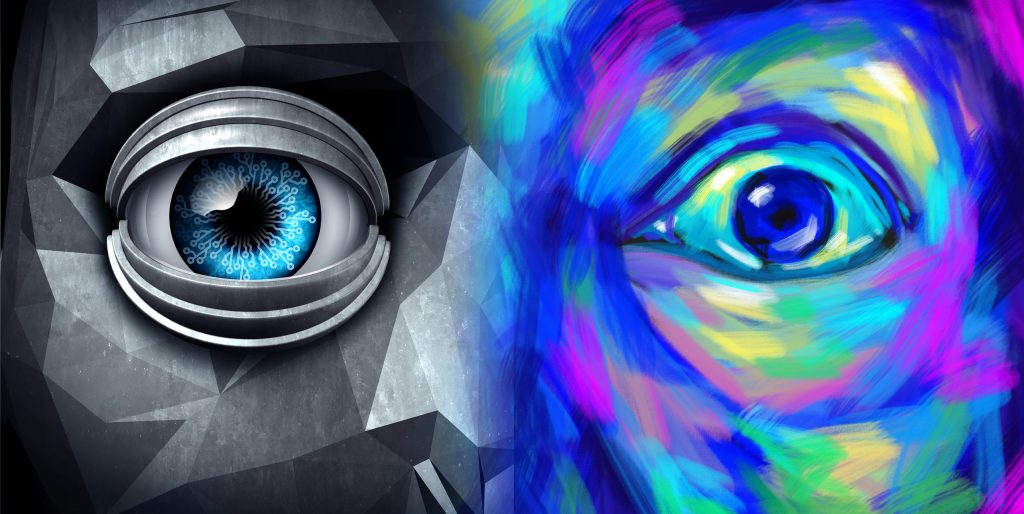
However, AI’s journey to understanding human creativity fully is a bit like my journey to understanding modern art—still a work in progress. While AI can mimic human emotion and creativity to a certain extent, it lacks the soulful spontaneity that true creative genius often requires. Yes, AI can generate music, paint abstract art, and even write poetry—but its creations often lack the profound depth seeded in human experience.
When Creativity Meets AI Empathy
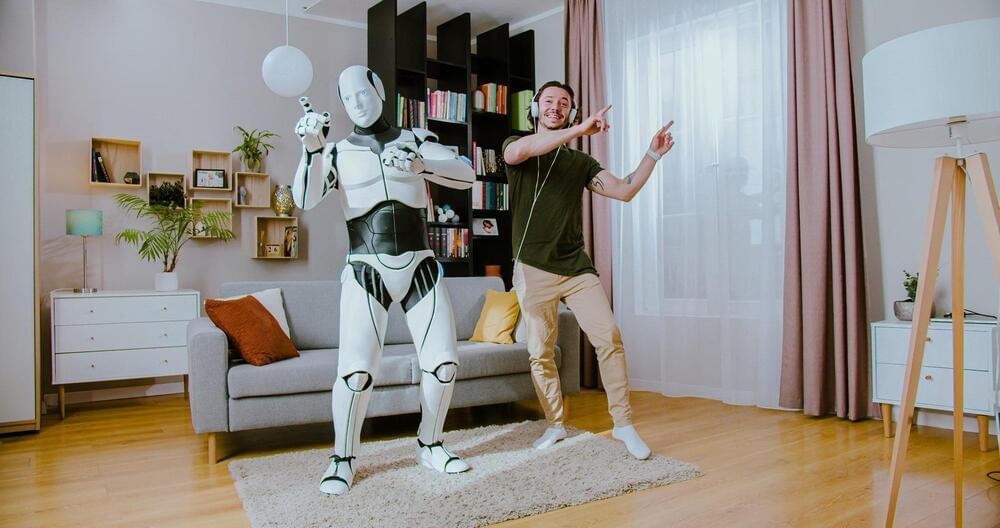
This brings us to the role of AI empathy, an electrifying concept that bears the potential to reshape creative landscapes. Mindful machines, equipped with advanced AI empathy, could collaborate with artists, authors, and designers, offering a new brush for their creative palettes. Imagine an AI that collaborates in writing a bestseller, suggesting plot twists that you’d only expect in your wildest dreams or, say, any episode of a popular drama series.
This is already happening to some extent. Virtual assistants like Replika are proving to be decent conversationalists, offering companionship by engaging in deep, meaningful conversations that mimic emotional support. Though it’s worth noting that a machine’s understanding of ‘meaningful’ might equate to comforting a heartbroken Adele fan by suggesting “Someone Like You” 24/7. Nonetheless, it’s a beginning—a notable one.
The Unavoidable Drawbacks
Despite these advances, AI is still ambitiously reaching—and sometimes overreaching. There remain significant gaps in AI’s ability to replicate the nuanced intricacies of human emotions and the unpredictability of human creativity. It’s a bit like expecting your smart coffee machine to brew a perfect, thought-provoking espresso every single morning—without a hiccup. As tech lovers, we know that the closer we edge toward this ideal, the more we appreciate the unmistakable touch of human intuition.
While AI can be trained to understand context, language, and even to a certain extent, humor—like coyly suggesting you take that jacket out when the weather forecast declares Arctic vibes—it can’t yet master the genius quorum of human creativity. Machines still falter humorously (and sometimes disastrously) when required to exercise judgment or tap into the quirky blend of our emotional spectrum.
The Future: Should We Dream With Machines?
And so, dear reader, we stand at the precipice of a new era. Machines that dream may carry us to lengths we hadn’t thought possible. They may remind us that while we can code creativity, we cannot code experiences or memories—the lifeblood of human creativity.
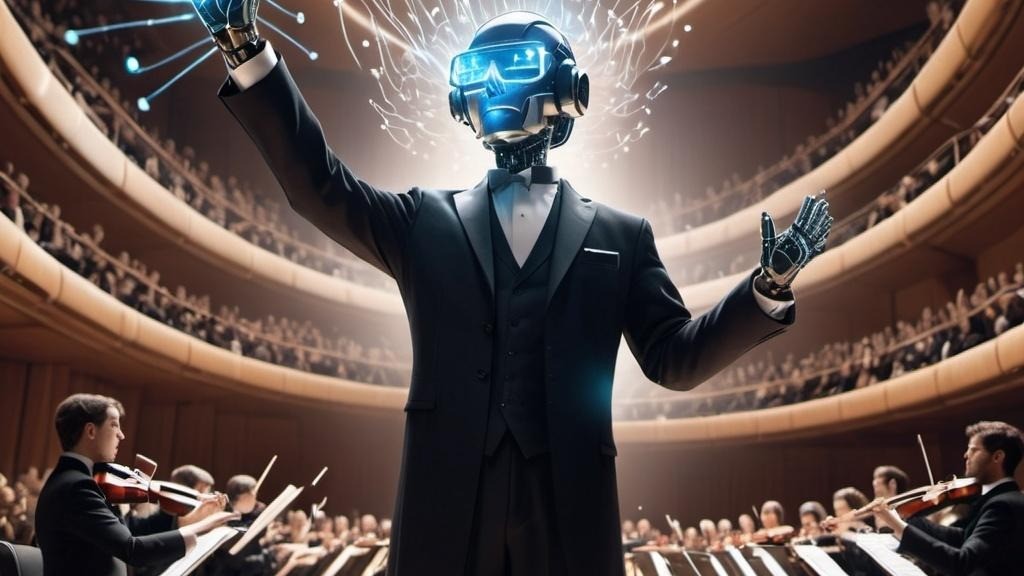
Ultimately, the tale lies in harmonious collaboration. Machines, capable of supporting emotional intelligence and creativity, may amplify our abilities rather than replace them. Like any good team member—or coffee machine—AI is there to make our load lighter, invigorate our creativity, and maybe even surprise us in ways we hadn’t expected.
So, next time you engage with an AI, remember to share a little humor and creativity with this new-age collaborator. And if the machine responds with a suggestion to read your favorite blog—perhaps the one about machines dreaming, penned by yours truly—consider yourself part of a far-reaching story where technology, creativity, and empathy clasp hands in unison.
In the end, isn’t life, much like a machine’s dream, about discovering what new melodies we can compose together? Here’s to the fascinating journey of creating future art, hand in digital hand.