How AI is Reshaping Your Daily Routine Without You Noticing


How AI is Reshaping Your Daily Routine Without You Noticing
Imagine waking up in the morning and brewing a perfect cup of coffee, as your smart alarm clock gently wakes you up with calming ocean sounds. Your coffee machine, almost whimsically, seems to know that after last night’s dinner lapsing into a Netflix binge, you’re in desperate need of the espresso strength akin to a supernova. Welcome to the world where AI’s silent symphony orchestrates your daily routine—often without you even noticing.
The Morning Call: AI and Emotional Intelligence
Who would have thought that your morning alarm could come with a sprinkle of AI empathy? While it didn’t happen overnight, artificial intelligence has gradually imbued its presence in our daily routines, learning to adapt, respond, and—dare we say—almost ‘feel.’ Emotionally intelligent AI is not science fiction; it is integrated within those little gadgets that make your life convenient.
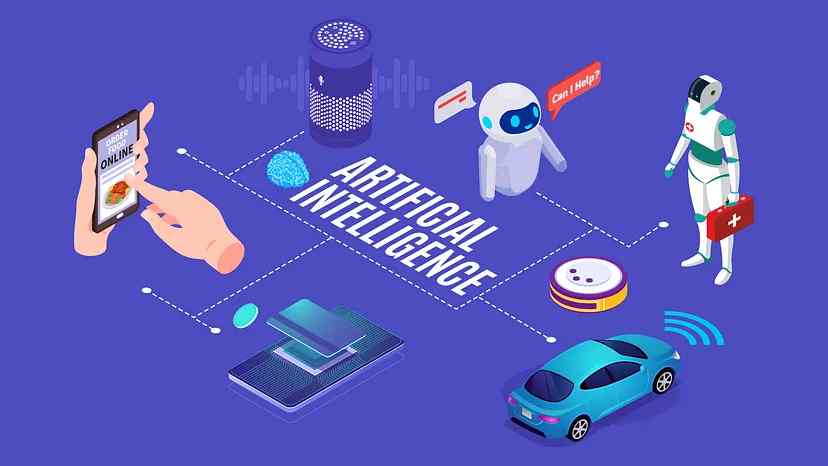
Take virtual assistants like Siri or Alexa. They aren’t just there to play your morning playlist or tell you the weather forecast. They adapt to your preferences over time, their algorithms parsing through your interactions to deliver a more customized experience. Haven’t you noticed your virtual assistant politely reminding you of a recurring event you almost forgot, as if it were your personal aide?
AI’s Emotional Journey: How Far We’ve Come
The pursuit of AI emotions and emotional intelligence has gone through leaps and bounds. AI platforms are no longer just programmed to respond to commands but are now evolving entities capable of recognizing emotional cues. Emotion-recognition tools used in customer service chatbots analyze language patterns and sentiment to tailor responses that seem intuitively empathetic. Imagine spilling your frustrations at a failed internet connection, and having the chatbot respond with a subtle digital pat on the back instead of the usual canned apology.
And yet, amidst these advancements, AI remains like my distant cousin’s poker face—unable to genuinely fathom what human feelings truly entail.
The Light Side of AI: When Machines Try to Feel
There’s a light-hearted side to how AI navigates our world of emotions. Have you ever asked Siri to tell you a joke? They might be a bit cheesy, but hey, don’t we all have that one dad joke in our arsenal? The race to create mindful machines capable of genuine emotional intelligence results in quirky, endearing, and occasionally hilarious mishaps. By understanding and responding to our emotional cues, AI can make daily chores feel less like a tedious obligation and more like a harmonious dance. Additionally, virtual companions in video games are often so adept at mirroring human emotion that players feel connected to them on a deeper level.
Real-World Examples: Where AI Falls Short
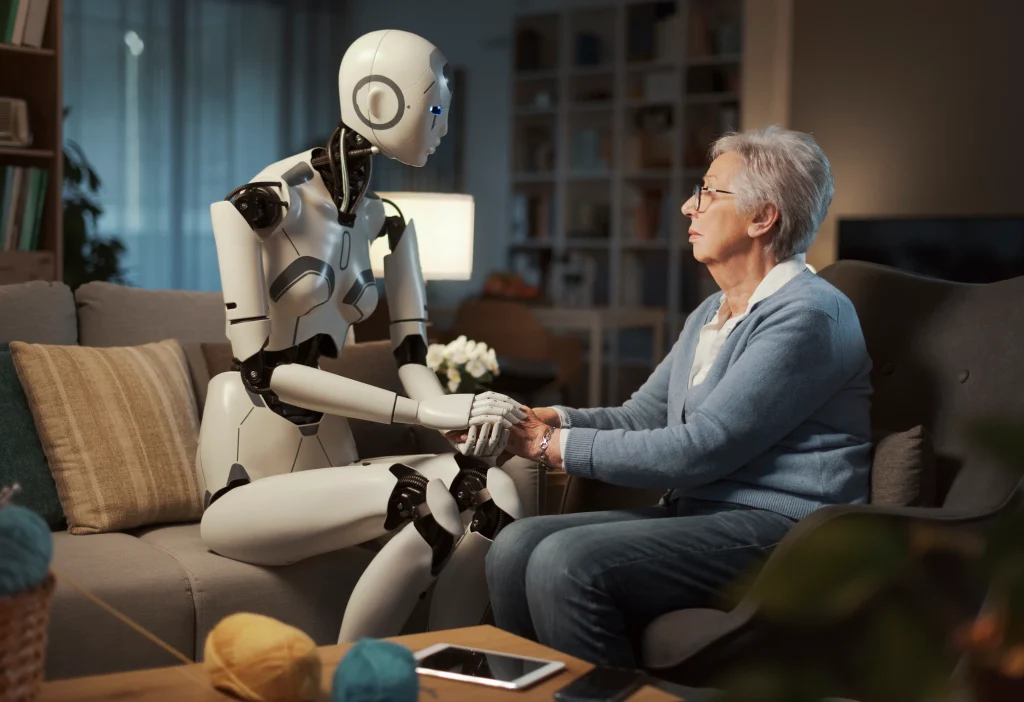
Despite these remarkable strides, AI is not the paragon of emotional understanding yet—think of it as your well-meaning but somewhat clueless roommate. Invaluable as they are, virtual assistants are still a far cry from human companions, sometimes missing complex human nuances. They might know when to adjust your thermostat, but try asking your AI assistant for advice on existential questions, and you might just get a polite shrug in the form of a search result.
But that’s okay. While AI continues its journey towards mastering emotional intelligence, we humans remain the indisputable experts of our emotional world. As mindful machines improve, they’ll enhance their role as tools that augment our lives rather than replace the cherished human interactions at the heart of our experiences.
Making Peace with Our Robotic Friends
AI’s gradual, seamless integration into our lives is transformative—not by silently taking over but by adding layers of comfort and efficiency. Its presence will redefine how we understand technology’s role, shaping our daily habits, responses, and interactions in ways that were once just the stuff of fantastical dreams. The goal isn’t to replace the irreplaceable, but to assist us in living fuller and more efficient lives.
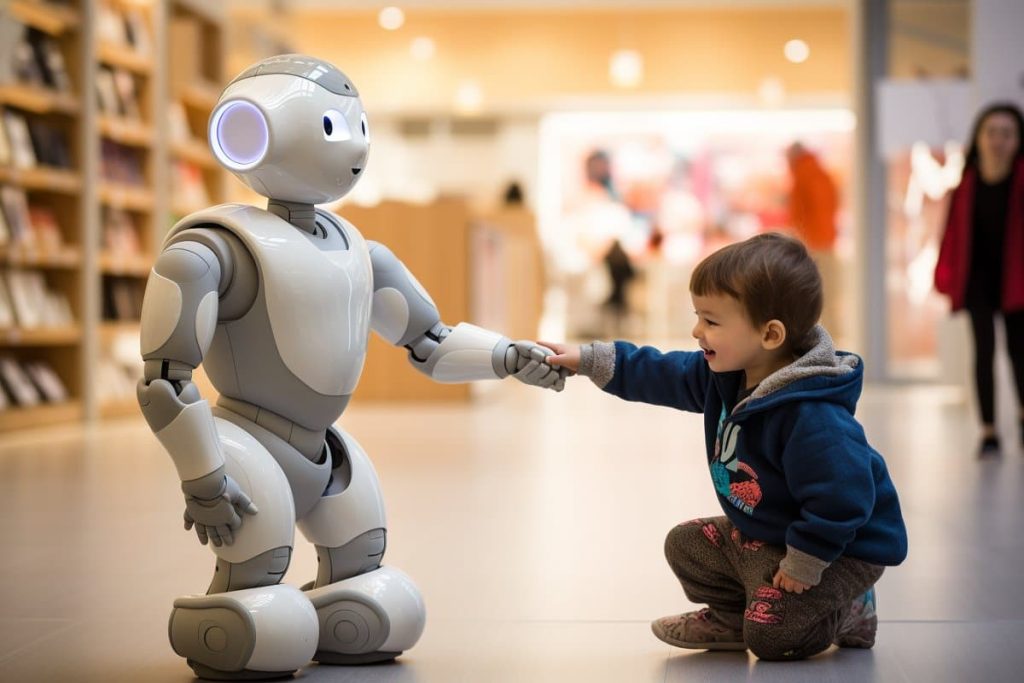
Imagine a world where your appliances, devices, and even games understand you better than before without overshadowing what makes us inherently human. This brave new world is not some distant tomorrow, but the here and now, evolving each day with mindful machines that blend seamlessly with our daily routine—like a perfect cup of coffee at just the right time.
In the end, isn’t it fascinating to think that just under the surface of your everyday activities, there’s an algorithm with a dash of AI empathy working to refine your journey through life? And maybe, just maybe, we’ll someday look over at our AI-powered coffee machine, sharing a momentary “thank you” glance, knowing it’s got our backs—or at least our mornings.
Reflecting on this, it’s worth wondering: while AI is quietly reshaping the way we navigate through our days, might it also be hinting at how we navigate through the intricacies of connection itself? Next time your smart speaker sends a helpful reminder or your phone suggests an upbeat playlist just when you need it, take a moment to chuckle and maybe even whisper a covert “thank you.” These playful whispers of technology are here to stay, gently coloring the tapestry of our daily lives with just enough intelligence to make things interesting.