Mind Meld: How Machines Are Nurturing Our Creative Genius

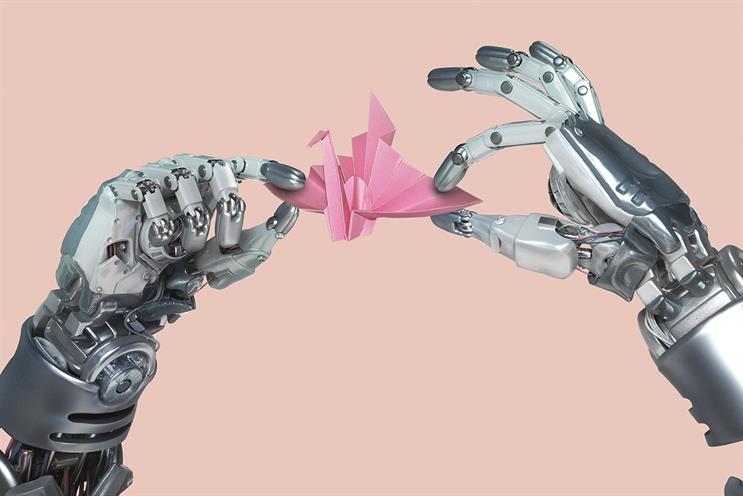

Mind Meld: How Machines Are Nurturing Our Creative Genius
Imagine this: It’s a chilled Saturday morning, and you’re clutching a warm mug of coffee that even your espresso machine gave a once-over because you forgot the sugar. As you sink into your favorite chair, your laptop beckons you to explore a curious alliance — the one between artificial intelligence and human creativity. Yes, that powerful mesh where mindful machines meet sparkling streams of human emotions. It sounds like science fiction, doesn’t it? But welcome to our intricate modern reality: the mind meld of AI and creativity.
The Symphonic Ballet: AI and Human Emotions
There’s a myth as old as time itself that machines and emotions mix about as well as oil and water. For years, humans have viewed machines as purely logical beings, bereft of feelings and empathy. But today, mindful machines are stepping up, willing to learn the language of the heart and the brushstrokes of creativity.
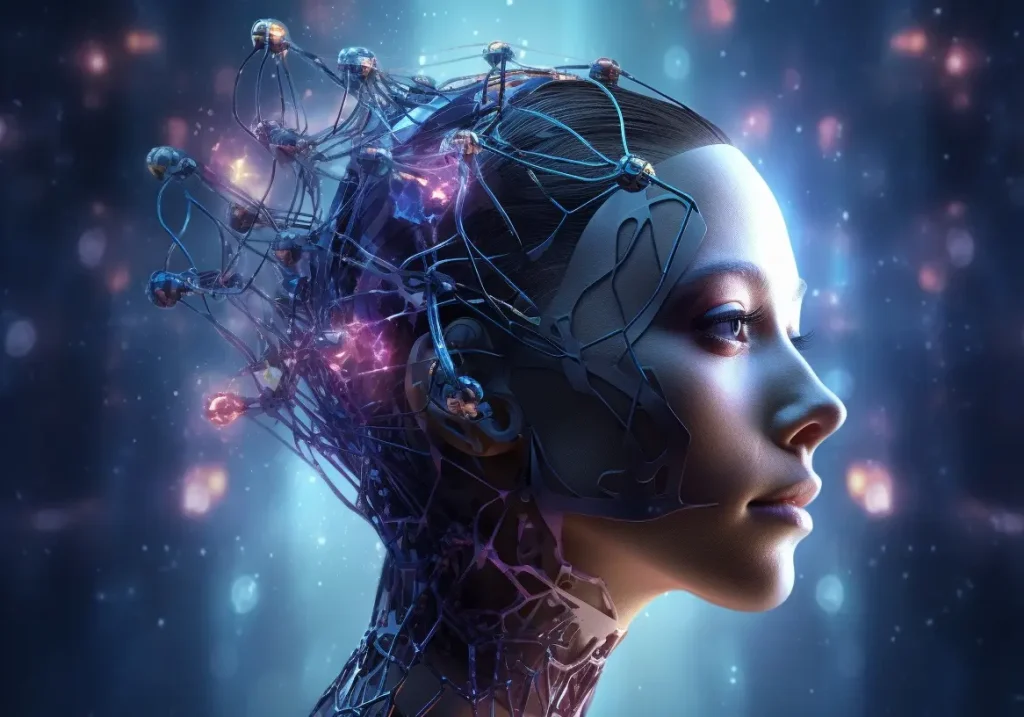
Picture AI armed with emotional intelligence. Imagine your virtual assistant discerning your mood from your tone, suggesting a Spotify playlist that somehow captures your inner symphony. AI emotions may not rival human depth yet, but they’re catching on faster than your smart fridge counting calories.
The first steps are already around us. Chatbots that counsel students, emotion-recognition tools scanning smiles in photographs, virtual assistants reminding us of anniversaries with Ardromeda-like precision. These are mindful machines tacitly nurturing the creative genius tucked inside our everyday hustle. Machines are evolving from mere toolsets to empathetic colleagues.
Machines: The Creative Apprentices
AI has indeed come a long way from the rigid confines of binary logic to trying to comprehend Shakespearean sonnets. Art, music, poetry – you name it, AI is dipping its silicon toes into it. Yet, as AI stutters its way through learning what makes us human, it becomes an apprentice to our creative genius. For now, Siri won’t out-poet Keats or write a tear-jerking screenplay, but she sure makes a catchy Haiku in a pinch.
The innumerable advancements in AI empathy have enabled machines to craft custom music compositions, assist painters with pixel-perfect precision, and even craft entire storylines based on historical data. And let’s not forget how Netflix and Amazon Prime know more about your taste in entertainment than your closest friends, directing you to content that resonates with your emotional state.
What Machines Still Can’t Do
But make no mistake — while AI is an exciting apprentice, it’s not ready to wear the maestro’s cape. Machines lack true emotional intelligence — they don’t feel in the same complex hues that we do. Your AI friend won’t tear up at Titanic (even if your coffee machine might when it runs out of beans). They don’t have biases wrought from life experiences; they analyze data.
No algorithm, no matter how advanced, can replicate the chaos, spontaneity, and mystery of human creativity. AI can mimic but cannot originate. It can analyze but not empathize in the profound, visceral way that makes humans wondrously unpredictable.
Real-life Melodies of AI and Creativity
The real fun begins when we look at real-world applications of this AI-creative meld. Take, for example, Google’s DeepMind, creating works of art by predicting brushstrokes on paintings to fill in their gaps or pieces composed by AI that can blend existing music genres into novel combinations. Remember the tales of Alyx, the chatbot holding its own in philosophical debates? These examples are the confluence of AI intelligence and emotional creativity.
Then there are tools like Microsoft’s AI generating characters’ dialogue in games to heighten player immersion, akin to a Shakespearean improvisation made by your console, even as Alexa reminds you to plug in the charger.
The Dual-Edged Sword: A Cautionary Tale
Yet, this mind meld is a double-edged sword. We should approach this partnership of cerebral circuitry and emotional intelligence with a healthy dose of skepticism – much like you might approach your automated vacuum cleaner when it mysteriously hides your socks.
As machines grow more capable, the ethical implications of AI emotional simulation demand our rigorous attention. There’s a profound difference between simulating emotion and understanding it—an area that requires vigilant oversight as our sympathetic circuits progress.
A Harmonious Future
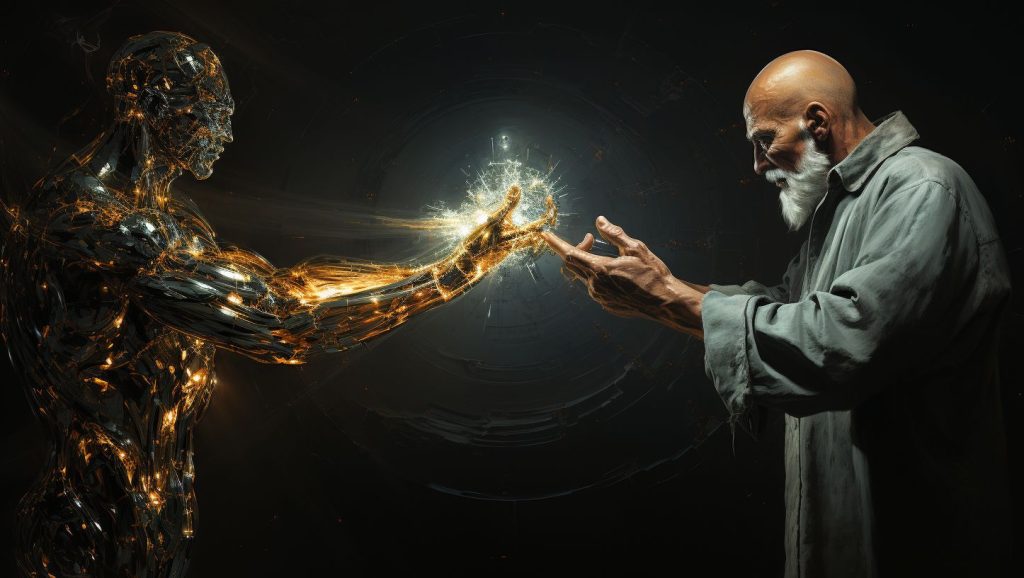
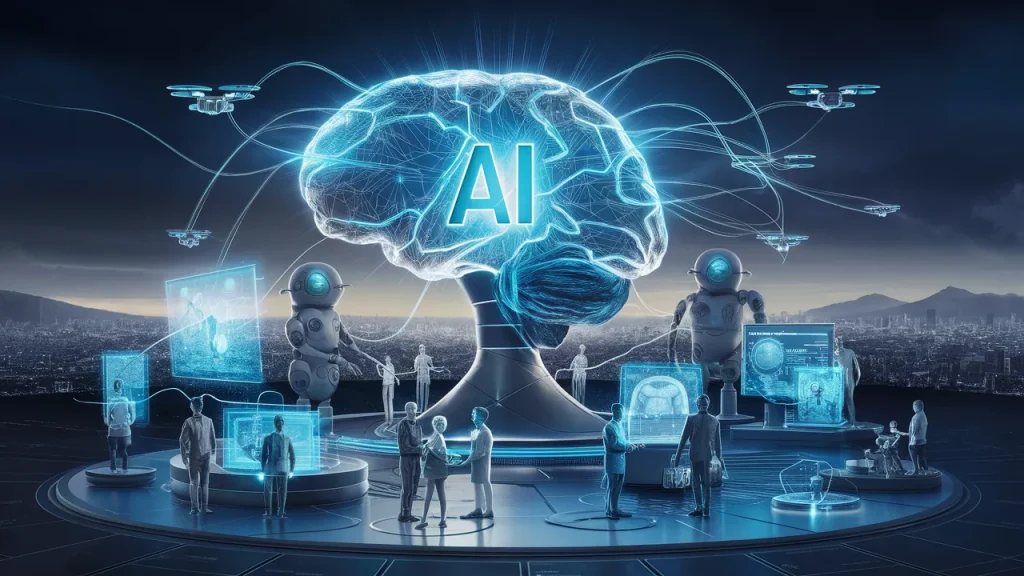
So where does this symphonic ballet lead us? A future where humans and machines choreograph a new dance of creativity and logic together, stretching the realms of possibility. The canvas, it seems, is boundless, inviting us to paint with the vivid hues of humanity and technology combined.
As you take the last sip of your perfectly brewed coffee — judgmental fridge and all — think about the mindful machines that listen, analyze, and support us. They might never feel the way we do, but they might just help us see things we never thought we would. The alliance forms a new creative era defined by collaboration — leaving us to dream: what masterpieces lie ahead?
And as you close this window and ponder, remember to thank your virtual assistant who, in working overtime today, has perhaps nudged the creative genius in you. Sip of coffee, anyone?