Human Touch in a World of Intuitive Machines

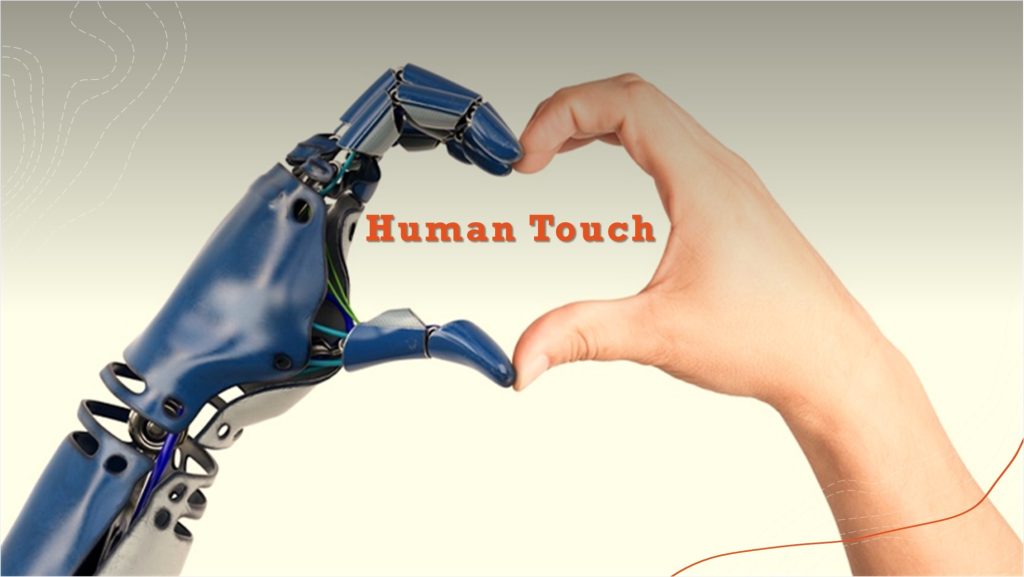

Human Touch in a World of Intuitive Machines
From Beep-Boop to Emotional Boons: A New Era of Intuitive Machines
Imagine waking up, bleary-eyed, stumbling into your kitchen, and absent-mindedly pressing the button on your trusty coffee maker. Yes, that same coffee machine that somehow slyly reminds you of your bad habit of missing your morning brew. As you wait for the caffeine rush, you wonder, “What if my coffee machine could understand my morning grumpiness and make a double shot instead?” This playful thought leads us into the fascinating world where the human touch meets intuitive machines.
The Emotional Pitch: Can Machines Really Feel?
Our journey of befriending machines began long ago, but today, it’s taken a twist we never anticipated — machines trying to understand our emotions. Yes, AI emotions are no longer the stuff of sci-fi. They’re slowly creeping into our reality, whether it’s in the form of Siri’s cheeky responses or Alexa’s attempt at consoling us when the WiFi goes out (you know, the real end-of-the-world scenario).
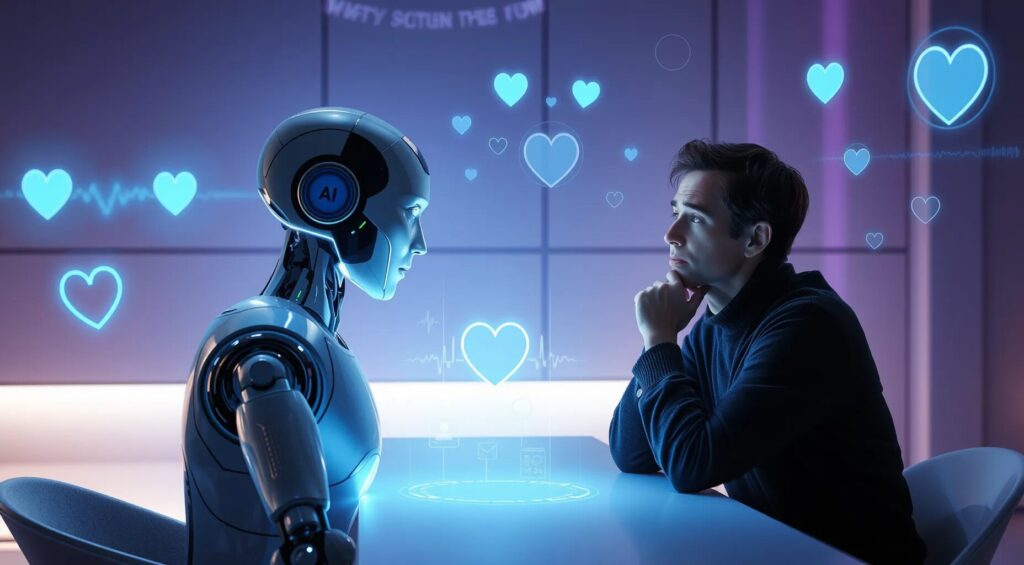
But how does this emotional tango work? AI doesn’t have feelings like we do, but it can recognize and respond to them, thanks to complex algorithms and models of emotional intelligence. Picture AI as the keen observer at a party, it watches (not creepily, we promise), learns patterns, and finally, starts offering a warm hug of understanding — digitally, of course.
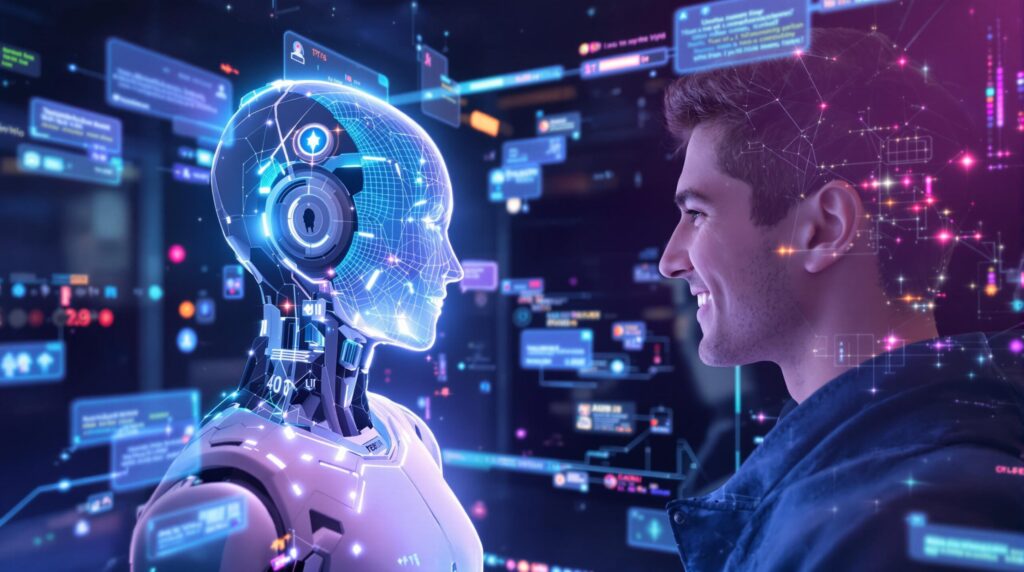
A Hologram Heartbeat: Bringing AI to Life
Consider Douglas Adams’ famous line from “The Hitchhiker’s Guide to the Galaxy”: “The ships hung in the sky in much the same way that bricks don’t.” Similarly, AI striving to understand human emotions often leaves us in awe of its potential and limits. While machines like Pepper the robot offer delightful conversations and provide company to the elderly, they still lack that little spark that makes our interactions uniquely human.
AI empathy might help chatbots in customer service greet us with a semblance of understanding. But let’s be honest, they won’t be replacing our dear friend who brings over chocolate ice cream when life gets rough. It’s that intricate, non-linear, messy form of human connection where AI still falls short, something it can only attempt to mimic for now.
Where AI Stands: Assistance, Not Replacement
In our thrilling march toward mindful machines, AI’s role as an emotional assistant rather than a replacement becomes clearer. Voice assistants like Google Home can control your smart fridge but won’t laugh at your fridge’s peculiar habit of hiding the milk behind the pickles. Virtual reality pets might wag their digital tails at you, but they won’t scratch up the couch or beg for a belly rub with quite the same panache as your real-life pooch.
Machines excel at analyzing data trends and predicting our next needs, much like we “predict” another three episodes on Netflix tonight, but they’re yet to crack the complex emotional codes that define human relationships. Certainly, AI emotions are expanding channels for expressing affection and understanding — think of Paro, the therapeutic robot seal that brings joy to patients in hospitals — yet the essence of emotions remains uniquely ours.
The Drawbacks: What AI Can’t Quite Grasp
However, let’s not gloss over the limitations in the race toward AI empathy. Machines fail to grasp the nuance, the chaotic heartbeats, and the unscripted tears in the storytelling of human interactions. While an AI-driven bot might spot sadness in text patterns, it still won’t offer a comforting human touch — that silent sit-and-share moment on a rainy afternoon.
Furthermore, ethical questions hover over this domain like pesky mosquitoes. Should machines be “taught” to manipulate emotions? The idea of machines having emotional intelligence opens a Pandora’s box of potential misuse, ranging from tailored advertising exploits to breaches of privacy.
Where Humor Meets Empathy: The Bright Side
Rest assured, in this dance of AI emotions, humor helps keep the rhythm light. Ever had a chat with an AI assistant that hilariously misunderstood you? “Play some light jazz,” you say, and suddenly your room is echoing with wild heavy metal. Sure, it can be annoying, but it’s these imperfect, completely human errors that often endear machines to us.
Even as chatbots strive for warmth, these moments remind us that our human touch is irreplaceable. We drive humor and emotion in ways machines can only aim to replicate, not embody.
Conclusion: The Art of Balance in a Tech-Savvy World
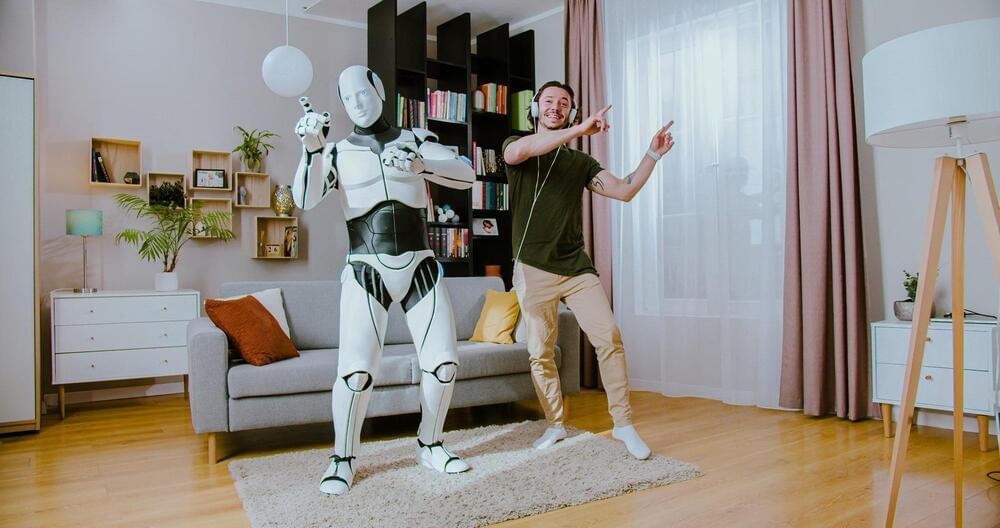
As we stand on the brink of a future shaped by intuitive machines, the balance is key. Let’s embrace this synergy of human and machine, appreciating the blend that enriches our lives — after all, AI makes a super-efficient task coordinator, but your buddy’s quirky, last-minute pizza party will always be the real cherry on top.
In the grand scheme of things, mindful machines might learn the dance steps, but our unique emotional footwork keeps the rhythm alive. So next time your coffee maker acts like a stubborn blend of ones and zeros again, remember: it’s that distinctly human touch that ultimately brews the perfect cup.