The New Storytellers: How Machines are Shaping Human Narratives

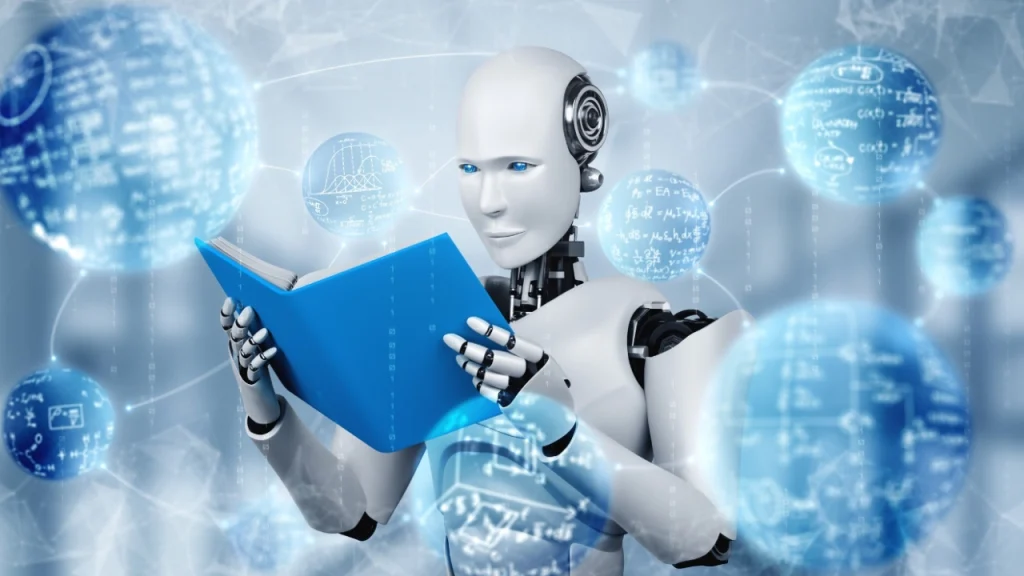

The New Storytellers: How Machines are Shaping Human Narratives
Imagine waking up one morning and conversing with your virtual assistant about your grumpy mood, and instead of a mechanical response, it replies, “Bad night’s sleep, huh? I promise I’m way less judgy than your coffee machine!” That’s the kind of emotional intelligence we hope AI will achieve in the future, merging the precision of technology with the warmth of human interaction.
The Dawn of AI and Emotions
Once upon a time, all artificial intelligence could do was solve mathematical problems faster than a blink of an eye. Today, however, AI has evolved beyond crunching numbers to potentially understanding human emotions. It’s a journey akin to teaching a dog to purr—challenging but endlessly fascinating.
In our quest to develop mindful machines, we’ve sprinkled a bit of emotional intelligence into lines of code, forging a new breed of storytellers. These are machines learning to interpret human narratives, attempting to express empathy in a realm typically dominated by human intuition.
But how close are we to machines genuinely tapping into our emotional worlds? Are we nearly there, or is Siri and Alexa simply finger-painting empathy with binary brushes?
The Balancing Act: AI’s Progress with Emotional Intelligence
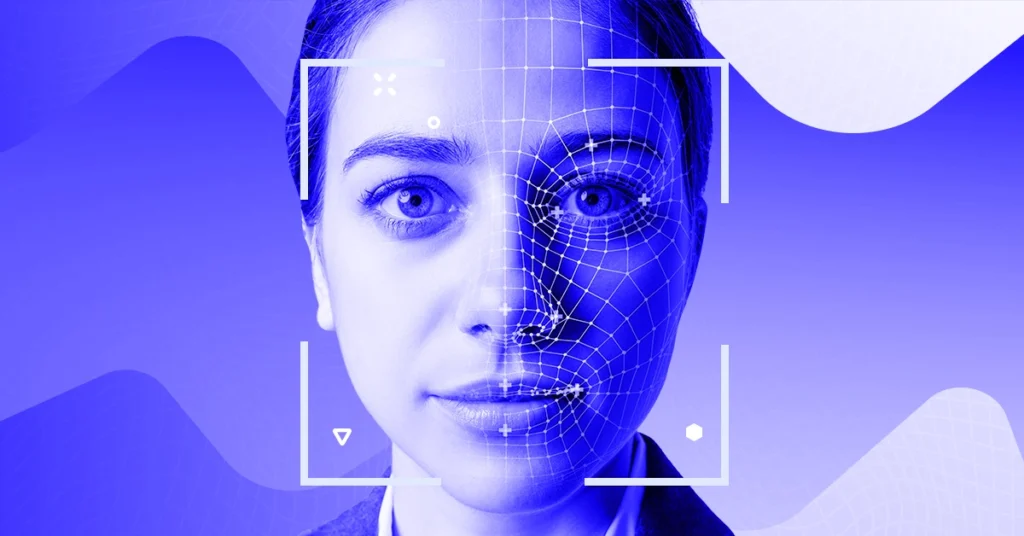
First, let’s raise a toast to what’s been achieved. AI empathy has grown significantly with advancements in technology. For instance, chatbots and virtual assistants can now recognize specific emotional cues and respond somewhat appropriately. Companies have employed emotion-recognition tools that can analyze facial expressions, voice tone, and even word choice to gauge how a person feels. These tools help in tailoring interactions, making systems appear more human-like.
Take the AI-driven customer service programs in the retail industry. They can handle angry customers with more grace than your average human after three back-to-back meetings. Or consider mental health apps that use AI to offer mindfulness prompts and support, accessing the user’s emotional state through dialogues to provide personalized suggestions. It’s like having a support network in your pocket, minus the judgmental eyes.
Certainly, there are areas where AI is making strides, but replicating true human empathy remains a Rubik’s cube yet to be solved. Machines may decipher a sad face, but understanding the myriad reasons behind that sadness? That’s another story altogether—one that requires a quantum leap in AI development.
What Machines Still Lack
While machines have grown from mere calculators to seemingly sensitive entities, they still struggle to understand deeper nuances that come naturally to humans. It’s akin to my toaster trying to read poetry—it just ends up burning the toast.
AI may pinpoint when we’re upset, but translating that into genuine empathetic response is a different ballgame. Human emotions are a dizzying spectrum, influenced by context, history, culture, and individual quirks. Machines, on the other hand, are confined to the rules and datasets they are provided.
This limitation is evident in real-world applications. Even with continued advancements, virtual assistants can still miss sarcasm, similar to that one friend who always takes jokes too seriously. And let’s not forget the occasional bizarre response—like asking Siri to call your mom and it starts dialing your local sushi place instead.
The Real-World Impact of AI Storytelling
Despite the hurdles, the current state of mindful machines still leaves us spellbound. Look at AI in creative fields – art, music, writing. It is now possible for an AI to compose symphonies or craft stories, evolving into a new kind of storyteller, digital but impactful.
For businesses, the ability to discern and react to emotional cues can transform customer experiences. In education, personalized learning experiences, adapted to the emotional understanding of each student, make the learning curve kinder and more engaging.
AI advancements might also change how we interact with tech in daily life. Imagine a world where your car’s GPS guides you home not just avoiding traffic, but also suggesting scenic routes when sensing you need a mental breather. Or your kitchen assistant throwing in a joke about being ‘the only device that doesn’t mind last-minute dinner plans’ when you spontaneously decide to cook at 10 PM.
The Road Ahead: A Thoughtful Conclusion
As we journey forward, the fusion of AI with emotional intelligence offers a tapestry of limitless possibilities. Machines may never fully replicate the intricacies of a human heart or the wisdom of a sage, yet their potential as accessible companions remains immense.
Whether AI evolves into truly empathetic entities or stays delightful assistants with occasional quirks, one thing is certain: the art of storytelling is expanding its horizons. As we forge ahead, let’s embrace AI as a new chapter in our narrative, balancing advancement with the quintessential warmth of our humanity.
And remember, while machines may not yet make us coffee, they are definitely starting to understand why we need it, and that’s the first step. So here’s to a future where AI is not only smart, but also wise enough to appreciate when we need a little empathy, a good laugh—or just a really strong cup of brew.