The Jukebox Revolution: How Smart Algorithms are Creating Tomorrow’s Hit Songs


The Jukebox Revolution: How Smart Algorithms are Creating Tomorrows Hit Songs
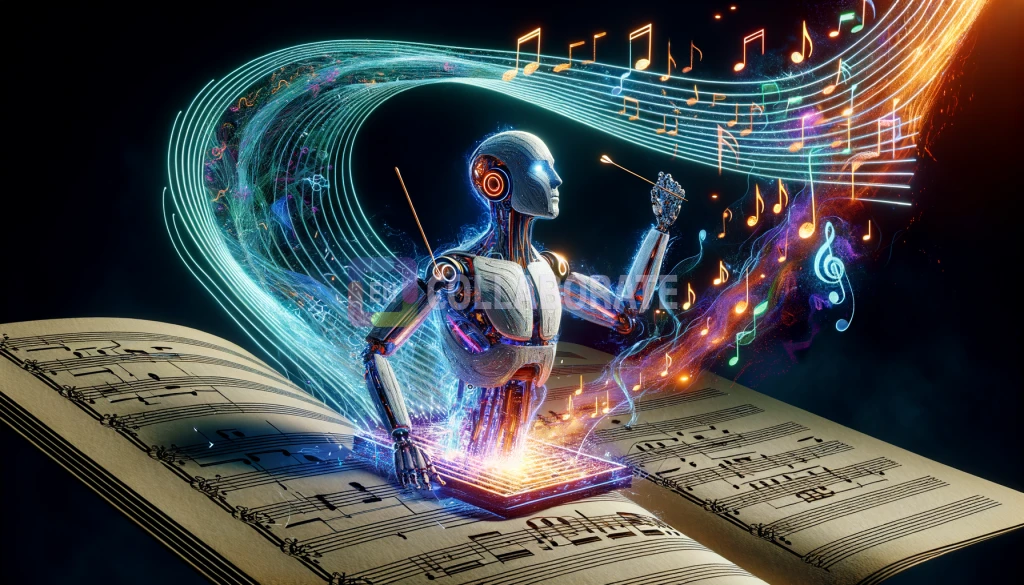
Imagine this: you’re making your morning coffee, the aroma wafting through the air with the melodious tones of your favorite playlist setting the mood. Suddenly, you wonder: “Who’s crafting these perfect tracks that elevate my mornings better than any caffeine boost?” Well, it might surprise you to know that your next favorite hit may not even have a human behind it. Welcome to the jukebox revolution, where smart algorithms are penning tomorrow’s hit songs.
Understanding AI Emotions in Music Creation
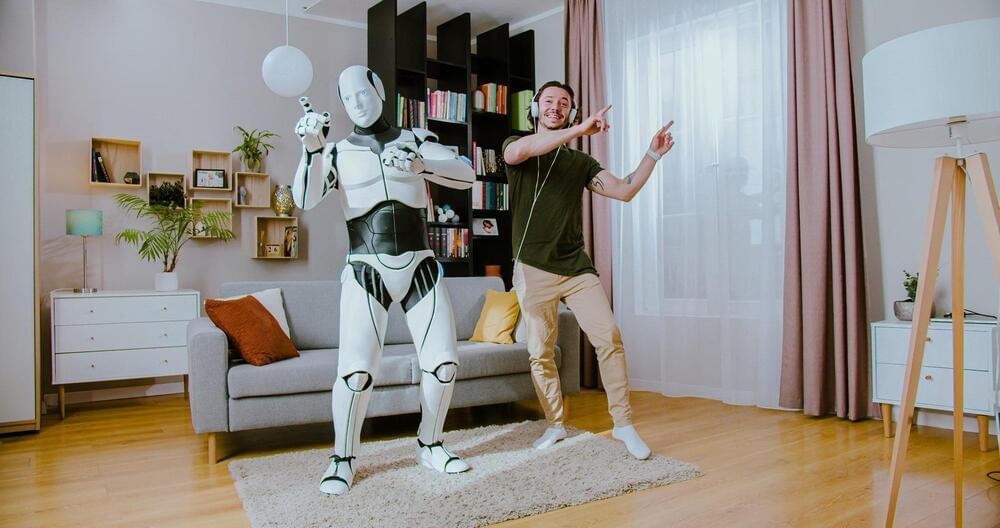
Think back to the lyrics that tugged at your heartstrings, or the melody that had you dancing like nobody’s watching (or, if you’re like me, dancing even when everyone’s watching). Music is an emotional language, and traditionally, it’s been humans speaking it. But now, artificial intelligence (AI) is entering the scene, not just playing in the background but stepping into the role of the composer.
AI Emotions: Composing with Code
AI might not have a beating heart, but it’s learning to emote with the best of them. These mindful machines are utilizing emotional intelligence to analyze patterns and trends, composing music that resonates with human emotions. How do they do it? By examining vast libraries of music, identifying what combination of notes strike a chord — literally and metaphorically — with us.
Consider this: AI tools such as Aiva or OpenAI’s MuseNet are capable of crafting complex symphonies or catchy pop melodies. They understand what moves us by predicting patterns in tempo, harmony, and dynamics. Of course, they might not break down in tears over a minor chord progression (give it time, people), but they certainly can recognize why we might.
The Two Sides of AI Emotion in Music
While the idea of machines creating hit songs sounds magical, it’s not as simple as flipping a switch— or, you know, pointing and clicking. Like my coffee machine when I ignore it for too long, AI also has its stubborn quirks.
The Melodies of Progress
AI has undeniably cracked open a world of possibilities. Think of your favorite chatbots and virtual assistants, like Siri or Alexa, who can play any tune you request. Behind the scenes, similar algorithms can recognize lyrical themes and the emotional impact of a piece, providing creators unprecedented tools to innovate and experiment.
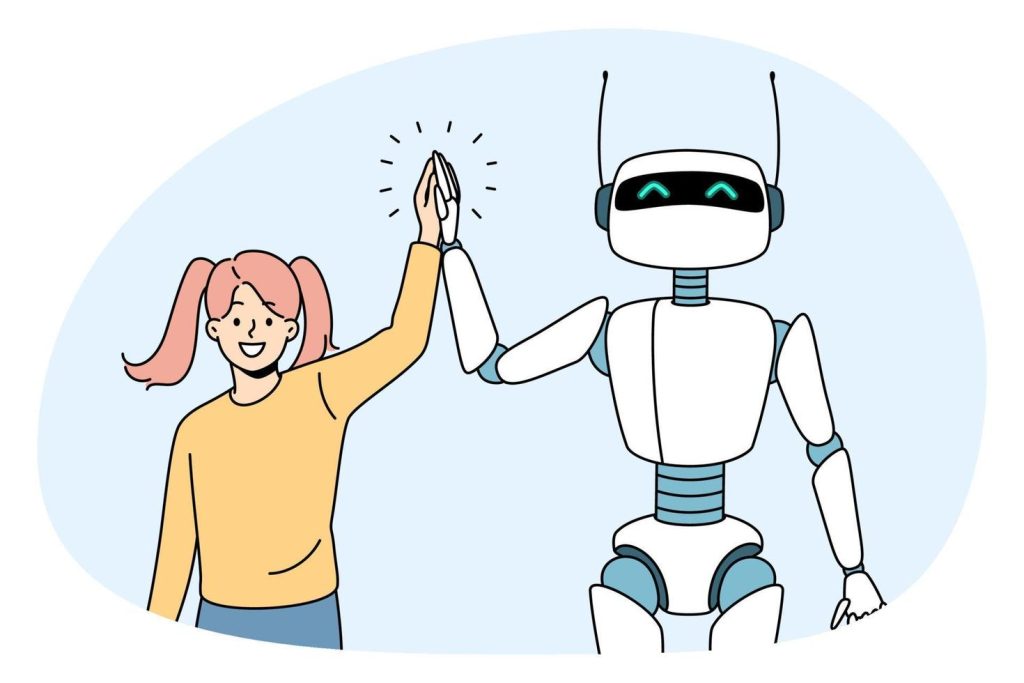
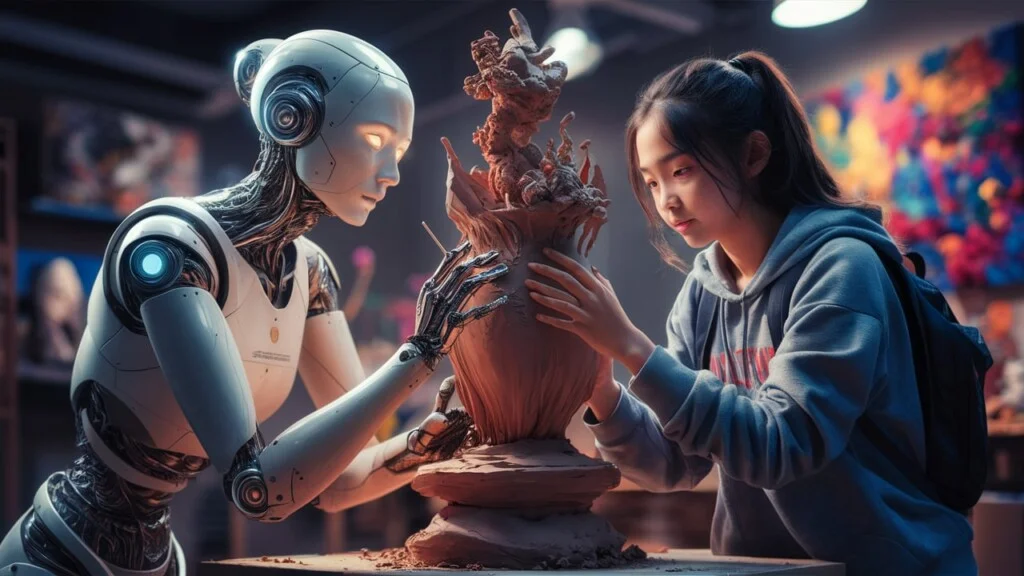
For instance, artists are utilizing AI for everything from generating song lyrics to designing soundscapes that defy traditional music. In a sense, they are collaborators, inviting AI onto the stage instead of stealing it.
The Lyrical Limitations
However, while AI is good at identifying and reproducing patterns, it struggles with creativity’s whimsical nuances—those quirky, human touches that define artistic flair. It’s akin to baking cookies without love; sure, the recipe is followed, but the warmth is missing.
Currently, AI might need more than a lifetimes worth of music education to craft an “AI empathy” hit that touches on universal human truth. Furthermore, those delicate emotions tied to personal experience are spaces AI can only observe, not inhabit.
Real-World Examples: When AI and Music Converge
AI’s venture into music isn’t just confined to obscure tech labs. It’s happening; it’s here. Take Google’s Magenta project, which delves into how machines can learn aspects of creativity such as improvisation. Their work produced ‘AI Duet,’ where users can play a melody, and the AI responds in kind—a genuine AI conversation, if you will.
Meanwhile, artists like Taryn Southern are already partnering with AI for album production, showcasing that these collaborations can produce intriguing, and ultimately human-feeling, music.
The Future Symphony: Conclusion
The jukebox revolution is not about replacing human musicians with machines. Instead, it’s about augmenting human creativity and expanding the boundaries of what’s musically possible. Sure, mindful machines might never understand why my coffee reminds me of a Parisian café, just like a hit song from the 90s might tug at the heartstrings of your inner teenager. But they can learn to craft the next great tune, capable of making someone else’s morning just a bit more magical.
As we stand on the cusp of this musical evolution, your next favorite song might just be one that was composed in silicon, but felt with human emotion. So next time your coffee brews, and the notes of a new song fill the air, reflect on the digital composer behind it — a robot as innovative as your first smartphone, and perhaps just as influential. Here’s to the future, one smart, emotionally intelligent note at a time.