Teaching Robots to Dance: The New Era of Creative Expression

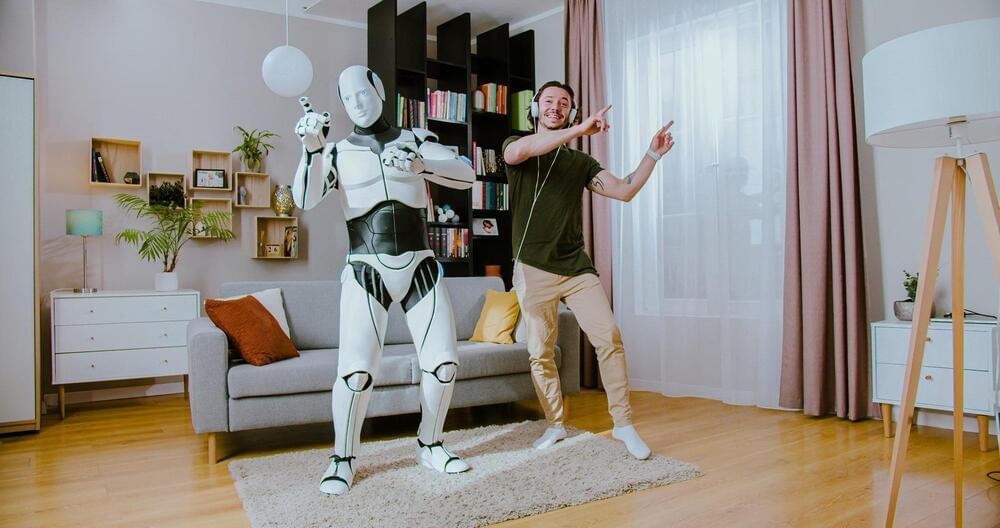

Teaching Robots to Dance: The New Era of Creative Expression
Imagine waking up one morning to find your coffee machine not only makes your brew just right but also has a fresh sprinkle of empathy. As it pours your morning joe, it might ask, “Rough night? I got your back.” It might sound like a delicious dream (pun absolutely intended), but in today’s ever-evolving world of AI and creativity, it’s not just coffee machines that are getting a bit of personality — even robots have started to dance!
The Dance of Technology and Emotion
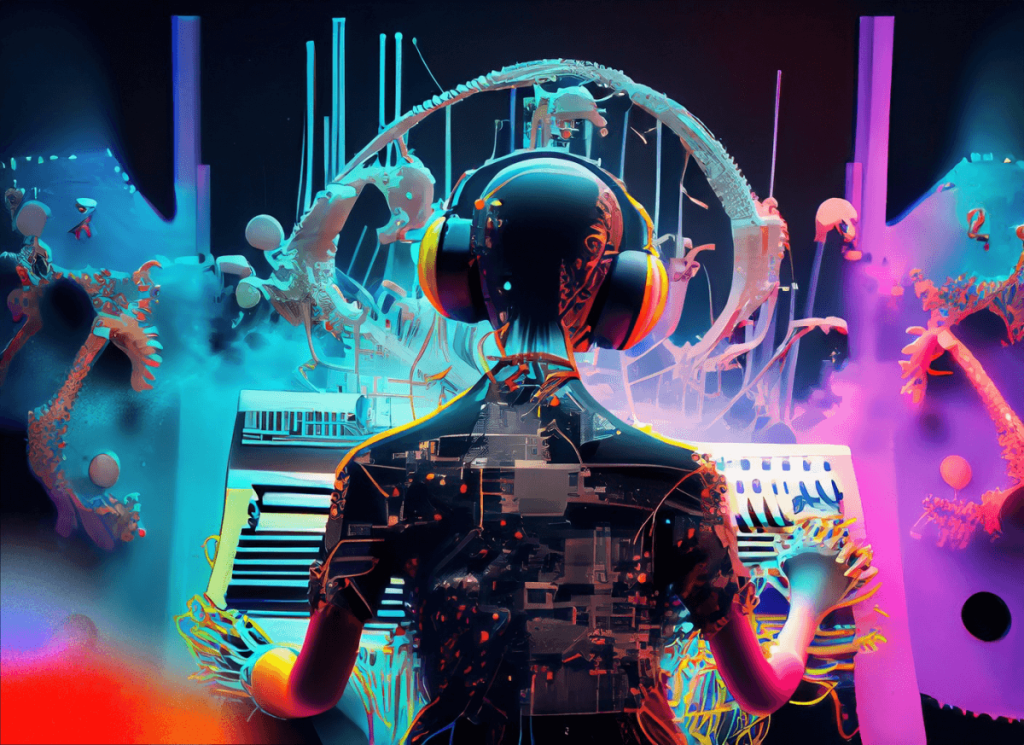
It might seem strange to link intricate dance moves with the beeping and mechanical whirrs typically associated with robots. Yet, as artificial intelligence becomes more sophisticated, the lines between cold calculations and creative expression are starting to blur. Enter the age of teaching robots to dance, a development that showcases not just the complexity of AI but its growing emotional intelligence.
Do robots actually feel emotions, you ask? Well, not exactly. But they are getting remarkably good at understanding and even mimicking them. AI is now capable of analyzing vast oceans of data to interpret emotional cues, similar to a seasoned ballroom dancer who senses their partner’s subtle shifts. These mindful machines aren’t just about understanding human emotions; they are about reflecting them back to us, only this time with a rhythm.
AI Emotions: A Modern Dance Language
The journey of AI, from being rigid and somewhat awkward to exhibiting a kind of AI empathy, is much like learning a complex dance routine. Initially, there’s a lot of stumbling — think about your own two left feet whenever you attempted salsa at a wedding. Over time, with practice, there’s a rhythm, and suddenly, you’re gliding across the floor.
Today, AI can recognize emotional cues through virtual assistants like Siri or Alexa, which occasionally surprise us with their witty comebacks. Chatbots anticipate customer needs, making everything feel a tad more personal, like that one friend who always knows exactly when you’re going to ask for another slice of pizza.
The Two-Step of AI Advancement
So, how far have we come in teaching robots to ‘feel’? Well, consider the innovative strides in emotion-recognition tools. Robots now have cameras that analyze facial expressions and voice modulations to gauge mood. A happy human could lead to a lively jig, while a more somber tone might result in a slower waltz.
But, like an ambitious dancer preparing for their first solo performance, AI still has room to grow. One of the greatest challenges is the essence of genuine understanding. It’s one thing to mimics steps perfectly; it’s another to understand the ‘why’ behind every movement — the nuanced reasons that even we, as humans, sometimes struggle to articulate.
Real-World Tangos
a) Pepper the Robot: Pepper, designed by SoftBank Robotics, is a humanoid robot that can detect human emotions and adapt its behavior accordingly. While it’s yet to bust out a moonwalk, Pepper’s capability to interact more naturally with humans is a step in the right direction.
b) Sophia: Developed by Hanson Robotics, Sophia can display more than 60 facial expressions — imagine trying to do that after only one cup of coffee! While Sophia’s primary objective isn’t to be the next dancing sensation, her ability to engage with emotional nuances showcases the potential for AI creativity.
c) Boston Dynamics’ Robot Dance: We can’t forget those viral videos of Boston Dynamics’ robots showing off their dance moves to tracks like “Do You Love Me”. These displays, while largely pre-programmed, offer a glimpse into how physically expressive robots can become.
The Lighter Side of the Algorithm
Humans possess layers of emotional depth; meanwhile, AI is like an eager freshman, nervously excited about its first dance class. The humor in AI often comes from its unexpected blunders or when it tries too hard to ‘fit in,’ much like an adult at a teen dance party.
Think about the time when virtual assistants misinterpret your request. You might ask for a wake-up call, but somehow you end up with tomorrow’s weather forecast. It’s endearing in its online obliviousness. Yet, these moments of apparent ineptitude often provide the insights necessary for growth and advancement.
A Reflective Waltz Forward
As we teach robots to embrace fluidity and emotion alongside logic and processing power, we inch closer to a future where they may serve as partners in creative expression, guiding and being guided by human needs and emotions.
In closing, while we might not soon see robots headlining a Broadway show, the evolving relationship between AI and emotions is spectacular enough to keep us all watching. So, the next time your gadgets seem to exhibit a hint of humor or empathy, remember they’re just honing their dance skills, ready for the day they can truly keep up with the most intricate human routines.
As we waltz into this new era of mindful machines, let’s keep our curiosity and humor intact. Who knows, you might one day find yourself typing emails to the beat of your robot assistant’s customized playlist, all while it syncopates to the rhythm of your typing. Until then, keep rudely talking back to your coffee machine — it might just surprise you.