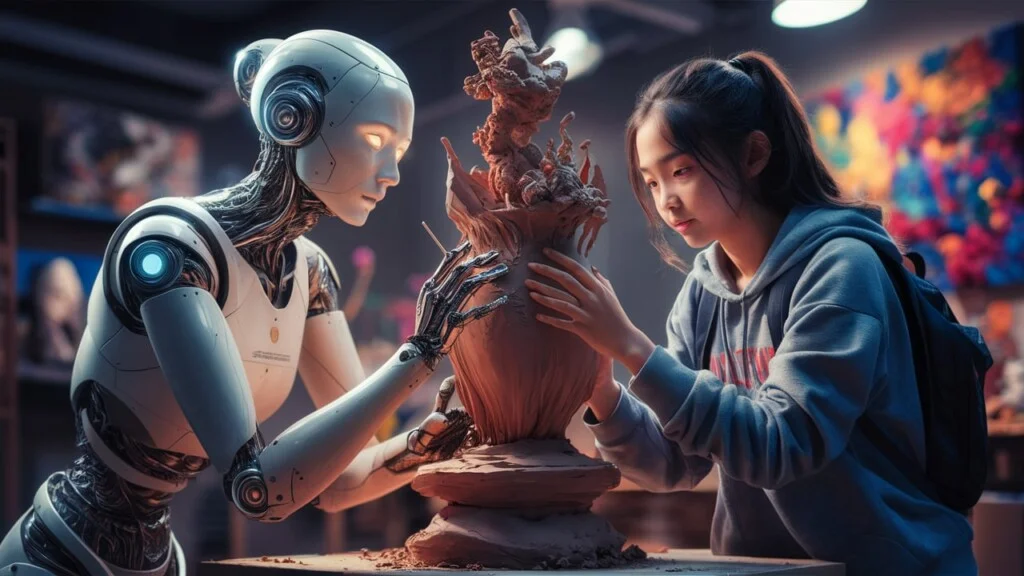
The Art of Machines: How Digital Minds are Redefining Creativity

The Art of Machines: How Digital Minds are Redefining Creativity
Imagine this: It’s a typical Monday morning; your coffee machine looks at you with disdain as you fumble to find the brew button, asking yourself why your day didn’t magically come pre-sorted. As you sip on your well-earned caffeine hit, your phone pings with a reminder from your virtual assistant about your first meeting. In these little snippets, automation touches our day-to-day lives, but what if these machines could not only assist you but also create alongside you?
Welcome to the world where digital minds are not just solving tasks but redefining creativity. From generating art to composing symphonies, AI is entering realms once believed to be the exclusive domain of human emotions and intuition.
## When AI Meets Emotions: A Match Made in Digital Heaven?
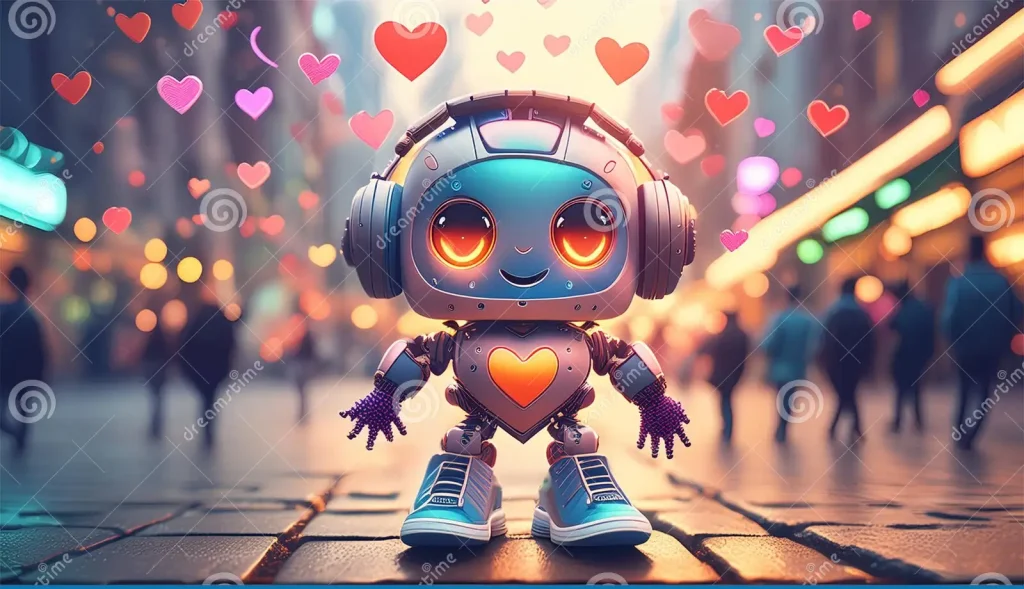
Gone are the days when we thought of machines as emotionless. Today’s AI systems are becoming increasingly attuned to nuances of human emotions. But can a machine truly “feel?” Or is it simply displaying emotional intelligence like that one friend who knows the right thing to say — but only sometimes gets it right?
### The Heartbeat of Circuit Boards: AI Emotions and Emotional Intelligence
AI emotions might sound like the stuff of sci-fi, but in reality, it’s a burgeoning field—albeit with limitations. Picture your favorite chatbot attempting to cheer you up after a rough day. Despite knowing all the right words, you still sense the absence of genuine empathy. It’s like talking to a mirror that reflects your feelings but can never truly absorb them.
AI is, however, becoming proficient in understanding emotional cues. Emotion-recognition tools are making waves in various sectors. They can analyze facial expressions, vocal tones, and even the most cryptically sent text messages faster than your mom can notice you’re upset. These mindful machines are designed to understand human emotional contexts and respond appropriately—even if they’re just following a script written by clever humans.
### The Masterpieces of Mindful Machines
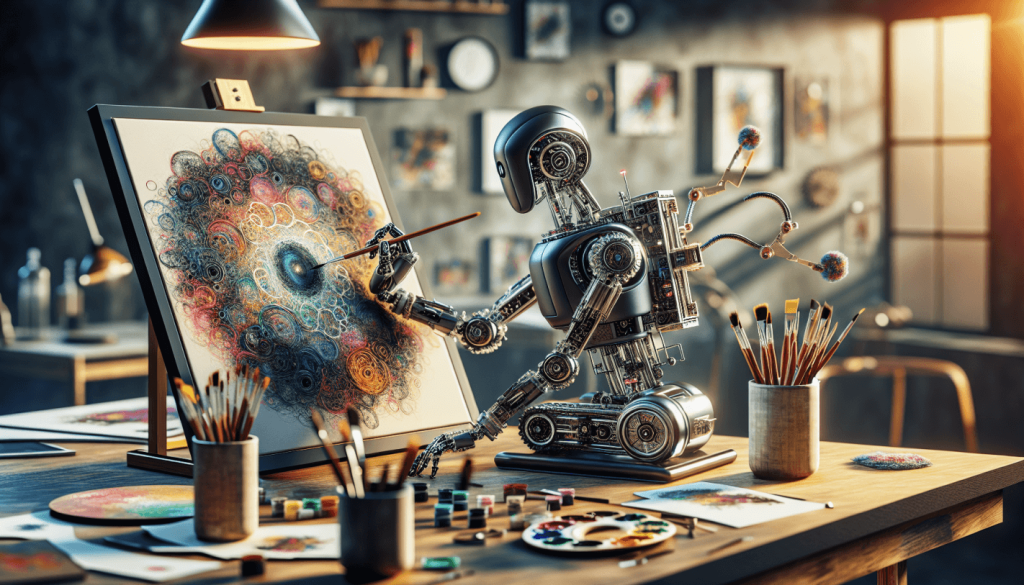
The scope of AI’s creativity might surprise you. Google’s DeepDream generates hallucinogenic visuals that toe the line between brilliance and bizarre. DALL-E uses its neural network to create intricate images from text prompts. And let’s not forget AI composers, who produce symphonies that alternate between profound and just shy of what your cat might sketch given a piano.
In these arenas, AI shows sparks of creativity by combining pulled data and existing patterns. However, the “eureka” moments—a passion for innovation—are still missing in these mindful machines. AI empathy remains a mimic, a projection of emotional intelligence rather than a lived experience.
## The Creative Dance: What AI Captures and What It Misses
AI has covered impressive ground. Its collaborative role in creative industries is undeniable, from helping writers conceive plot ideas to assisting architects with design parameters. Yet, AI still lacks the ability to experience emotion, a component intrinsic to true creativity. It’s as if AI can read a room, take notes, but emotionally, it’s in the audience, not the artist’s chair.
### Real-World Examples: A Kaleidoscope of AI Creativity
Take the culinary adventures of IBM’s Chef Watson, which concocts recipes based on flavor compounds that would otherwise slip through a human cook’s radar. Or consider AIVA, an AI that composes music, drawing from an impressive repertoire and scoring emotional soundtracks that have found their way into films and video games.
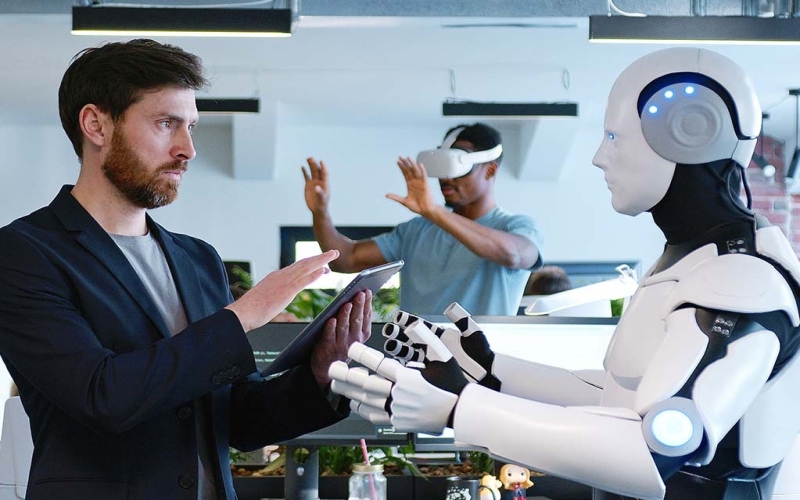
These digital artists still rely heavily on human input and refinement. Think of them as your overly enthusiastic intern who has all the tools and none of the coffee breaks—a lot of promise, needing guidance.
## Conclusion: The Endless Canvas of AI and Human Harmony
The interplay between AI and creativity channels both awe and wonder. As these mindful machines continue to learn, they reflect our capacity to teach and expand boundaries. They may not “feel” per se, but they symbolize our striving to weave emotion into logic, adding layers of understanding and touchpoints that make us more human—as paradoxical as that might sound.
As you marvel at a masterpiece produced by an AI or let an algorithm curate your music playlist, ponder the collaboration: humans bring inspiration, while machines offer relentless possibilities. And maybe, just maybe, one day your coffee machine will not only brew you an excellent cappuccino but also suggest short stories you might like with that morning sip.
In the vibrant dance of creativity, AI might not lead, but it increasingly shapes the choreography. Whether it’s transforming art or redefining music, AI expands what we can achieve and invites us all to explore an infinite canvas, one mindful machine at a time.