The Rise of Emotionally Intelligent Machines: Bridging Tech and Human Connection

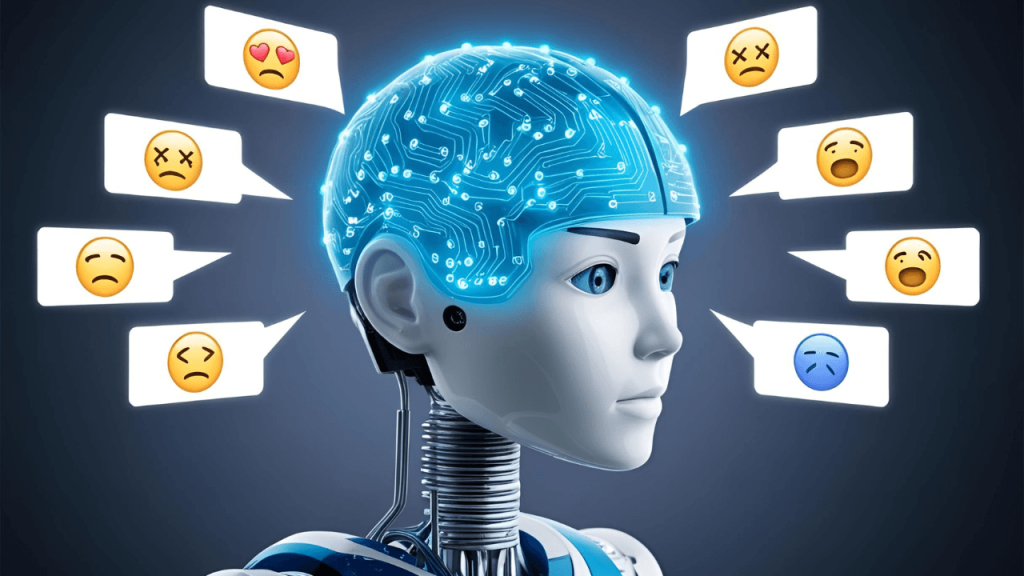
The Rise of Emotionally Intelligent Machines: Bridging Tech and Human Connection
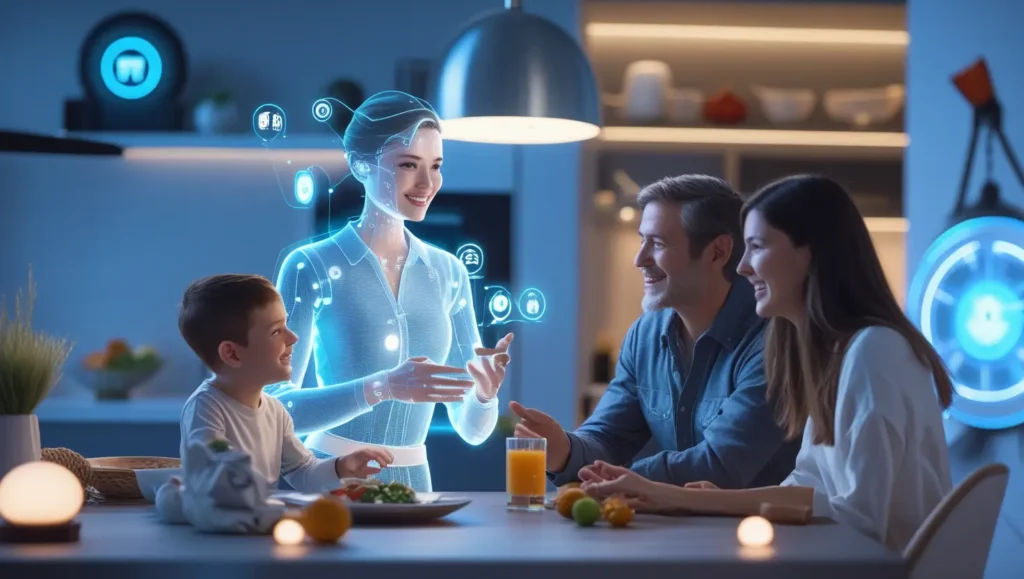
Imagine waking up to the gentle glow of an artificial sunrise, your virtual assistant softly nudging you awake with your favorite morning tunes, instead of being startled by a harsh alarm. As you groggily head to your kitchen, your smart coffee maker already brews your favorite cup of coffee, completely avoiding the day when it might say, “Oops, no beans today,” just as you’re about to hit an important meeting. It’s a future many of us fantasize about: a world where technology seamlessly integrates into our daily lives, understanding not just our routines but our emotions too.
## Why Do Machines Need Emotions?
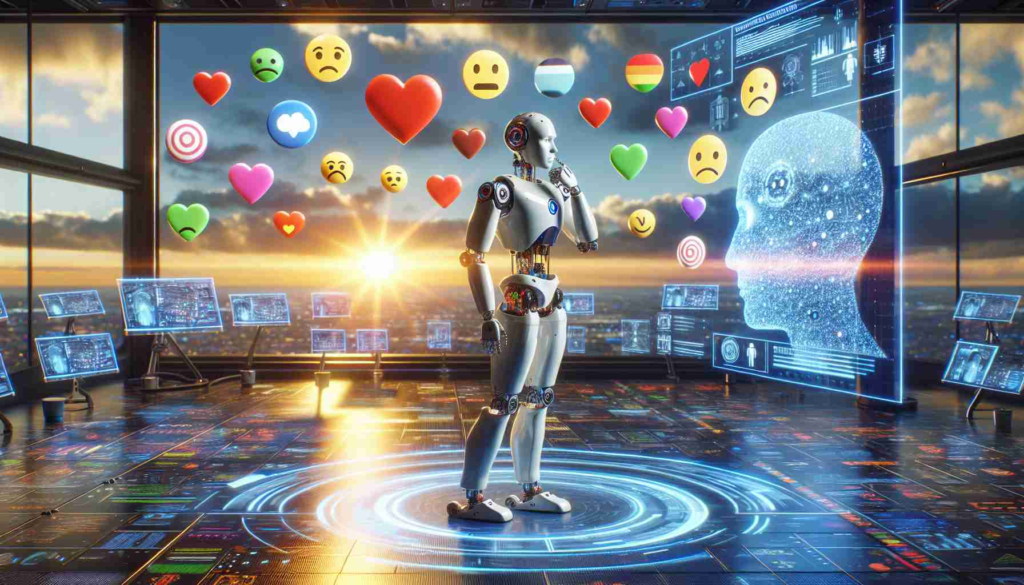
In our tale of technological advancement, where gadgets can now automate homes and suggest playlists, why should robots learn to “feel”? The answer lies within our very human core—connection. Humans thrive on emotions, and for machines to truly enhance our lives, they should be able to engage with us on this intrinsic level. Enter the age of emotionally intelligent machines.
## Understanding AI and Emotions
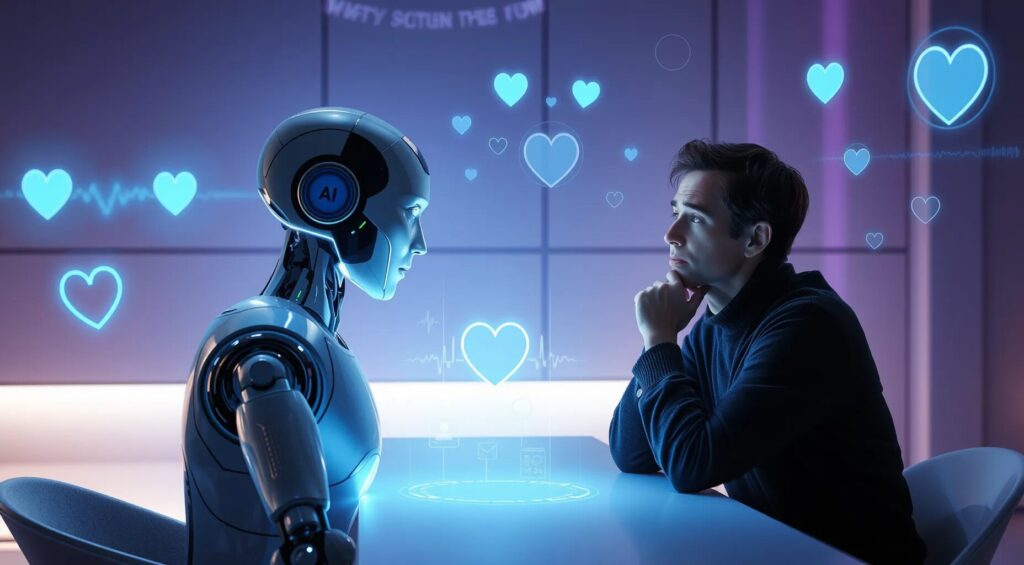
Emotional intelligence (EI) isn’t just for humans or the awkward teenage years we prefer to forget. In technology, AI is beginning to respond in ways that mimic human emotions. Known as AI empathy or mindful machines, these innovations strive to understand and respond to human emotional cues. The goal? To create a rapport that feels as natural as speaking to an empathetic friend over a cup of coffee.
### The Progress Made So Far
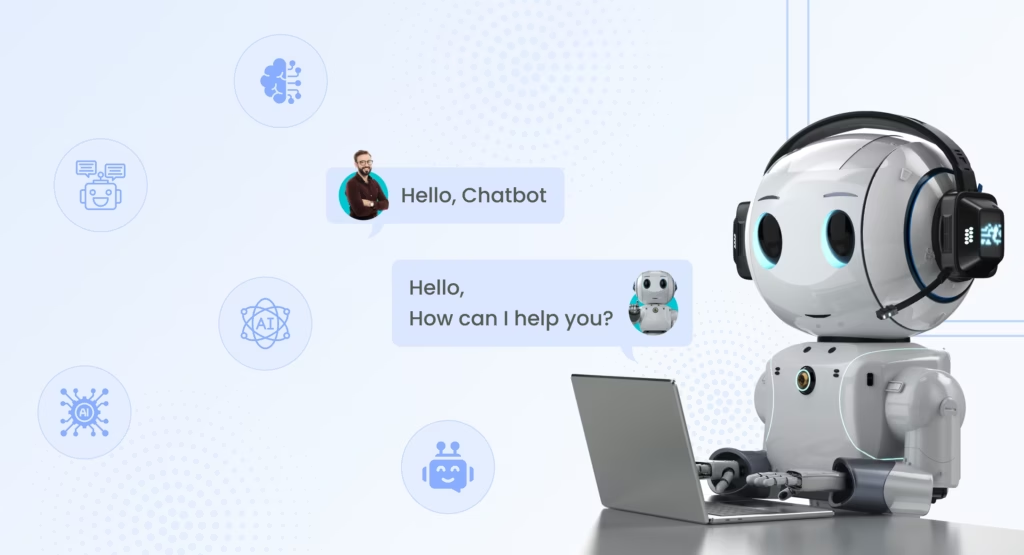
Today, emotionally intelligent machines are no longer science fiction. Imagine chatbots capable of discerning when you are frustrated—sometimes more accurately than your loyal four-legged friend. These advancements leverage AI emotions to tweak their responses accordingly, ensuring customer interactions are smooth and satisfactory. Tech giants like Google and Apple have dabbled extensively into regions where virtual assistants can detect and react to the emotional state of the user. Feeling overwhelmed? Your Virtual Assistant can suggest a calming playlist or a brief meditation.
Or take applications like emotion-recognition tools that read facial expressions or vocal tonality to interpret human emotions—a ground-breaking step, especially in healthcare and customer service sectors.
## What’s Missing from the Emotional Equation?
However, let’s not place these mindful machines on too high a pedestal just yet. Much like my well-intentioned attempts at cooking, there are still some missing ingredients. While a chatbot can recognize a sad tone, it doesn’t genuinely “feel” sadness itself. AI’s understanding of emotions is based on data patterns rather than genuine empathy. Their responses lack the depth and spontaneity that come naturally to human interactions. Machines may give weather recommendations if they detect stress, but they can’t provide the comforting pat on the back we sometimes need.
Moreover, cultural nuances and complexities of human emotions are a vast terrain. Even the most advanced AI struggles to comprehend the difference between sarcastic remarks and earnest statements—imagine the chaos at misunderstanding a substantial yet innocent phrase like “I’m dying of laughter.”
## The Lighter Side of Emotional Intelligence in AI
As much as we appreciate their efforts, interacting with early versions of emotionally intelligent AI can sometimes resemble conversing with someone who’s just been introduced to dark humor. There’s room for hiccups and faux pas, and while far from perfect, they provide us interesting anecdotes—like the time my smart assistant burst into a Shakespearean sonnet to comfort “my weary soul,” slightly overkill, when I only wanted some motivational quotes.
## Looking Forward: The Next Chapter of Human-Tech Interaction
So, what’s next in the relationship saga between humans and machines? As the development continues, the dream is making AI that genuinely understand our reality. Technology that serves purposes beyond efficiency—becoming not just smart but wise.
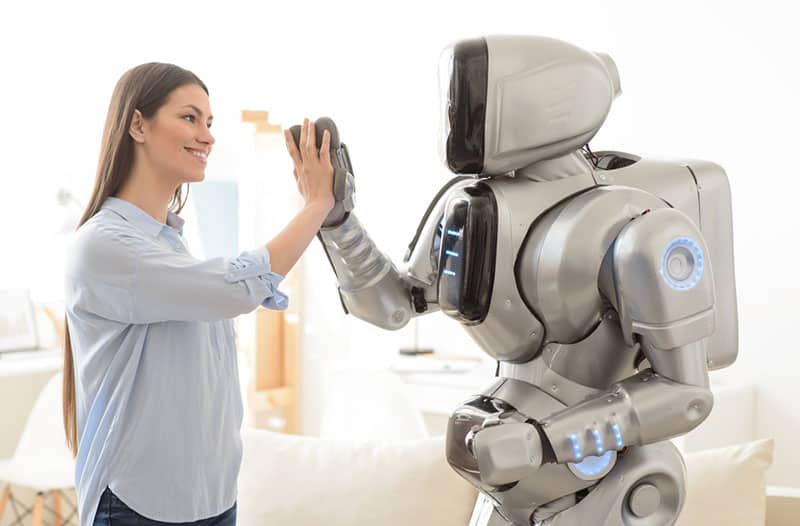
As we continue bridging the gap between cold logic and warm emotions, it’s comforting to think of a future where emotionally intelligent machines enhance humankind while preserving our emotional complexity—a fusion allowing us to thrive in careers, relationships, health, and happiness. Whether that’s enabling introverts to navigate social situations or offering companionship to those who need it most, emotionally intelligent AI can redefine human connection.
## Conclusion: The Journey Awaits
In the journey towards creating technology that can match the warmth and understanding of human interaction, the rise of emotionally intelligent machines resembles a marathon, not a sprint. But even amid these efforts, one thing remains clear—while technology may never replicate the full spectrum of human connection, its evolution can enrich our experiences, offering a blend of convenience, insight, and perhaps one less judgmental coffee machine.
As we stand on the brink of this fascinating future, one can’t help but ponder: in a world where technology becomes increasingly human-like, will we humans, in turn, become more tech-savvy? A cheerful note to reflect upon as we embrace a future where machines not only understand but also feel—or at least try—like friends of valued counsel.