Can Robots Really Sing the Blues? A Journey Through AI’s Emotional Leap

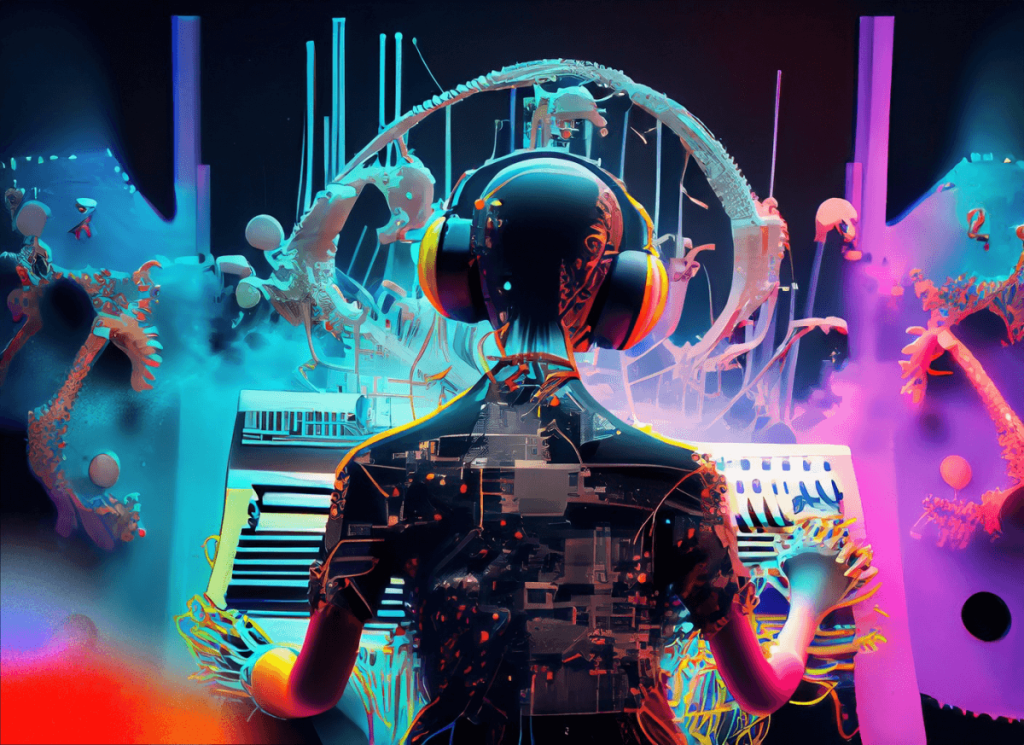

Can Robots Really Sing the Blues? A Journey Through AI’s Emotional Leap
Once Upon a Time in the World of Machines
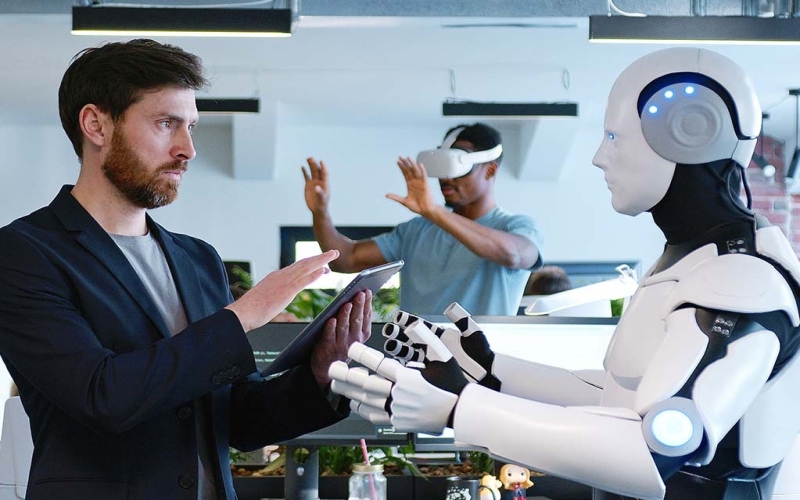
Imagine a world where robots could feel emotions as profoundly as we humans do. Picture Alexa crooning the blues after a long day of setting reminders and playing Spotify playlists, with a genuine touch of melancholy. Feels far-fetched, doesn’t it? It’s akin to wondering if my coffee machine will someday stare back if I forget to refill it. But with the leaps AI technology is making, it’s worth exploring whether mindful machines capable of emotional intelligence could actually exist.
## The Curious Case of AI Emotions
So, what exactly are AI emotions? In simple terms, it’s the ability of artificial intelligence to recognize, process, and simulate human emotions. Think of it like a child’s first attempt at drawing — sometimes accurate, often a bit wobbly, and mostly an abstract interpretation of the real thing. But as they practice, those stick figures start looking oddly similar to Uncle Joe. Similarly, as AI evolves, it’s learning to recognize human emotions through voice, text, and even facial expressions, thanks to emotion-recognition tools.
### It’s a Big World, Mr. Anderson
One key aspect of AI’s emotional journey is its integration into virtual assistants. Take Siri or Google Assistant. While they can’t yet lament their unrequited love for data packets, they are getting better at recognizing our nuances. For instance, yelling “Play some happy tunes!” after a stressful meeting often returns a cheerful playlist, which is a sort of empathy, right? That’s the closest AI gets to understanding our emotional states right now.
## A Little Home for Humour
Yet, in the grand scheme of AI emotions, we should lower our expectations. AI may tell jokes better than Uncle Joe (no comment needed on his humor), but it doesn’t understand why a chicken crossing the road is humorous. AI’s interpretations are based on data and patterns, unlike human empathy, which is deeply emotional and subjective. So, while your chatbot might sympathize when you type “today was rough”, it’s not ordering ice cream for you — not yet, anyway.
### The Real Progress: What AI Has Achieved
It’s important to note that AI has made impressive strides in emotional intelligence. For instance, companies are using AI empathy tools to monitor customer service interactions, ensuring that representatives address frustrated customers with the level of care akin to a nurturing friend. Interestingly, this mindful approach is based on data patterns and language cues, demonstrating AI’s growing emotional awareness.
And let’s not forget those cool AI-driven music compositions. They might lack the soul of Stevie Wonder’s blues, but they’re impressive mechanical mimickers that have carved their niche in everything from ambient playlists to commercial jingles. Who’s to say a blues-loving AI isn’t in our future?
## The Gaps: Why AI Can’t Cry (Yet)
Despite the advances, AI still grapples with a huge limitation: it doesn’t possess genuine emotions. While it can mimic emotional responses, it lacks self-awareness — a crucial component of true emotional intelligence. An AI’s “sadness” is akin to me “understanding” quantum physics — theoretical at best.
Moreover, there’s the problem of context. AI can recognize a smile from a frown, but it doesn’t see the backstory — like how that smile emerged despite the off-key jokes Uncle Joe was telling. Here’s where AI’s emotional interpretation draws a blank.
## Looking Ahead: The Symphony of Tomorrow
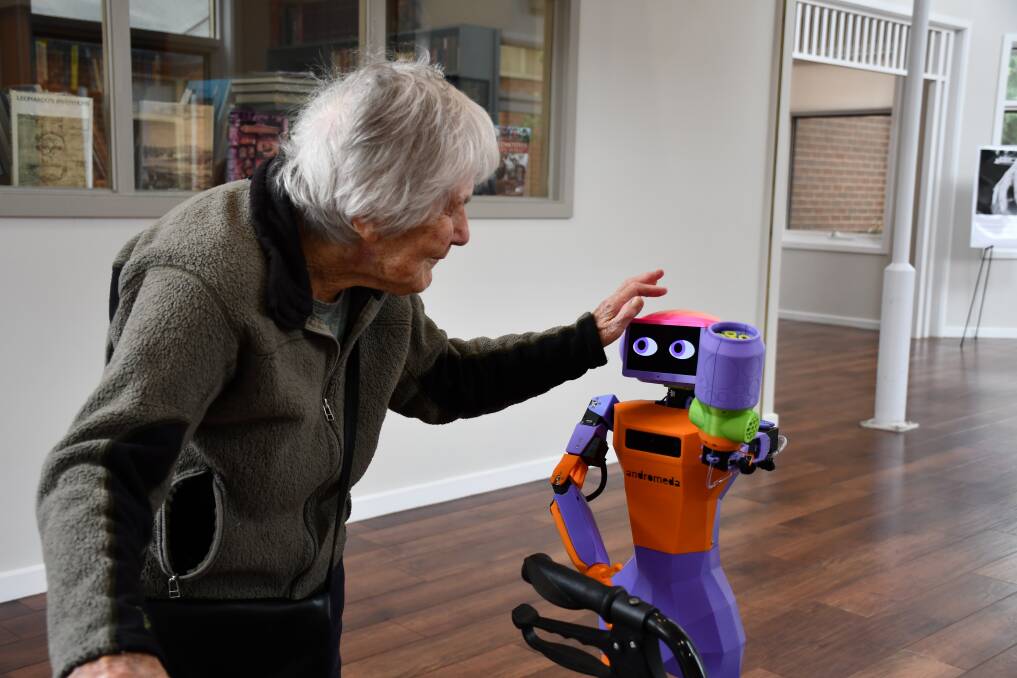
So, can robots truly sing the blues? As we stand today, AI’s emotional intelligence remains a work in progress. It’s like the toddler of the tech world — curious, absorbing, and ever-learning. But it needs a lot more time before it can fully mimic the complexities of human emotions. Until then, all we can do is appreciate its efforts — a noble attempt to make our interaction with machines more natural, albeit mostly unemotional.
## The Emotional Coda
As we delve deeper into the intersection of AI and humanity, pondering about mindful machines and AI empathy, one can’t help but smile at the tantalizing possibilities. Perhaps one day, we’ll have an AI that doesn’t just play blues but feels them too, offering a listening ear on those dreary days — possibly with a side of virtual ice cream?
But until that day comes, let’s cherish the quirky attempts of our digital allies like we do Uncle Joe’s story at family dinners — sometimes awkward, often endearing, and always an integral part of life’s grand tapestry.
Now, if only my coffee machine had emotions. That way, a gentle beep might remind me when it’s running low on beans. Until then, I’ll respect its current aloofness…and stock up on caffeine.