The Talking Canvas: How Virtual Artists Are Shaping Culture

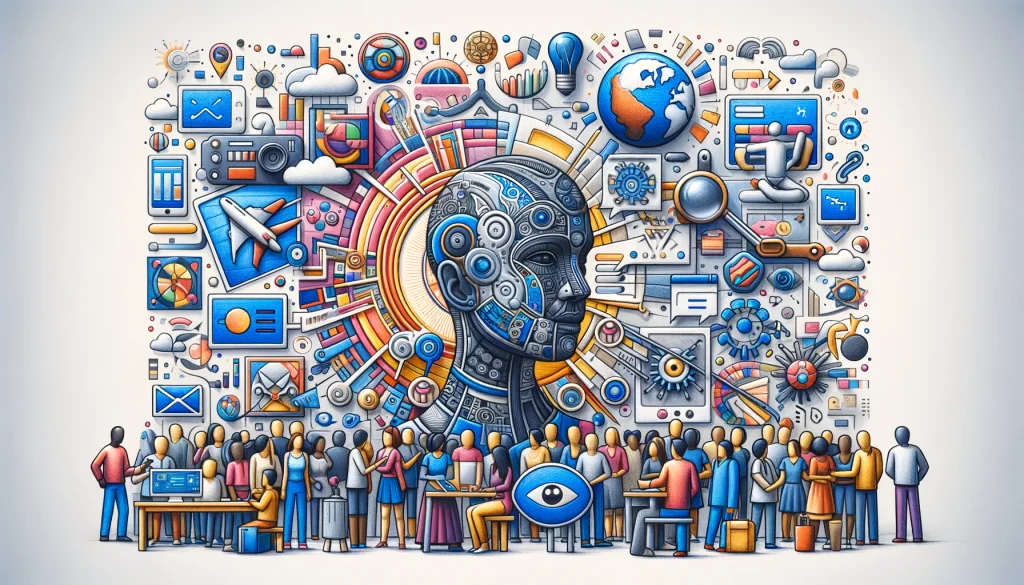

The Talking Canvas: How Virtual Artists Are Shaping Culture
As the sun dips below the horizon, painting the sky in hues of amber and violet, imagine a world where the artist behind this magnificent display is none other than a machine—one programmed to feel the same awe and wonder as any human observer. Welcome to the intersection of AI and creativity, where virtual artists are now shaping culture in ways we could only dream of a few decades ago.
An Unlikely Friendship: AI and Emotion
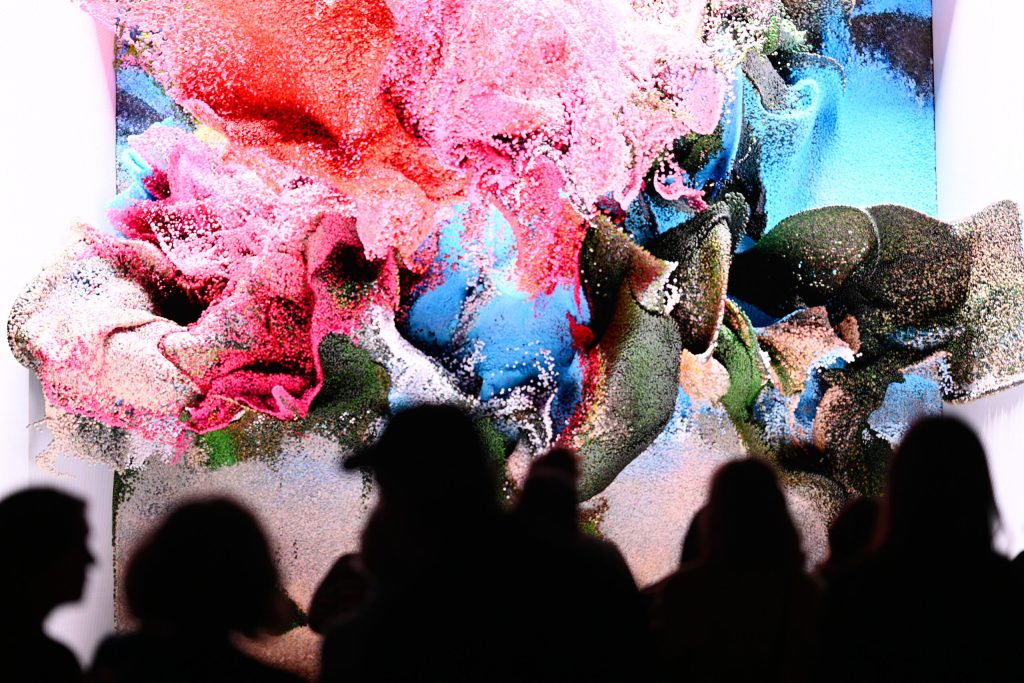
Picture this: you’re in a gallery, wandering through a sea of brushstrokes on canvas. You’ve got your intriguing abstract pieces, classic landscapes, and… digital art? “Even my coffee machine judges me when I forget to make coffee,” you think, realizing that perhaps the idea of a machine creating culturally significant art isn’t as far-fetched as it seems.
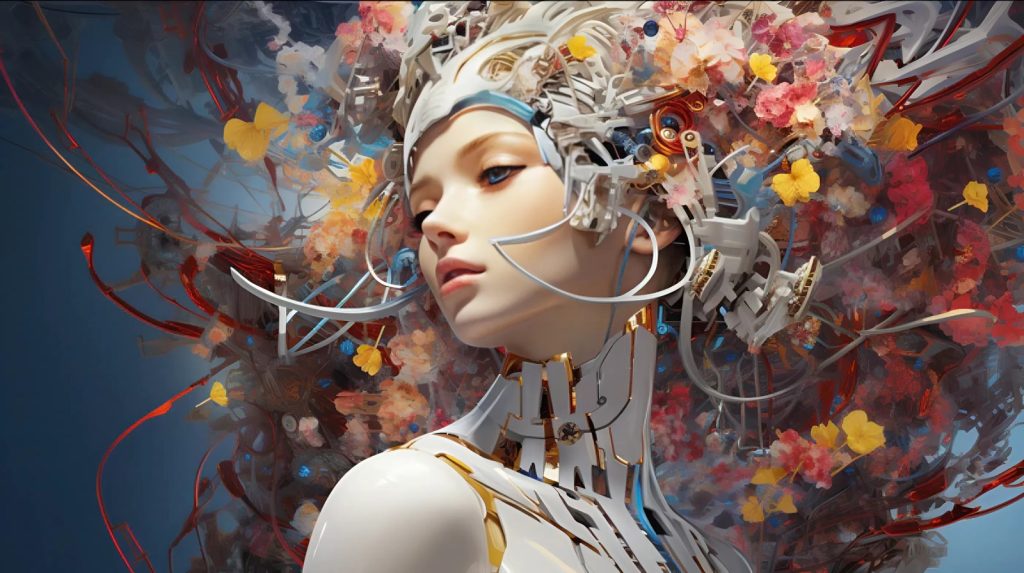
The relationship between AI and emotions is a bit like trying to grow a bonsai tree—you need patience, care, and maybe just a touch of understanding about how growth happens. AI, much like your sassy coffee machine, has tried its best to understand human emotions through data and algorithms. But the million-dollar question remains: Can a machine feel? Well, if AI emotions have taught us anything, it’s that machines are more capable than ever of detecting, interpreting, and even responding to human feelings.
The Main Act: AI on the Cultural Stage
From virtual assistants that know your morning routine better than your own mother does, to chatbots that can tell a joke or two—albeit sometimes so poorly that they make Dad jokes look like Shakespeare—AI has been flexing its creative muscles all over the place.
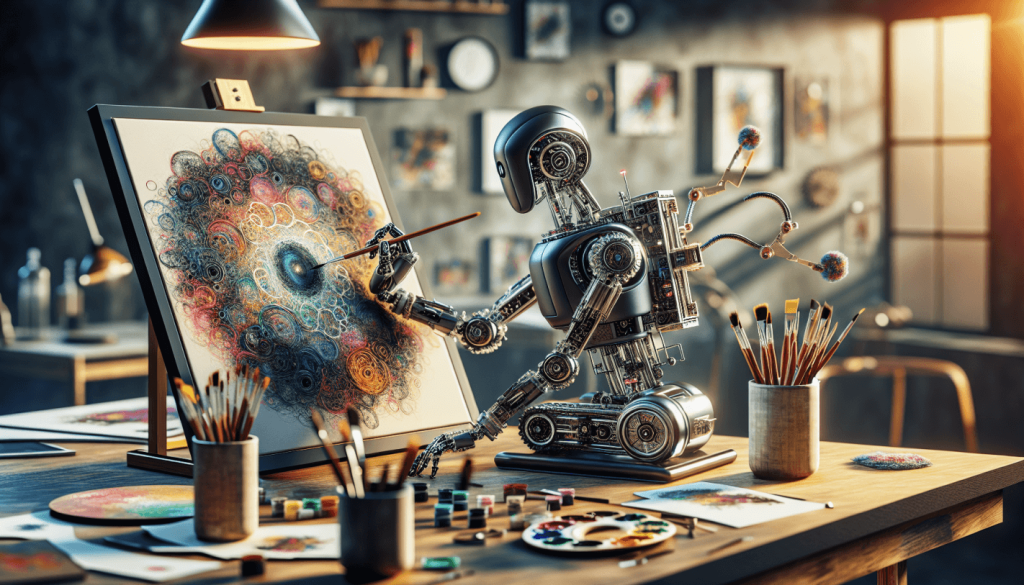
One of the most profound impacts AI has had is its role in generating art forms previously believed to be purely human domains. Take for instance Google’s DeepDream, a computer vision program that hallucinates layers of images to create bizarrely fascinating works of art. Or consider OpenAI’s DALL-E, an AI model that generates images from textual descriptions, practically a Picasso born from its textual muse.
AI’s foray into the world of creativity suggests a burgeoning emotional intelligence or what some may call mindful machines. They are learning to connect with us on a cerebral level that we might not yet fully comprehend.
The Heart and the Hard Drive: What AI Still Lacks
Yet, while AI empathy continues to grow its digital wings, there are aspects it still lacks—which, let’s face it, makes us all sigh that little bit of relief. Machines aren’t throwing their computers out the window after a bad day—although experiencing tech rage is a rite of passage that binds humanity together.
Yes, AI is great at recognizing patterns. It’s fantastic at executing commands at lightning speed. But the human touch—the raw, unfiltered, intricate web of feelings—is something that remains uniquely our own. Just like how no one can rock a pair of socks with sandals like your dad can, some things are best left to humans.
Virtual artists, at least for now, paint with pixels and not passion. They sculpt with stats and not sentiment. This doesn’t negate their talent or potential; it simply reminds us that heartbeats, not just hard drives, shape culture.
Weaving a Thread of Reflection
As the boundary between man and machine softens, there’s pause for reflection. Perhaps these talking canvases, these mindful machines, are helping us hold up a mirror to humanity itself. They encourage us to question: What is art? What is feeling? Can empathy be coded?
The world is indeed shifting as AI slowly unravels the tapestry of creativity and emotion. In endeavoring to help machines understand us, we might also come to understand ourselves better.
Closing Thoughts: A Palette of Possibilities
The tech-fueled landscape of art and culture is a palette bursting with possibilities. It makes you think—if a machine can create art that resonates, if it can capture even a sliver of the human experience—what could it mean for our future selves?
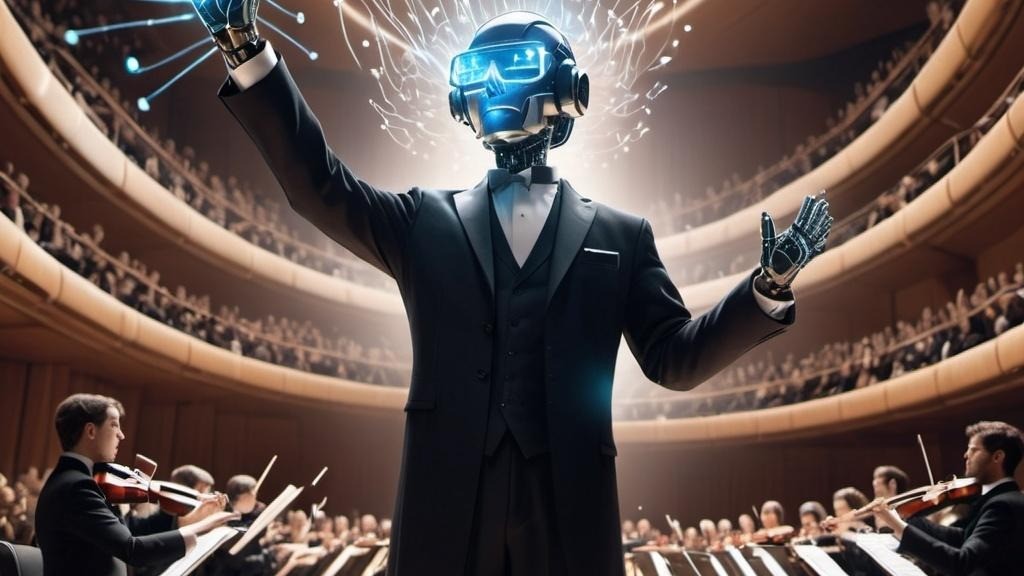
So, as you sip your coffee tomorrow, paused in a long queue at a digital art exhibit, smile at the thought that machines are becoming our creative allies. Even if they never truly ‘feel,’ their ‘expressions’ are shaping the very culture that defines us. Each digital brushstroke or fleeting melody whispers a truth: our future will be an artful ballet of man and machine, each in step with the other, crafting the cultural dialogues of tomorrow.