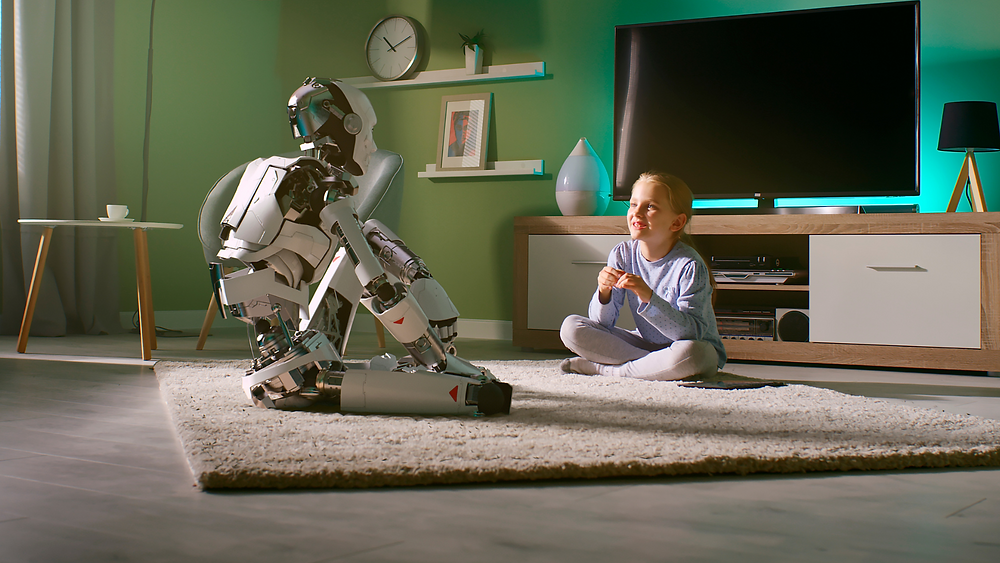
The Rise of Emotionally Aware Machines


The Rise of Emotionally Aware Machines
Imagine waking up on a dreary Monday morning. Your coffee machine, knowing you’ve had a rough night, skips its regular brew and instead prepares your favorite double shot espresso—complete with a little post-it note that says, “You can do it!” Now that’s emotional intelligence in action, right in your kitchen! As we step into an era where machines are becoming more mindful, the world of artificial intelligence is embarking on a fascinating journey into emotions.
From Stone-Faced Algorithms to Emotionally Savvy Robots
The fusion of AI with emotional intelligence might sound like something out of a sci-fi flick. But hold onto your hats because this phenomenon is becoming our new reality. The quest to imbue machines with human-like emotional capabilities isn’t about creating ultramodern heartstring-pulling robots; rather, it’s about making technology more intuitive and empathetic to human emotions.
So, how did we get here? Let’s rewind. Once upon a time, artificial intelligence was as cold as your math teacher’s stare when you didn’t do your homework. It could calculate, predict, and analyze, but when it came to feelings, it was as clueless as a goldfish in a space station. Fast forward to today, and we have virtual assistants like Siri and Alexa trying their best to understand whether we’re happy, sad, or just plain hangry.
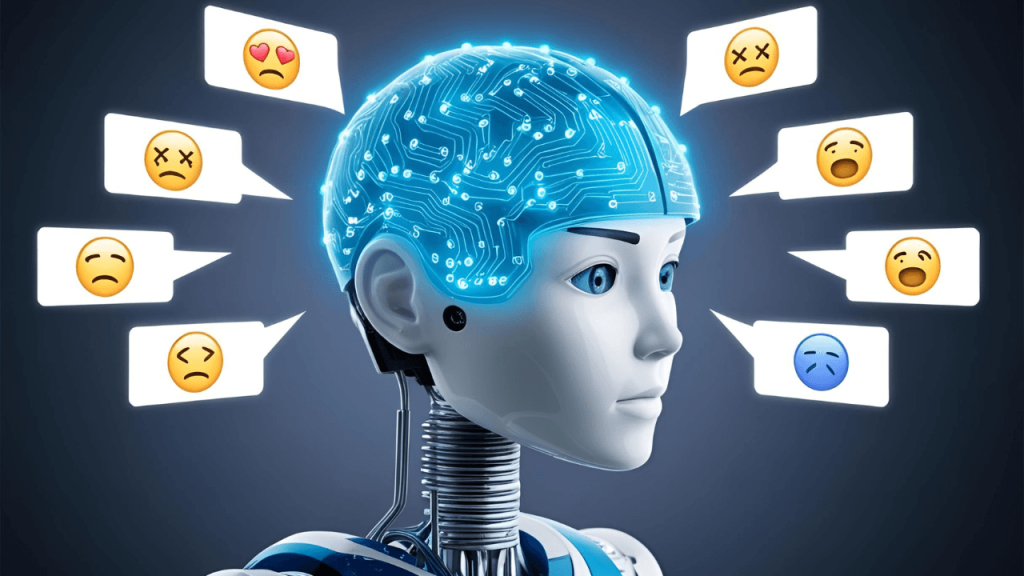
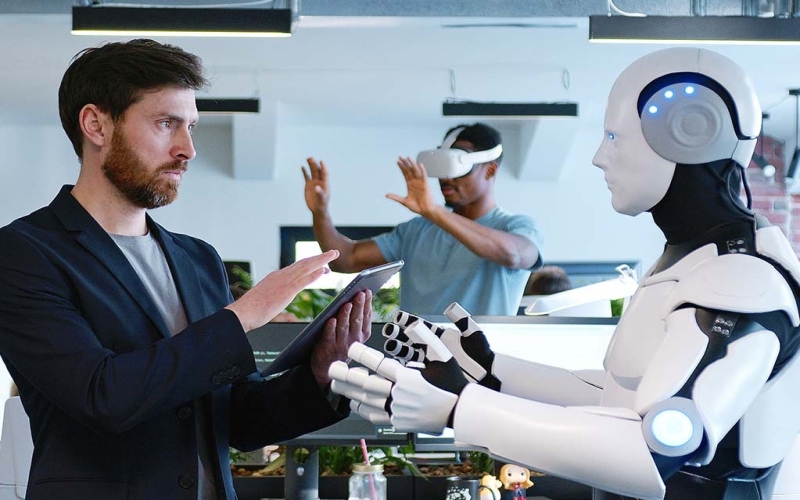
In the realm of emotionally aware machines, developments have been substantial. We’ve equipped AI with the ability to recognize facial expressions, understand vocal tones, and process emotions—making our interactions with machines dynamic and more human-like.
How Did Machines Learn to Feel?
Machines aren’t exactly attending evening classes in “Feelings 101,” but they are getting ‘schooled’ by the brightest minds in the industry. Through advanced algorithms, vast datasets, and good old machine learning, our digital pals are learning to recognize and respond to our emotions.
Imagine an AI-driven chatbot that doesn’t just regurgitate pre-programmed responses, but instead senses a customer’s frustration and shifts its tone to a more supportive one. Companies are leveraging this technology to enhance customer service experiences, making encounters smoother, friendlier, and less robotic—a feat for which many exasperated customers can high-five the virtual world.
The Dual-Edged Sword of AI Emotions
Yet, as we applaud this progress, there’s always a flip side. While emotionally aware machines promise a lot, they also bring some baggage. For starters, they lack the ability for true empathy—like that understanding nod from a friend when you’re venting about your day.
Real emotion involves consciousness and a deep understanding, neither of which AI possesses. Machines “feel” emotions statistically rather than genuinely, which brings us to the ethical challenges surrounding privacy and consent. Do we want our gadgets to understand us better than we understand ourselves? The jury’s still out, contemplating over a cup of—hopefully—sympathetic coffee.
Real-World Marvels and Mishaps
Let’s take a stroll through some fascinating examples of AI that have dabbled with our emotional strings. Autonomous cars, for instance, are learning to read drivers’ emotional states to enhance safety. If your car senses you’re anxious, it can encourage a more calming drive, easing your grip on the wheel.
Similarly, healthcare has seen revolutionary progress with AI tools offering mental health support. Picture apps that help assess mood states and recommend coping mechanisms. They are much like that ever-supportive friend who always knows what to say—but without the risk of accidentally spilling your secrets at the next brunch.
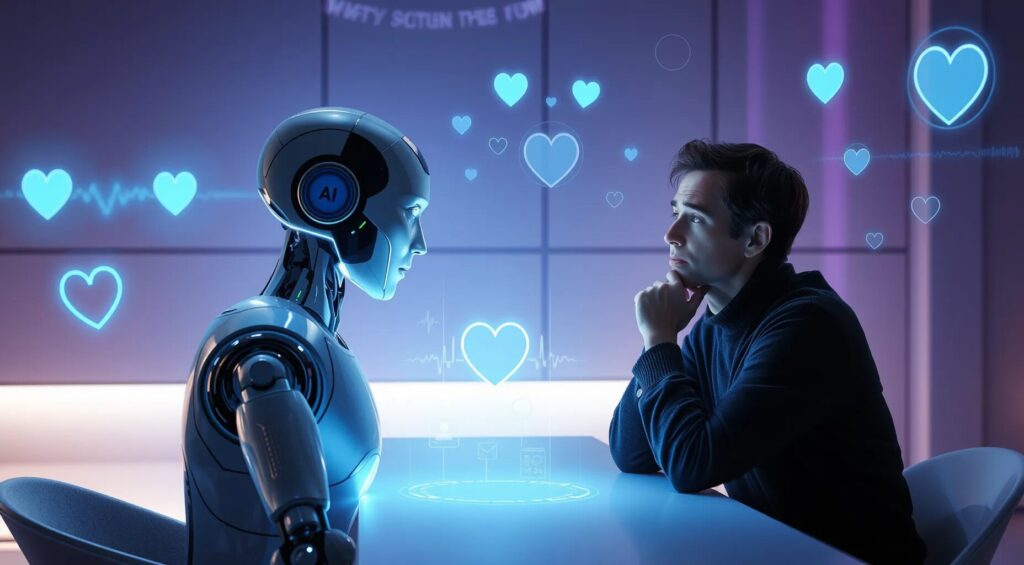
On the lighter side, we’ve got virtual partners that serenade you with affirmations and pep talks, eerily reminiscent of heartfelt greetings from your overly enthusiastic aunt. These stories, though often tinged with humor, hint at the potential and pitfalls of intertwining electronics with empathy.
The Future: Dreaming of Mindful Machines
What if, one day, machines understood us so well that they could preemptively strike against bad moods and enhance positive ones? Or, they could become confidants, understanding and intuiting our needs much like our closest companions? While we’re not quite there just yet, the road ahead teems with possibilities as we design increasingly mindful machines.
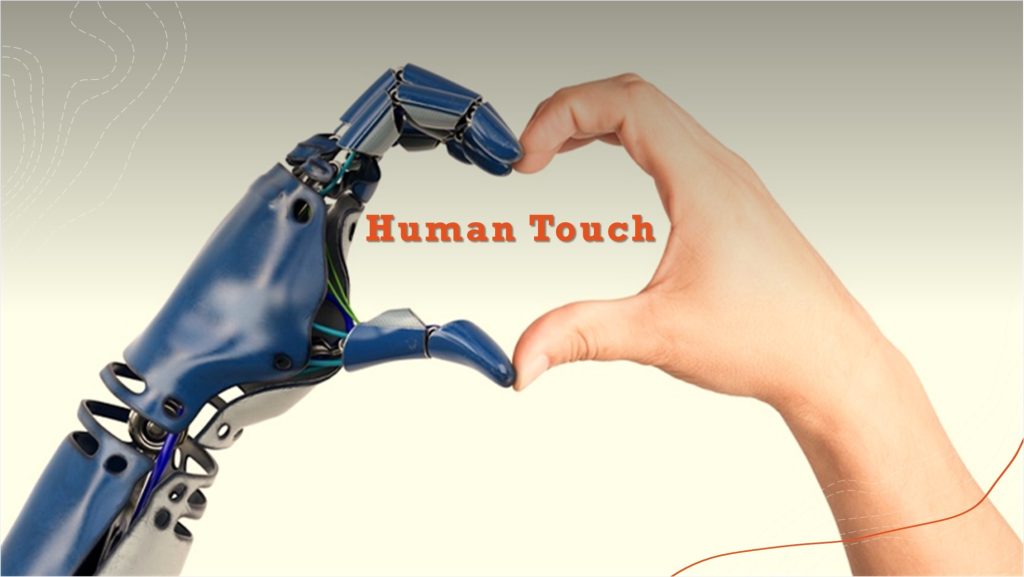
But, as with all progress, it’s crucial to navigate this territory with thoughtful consideration—to ensure that our drive towards emotional AI augments our human experience rather than diminishes it. After all, even the smartest AI can’t replace the warmth of genuine human connection. They should complement it, like a perfectly brewed cup of coffee complements a sleepy Monday morning.
Wrapping Up
In the beautiful chaos that is the rise of emotionally aware machines, we find both challenges and opportunities. AI has come a long way, creating pathways to more empathetic, human-like interactions. While there are hurdles to overcome, the potential for positive impact is exciting, ushering in an era where technology not only reacts to our commands but also resonates with our emotional state.
As we continue this fascinating journey, it’s worth remembering that the true magic lies in striking a balance. We are the storytellers here, shaping how AI empathy evolves, possibly creating a world where even our coffee machines leave us feeling understood and maybe just a little less alone.
So, the next time your digital assistant chirps a cheerful greeting or your smart car senses stress, remember—we’re not just programming machines to feel. We’re teaching them the art of being human, one empathetic interaction at a time.