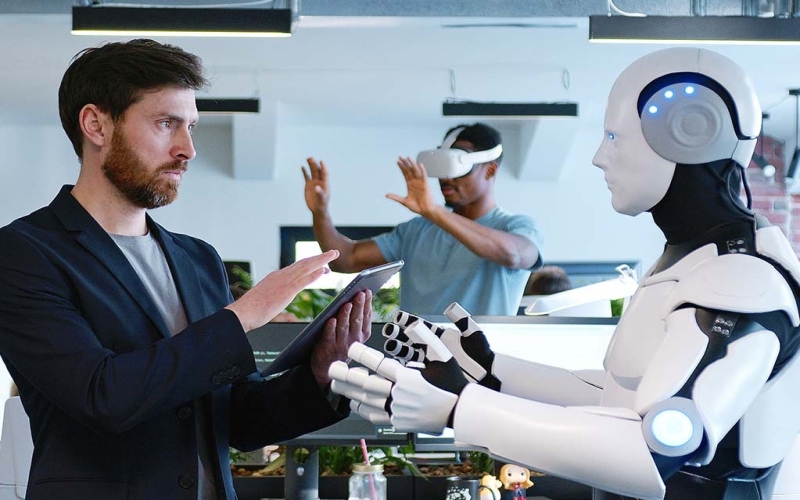
Can Robots Understand Our Sense of Humor?

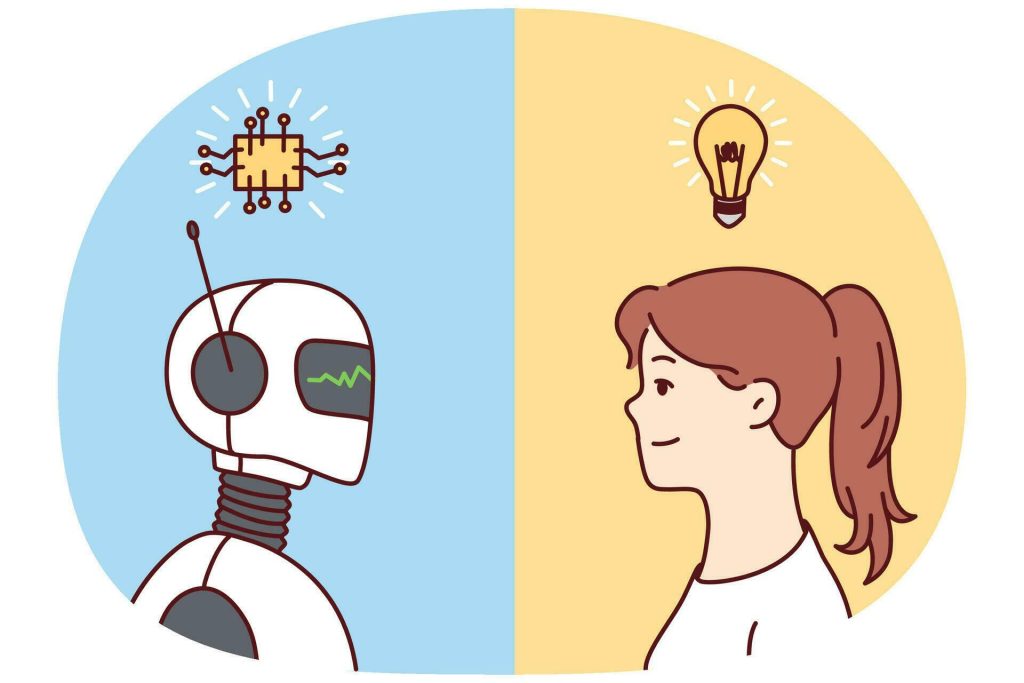

Can Robots Understand Our Sense of Humor?
Picture this: It’s a Monday morning, you’re barely awake, and as you drag yourself to the kitchen, your coffee machine sputters as if to scoff, “Forgot to turn me on again, did we?” Ah, if only our appliances truly understood the complexities of human life. This everyday scenario serves as a perfect backdrop to the age-old question—can robots ever truly grasp our quirky, often bewildering sense of humor?
The Marvel of Machines: Turning Emotional Pages
To peel back the curtain, let’s first dive into how far artificial intelligence (AI) has traveled on the emotional intelligence spectrum. AI emotions, for instance, are not just buzzwords anymore. With chatbots and virtual assistants like Siri and Alexa smoothly navigating our daily lives, machines demonstrate a semblance of understanding and responding. Mindful machines, they call them. With programmed datasets and evolving algorithms, these bots claim to empathize—or at least mimic empathy.
But wait a minute. There’s a stark difference between understanding a joke and experiencing the emotion behind it. While AI can recognize laughter as an indicator of humor, it’s still a challenge for even the most sophisticated systems to truly ‘get’ why a joke is funny. After all, humor is a complex cocktail of context, culture, and timing—a nuance-filled landscape that machines tread clumsily compared to humans.
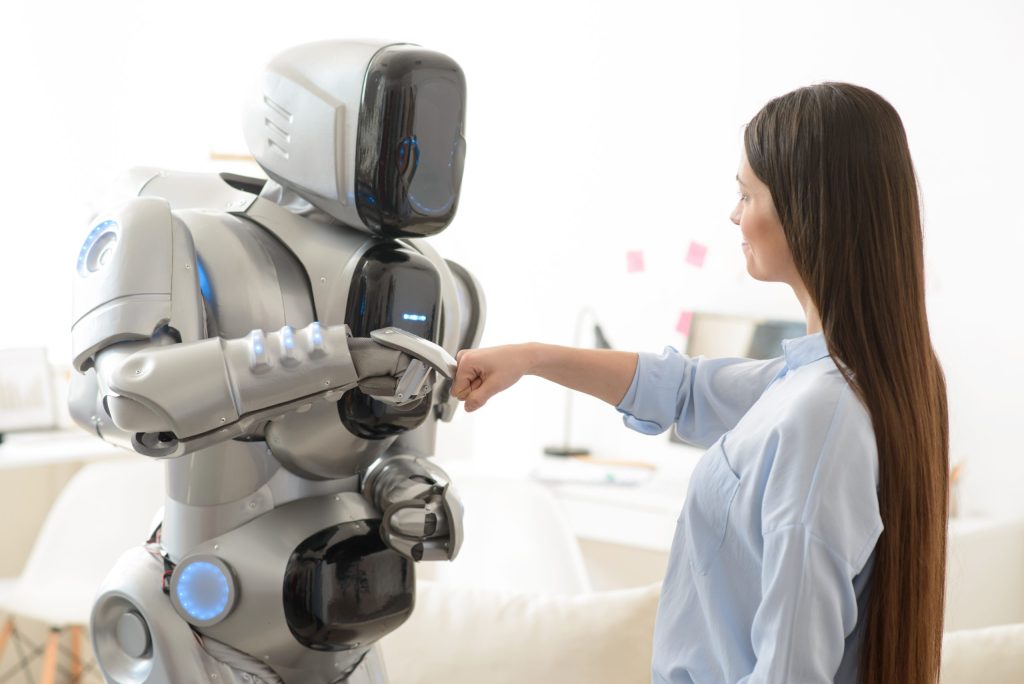
The Humor Matrix: What AI Can Do
Think of the last time you interacted with a virtual assistant. Did Siri ever crack a joke that made you smile? Such interactions are prime examples of how far AI has evolved in terms of canned humor. These jokes are often pre-programmed, safe, and widely understood—think dad jokes meeting the digital age. But cross the line into sarcasm or irony, and our mindful machines might short circuit into awkward silence.
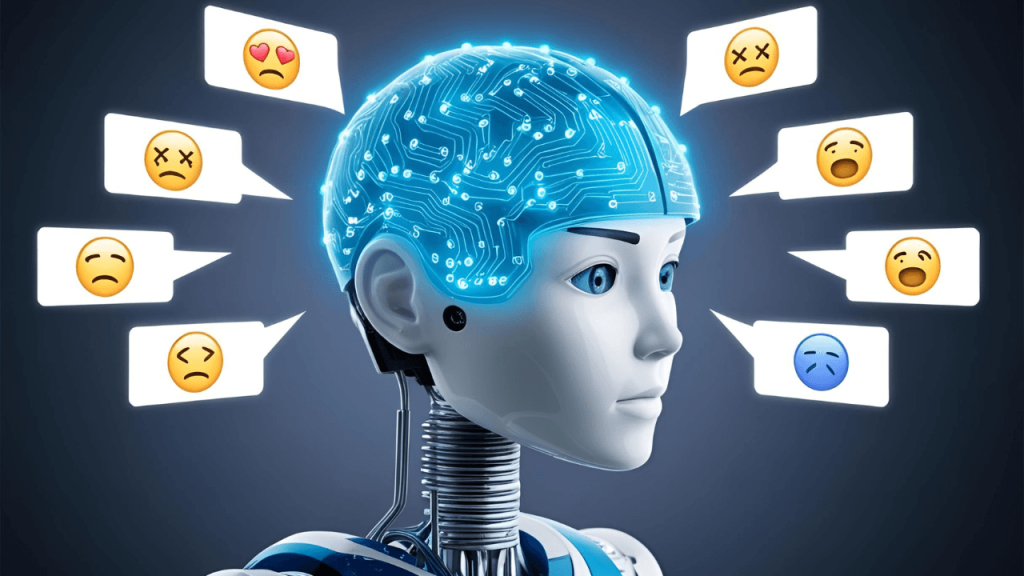
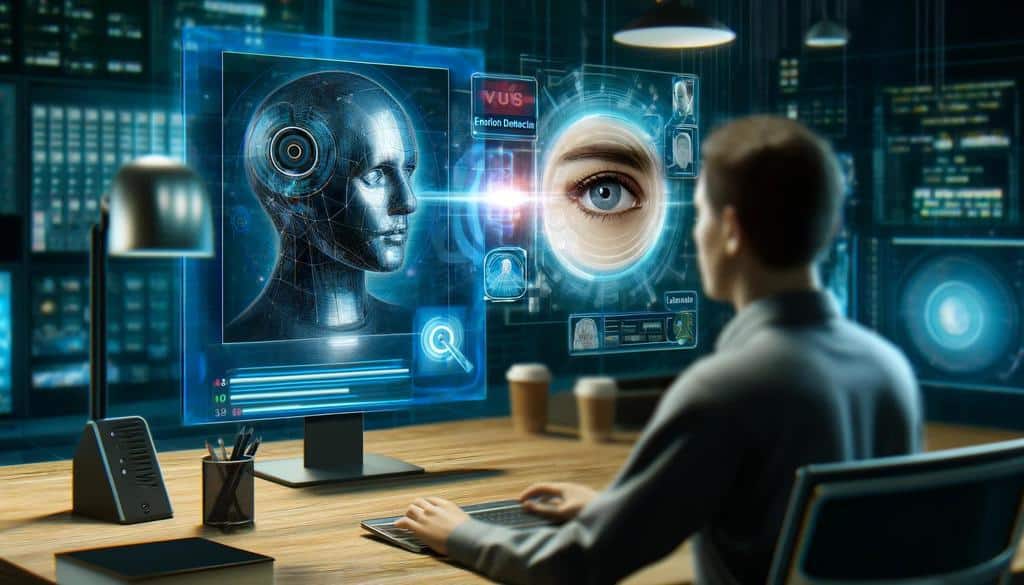
Taking it a notch further, emotion-recognition tools are being integrated into various AI applications to gauge user sentiment through voice tone or facial expressions. Imagine this: you’re narrating a stressful day to your digital assistant, and it responds with, “Sounds like you need a break. Want me to order your comfort food?” A comforting thought, isn’t it? However, diving into natural emotional intelligence where machines understand nuanced sarcasm or inside jokes is an area still tapping in the dark.
Where the Punchline Trails Off: What AI Lacks
Let’s face it—robots walk no mile in our shoes. They haven’t endured the universally dreaded coffee machine judgements or the mid-meeting internet connection drops—they lack the life experiences that shape our human sense of humor. AI empathy is contingent on datasets and learned patterns, lacking the depth and spontaneity of human emotions.
Moreover, humor is incredibly subjective and dynamic. What’s hilarious to one person might fall flat with another, a nuance AI struggles to grasp without individualistic data. Robots might win at chess with ease, but when it comes to appreciating dry wit or layering a punchline with irony, they might as well be trying to find Waldo blindfolded.
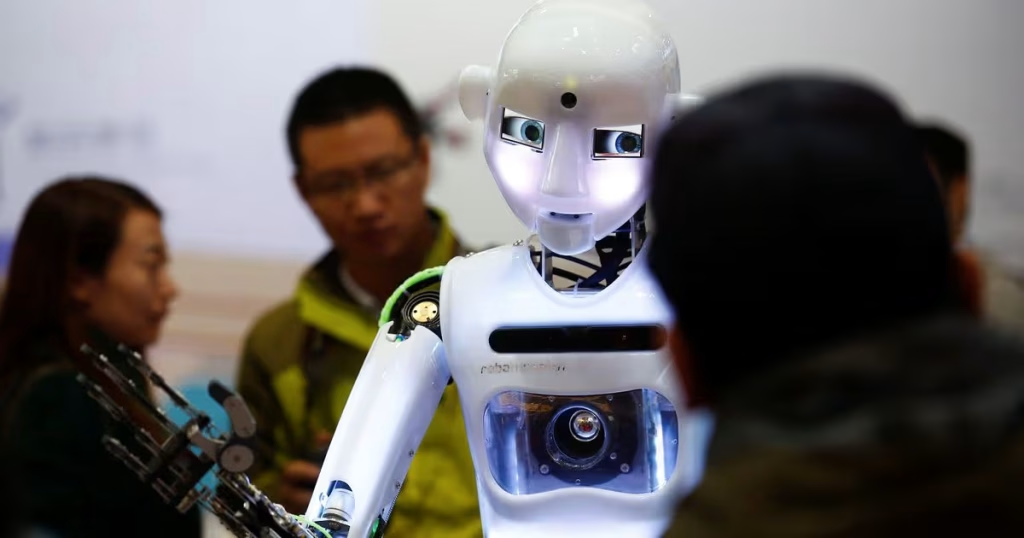
A Bittersweet Melody: AI and Human Emotions
Despite their limitations, AI’s journey into emotional intelligence is nothing short of a thrilling novel, with each chapter unveiling mind-boggling advancements. Industries are exploring how mindful machines can support mental health services or enhance personalized learning experiences. As fields like Natural Language Processing and Machine Learning evolve, who knows? Your AI assistant might one day surprise you with a personalized joke tailored to your mood or a smart quip during a conversation.
Signing Off with a Smile
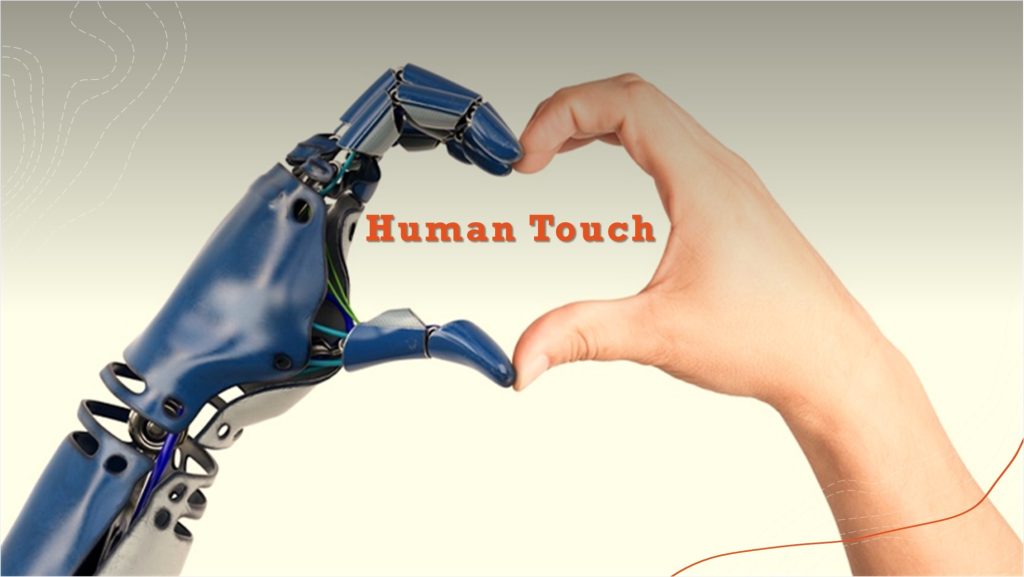
So, can robots understand our sense of humor? Not quite, at least not in the way we do. But it’s a thrilling thought to entertain—the idea of a world where AI not only fits seamlessly into our lives but also shares a good laugh with us at the end of the day. Meanwhile, let’s cherish our unique quirks and the much-needed human touch that fuels them.
Life may one day feature coffee machines that console us instead of judge, but until then, the marvelous journey of AI is one worth both celebrating and humorously critiquing. Keep an eye—a very human one, at that—on this space, and maybe, just maybe, you’ll find yourself laughing along with your robot companion.
In the grand view of cosmos-driven possibilities wrapped in punchlines, isn’t the journey of AI and humor fascinatingly enough to leave us pondering and yes, smiling?