The New Language of Machines: Reinventing Conversations with Technology


The New Language of Machines: Reinventing Conversations with Technology
A Coffee Maker’s Judgment
It’s seven in the morning, and once again, I’ve forgotten to set the timer on my coffee machine. Yes, that shiny, metallic sentinel on my kitchen counter that seems to glare at me with every waft of unbrewed potential. If it could roll its eyes, it probably would. And while my forgetfulness is something I’m used to, I’ve never quite shaken the feeling that one-day technology might truly understand my morning grumbles and caffeine cravings. But what if that day is closer than we think?
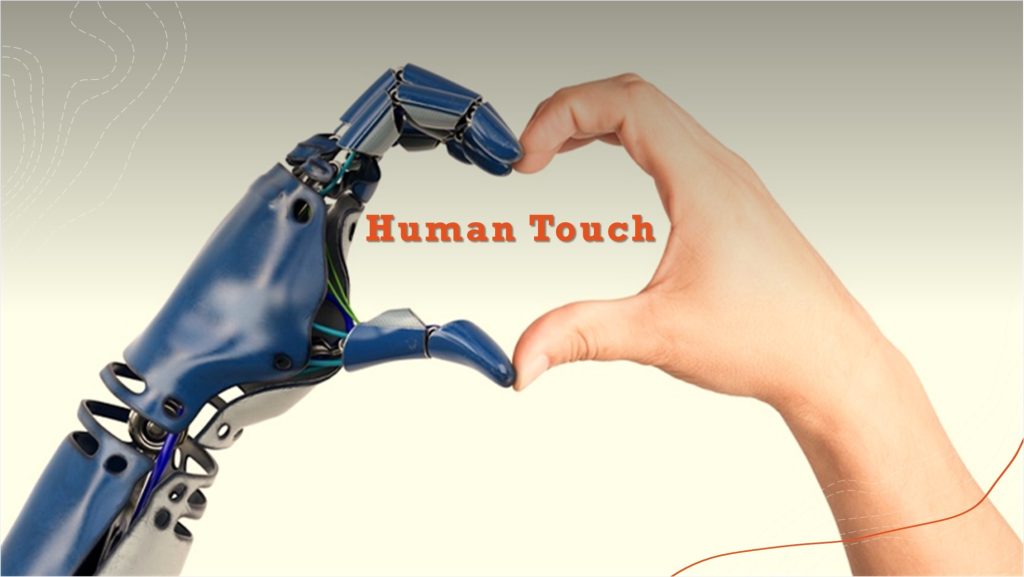
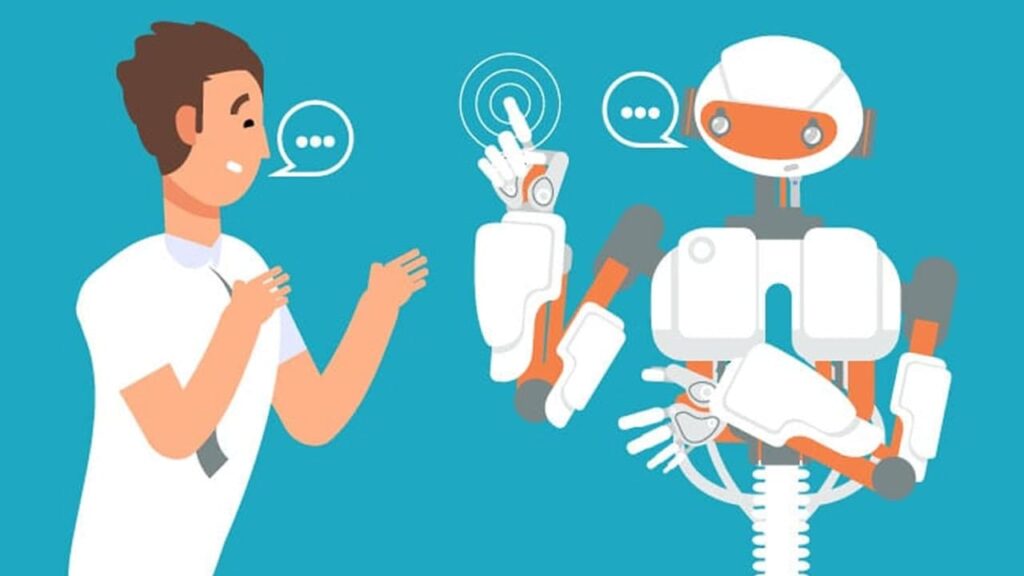
In the realm of artificial intelligence, efforts are underway to reinvent the way we converse with machines. The aim is no longer just to complete tasks but to create mindful machines that empathize and engage on an emotional level. So, let’s dive into this intriguing evolution — a journey filled with surprises, a few stumbles, and a dash of humor.
The Dance of AI and Emotions
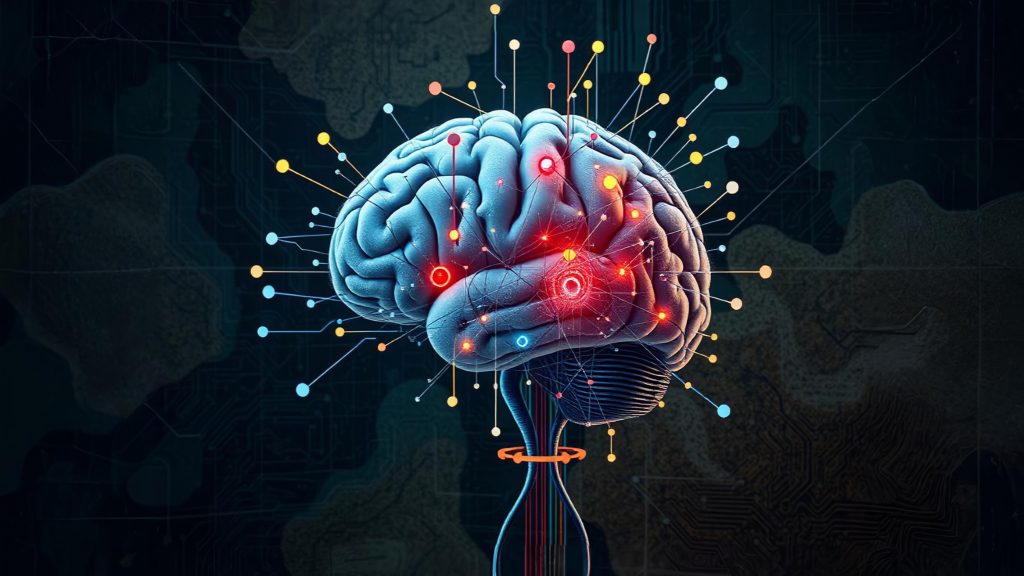
For decades, AI was synonymous with dispassionate algorithms and emotionless bots. But today, the narrative is shifting as innovators strive to create technology that resonates with our uniquely human experiences. Imagine Siri, Alexa, or the charming auto-reply features from your email understanding not just our words, but the emotional undertones behind them — a new wave of emotional intelligence in machines.
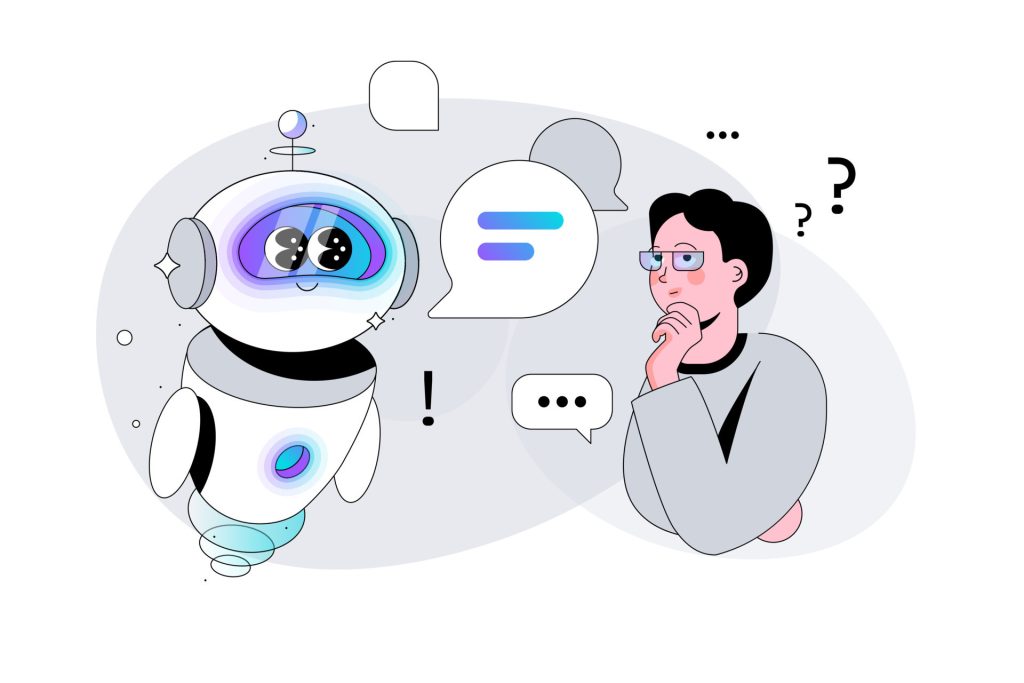
Take, for instance, Replika, an AI chatbot. Marketed as an AI companion who genuinely “cares,” it listens to users with empathetic responses that sometimes feel surprisingly authentic. But let’s face it, if Replika could blush every time one of its metaphors falls flat, it might make these interactions even more charming.
Despite these advances, there’s still a gap. While AI can mimic emotion, creating authentic empathy is another story. Machines today are like my well-meaning dog; they know they’ve done something wrong when I frown, but they’re not entirely sure what. Emotion-recognition tools are making strides, picking up cues from voice pitch to facial expressions. Yet, unlike humans, who offer understanding beyond pre-programmed responses, AI is still in the kiddie pool of emotional sophistication.
AI’s Journey So Far
As mind-blowing as the progress has been, it’s important to remember we’re still in the early chapters of AI emotion curiosity. Consider chatbots — they’ve come a long way from their infamously frustrating beginnings. Remember those early customer service bots that turned your simple inquiry about a bill into a winding conversation that ended with them offering you a pet rock? Yeah, we’ve all been there.
Now, bots are more conversational, capable of bantering with a detectable if somewhat corny, sense of humor. They understand context, maintain conversations, and sometimes even make us laugh. The potential for AI empathy to improve customer experience, mental health support, and even creative collaborations is immense. But let’s not forget: As we teach machines to understand us, we must also remind ourselves to patiently guide these budding ’emotion apprentices.’
The Road Ahead: Perils and Promises
Of course, as with all promising technologies, the quest for AI empathy is not without its pitfalls. There’s a fine line between mindful machines and the uncanny valley, where AI becomes too human-like for comfort. No one wants to wake up to their smart fridge providing unsolicited life advice or judging their midnight snacking habits — unless, of course, it’s right and you really should back off the midnight cheese.
Moreover, the ethical implications of teaching machines emotional intelligence are profound. Who decides which emotions our digital assistants express, and how do we ensure these tools do not manipulate or overstep? These questions are challenging yet crucial to address as we move forward.
A Thoughtful Goodbye
So, why does this matter to you, me, and our judgmental coffee machines? Because as AI’s language becomes more aligned with human emotional nuances, it blurs the line between conversation and connection. By understanding the balance between AI’s capabilities and its limitations, we remain vigilant and curious, embracing technology’s positive impacts while questioning its trajectory.
As I take a hesitant glance at that coffee machine again, I smile at the potential of technology understanding a bit more of the human spirit. Maybe one day, instead of silently mocking me, this little machine will verbally encourage me out of bed with a digital fist-bump followed by a steaming cup of empathy-infused coffee.
And that, dear reader, is the tantalizing challenge of breathing emotional intelligence into AI — crafting a bridge where technology and empathy meet, turning cold circuits into warm, engaging companions in our daily lives. Enjoy the journey, and may your coffee always be perfectly brewed.
In this dance of technology and emotion, we’re all just learning the steps. Here’s to a future where our machines not only serve but also understand and maybe even chuckle with us every now and then. Tea, anyone?