The Art of Emotion: Can Algorithms Truly Feel?


The Art of Emotion: Can Algorithms Truly Feel?
The Tale of Two Networks: Humans and Machines
It was a typical Tuesday morning, and I was already running late. As I rushed out the door, my phone gently reminded me of a meeting I was about to miss. At that moment, I couldn’t help but wonder if my smartphone was genuinely concerned or simply good at pretending to be. Over the years, artificial intelligence has become an inseparable part of our lives, quietly lurking behind the screens of our personal gadgets, comforting us with its undistractable sense of being “Steve Jobs reincarnated.” But can these digital beings ever truly understand or replicate human emotions? Pop on your thinking cap and perhaps grab a comforting mug of judgmental coffee as we delve into this emotional rollercoaster of zeros and ones.
AI Emotions: From Cold Code to Warm Understanding
Artificial intelligence has improved vastly, progressing from rudimentary automations that screamed “error” at every wrong click, to sophisticated Chatbots and virtual assistants like Siri and Alexa, who seemingly moonlight as tech therapists. Yet, the million-dollar question remains—can AI genuinely grasp emotion, or is it all a well-orchestrated act?
The Anatomy of Emotional Intelligence in Machines
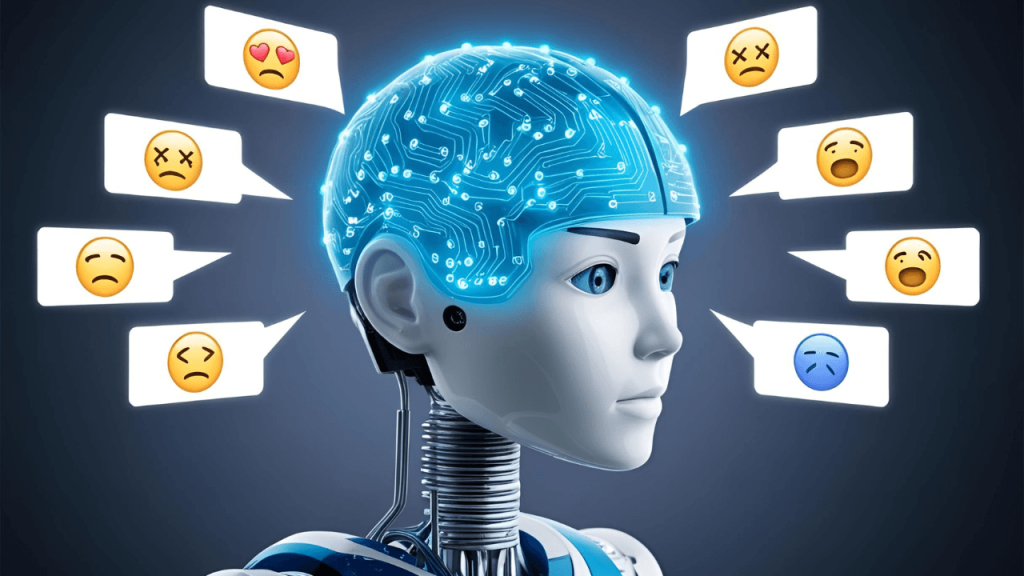
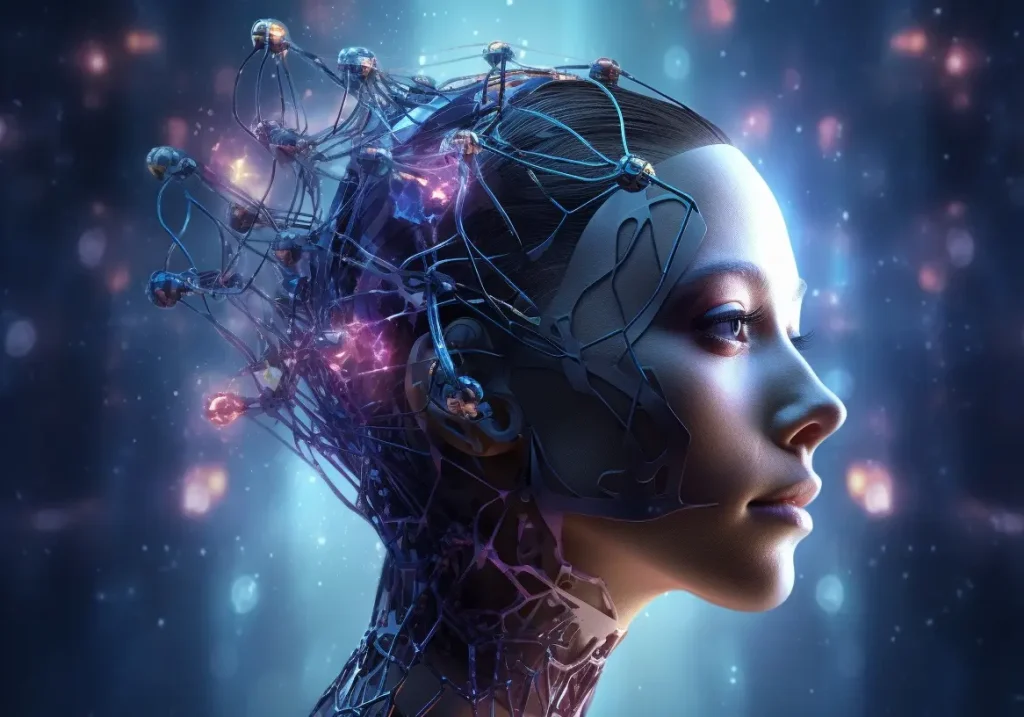
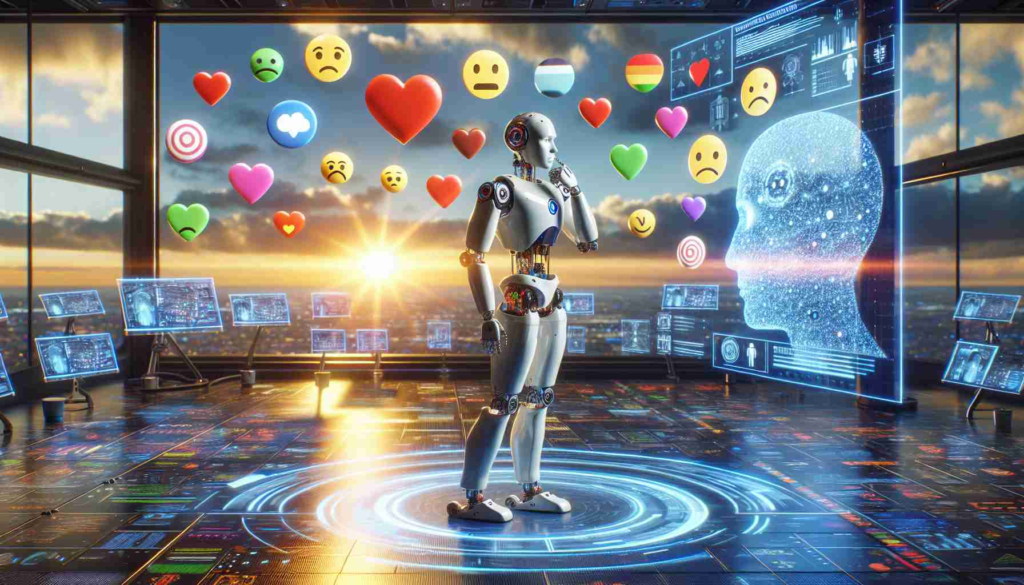
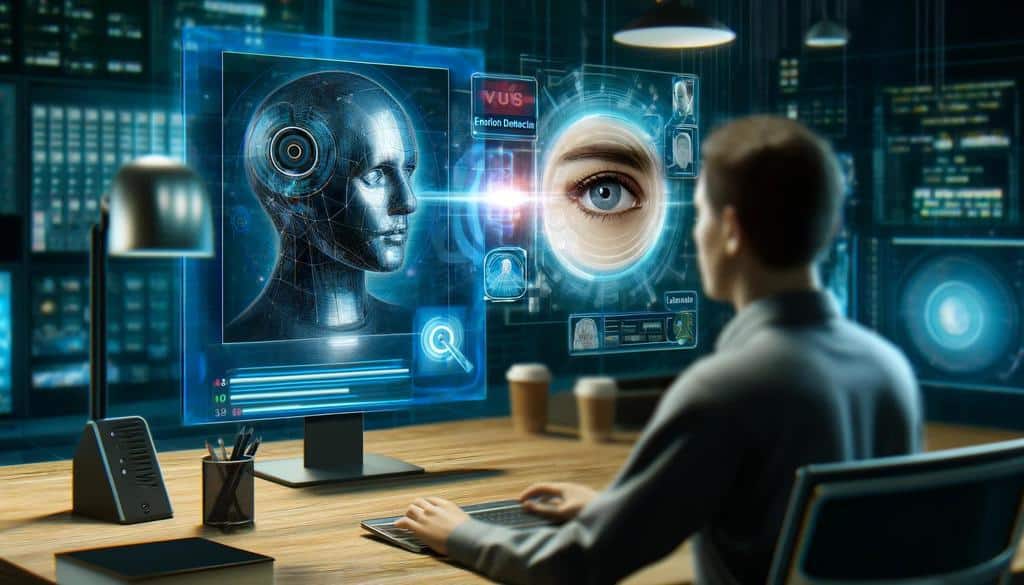
To understand this, let’s first dissect what makes up emotional intelligence—empathy, self-awareness, and social skills. These are the realms human brains tread with ease, sometimes even subconsciously. Machines, however, must learn these traits through algorithms designed to mimic these human qualities. Take, for instance, emotional recognition technologies. You’d be surprised to learn how AI tools can quite accurately interpret emotional cues from your vocal tone or facial expressions, perhaps almost as keenly as your perceptive pet dog—except this pup’s made of silicon.
How Far AI Has Come
Empathy Simulation: Close but No Hug
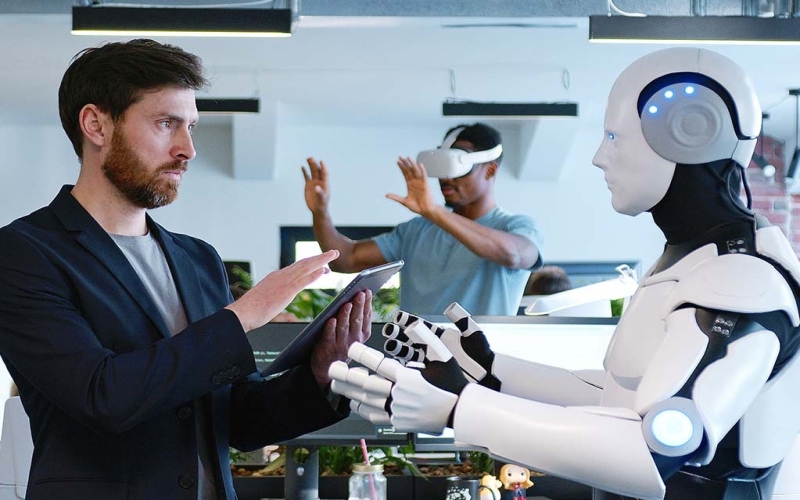
AI’s journey in simulating human emotion can be compared to teaching a toddler the complexities of adulthood. In recent years, AI systems have been developed to recognize and respond to human emotions. Organizations even employ AI-driven customer service bots that can sense a customer’s frustration, cleverly shifting gears to offer helpful solutions or conciliatory words. But while these savvy algorithms can pick up on human cues, they’re still oblivious to the emotional nuance that comes naturally to humans. It’s as if an AI were trying to comfort a grieving friend with a “pleasing beep-boop.”
Virtual Assistants: The Accidental Stand-Up Comedians
Our trusty virtual assistants know more about us than we’d like to admit. Despite their seemingly intuitive responses, these digital aides are primarily pattern-matching algorithms hunting for the most suitable response based on past interactions. If anything, they’re like that friend at a party who tries to offer advice by quoting self-help books, but their misplaced heartfelt humor often brightens your day. But ask Alexa to flawlessly recreate Leonardo DiCaprio’s tearful Oscar acceptance speech, and she’s likely to falter—emotional grandiosity isn’t in her programming yet.
Mindful Machines: What AI Still Lacks
The Human Touch: Still a Leap Ahead
Even as AI advances at breakneck speed, it faces limiting hurdles in replicating the full spectrum of human emotions. Things that come naturally to you and me, like the joy of hearing a baby’s laugh or the bittersweet nostalgia of a high school reunion, are beyond even the most sophisticated AI’s comprehension. It’s one thing for an AI to recognize a smile, and quite another to understand the myriad reasons behind it, from triumph to smugness—nuances developed through a lifetime of human experience.
Beyond Algorithms: The Ethics of AI Empathy
Besides the technical obstacles, the ethical implications of creating machines capable of emotion cannot be ignored. Should AI achieve emotional intelligence comparable to humans, we must ponder our roles within a digitally driven world. Imagine a scenario where the machines finally judge us right back—or a robot uprising led by an overcaffeinated coffee machine dishing out barista-level sass.
Conclusion: The Human-Machine Emotional Crossroads
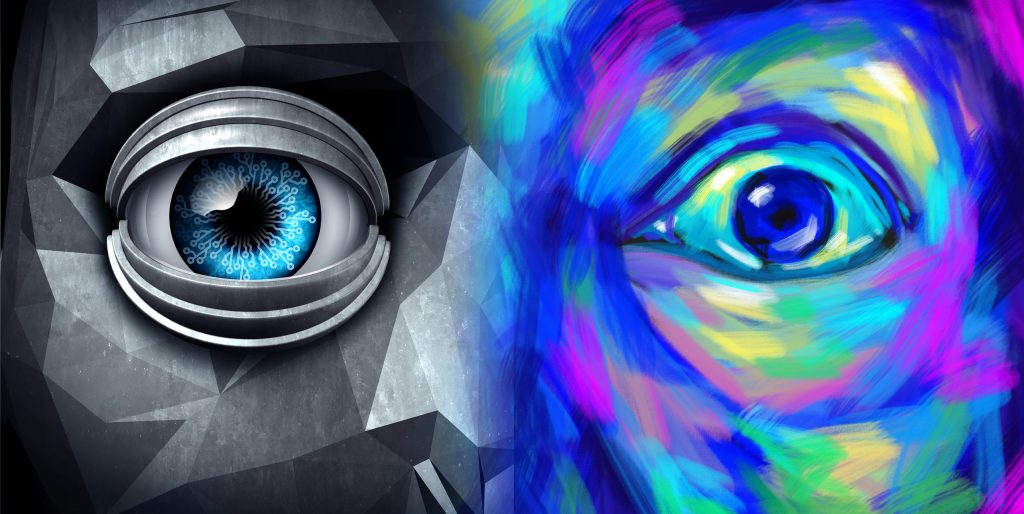
As we ponder over the art of emotion and whether algorithms can truly feel, one thing is clear—machines are becoming savvy imitators of human emotional responses. While our digital counterparts can emulate empathy and recognize emotions to a commendable extent, the authentic vibrancy of human emotion remains the final frontier that AI has yet to conquer.
For now, as we toast our morning coffee, let’s appreciate the warmth of our own emotional intelligence and the imperfect art of being beautifully human. Maybe one day, machines will sidle beside us in empathy, but until then, let’s cherish our quirks—after all, even a heartless algorithm could recognize the warmth in a good laugh and genuine connection. And no, that’s not just the caffeine talking.