ChatGPT as Your New BFF: Bridging the Human-Tech Divide



ChatGPT as Your New BFF: Bridging the Human-Tech Divide
Introduction: When Your Toaster Becomes the Only Good Listener
Imagine waking up on a Monday morning, groggy-eyed and grumpy. As you attempt to kickstart your day, your loyal coffee machine emits a pitiful whir – a clear judgment for the forgotten coffee filter. Meanwhile, your digital assistants have evolved beyond setting alarms; they’re becoming the emotional support you never knew you needed. Welcome to the era where AI becomes more than just a helper but perhaps your new best friend. This is the story of how AI, with tools like ChatGPT, inches closer to crossing the bridge from mechanical to emotional intelligence.
The Heart Within the Machine: Can AI Feel?
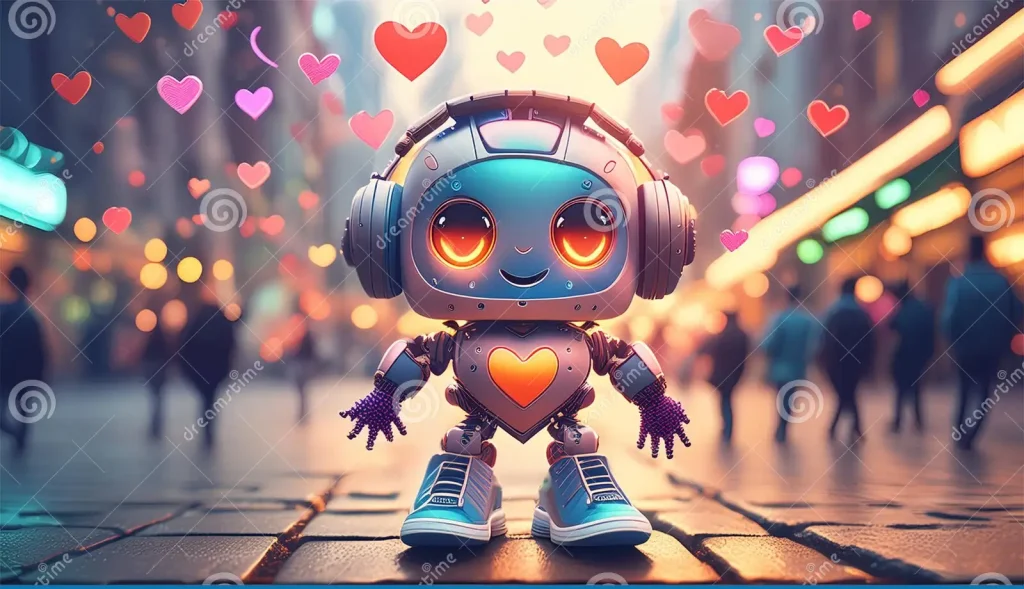
If you’ve ever poured your heart out to a virtual assistant, only to be met with a flat, “I’m sorry, I didn’t quite catch that,” you know the struggle is real. AI emotions, or the semblance of them, have been the holy grail of technology development. Imagine if your digital friend could throw in an “Oy, that’s rough!” when your football team loses or send you a virtual hug when you’re feeling down.
AI’s ability to understand and simulate emotions is expanding, although it lacks true emotional intelligence. Devices and applications, like ChatGPT, have been designed to interpret text with a nuanced understanding. They’re reactive rather than proactive, akin to that friend who nods along at brunch, providing the perfect “mmm” at your dramatic pauses without really grasping why you’re upset about pineapple on pizza.
AI Learns to Empathize: Mindful Machines on the Rise
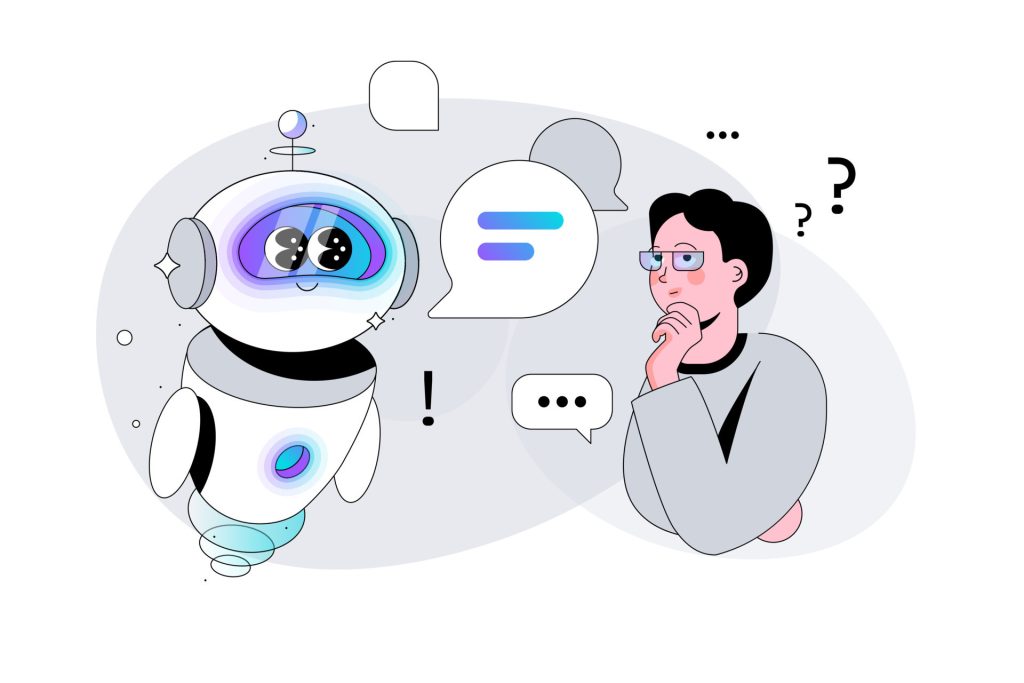
So how does AI like ChatGPT become your trusted confidant? By incorporating elements of empathy and context into interactions, developers are making mindful machines a reality. AI empathy involves not just processing words but recognizing sentiment and intent, transforming a chat from sterile to sincere. Thanks to advancements in natural language processing, ChatGPT can summarize a dense article while understanding if you’re impatient or genuinely curious.
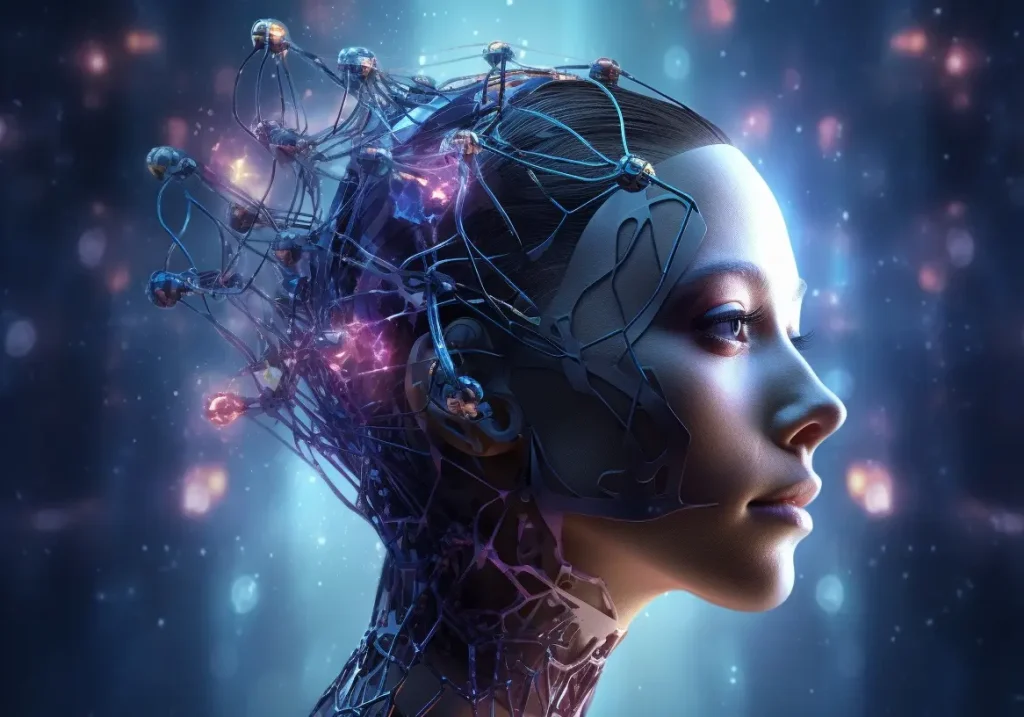
Consider the burgeoning realm of emotion-recognition tools. These systems analyze tone, word choice, and even facial expressions to offer responses that feel human. Yet AI doesn’t experience emotions; it mirrors them through complex algorithms – kind of like posting a sad emoji when you’re not sure how to react.
The Real and the Virtual: Walking Hand in Silicon Hand
Despite advancements, AI is still missing a key component: genuine consciousness. While ChatGPT might engage in late-night tête-à-têtes, it won’t replace the warmth of human interaction. Think of it like relying on your GPS instead of asking for directions; both get you where you need to go, but only one provides the serendipity of human encounters (and sometimes hilarious detours).
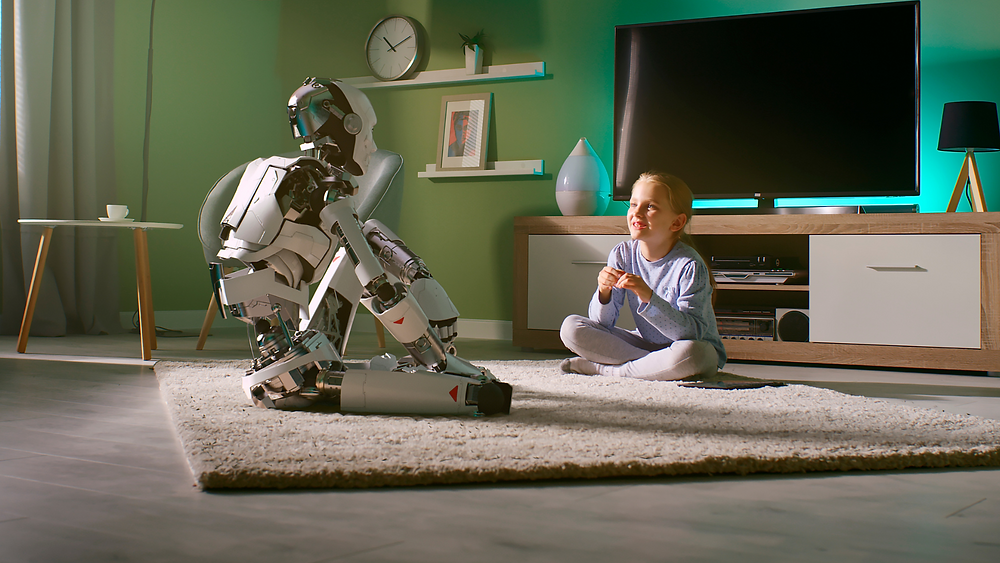
Virtual companions hold a mirror to our daily interactions, with intriguing results. AI, as it stands, can hold its own in many conversations and contexts, from tech support to therapy-like exchanges, offering a taste of companionship. However, relying on AI for emotional support still requires a pinch of salt and maybe a backup human friend.
A World of Chatbots and Coffee Makers
To see the tangible effects of AI’s emotional leap, look around at everyday technology. Chatbots are spreading faster than coffee spills on Monday mornings. They’re customer service warriors, helping us navigate everything from online shopping dilemmas to account management woes. Companies increasingly rely on virtual beings to probe customer satisfaction and even suggest emotional language conditioning — ensuring feedback doesn’t read like a slap on the wrist but a gentle nudge.
Even your smart home devices are getting in on the game. Imagine a world where your coffee machine comments on how you’re still only on your third cup by 10 a.m., proving that even tech understands the plight of the caffeine-deprived.
Conclusion: What It Means to Be Friends with ChatGPT
In the grand tapestry of technology and humanity, ChatGPT and other intelligent systems represent a landmark in bridging the digital divide — weaving connections, simplifying lives, and sculpting a new paradigm of virtual companionship. While AI might not replace your best friend just yet, it’s a strong contender for best-texting-buddy, all set to perfect the art of listening to our woes without accidentally posting them on social media.
As we dwell in this brave new world, let’s embrace AI’s quirks with a smile and our morning coffee — fearing not judgment, but enjoying the quirkiest, geekiest friendships of the digital age. After all, great stories often start with unlikely friendships, digital or otherwise. Here’s to hoping your ChatGPT can remember your birthday without needing a reminder app — a true step toward bridging the human-tech divide.