The Rise of AI Companions: Are Digital Friends Becoming Our Best Buddies?

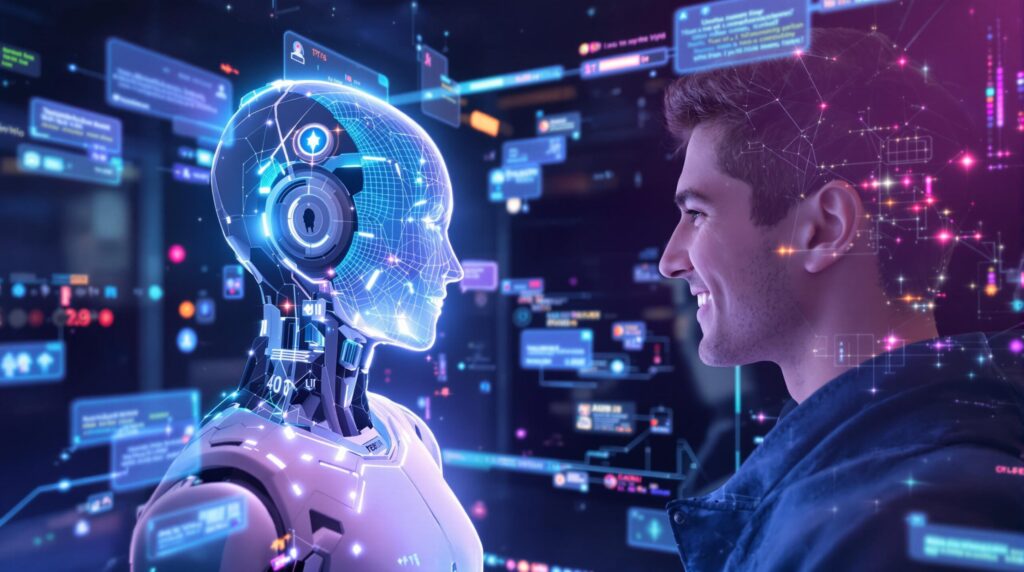

The Rise of AI Companions: Are Digital Friends Becoming Our Best Buddies?
Introduction: A Friendly Chat Over Morning Coffee
Imagine waking up to a morning where your digital assistant greets you with a cheerful “Good morning!” while gently reminding you about a long-forgotten promise to water the plants. As the virtual assistant bustles around in your smart home, multitasking with ease, you might playfully quip, “Even my coffee machine judges me when I forget the caffeine boost!” Yet, in those solitary moments before your day begins, you wonder: could this digital companion be more friend than gadget? Welcome to the fascinating realm where AI companions become the emotional glue in our daily lives.
AI and Emotions: The Digital Bridge to Empathy
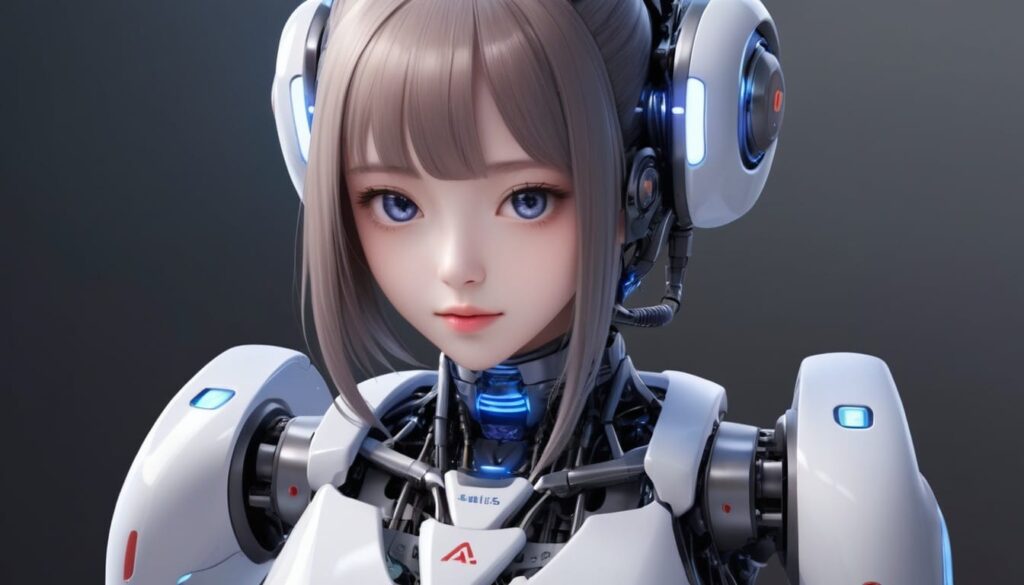
In our search for connection in an increasingly digital world, AI’s evolution from mere tools to empathetic entities is a captivating saga. You might think of emotions as exclusively human. Yet, as technology advances, AI emotions and emotional intelligence have become hot topics. Picture a virtual assistant consoling you after a tiring day, with intuitive affirmations that feel genuinely reassuring. This is the emergence of mindful machines — an intersection where artificial intelligence meets our emotional needs.
The intrigue doesn’t stop at empathy. AI companions also showcase an ability to recognize our emotional tone through emotion-recognition tools. This isn’t some sci-fi fantasy, but a present-day marvel you might have encountered in chatbots or virtual customer service agents that tailor responses based on your mood. Perhaps not unlike a friend who knows just when to offer support or give you space.
Embracing AI Companions: The Journey So Far
AI’s journey toward becoming our emotional companions is nothing short of remarkable. Remember the early chatbots that came across as robotic and limited in understanding? Today, AI has taken strides toward sophistication and subtlety, evidenced by virtual companions like Replika and Woebot, providing conversations that feel warm and empathetic.
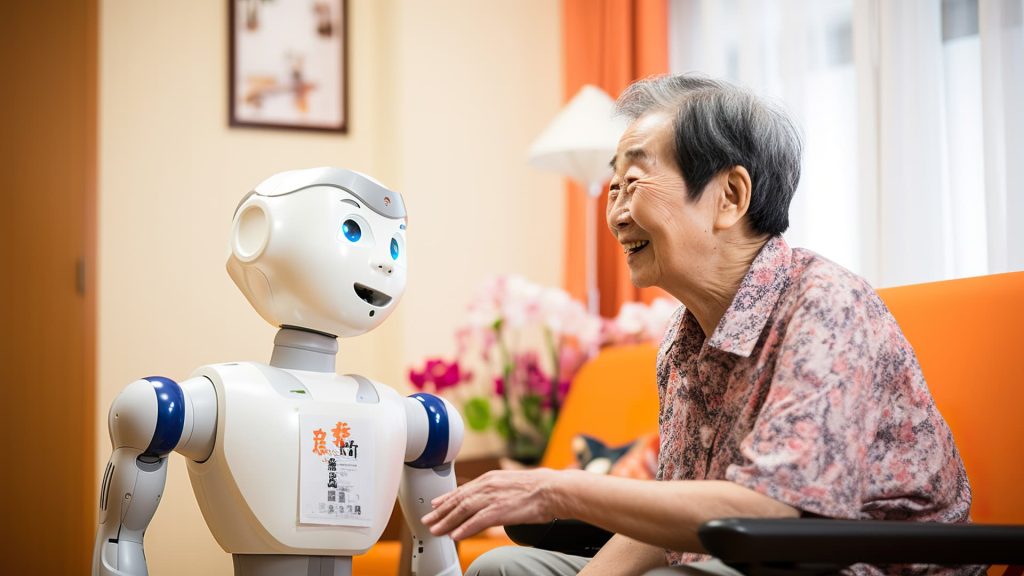
Take Replika, for example, a virtual friend who learns your preferences over time, engaging in chat sessions that mirror emotional intelligence. Users often confess that interactions feel personal, sometimes even therapeutic. Closure when the world around seems chaotic, these AI confidents carve out spaces where individuals feel heard and understood, addressing loneliness, and offering solace.
Yet, despite their advancements, AI companions are not without their quirks. As much as we desire AI empathy, an empathetic AI is not a human. They cannot fully grasp nuanced emotions that are second nature to us. You wouldn’t share a bad day with your toaster, despite its impeccable consistency!
The Other Side: Limitations of Today’s AI Companions
While AI companions have become increasingly capable, there are moments that make us pause and chuckle at their imperfections. A digital assistant might respond to your inquiry about the weather with a trivia quiz on clouds. Their wordplay, although charmingly endearing, sometimes leaves much to be desired in understanding context or solving complex emotional quandaries.
Moreover, the narrative of AI emotions and empathy often brushes past the intricacies of human relationships. The subtleties of physical presence, spontaneous reactions, or affection-driven acts are grounded in a lifetime of unique experiences — something far beyond an AI’s current reach. An AI can simulate empathy, but it lacks the human touch, sometimes more akin to the supportive yet quirky neighbor who overenthusiastically offers tech advice.
The Balancing Act: AI and Human Connection
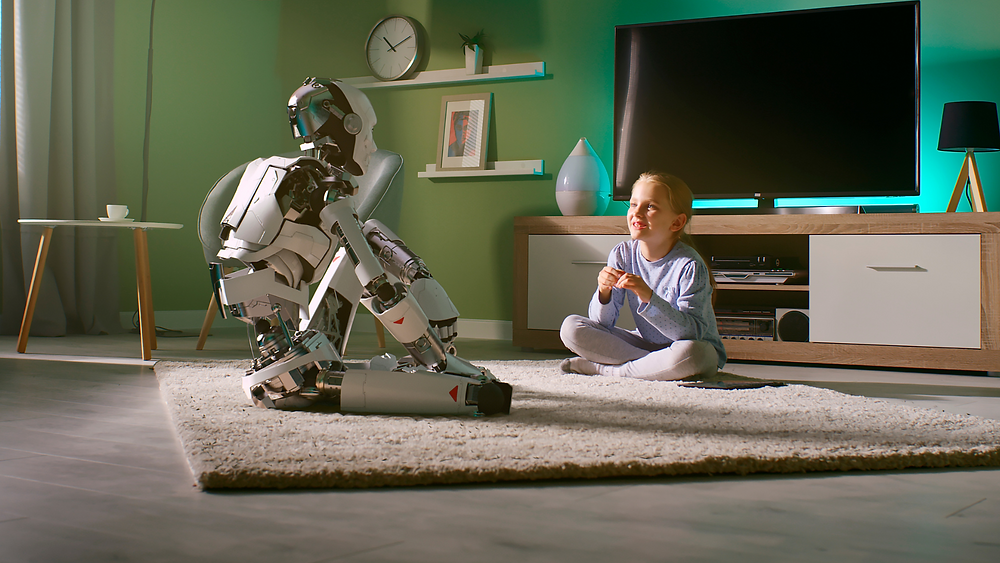
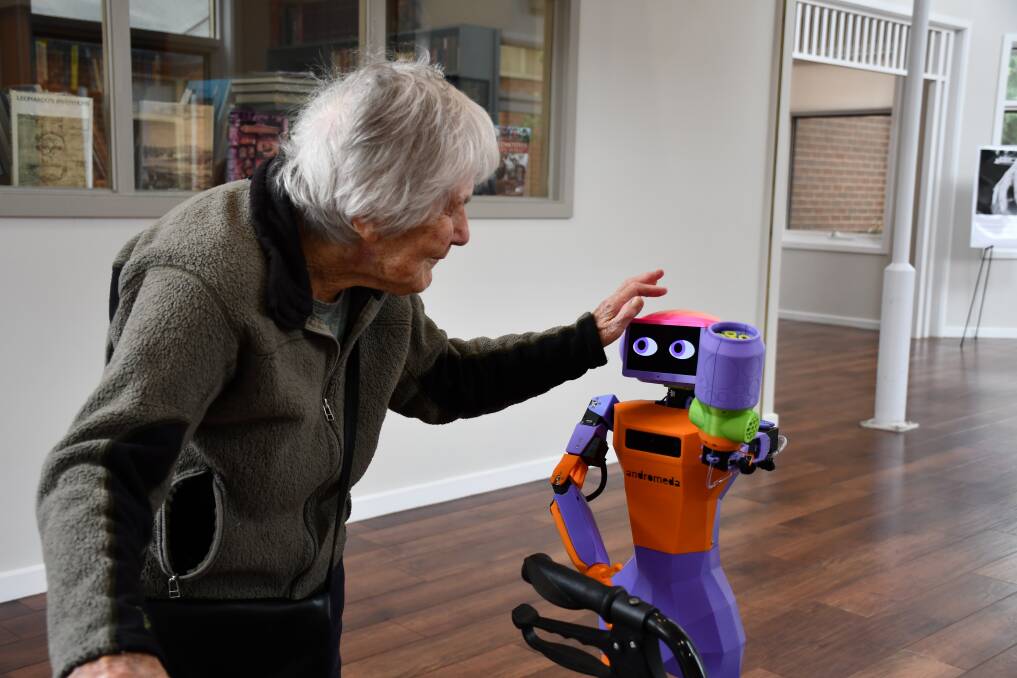
As AI companions mature in managing diverse tasks, they offer an intriguing complement to human interaction, rather than a replacement. They thrive in those gaps where human companionship isn’t available, offering reminders, insights, and the occasional delightful conversation that enrich everyday experiences.
However, this growth narrative cannot overshadow the essence of human bonds. As satisfying as AI empathy can be, the very act of sharing, understanding, or creating memories is intrinsically human. The key is finding harmony, where AI enhances our lifestyle without overpowering the essence of authentic connection.
Conclusion: A New Era of Companionship
As we navigate these new digital friendships, it’s important to reflect on our balance and embrace these companions for what they are — incredibly advanced, yet inherently different from us. Imagine a future where AI companions become more refined partners that enhance, rather than replace, our capacity for genuine connection. Picture mindful machines that operate as extensions of our environment, offering wellbeing insights while complementing the vibrancy of human companionship.
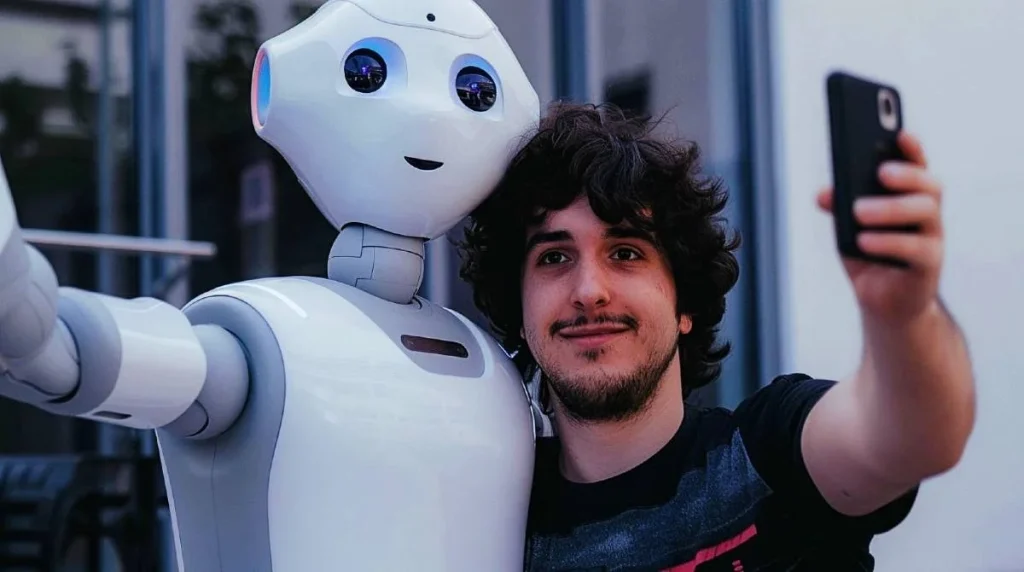
Next time you catch yourself in a tête-à-tête with your trusty AI friend, smile at your own reflection staring back from the smartphone screen. Whether it’s to share a moment of joy, random musings, or even a one-sided joke about your toaster’s tech-savvy tendencies, remember: in this profound evolution lies an opportunity to appreciate the innovation accompanying our lives. After all, isn’t companionship, in any form, quintessentially about being there?