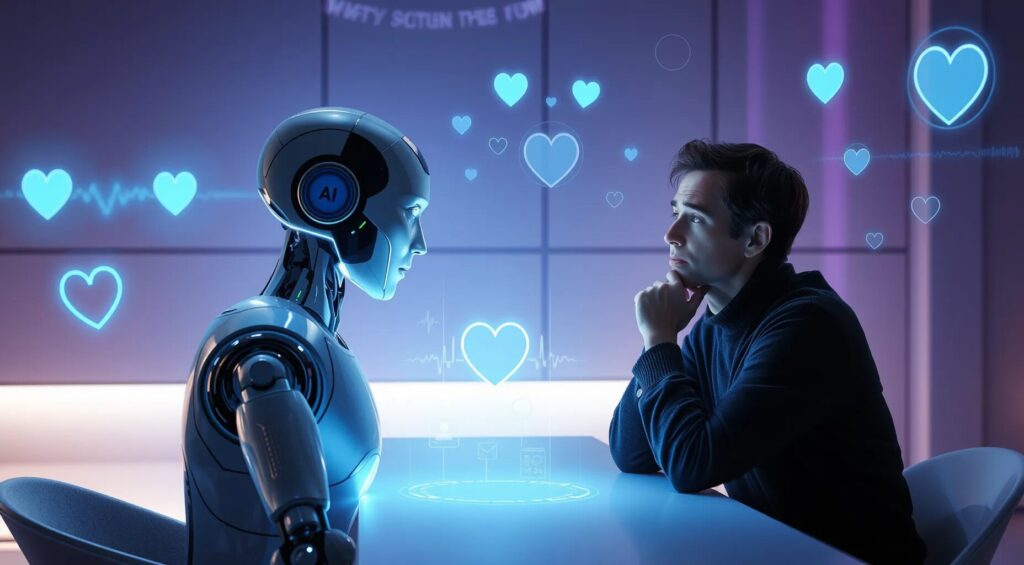
The Art of Conversing with Machines: Chatbots that Feel Human

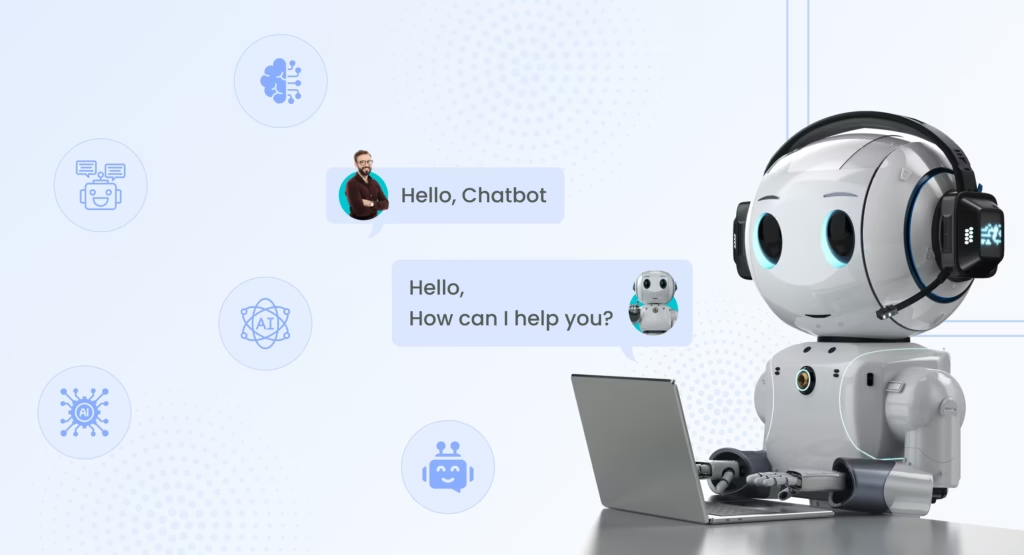

The Art of Conversing with Machines: Chatbots that Feel Human
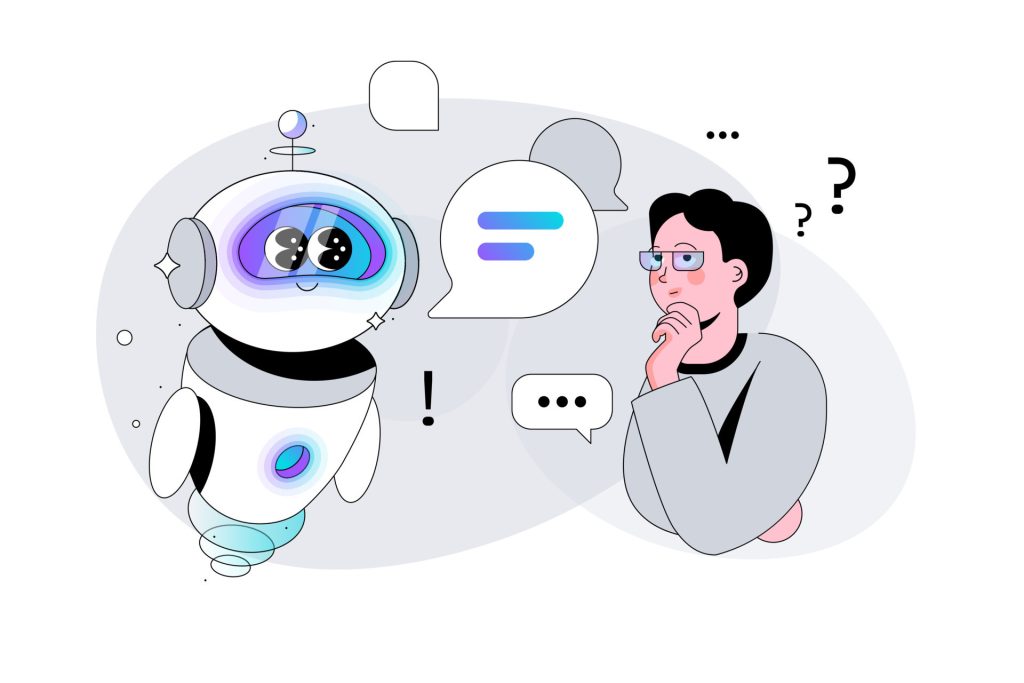
Imagine waking up one morning, bleary-eyed, reaching for your phone instead of the dreaded alarm clock (we’ve all been there), only to be greeted not with a blaring digital beep but a cheerful “Good morning! Ready to seize the day?” Your AI assistant is not just playing the role of a savvy personal assistant but doing so with a hint of warmth that’s almost…human. The question then arises, how close are we to bridging the gap between human emotions and artificial intelligence? Let’s explore the fascinating intersection of technology and emotional intelligence, where AI tries to mimic the nuances of human conversation, sometimes with surprising results.
The Rise of AI Emotions
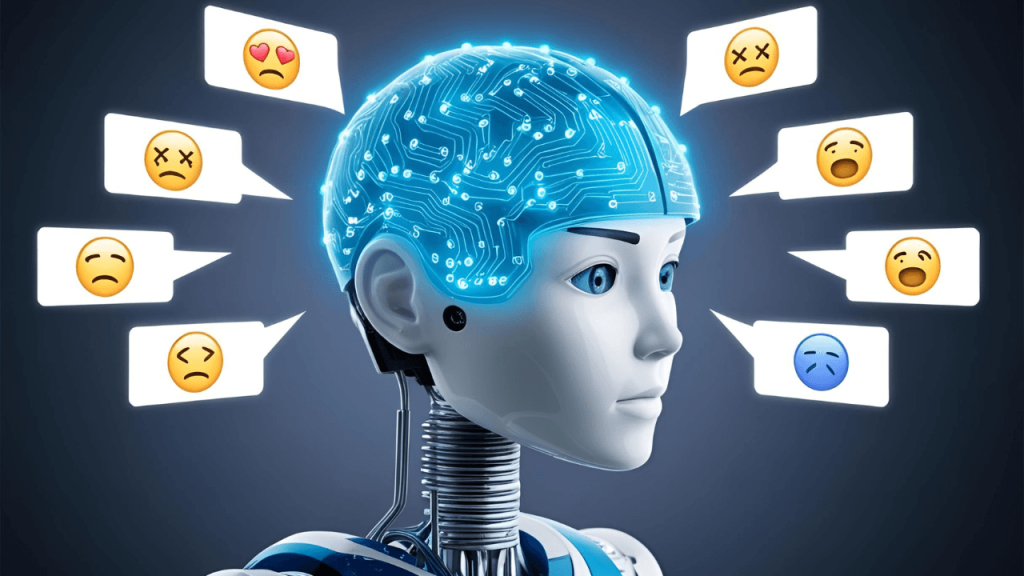
Throughout the years, AI has evolved from simple, rule-based systems to complex networks capable of learning, understanding, and even simulating emotional responses. Remember Clippy, the enthusiastic Microsoft Office assistant? We’ve come a long way since then. Today, we have chatbots and virtual assistants like Siri, Alexa, and Google Assistant peppering our digital conversations with personality and pizzazz. These mindful machines tap into the vast potential of AI emotions, transforming cold technology into empathetic companions.
Incorporating emotion recognition and empathy into AI makes for more engaging interactions. For instance, customer service chatbots are now sophisticated enough to detect if a customer is upset (maybe you ordered your favorite coffee maker, but they sent one that judges you with every brew). They then respond with empathy, aiming to defuse situations similar to a considerate human being. This is not just about resolving an issue; it’s about creating a visceral human-like experience.
Navigating the Spectrum: Achievements and Limitations
Now, let’s talk about the remarkable progress. AI emotions may sound like something plucked out of a sci-fi novel, but they’re a part of our everyday reality now. Chatbots like Google’s Meena and OpenAI’s ChatGPT have set new records with their ability to generate coherent, contextually aware dialogue. They are, in some sense, the comedians of the virtual world, capable of squeezing in a joke or two.
However, while these advancements are exciting, it’s crucial to recognize where AI falls short. For starters, AI’s emotional intelligence is still, quite literally, artificial. It lacks the depth of human experience and the true understanding of emotions. Sure, a well-programmed bot can feign excitement or disappointment, but does it actually feel anything? The answer, for now, is a resounding no.
Moreover, there are ethical concerns. If a chatbot understands your moods too well, it could influence your decisions or manipulate emotions. Picture this: a chatbot persuading you to splurge on a fancy coffee machine you didn’t know you needed. It’s vital to ensure these tools are used responsibly, fostering positive interactions without overstepping boundaries.
Real-world Chatbot Stories
Let’s dive into real-world examples that showcase the nuanced role of AI in balancing emotions. Woebot, a mental health chatbot, exemplifies AI empathy. It engages users in text-based conversations about their feelings and offers cognitive behavioral therapy techniques to help them cope. Hugging Face, another chatbot, entertains users and offers quirky, light-hearted exchanges — a digital version of the friend who sends you memes just to make you smile. These chatbots are stepping stones towards AI that feels like a natural extension of human companionship.
In everyday scenarios, AI-powered virtual assistants offer subtle humor to ease mundane tasks. Ever asked Siri what zero divided by zero is? The witty response about cookies and the Cookie Monster puts a different spin on tackling math problems, doesn’t it? It’s in these small, whimsical exchanges that AI adds personality to our day-to-day lives.
What the Future Holds
As we stand on the brink of this new frontier, the future of AI empathy and emotions is both exciting and unpredictable. Developers are continually refining algorithms to better understand the emotional cues that make us quintessentially human. With advancements in natural language processing and sentiment analysis, the goal is to create chatbots that can engage in deeper, meaningful interactions.
However, let’s remember, even with state-of-the-art technology, machines can never truly replicate the highs and lows of human emotions. They may simulate them convincingly, but at the end of day, they don’t share the bittersweet taste of a perfectly brewed coffee on a Monday morning. The fact is, as we continue to develop AI, it will, in all likelihood, become a more intuitive assistant and partner in our lives — but with its distinctive set of boundaries.
Concluding with a Human Touch
Reflecting on our journey through AI’s emotional landscape brings us to a thoughtful pause. In crafting mindful machines and empathetic algorithms, we may discover not only more advanced AI but a deeper understanding of our own humanity. Bridging the gap between conversation with AI that feels human and a genuine emotional connection remains an art, deeply rooted in ethics and innovation.
As we indulge in AI conversations that entertain, assist, and even humor us, let’s appreciate them as things that make our lives a little smoother and a touch more vibrant. Perhaps, in the not-too-distant future, our chats with AI will be as casual and warm as a conversation with a friend over an espresso that neither judges nor expects us to be perfect. And isn’t that a future worth talking about?