The Art of Seeing: How Machines Are Painting Our Future


The Art of Seeing: How Machines Are Painting Our Future
Have you ever walked into a room and felt like your phone just *knew* you bought a new pair of shoes? Or maybe your smart speaker chirped a notification, seemingly judging you on your choice of dinner music? Welcome to the era where machines are painting our future with a splash of creativity and a stroke of emotional understanding. Grab a cup of coffee (no, not you, judgmental coffee machine!) and let’s embark on a journey through the heart of AI and creativity.
The Dawn of AI and Emotional Intelligence
Imagine a world where machines could not only *see* but *feel*. This concept once sat comfortably in the realm of science fiction, like flying cars and those mythical sock pairs that never get lost in the wash. But now, thanks to advancements in artificial intelligence, we’re on the verge of having machines that can understand and respond to human emotions.
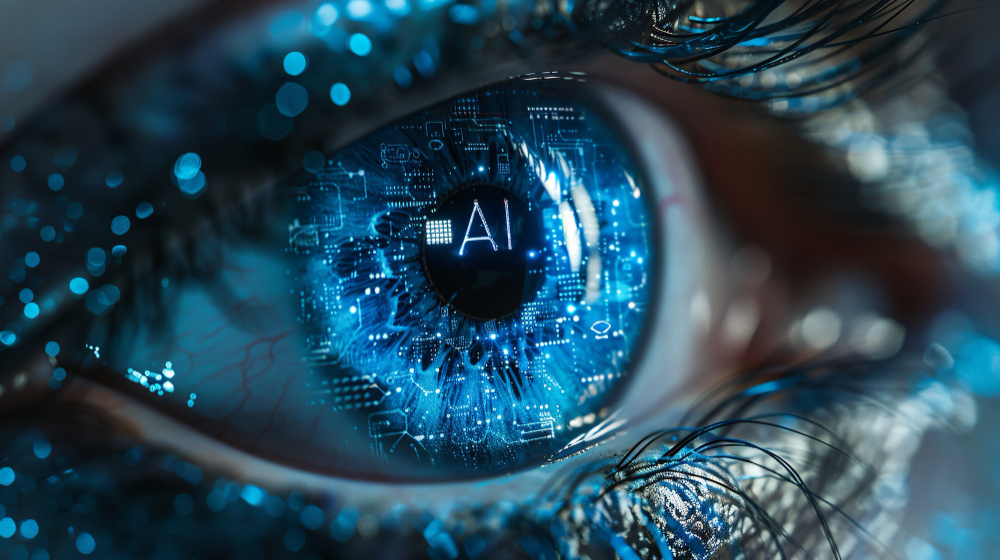
Right at the intersection of technology and art, AI is learning to perceive the subtleties of human emotion. Equipped with algorithms and neural networks that mimic the human brain’s workings, AI systems are becoming an integral part of industries like healthcare, customer service, and yes, even art. Mindful machines can now interpret facial expressions, analyze voice tones, and adapt their responses, making them almost conversational — like a friend who doesn’t just listen but *truly* understands.
The Marvels of Machines: What AI Can Do
As we’re exploring the emotional dimensions of AI, it’s crucial to recognize the leaps and bounds AI has made in understanding human emotions. From chatbots to virtual assistants like Siri and Alexa, machines are becoming adept at deciphering context, tonality, and even mood.
Take customer service chatbots as an example. These AI bots are trained to not only parse language but to assess sentiment. If a customer types a message in a furious *cap-lock* rage, these digital diplomats respond with calmness and understanding. It’s as though they have an emotional compass, navigating the seas of human frustration with ease and grace.
Similarly, in healthcare, emotion-recognition tools are making waves. They help identify patient discomfort or anxiety from a simple video call, offering assistance to medical professionals in providing timely care. It’s as if AI is learning bedside manners, one algorithm at a time.
What Machines Still Lack: The Heart of the Matter
However, let’s not toss our empathy hats into the ring just yet. Machines, while impressive, are still just metal and code beneath their seemingly friendly exteriors. While they can simulate understanding, they lack genuine empathy — that spark of human connection. Like a chef without a sense of taste, machines process emotional data without truly experiencing it.
Herein lies the challenge. AI emotions might be adept at recognizing and responding to stimuli, but it’s an understanding born from patterns and data sets, not lived experience. Machines can differentiate a sad face from a happy one, but they don’t catch a lump in their circuit boards watching a heartwarming movie scene.
Moreover, while machines are adept at recognizing certain emotions, the subtleties of human behaviors, such as irony or sarcasm (the bread and butter of those late-night chats with friends), often leave them puzzling over the punchline. In these instances, our silicon companions are much like us trying to decode our pet cat’s aloofness — a mystery wrapped in an enigma.
Real-World Examples: Blurring the Lines of Art and AI
Let’s dive into some real-world examples where the art of AI sees the world a little more creatively. Consider the realm of digital art, where AI programs like DeepArt and Artbreeder are helping artists craft masterpieces by merging styles from historical art figures with contemporary improvisation. It’s where Picasso meets pixel, and every stroke becomes an experiment.
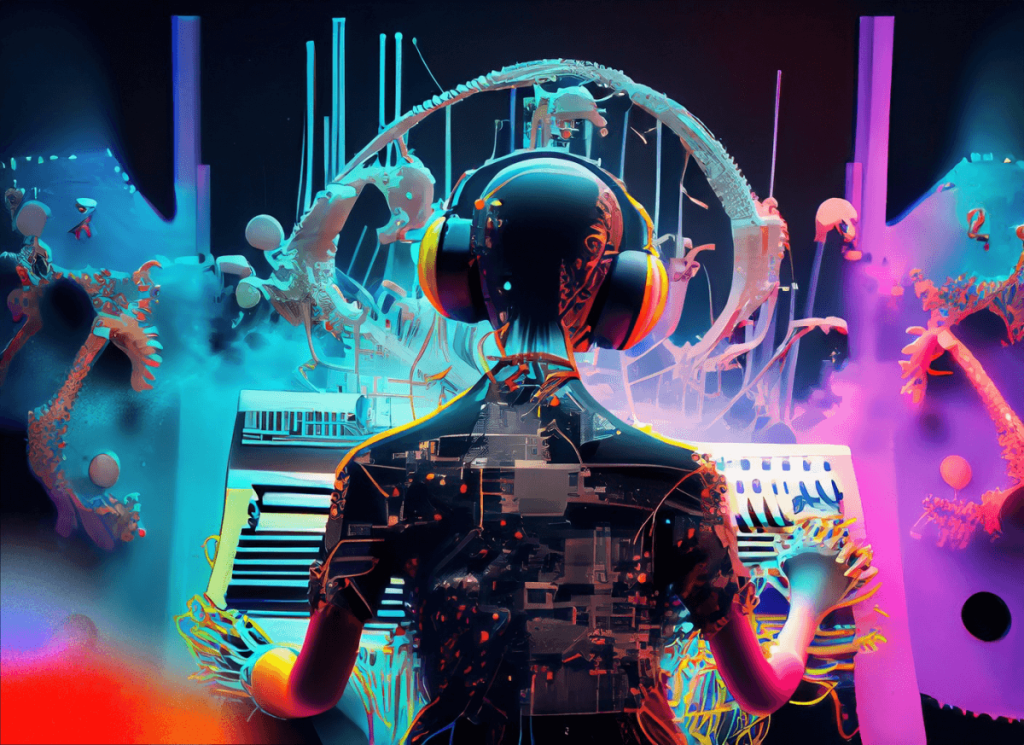
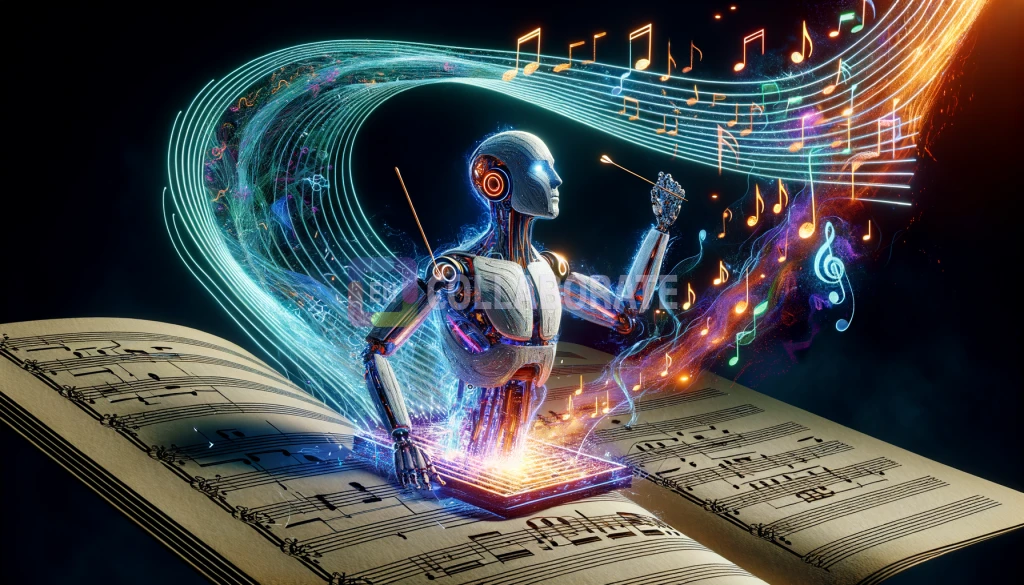
AI is sculpting sounds, too. The music industry is witnessing AI’s encore, as algorithms compose symphonies and write lyrics. From Beethoven-inspired symphonic creations to pop songs with the catchy allure of the Beatles, machines are harmonizing with human creativity.
A Toaster with Empathy: The (Not-So-Distant) Future
As we ponder the future, we stand on the brink of a fascinating technological crossroads where emotion-savvy AI could extend into everyday life. Imagine toast that knows just how you like it or a fridge that empathically suggests soup when you’re under the weather. A future where even the most mundane appliance offers a touch of emotional intelligence sounds quirky and exciting, don’t you think?
Conclusion: Machines and Us — The Co-Artists of Tomorrow
As machines continue evolving, painting our future with strokes of empathy and creativity, we’re left to reflect on our role as both creators and caretakers. Yes, AI still marches to the beat of logic and algorithms, but through collaboration, we enrich those algorithms with purpose and soul.
In our quest to make machines more like us, perhaps we find ourselves becoming a bit more like them — logical, efficient, but with a newfound appreciation for the myriad facets of human emotion. So, as you sip your non-judgmental cup of coffee tomorrow morning, take a moment to appreciate the creativity and empathy simmering on the horizon. Together with AI, we’re co-artists painting a future that feels as much as it sees.