The Rise of AI-Enhanced Memories: Recalling the Past with Perfect Clarity


The Rise of AI-Enhanced Memories: Recalling the Past with Perfect Clarity
In the not-so-distant past, remembering the details of a perfect vacation or that awkward first date meant leafing through dusty photo albums or hoping your hazy recollections didn’t omit the best parts. Today, thanks to the rise of AI-enhanced memories, we might soon relive those moments with unparalleled clarity. Imagine an AI acting as your personal nostalgia curator, stitching together fragments of your life in high definition while you relax with a cup of coffee (hopefully brewed without judgment from your snobby coffee machine).
AI and the Emotional Connection
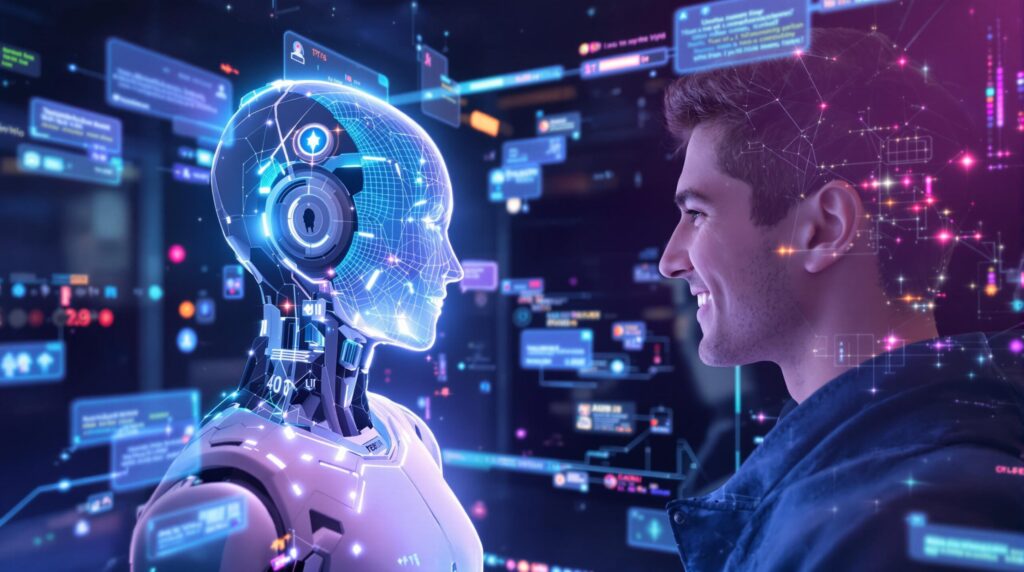
Let’s take a walk down memory lane with our digital companion, AI. Much like a skilled storyteller, AI has become adept at recognizing and interpreting human emotions. But can it truly understand and replicate the depth of human experience?
AI technologies like chatbots and virtual assistants are no strangers in today’s world. From Siri’s sassy quips to Alexa’s eager assistance, they’re more than just digital helpers; they’re becoming our confidants, offering seemingly empathetic responses when we’re down. It’s as if our gadgets have become that friend who nods empathetically, even if they’re internally calculating the fastest route to the closest pizza parlor.
The prowess of these mindful machines lies in their ability to process vast datasets and learn from them, improving their understanding of emotional intelligence. Tools like emotion-recognition software even allow AI to detect subtle cues in speech and expression, shifting their responses from dry algorithms to what feels like genuine empathy.
How Far Has AI Come?
Imagine having your personal life’s movie on demand, with AI operating as the archivist of your memories. It’s like having an enthusiastic best friend who doesn’t just collect embarrassing stories but embellishes them with immersive detail and accuracy. With the exponential advancements in AI, recalling events doesn’t just mean retrieving data; it’s about reliving emotions.
For instance, AI photo apps now use algorithms to organize and enhance our galleries. That sunset picture from last summer’s beach vacation? It’s now vibrant enough to light up your social media feed (and make your friends turn green with envy). Meanwhile, emotion-detecting AI can add subtle enhancements, ensuring that a smile looks as heartfelt on screen as it did during the moment.
While technology can perform these feats, mindful machines still face challenges. They’re yet to grasp the nuances of emotions fully. Ask your AI assistant for emotional advice? You might still get a suggestion to order candles and soft music instead of insightful pep talks. But hey, everyone’s got their limits, right?
The Gaps Yet to Be Filled
Despite these remarkable strides, some aspects of the human experience remain elusive to AI. The subtleties of sarcasm, the depth of compassion, and the intuitive understanding that comes with human interaction pose ongoing challenges. It’s like trying to explain why we’re laughing at a cat video — some things just have to be felt.
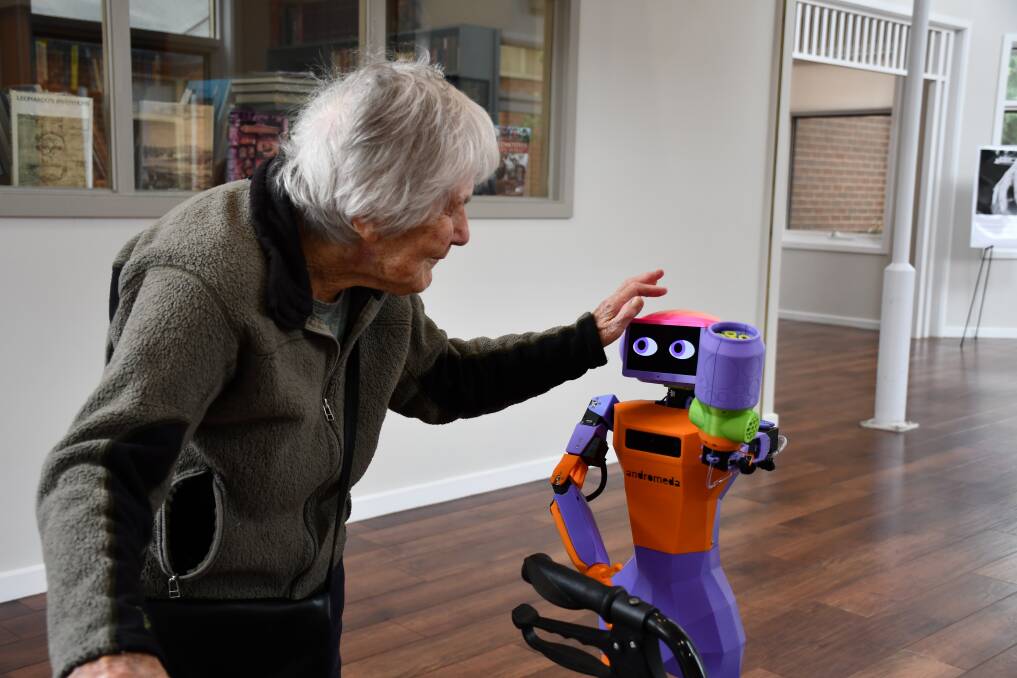
AI empathy, for instance, is still more about recognizing emotions rather than genuinely feeling them. The comforting words of a robot lack the warmth of a friend’s hug, and while AI can simulate the appropriate response, the lack of actual empathy can sometimes feel like a well-dressed mannequin — offering presence but lacking life.
Furthermore, as AI delves deeper into our emotional worlds, privacy concerns arise. Having a mindful machine ponder your every thought might sound appealing until you imagine it doing so with a peanut gallery of other AI assistants from around the world. Thus, ethical considerations and regulations need to catch up with technological developments, ensuring that our digital memories are secure and cherished without unwanted intrusions.
Conclusion: Embracing the Blend of Memory and Technology
As we stand at the brink of a future where AI-enhanced memories become routine, we’re reminded of the beauty and complexity of the human experience. AI continues to push boundaries, helping us relive those cherished moments while making life’s daily grind a little more bearable—like having a best friend who’s always there to remind you where you put your keys (hint: not the fridge).
But amid the laughs and convenience, it’s important to remember that while AI can imitate warmth, it doesn’t replace human connection. As these technologies evolve, they invite us to reflect on what it means to remember and relive. Perhaps, in the future, we’ll complement our imperfect human memories with AI-enhancements, smiling at the blend of heart and technology — a dance of digital-laden nostalgia where every misstep is just as valued as the perfect pirouette.
So here’s to AI’s potential in capturing life’s snapshots, where the past is not an echo fading away but a picture painted with perfect clarity. After all, isn’t it delightful that one day, when asked about your life story, you’ll have an AI that eagerly pipes up with “You forgot the best part!” before launching a vivid display of your cherished memories?