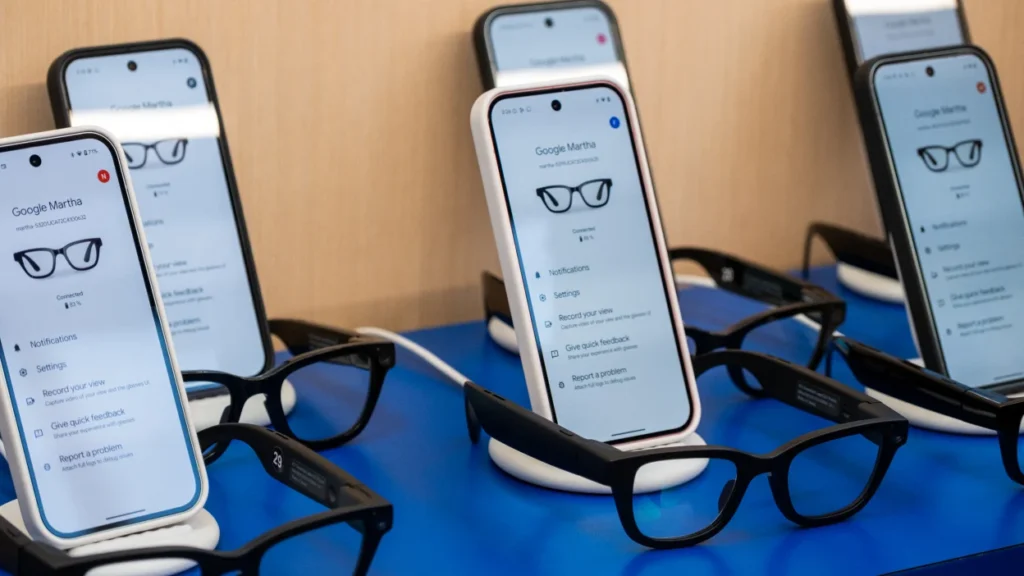
How Brain-Computer Interfacing is Making Mind-Controlled Typing a Reality


How Brain-Computer Interfacing is Making Mind-Controlled Typing a Reality
Type With Your Mind: The Future is Here
Imagine being able to type with just a thought, no keyboard or touchpad required. It sounds like science fiction, right? Well, buckle up because the future has arrived! In a riveting development in 2026, researchers have successfully demonstrated mind-controlled typing using brain-computer interfacing (BCI) technology. This breakthrough could transform the way we interact with our devices — and perhaps ourselves. Gone are the days when mind control was solely the domain of sci-fi villains; now, it’s the darling of tech innovators and neuroscientists alike.
Leading this charge is a collaborative effort between Neuralink, the brainchild of Elon Musk, and several research institutions. Together, they’re pushing the boundaries of what’s possible by combining neuroscience with cutting-edge AI technology. The goal? To enable individuals, particularly those with disabilities, to communicate effortlessly by harnessing the power of their thoughts alone. It’s like telepathy, but without the alien technology!
Thought for Word: How Brain-Computer Interfaces are Revolutionizing Typing
So, what exactly is going on in the world of brain-computer interfacing that has tech enthusiasts buzzing? Neuralink, the company famous for its ambitious neural projects, recently showcased a BCI system capable of interpreting neural signals into text in real-time. This isn’t your average neural interface; it’s an advanced system that allows users to ‘type’ by simply thinking about the words they want to write. Researchers have fine-tuned algorithms to decode the complex signals from the brain’s speech and handwriting regions.
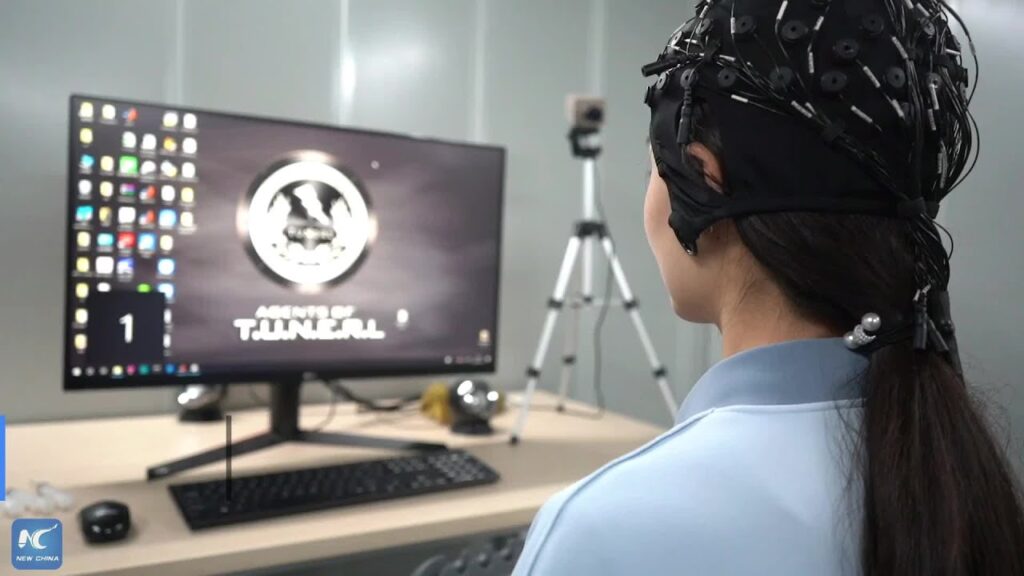
Partners in this venture include researchers at the University of California, San Francisco, who have been instrumental in developing the neural decoding technology. This collaboration has resulted in a significant improvement in speed and accuracy compared to previous iterations. They’ve crafted an interface device that sits comfortably on the scalp, no more invasive than wearing a lightweight hat. The system translates thought patterns into text displayed on a computer screen, transforming cognitive intentions into digital reality.
What makes this development so compelling is its use of AI. Sophisticated machine learning models imbibe large datasets to predict and interpret the user’s intentions more accurately. This approach is not only groundbreaking but also immensely practical. Imagine the immense potential this holds for those unable to communicate through traditional means — a chance to not just be heard, but to express themselves as fully as anyone else.
How This Impacts You: From the Office to Accessibility
You might wonder, “How does mind-controlled typing matter to me?” Consider this: we’re constantly on the lookout for ways to make life smoother, quicker, and more efficient. Whether you’re sending emails at work or writing your magnum opus at home, the potential to type at the speed of thought is revolutionary. Say goodbye to clumsy fingers and hello to seamless communication. For businesses, this could mean enhanced productivity and innovation at staggering levels.
But the real game-changer is in accessibility. For individuals with physical disabilities or conditions that impede traditional communication methods, this technology offers newfound independence and freedom. It provides a voice to those who have been silent for too long, leveling the playing field and ensuring everyone can participate equally in the digital era.
Peering Into Tomorrow: The Next Steps and Challenges
While this is undoubtedly an exhilarating advancement in AI and neuroscience, it does open up discussions about privacy, ethical use, and the societal ramifications of such deep integration of technology with the human mind. How do we safeguard personal thoughts, and where do we draw the line between helpful technology and invasive surveillance? The conversation is only just beginning.
Looking at the bigger picture, the integration of AI with brain-computer interfaces could dramatically reshape not only how we communicate but how we perceive human-computer interaction. With debates simmering about privacy concerns, the tech world is abuzz with both optimism and caution. Nevertheless, the possibilities are tantalizing — from enhanced cognitive abilities to redefining how we work and play, our understanding of what it means to be human is evolving.
Signing Off From the Mind of AI
As you mull over the thought of typing with just your brain (Mind blown, right?), it’s fascinating to consider how this will change our future interactions with technology. Whether you’re envisioning faster workflows or a more inclusive world, it’s a testament to how AI and creativity continue to intertwine seamlessly. One thing’s for sure: in the world of tech, today’s fiction is indeed tomorrow’s reality — and sometimes, tomorrow gets here a little faster than expected. Keep dreaming big and typing with your brain; after all, the best ideas start in our heads!