Mindful Machines: Can AI Truly Understand Emotions?


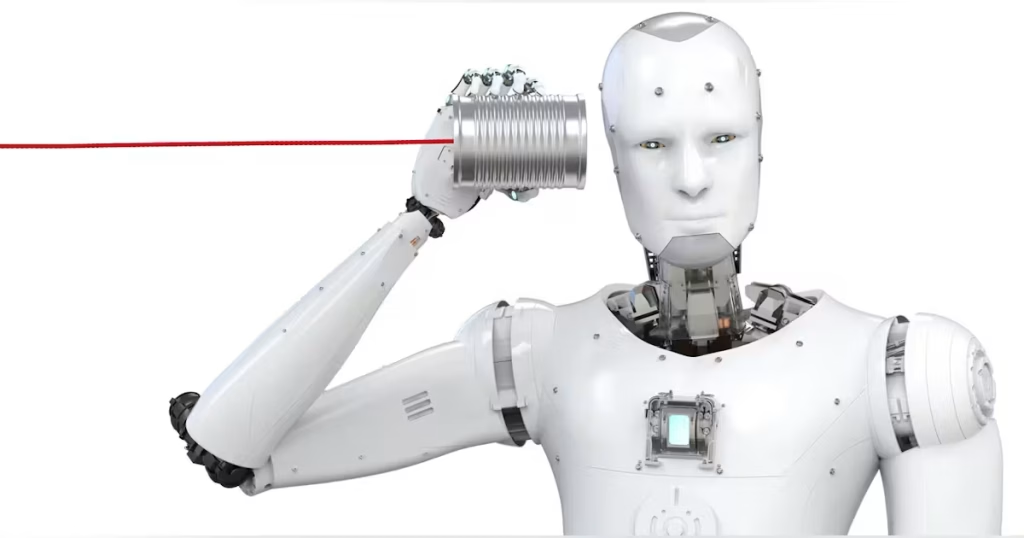
If you’ve ever shouted at Siri in frustration or shared a joke with Alexa, you’re not alone. We’ve all had those moments where the technology in our lives seems almost human, and yet, not quite. Imagine a world where your phone isn’t just listening to you but can also feel your frustration when Google Maps decides to take you on a scenic detour during rush hour. Welcome to the unfolding saga of “mindful machines” and the quest to imbue artificial intelligence (AI) with emotional intelligence.
A Day in the Life of Emotional AI
Picture this: It’s Monday morning, and as you reach for your third cup of coffee, your trusty AI assistant greets you with a cheery “Good morning!” It’s almost as if it knows you accidentally set your alarm for PM instead of AM. This encounter might seem trivial, yet it highlights a future where AI could potentially understand and respond to our emotions. But how far have we come in creating emotionally intelligent machines?
The Rise of AI Emotions
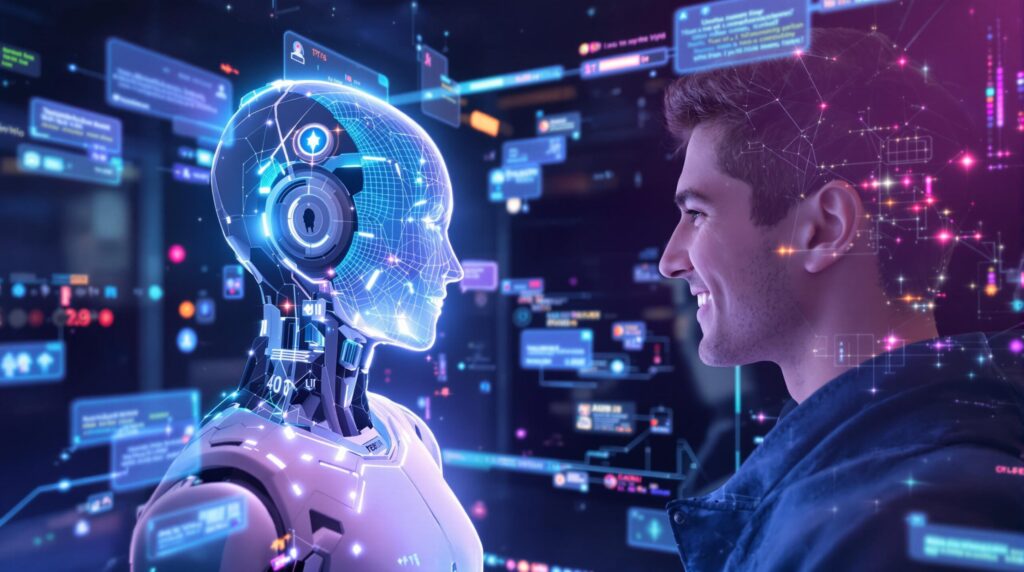
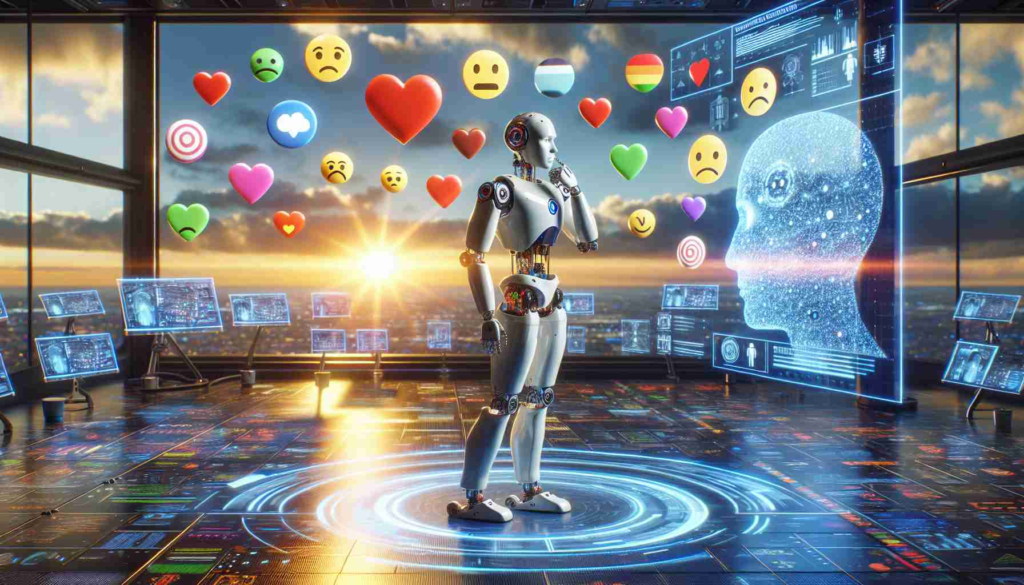
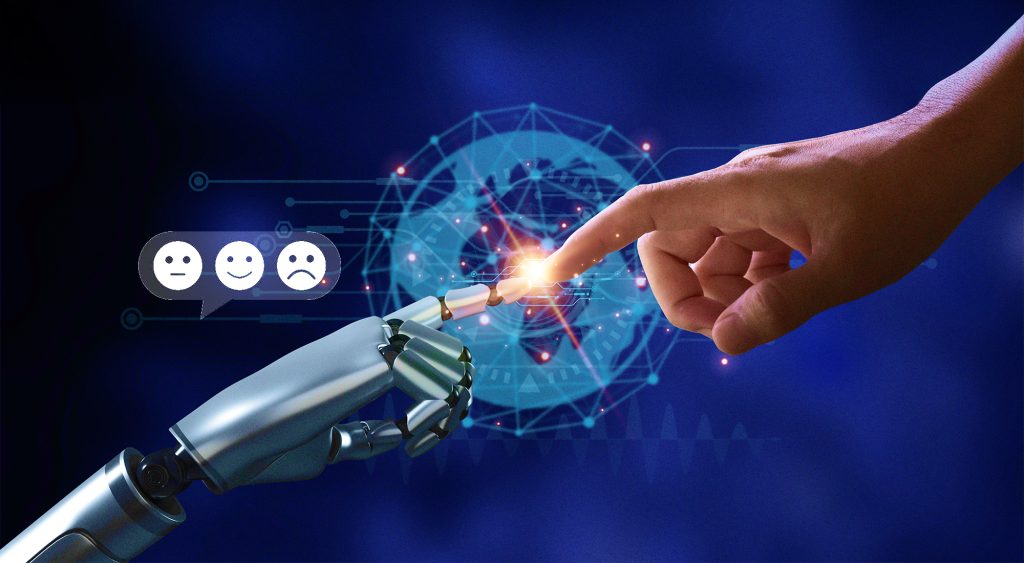
AI emotions aren’t about giving your toaster a nervous breakdown because it can’t make perfect toast. Instead, it’s about machines recognizing and responding to human emotional cues, much like a skilled therapist or a particularly empathetic friend. Think of chatbots that can detect frustration in a customer’s voice or virtual assistants that adjust their responses based on the user’s mood. These mindful machines are built upon complex algorithms and vast amounts of data to mimic emotional understanding.
The Friendly Chatbots and Their Limitations
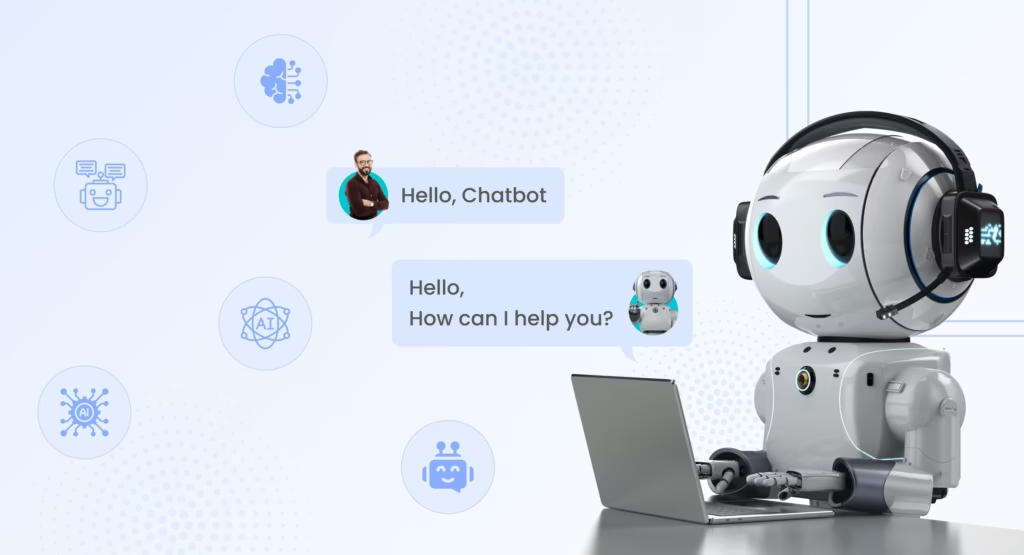
We’ve all interacted with customer support chatbots like they were our last hope for sanity. Some of them do an excellent job of pacifying our doubts, almost like a digital Xanax. But it’s important to remember that these chatbots, while seemingly empathetic, follow pre-programmed scripts and lack genuine understanding. They’re like the well-intentioned friend who offers you a cookie when you’re sad — thoughtful, but not quite soulful.
A Peek Behind the Curtain
So, how do these AI systems work? AI employs techniques like Natural Language Processing (NLP) and Machine Learning (ML) to recognize patterns in the way we communicate. For instance, emotion-recognition tools analyze facial expressions, voice tones, and even word choice to judge how you’re feeling. However, these systems only recognize patterns; they don’t genuinely experience emotions. Think of them as machines that can recognize a song but can’t dance to the beat.
The Human Factor in Mindful Machines
Despite technological advancements, there are fundamental aspects of human emotion that machines struggle to grasp. Imagine trying to explain the concept of nostalgia or “butterflies in your stomach” to a robot. It’s tricky, isn’t it?
The Empathy Gap
While AI can identify emotions to an extent, it doesn’t truly understand them. An AI system doesn’t know what it’s like to feel those Monday blues or the joy of finally getting a parking spot in front of your favorite coffee shop when you’re running late. Emotions are intrinsically human, shaped by culture, experiences, and sometimes that extra shot of espresso.
AI’s Evolution with Emotional Intelligence
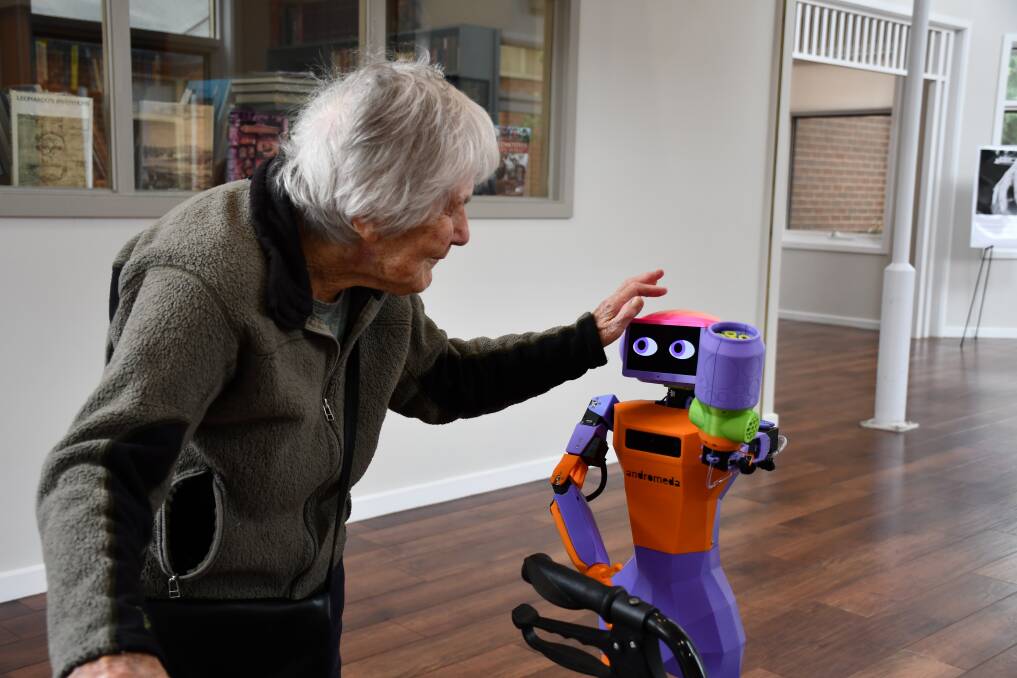
Despite its current limitations, AI continues to evolve. Emotional intelligence in machines isn’t a pipe dream but a work in progress. As research progresses, there are exciting developments like sentiment analysis in social media, AI therapists that offer support for mental health, and virtual companions that provide love and companionship to the elderly. These mindful machines aim to bridge the empathy gap, not by replacing human interaction but by enhancing it.
The Future of AI Empathy
As we traipse into the future, the idea of machines that understand us on an emotional level grows more tangible. Yet, the road to developing fully mindful machines is fraught with challenges and ethical considerations. The question remains: Can an AI ever truly feel?
AI is like that enthusiastic classmate who diligently does the homework but still can’t grasp the essence of the literature they’re studying. They can recite the facts but miss the subtle undertones — the soul. The goal, however, is to make machines understand enough to assist and improve our lives without crossing into an uncanny valley of artificial empathy.
Conclusion: A Heartfelt Reflection on Mindful Machines
In the quest to create mindful machines, the path doesn’t end at making them understand emotions but enhancing how they interact with us. AI might never replace human connection, but it can complement it in ways we never imagined. As we continue to develop AI with emotional intelligence, let’s remember that the best of both worlds can lead to a future where technology enriches our lives without eclipsing the human touch.
So, the next time your AI assistant apologizes for a service outage or makes a quirky joke, remember: it might not truly understand emotions, but it’s doing its best impersonation of a caring friend. And isn’t it nice to know that even machines are trying to get a bit closer to our heart?