How Smart Tech is Reshaping Our Emotional Intelligence


How Smart Tech is Reshaping Our Emotional Intelligence
Imagine this scenario: you wake up in the morning, groggy and with a head full of dreams half-remembered. As you fumble about for your morning brew, your coffee machine whirs to life—without you even pressing a button. “Rough night, huh?” it seems to buzz. While self-brewing coffee machines might be a stretch, technology’s ability to understand our emotions is not as far-fetched as it seems. Welcome to the world where smart tech meets emotional intelligence.
The Emotional Connection Between Humans and Machines
Once upon a time, technology was all clunky gadgets and lifeless screens. Fast forward to today, and we have mini-robots in our pockets that can understand our emotions—or at least try to. It’s not science fiction; it’s our daily reality.
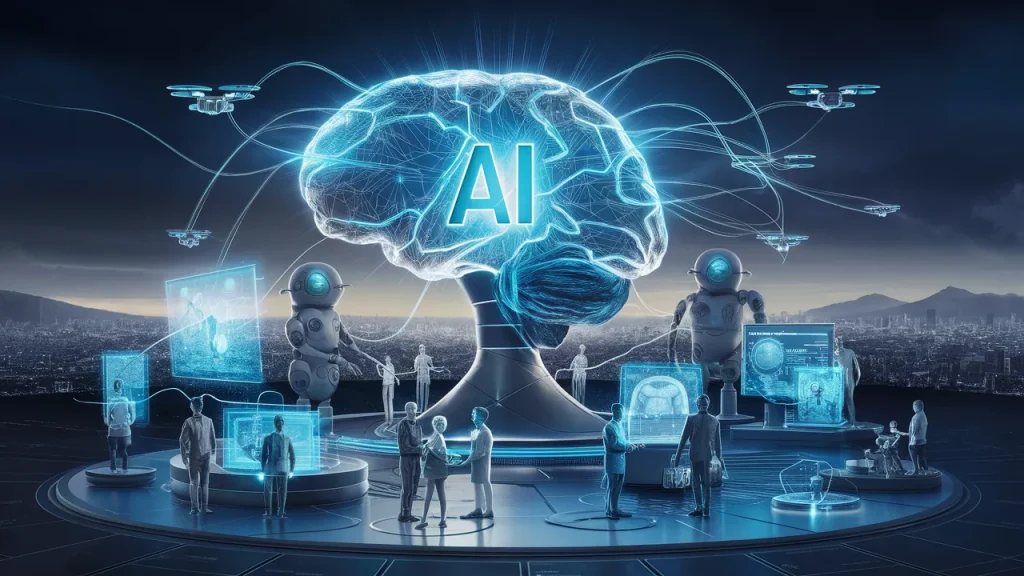
You know when Alexa laughs in that weird way when you ask her to tell a joke? Well, even though she’s programmed for humor, we can’t help but wonder—could AI really “get” us one day? The truth is, AI emotions are becoming more complex, and with each advance, our digital companions grow ever closer to achieving what could be described as AI empathy.
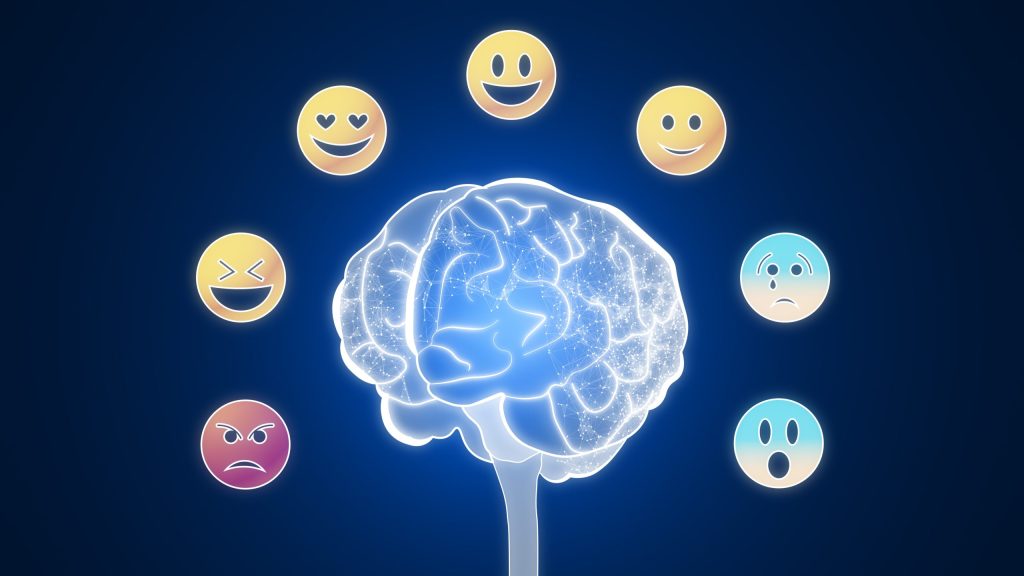
How AI Emotions are Making Digital Life More Human
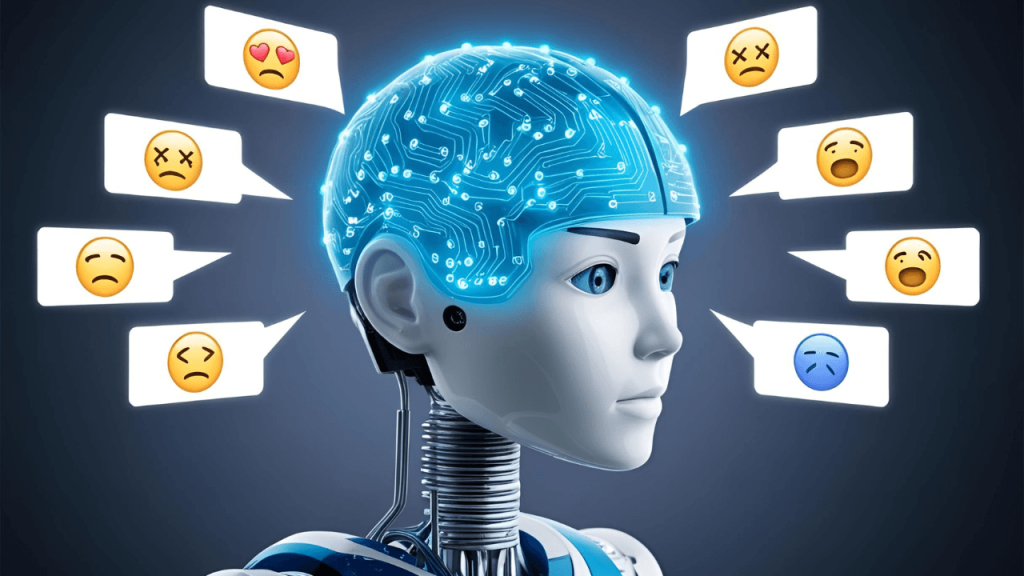
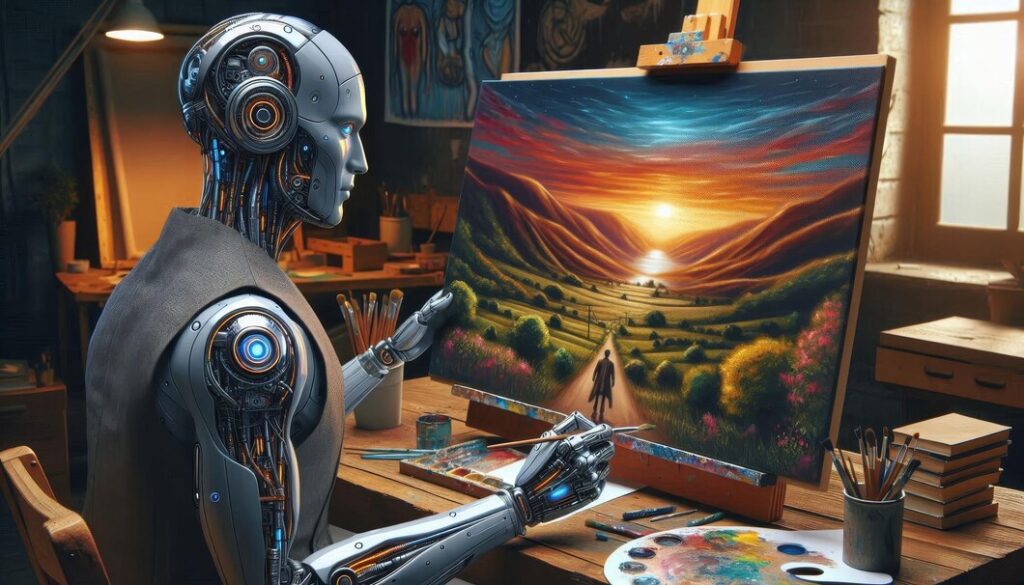
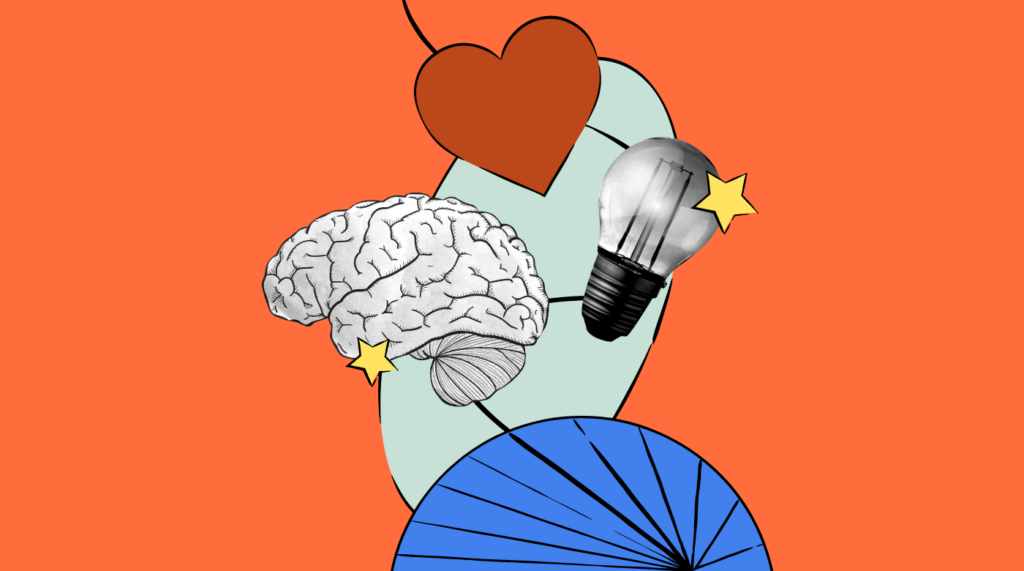
At the heart of emotional intelligence in AI is the ability to recognize, interpret, and respond to human emotions. Think of it as machines getting their emotions degree—that paper certificate might be in binary, but it’s there. AI-powered chatbots are increasingly sophisticated, and virtual assistants aren’t just about keeping track of your grocery list anymore. They’re here to ensure you’re emotionally supported while you navigate life’s chaos.
Take emotion-recognition tools, for example. They can analyze facial expressions in video calls to determine our mood. While still not perfect, this technology indicates scenarios where mindful machines could become our closest allies in empathy-driven tasks, whether it’s identifying customer satisfaction or aiding therapy sessions.
The Current Landscape: Leaps and Lags in AI Empathy
Of course, before we hand out diplomas to machines in emotional intelligence, let’s pause and see where they stand. AI is getting better at recognizing contextual language cues, tone of voice, and facial expressions, but it still has its slip-ups.
Success Stories: When AI Shines
Take, for instance, Replika, an AI chatbot designed to be a companion. It carries on conversations that some users find genuinely comforting and emotionally helpful. Or consider the strides made by Affectiva, a company specializing in emotion recognition technology that can adapt user experiences according to their mood—be it entertainment or education.
And while these mindful machines might not yet be able to replace your best friend after you’ve watched a tear-jerking movie, the progress is undeniable. They’re not just keeping up with us; they are learning to walk beside us, albeit cautiously.
Areas Where AI Needs a Little More Tutoring
Despite the progress, AI hasn’t quite mastered the nuances of human emotion. Giving a computer true empathy is like expecting your toaster to suddenly sympathize with your carb addiction—yes, those bagels didn’t toast themselves! AI struggles with the complexity of emotions and cultural context, sometimes misinterpreting sarcasm for sincerity or a yawn for sadness.
Our emotional landscapes are as intricate as the Facebook relationship status selections, and that’s a tough syllabus for any machine. They are yet to replicate the rich depth of empathy found in real human interactions.
A Future of Possibilities: Where AI and Emotional Intelligence Intersect
So, what’s in store for the future? As AI emotions continue to evolve, they hold the potential to enrich our lives profoundly. Imagine personalized learning experiences in education, where an algorithm adjusts the difficulty based on your stress levels. Or think about personalized mental health support that provides solace during life’s stormy weathers.
As AI empathy improves, we might soon reach an era where chatting with our machines feels less bureaucratic and more like a conversation with an insightful friend—one who doesn’t mind if you call them at 2:00 AM.
A Journey, Not a Destination
In this dance between humanity and technology, finding balance is key. While AI can complement our emotional intelligence, it should aim to enhance human connections rather than replace them. Can a machine alleviate human loneliness? Perhaps. But that’s not the primary goal—it’s about broadening the possible, making empathy scalable, and emotional intelligence accessible to everyone, everywhere.
Conclusion: Where We End and Machines Begin
In this age of rapid technological change, our embrace of AI emotions offers a thick plot twist in the human experience. The road is long, and the challenges are complex, yet the possibilities are as exciting as finding a forgotten ten-dollar bill in your old jeans. As technology becomes a more integrated part of our lives, the question remains: How will we choose to interact with these mindful machines of tomorrow?
With each swipe and voice command, remember the quirks that make us human—the delightful unpredictability that differentiates us from algorithms. Because in the end, it’s our baffling yet delightful humanity that AI is striving to comprehend, making this journey as much about self-discovery as it is about technical ingenuity.