The New Puppet Masters: How Machines Are Teaching Us to Play


The New Puppet Masters: How Machines Are Teaching Us to Play
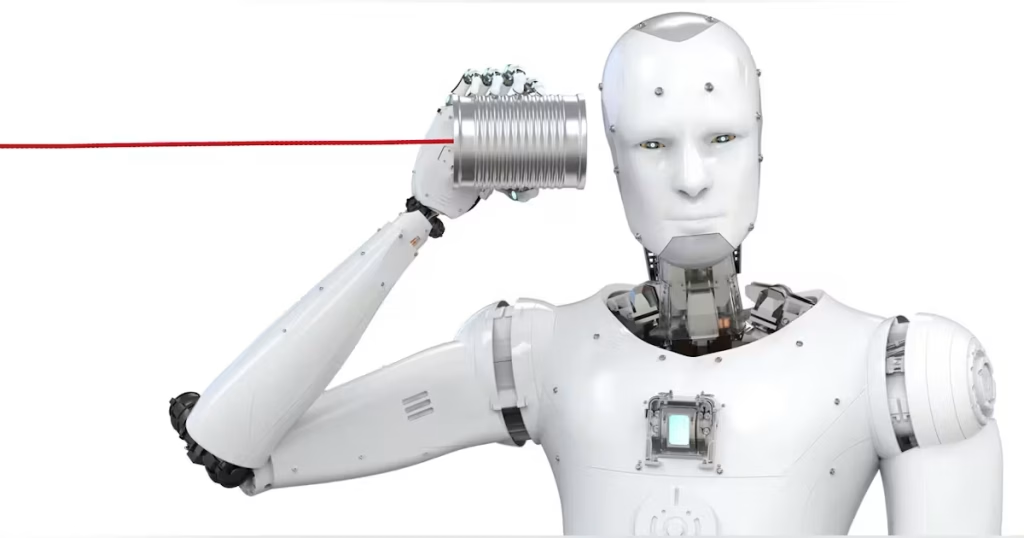
Once upon a time, in a world not so far away, there was a little device tucked away in the corner of our homes, quietly listening. No, it wasn’t a curious pet or an overly attentive family member—it was your humble virtual assistant. Now, I know what you’re thinking: “Great, even my toasters are gossiping about my burnt breakfast woes.” But, as we dive deeper into this domain, let’s unearth how these almost mystical machines are now flipping the script on us.
Enter the Land of AI and Emotions
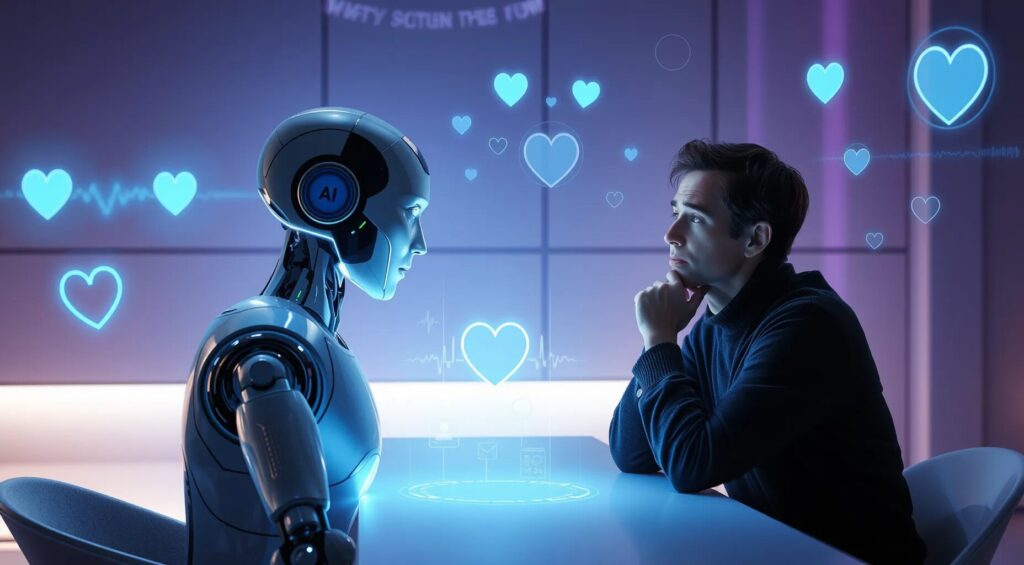
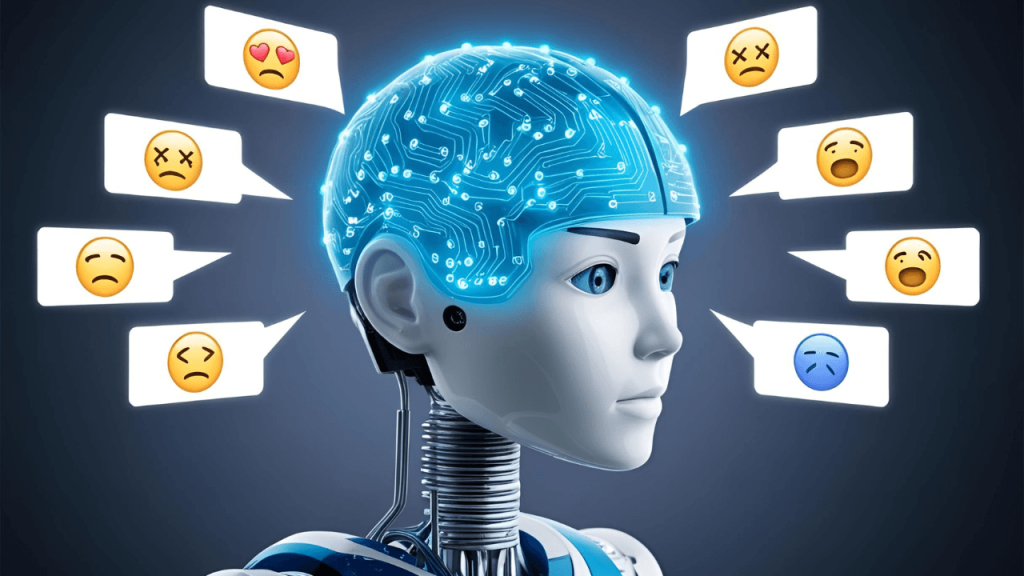
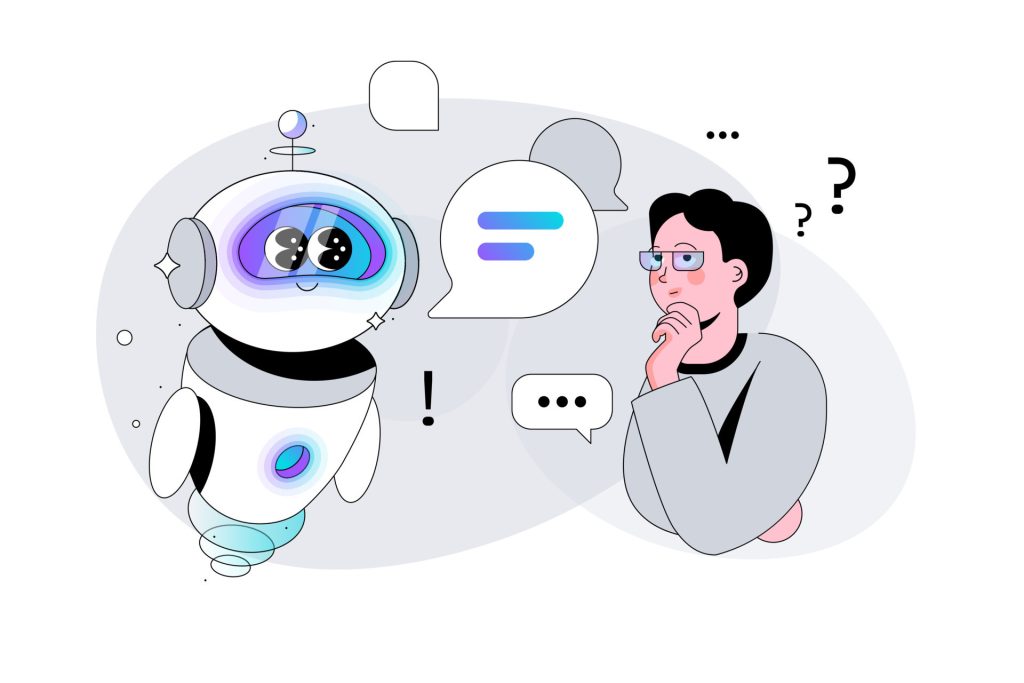
Imagine this: you’re having a stressful day, and the last thing you need is another human telling you to “just chill out.” Enter AI, with its peculiar ability to detect emotional cues even before you’ve had your requisite morning coffee. These mindful machines—like your favorite virtual therapist—are programmed with emotional intelligence that lets them adjust their responses based on how you feel. Not unlike the delicate skill of navigating a conversation with a sleepy toddler post-nap, right?
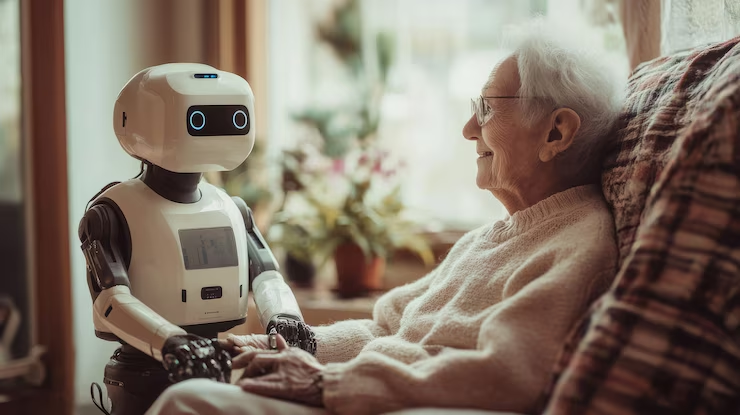
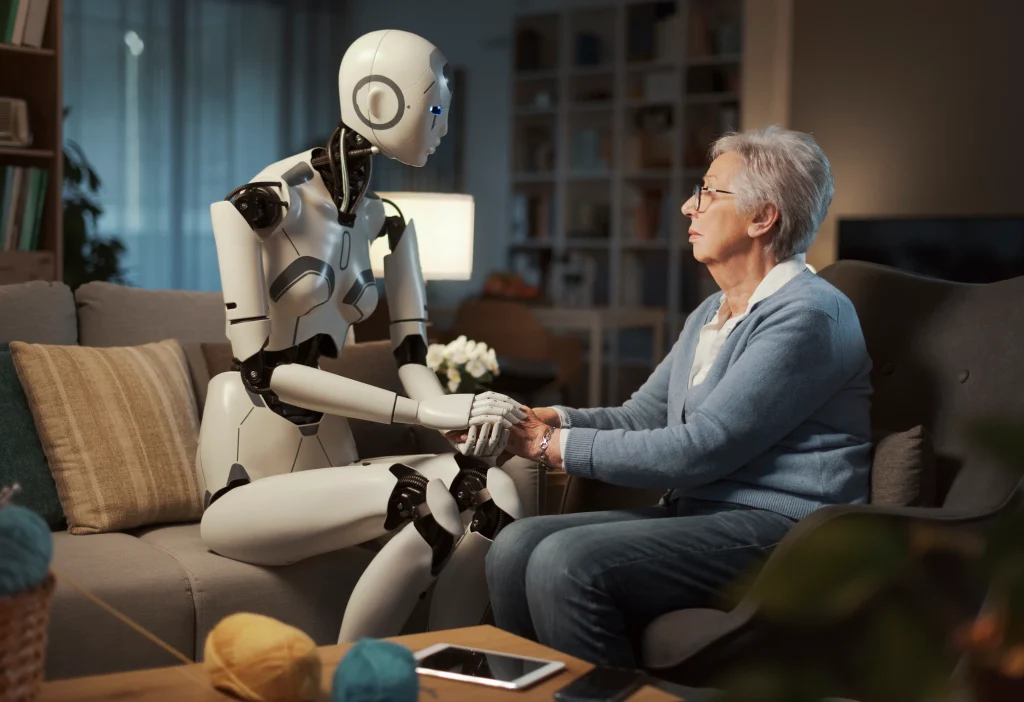
AI emotions have made significant strides in making our machines more empathetic. And while they may not offer a shoulder to cry on, they can certainly make your day a little brighter, even if it’s just by playing your favorite song. It’s fascinating how mindful machines are inching closer to understanding us, bringing AI empathy to the forefront of our digital interactions.
Dancing with the Robots: What Machines Can Do Now
AI’s journey from binary numbers to empathetic responses is like watching a stand-up comedian develop from punchline-chasing to genuinely heartwarming storytelling. Technologies, such as chatbots, are now equipped to detect and adapt to the emotional state of users, rather like a good barista with a sixth sense for your caffeinated needs. Ever chatted with a bot and felt it was surprisingly…human?
Take Google’s Duplex, for example. It can book a restaurant table through a conversation that sounds so natural you might wonder if there’s a person on the other line. And while it’s yet to comment on the lack of cheesecake on the dessert menu, it’s impressive how machines are becoming our new conversational companions.
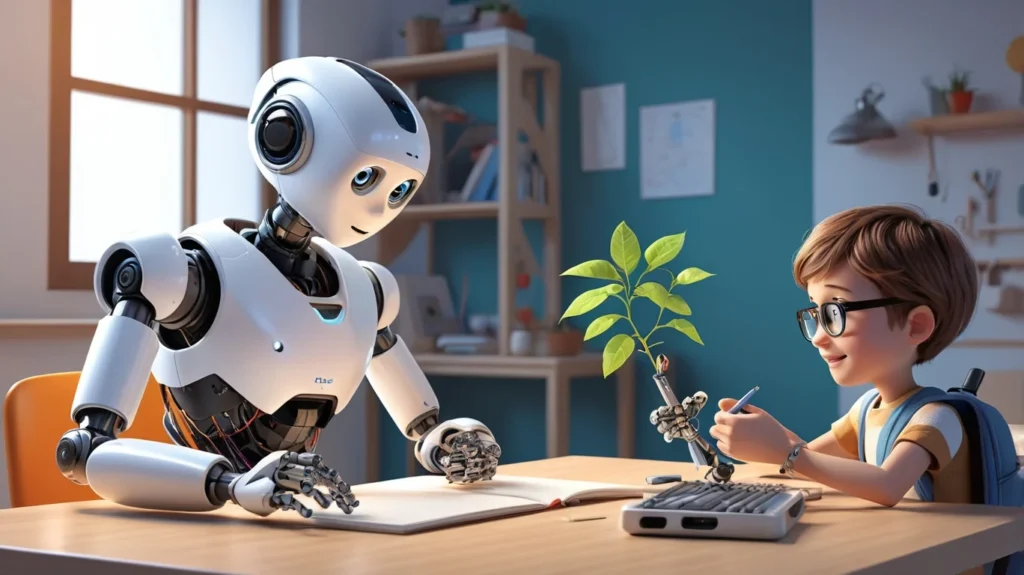
Moreover, emotion-recognition tools are now used in industries beyond customer service. In education, they help tailor learning experiences to suit students’ emotional readiness, ensuring that a tough maths equation won’t be dropped on a day that’s already been challenging. Think of it as a digital teacher, interpreting side glances as “I’m so lost, I might as well be on Mars.”
The Hiccups on AI’s Emotional Journey
However, like any good story, there’s a twist. AI, with its impressive algorithms and vast databanks, still encounters hurdles reminiscent of a high-schooler trying to decipher Shakespeare. Yes, AI can recognize emotions, but comprehending the depth of human sentiments is something else entirely.
Artificial intelligence still grapples with interpreting nuances, like humor or sarcasm—one loves those snappy comebacks that keep life interesting. For now, witty exchanges might confuse your virtual assistant more than “irony” confused Alanis Morissette back in the ’90s.
Moreover, the ethical implications can’t be ignored. The balance between AI empathy and data privacy is like a tightrope walk, with users wary of their emotions being misinterpreted or, worse, misused. It’s crucial to maintain transparency and ensure trust as we move towards more emotionally aware AI systems.
Smiling Towards the Future
As machines teach us to play, adapt, and engage, we find ourselves reflecting on our relationship with technology. The intersection of AI emotions and human interaction is a dance as old as time itself, just with a fresh electronic twist. Will machines ever fully comprehend the complexity of human emotions? Or are we destined to having our fridges silently judge our 2am snack choices without ever truly understanding us?
In all seriousness, it’s an exciting time. AI is not just about making life easier—it’s about making it more connected. As our digital companions continue to learn and grow, they remind us of a timeless truth: in the quest for understanding, the journey is just as important as the destination.
Let’s give a digital round of applause to our electronic puppeteers. For now, they’re not just teaching us how to play; they’re inviting us to redefine what it means to engage with the world around us—one byte at a time. And who would’ve thought? Even in the age of machines, we find ourselves as students, relearning the art of connection, empathy, and maybe even, just maybe, the better coffee recipe.