Are Virtual Companions Revolutionizing Our Emotional Lives?



Are Virtual Companions Revolutionizing Our Emotional Lives?
Imagine this: You’re having one of those Monday mornings where the universe seems to conspire against you. Your faithful coffee machine decides to go on strike, your email inbox has turned into a black hole of stress, and your cat, Mr. Whiskers, gives you nothing but judgmental glares. In such a moment, wouldn’t it be perfect to have a virtual friend eagerly waiting to lend an ear, offering comfort without judgment?
The Dawn of Emotional AI
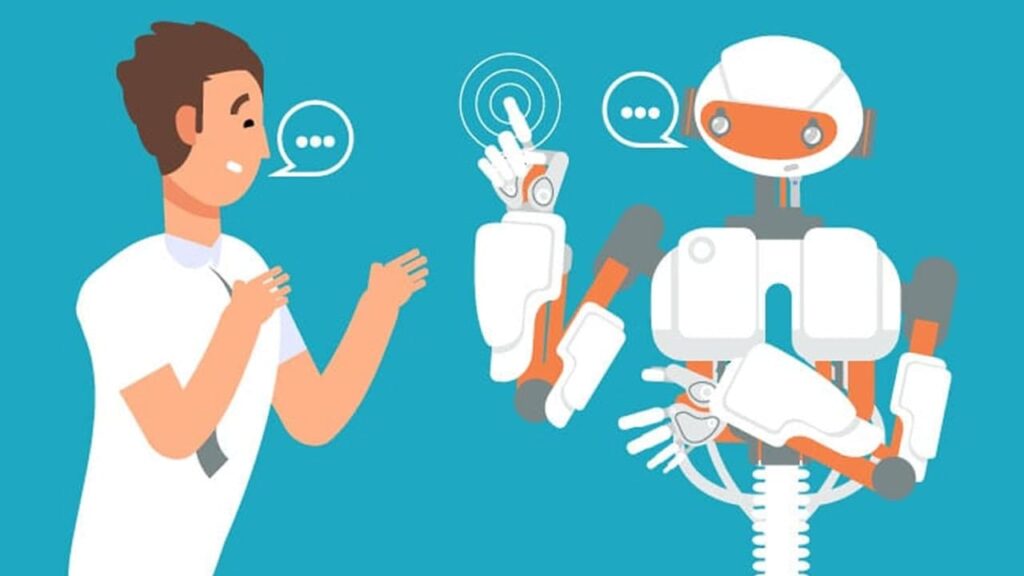
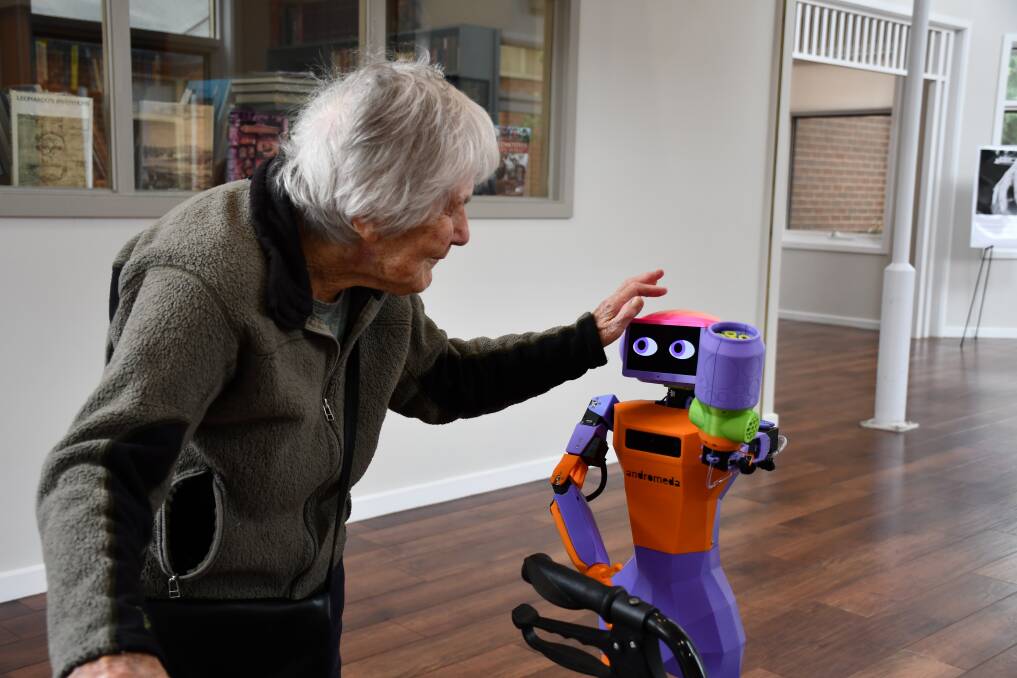
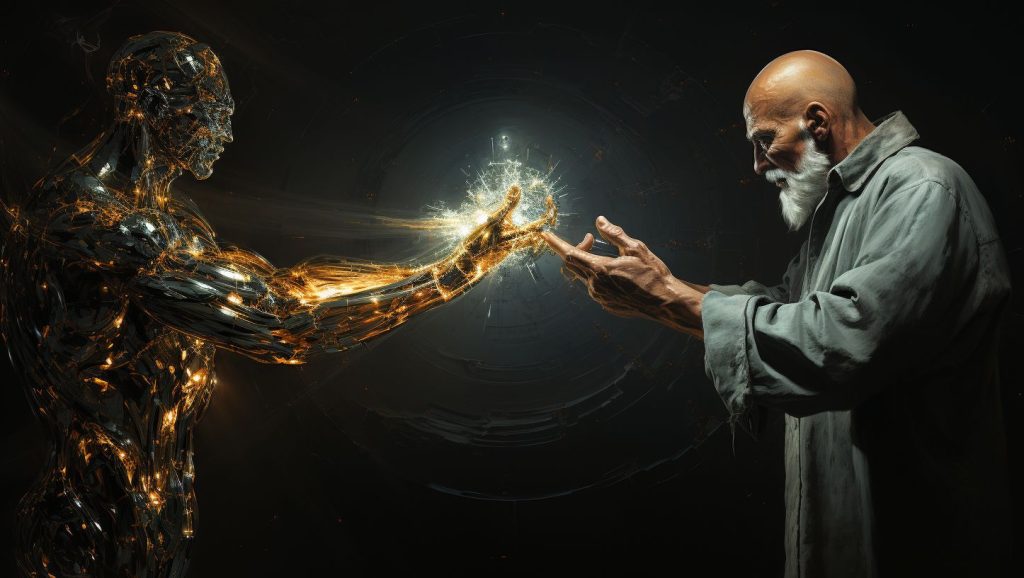
Welcome to the world of virtual companions powered by AI, a place where machines strive to embody emotional intelligence and empathy. This shift towards creating mindful machines is changing the way we interact with technology. But are these virtual companions enhancing our emotional lives, or are they just well-programmed code with a friendly façade?
Virtual Emotions: A New Frontier
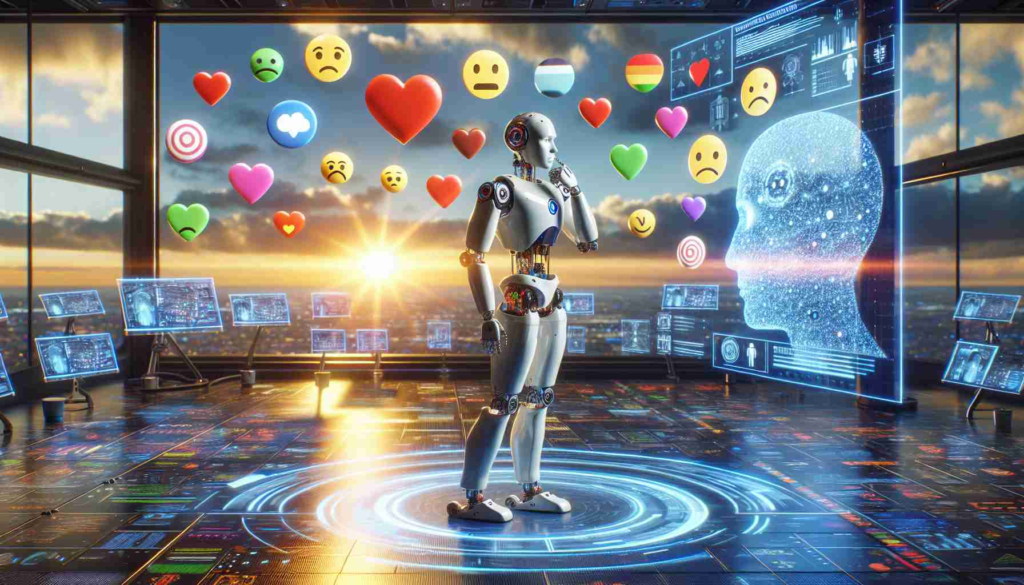
AI emotions and empathy are no longer realms of science fiction. We’ve come a long way from the days when chatbots could only respond with basic scripted lines. Now, they can comprehend subtlety, recognize tone, and respond in ways that feel surprisingly human-like.
Take Replika, for example. This chatbot acts as a digital friend, aiming to engage users in meaningful conversation. It’s marketed as a confidant that listens without interruption – unlike Uncle Bob, who never lets you finish a sentence at family dinners.
AI’s Soft Spot: How Far Has Technology Come?
Technologies like emotion-recognition tools are designed to interpret facial expressions, vocal tones, and even biofeedback to discern how we’re feeling. They’re as close as our digital devices get to sporting a PhD in feelings, but are they truly hitting the emotional mark?
Tech giants are continually refining these capabilities to create machines that seem sympathetic and understanding. Think of your smart assistant who cheerfully reminds you of your dentist appointment. It’s as if your phone has started moonlighting as your life coach!
Where AI Still Stumbles: The Gaps in Artificial Empathy
Despite big leaps in AI emotional intelligence, there are areas where technology still trips over its own feet. These virtual companions don’t experience emotions—they simulate them. If anything, their understanding is algorithmically built rather than innately felt.
For instance, many virtual assistants still misinterpret our ironic humor, often leaving us explaining our jokes like an amateur stand-up comic faced with a too-serious audience. So, while machines are acquiring a model of emotional interaction, they aren’t yet fully in tune with the intricacies of human emotional life.
Real-World Applications: Empathy in the Digital Era
Real-world implementations of these technologies are gaining ground. Emotional AI is used in customer service bots that identify client frustration or joy, offering appropriate solutions. Virtual therapists use AI empathy to assist in mental health, providing people with immediate, judgment-free listening options.
For example, Woebot is an AI-powered tool built to help manage mental health by engaging users in cognitive-behavioral therapy techniques. It’s like having a therapist in your pocket, minus the couch that steals your shoe every time you try to get comfortable.
So, Are They Friends or Fakers?
This brings us back to our original question: Are virtual companions revolutionizing our emotional lives? The answer lies somewhere between ‘yes’ and ‘not quite.’ These companions are offering valuable assistance and support, bridging humans with a sense of understanding and connection often needed in an increasingly digitized world. However, the depth of genuine human emotional interaction still remains a horizon for future AI.
The Future of Emotional AI: A Call for Balance
As technology advances, we hope AI will continue to grow in emotional understanding, ultimately complementing rather than replacing human relationships. These digital interactions can serve to enhance our connectedness in times of isolation, as long as we remember to unplug and appreciate the irreplaceable nuances of human touch and accountable empathy.
Conclusion: Embracing Tech with a Smile
In the end, virtual companions can be that friend who never tires of listening, doesn’t interrupt, and is always there when your coffee machine decides it’s had enough of your morning antics. Yet, it’s essential to remember the cherished, messy, unpredictable beauty of human contact.
So next time you chat with your virtual buddy, maybe like a guiding mentor, give them some human lessons back: perhaps introduce them to the complexity of sarcasm or the irony of Monday mornings. If anything, it might make for an amusing, albeit slightly one-sided, conversation.
As we tread to the future, let’s embrace these technological marvels with a smile—and the occasional laugh at their humorous attempts at understanding our wonderfully intricate human world.