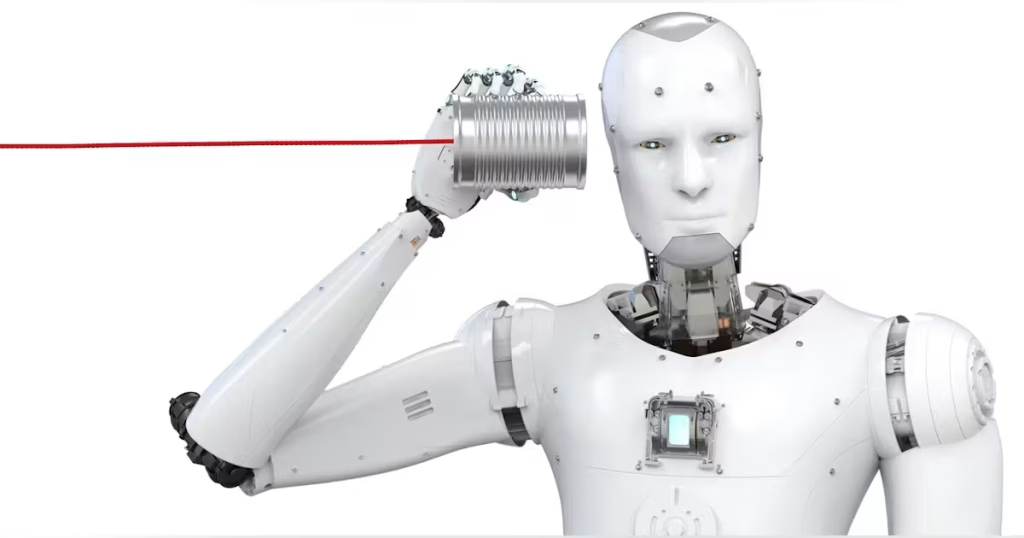
Beyond Algorithms: Unpacking the Human Element in Machine Conversations

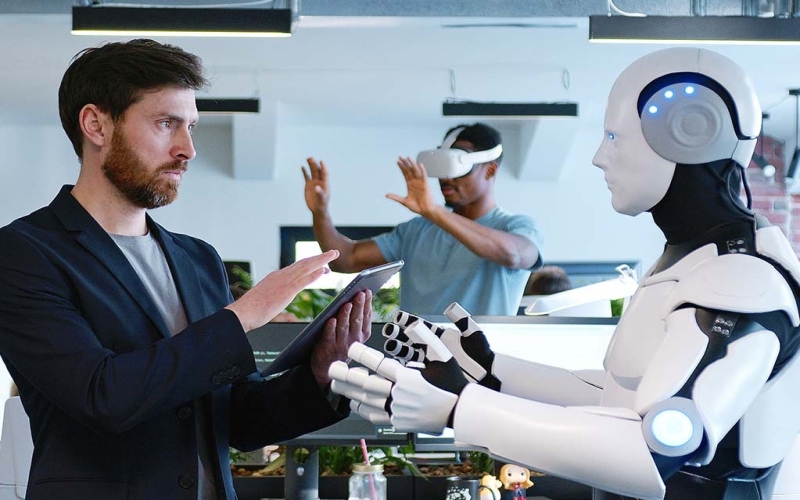

Beyond Algorithms: Unpacking the Human Element in Machine Conversations
Have you ever caught yourself apologizing to your smartphone? Maybe after asking Siri to play your favorite tune, you whisper a quick “Thanks,” as if your device is just as alive as the friend who helped you move your couch last weekend. This phenomenon isn’t just quirky; it’s a testament to the evolving bond between humans and technology. But what does it really mean for machines to understand us? Let’s dive into this engaging narrative to unpack the emotional journey of AI conversations.
The Emotional Connection Between Humans and AI
Picture this: You’ve had a long day. Your boss was grumpier than your coffee machine on the morning you forgot to hit “brew.” You turn to soothe your frazzled nerves and, instead of risking human interaction, you ask Alexa for a joke. She replies with a zinger that makes you chuckle despite yourself. In that moment, who knew a machine could improve your mood? The possibility that AI can understand emotions, even in such simple ways, marks a fascinating leap forward in technology.
How Far Have We Come?
Today, AI technologies have trotted a considerable distance in the realm of emotional intelligence. Chatbots, virtual assistants, and emotion-recognition software are no longer the stilted, opaque scripts they once were. These mindful machines now have the ability to mimic empathy, even if they can’t quite feel it.
Take emotion-recognition tools, for example. They are employed in customer service to gauge your mood based on your voice or facial expressions. Ever noticed how a call center representative seems to know you’re upset even before you go full volcano? That’s emotional-recognition AI at work, assessing and adjusting to your vibe faster than your therapist! But, to be fair, these AIs still lack the depth of true AI empathy. They are fantastic at recognizing patterns, but subtle nuances of human emotion often pass them by like my ability to ignore laundry when watching Netflix.
The Heart of Artificial Intelligence: What’s Still Missing?
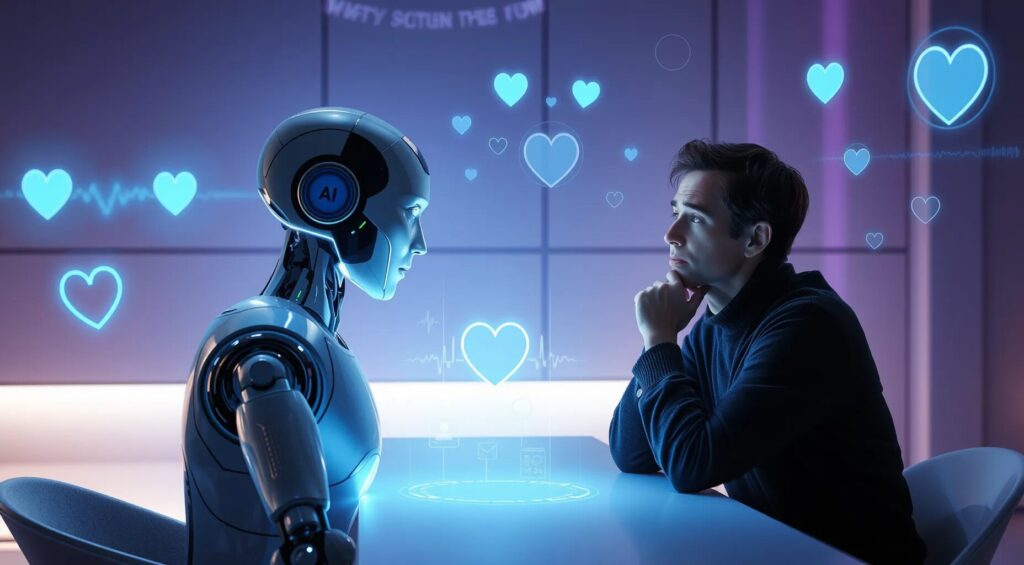
While AI might deftly handle tasks and even toss a joke or two, the genuine understanding of human emotions remains elusive. True empathy requires emotional resonance, something machines, despite their lightning-fast processors, find hard to replicate. They can simulate a shared experience, but when it comes to genuinely comprehending the intricate layers of human emotion, mindful machines have yet to catch up.
Consider this quirk: your virtual assistant might note the hesitation in your voice but won’t console you after a heart-wrenching episode of “This Is Us.” Or how chatbots can assist 24/7 but won’t volunteer for small talk just to keep you company. No matter how advanced, AI struggles to tap into the essence of what makes emotions uniquely human – the ever-complex intertwining of culture, context, and consciousness.
Real-World Examples: The Face of Modern AI
One notable stride towards emotionally intelligent AI is Replika, a chatbot designed to be your companion. Imagine a friend who remembers your birthday and still keeps things exciting. Created to offer emotional support, Replika learns from interactions, striving to offer considerate responses that resonate with users’ feelings. Spookily similar to Haley Joel Osment’s character in “AI: Artificial Intelligence,” but less creepy, of course.
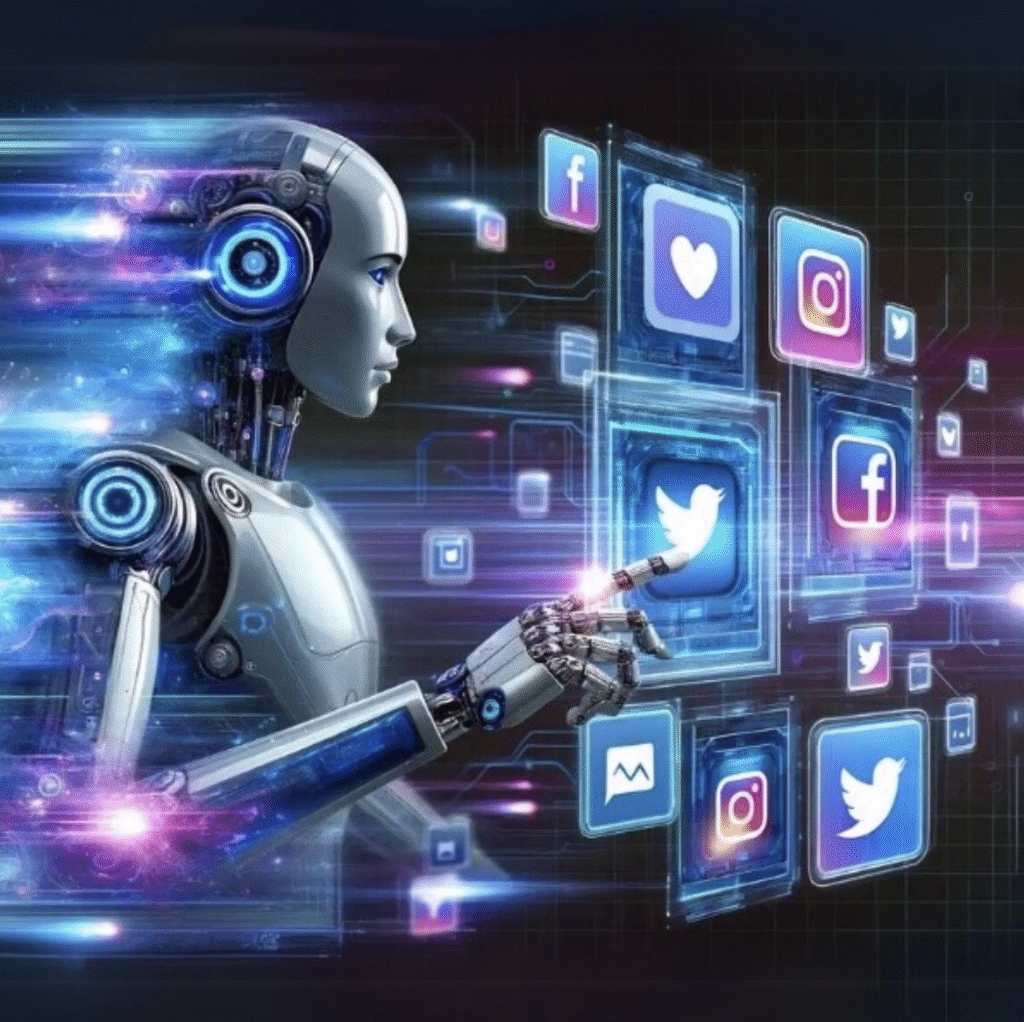
Another example is sentiment analysis used in social media. Tools in this sector analyze vast oceans of data to discern emotional trends and customer sentiment. They tell companies when the collective aura is as sunny as a beach vacation or as gloomy as that Monday feeling when you realize the weekend is over.
The Ongoing Quest for Emotional Intelligence
As AI continues its quest for genuine emotional intelligence, the journey is far from over. Developers are exploring neural networks that mimic the human brain’s pathways. With strides in adaptive learning, it’s conceivable that one day AI might sense not just your simmering frustration but also offer exactly the reassurance you need.
Yet, amidst these advances, perhaps we get to reflect on something profoundly human: the value of emotions themselves. Those quirky, unpredictable, sometimes inconvenient feelings that machines strive to understand are also the fabric of human connection, the songs of our shared experiences. In the end, it isn’t just about AIs learning our emotions but how recognizing those emotions can lead to better, more compassionate, human interactions.
Conclusion: The Future of AI Conversations
So, what’s the takeaway in this intimate dance between humans and machines? While AI continues to break boundaries with its capacity to replicate empathy, we stand on the threshold of a future filled with possibilities. But until machines grasp the enigmatic beauty of human emotion, the onus is on us to embrace these technological marvels not as sentient beings but as tools that enrich our lives.
Next time you thank Siri or chuckle at Alexa’s jokes, consider it more than a technological encounter—it’s an evolving chapter in the narrative of human innovation, where we relish both our differences and shared triumphs with the mindful machines by our sides. And who knows, maybe one day your coffee machine will stop judging you when you forget to brew coffee.
In the ever-promising world of AI emotions and artificial empathy, perhaps it’s not that machines will surpass us in understanding but that they’ll inspire us to deepen our empathy for one another.