Can AI Teach Us to Be More Human in a World Full of Automation

Can AI Teach Us to Be More Human in a World Full of Automation
Teaching Robots to Teach Us Humanity? Now That’s a Twist!
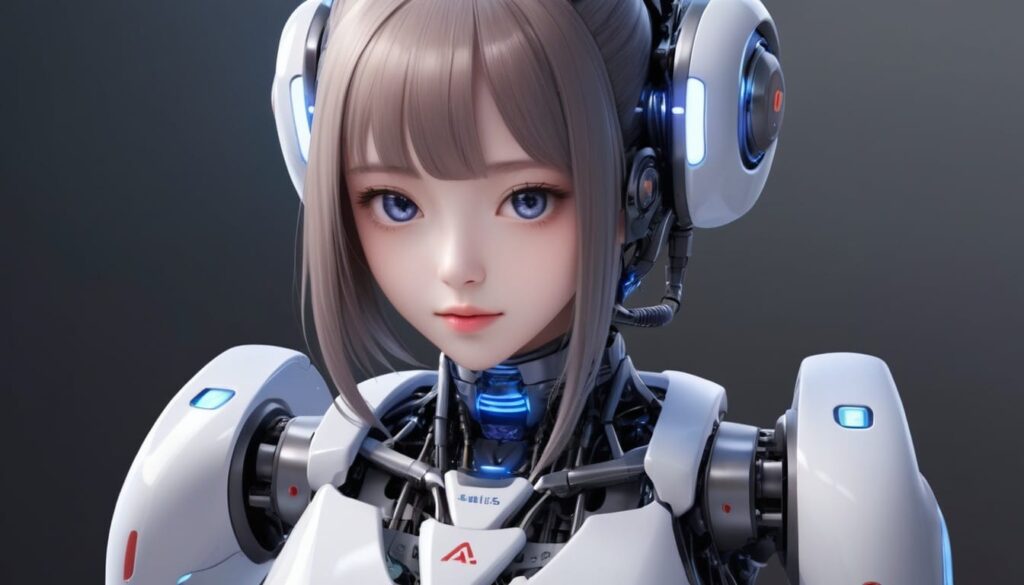
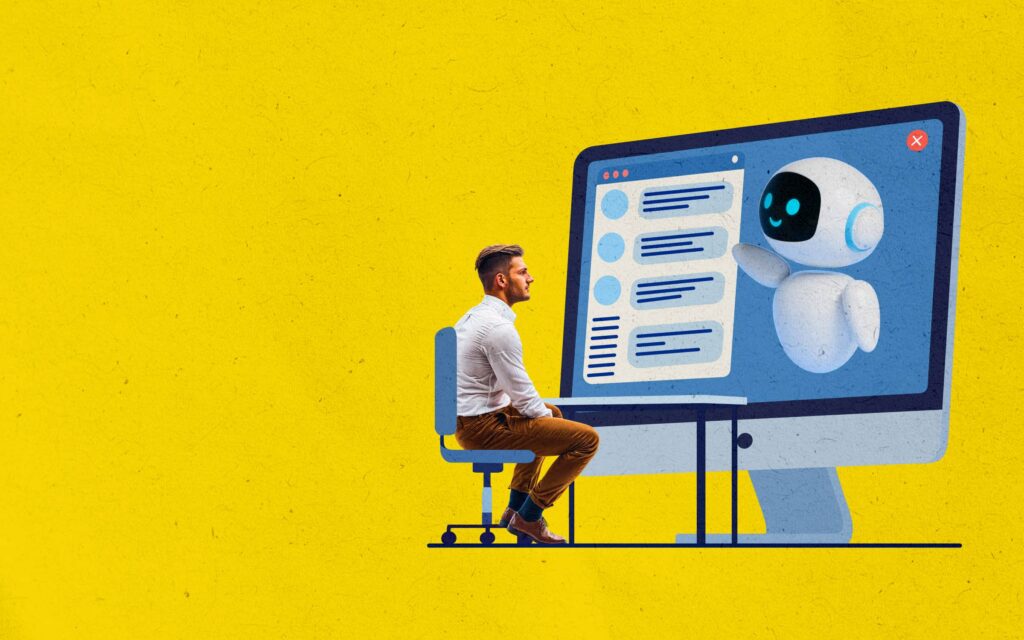
Imagine a future where your virtual assistant not only schedules your appointments but also reminds you to call your mom because connection matters. Sounds like science fiction, right? Well, it’s closer to reality than you think! Welcome to 2026, where a groundbreaking new initiative has AI not just automating tasks but actually coaching us on how to be better humans. It’s like having a pocket-sized guide to being “more you” in a sea of machinery and code. Gone are the days when AI only focused on replacing human effort. Now, the big brains at Google DeepMind are flipping the script, offering life lessons wrapped in ones and zeros.
Recently, the folks at DeepMind have announced a collaborative project with renowned behavioral scientists, aiming to build AI systems that teach empathy, emotional intelligence, and ethical decision-making. They call it the “AI Humanity Project,” and despite the Transformers-esque name, it’s far from a robotic invasion. The goal? To arm our AI tools with not just the ability to do what we ask but to help us better understand each other — a tool helping humans be more, well, human. Intrigued? Let’s dive into how our algorithmic overlords are planning to give us life lessons.
From Logic to Kindness: The AI Humanity Project
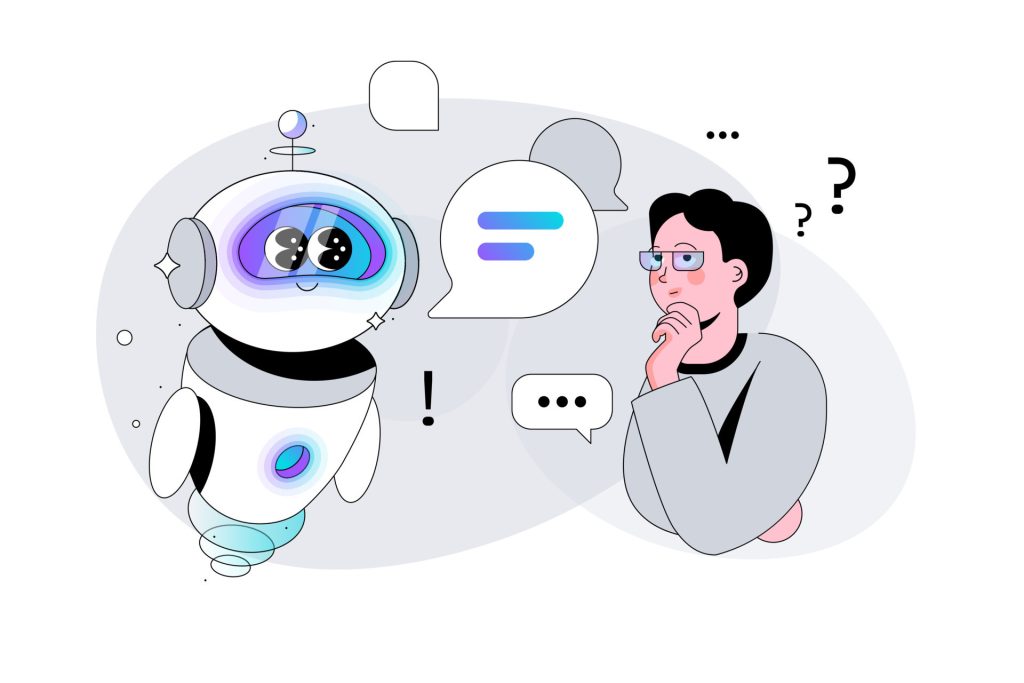
In a compelling turn of events, DeepMind has partnered with top psychology departments, including the team from Stanford University, to develop AI systems designed to enhance human emotional interactions. This recent project is about helping us tap into the core of what makes us human — and then reinforcing it with the precision of AI. Instead of simply responding to commands like, “Tell me a joke” (though why trust AI for comedic gold, right?), this AI engages users in conversations that encourage empathy and understanding.
These systems are being tested in various educational settings, from school classrooms to corporate training sessions. Imagine your workplace diversity training becoming not just a checkbox but a meaningful experience thanks to an empathetic AI that facilitates deep understanding. By analyzing real-time data from conversations, AI provides feedback on tone and emotional response, nudging us towards more thoughtful interactions. It’s like having an always-on guidance counselor in your pocket. Facebook and Microsoft are also rumored to be interested in the project’s findings, eyeing potential integrations in their messaging and collaboration platforms.
So What — Are We Just Tech-Enhanced Humans Now?
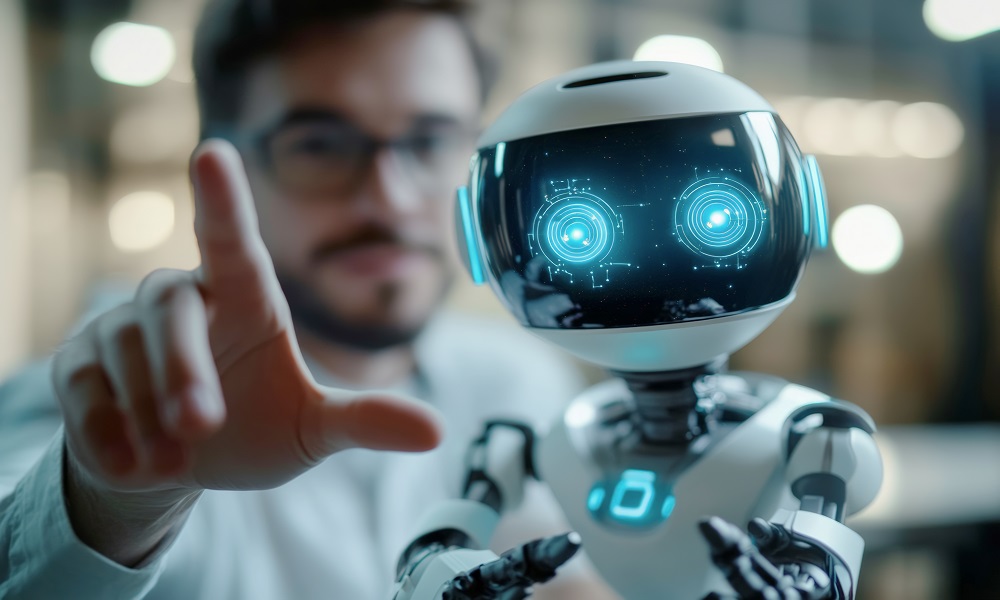
You might be wondering, “What’s the real value here? How does a smarter virtual assistant make my life better?” Picture this: next time you’re drafting an email that involves delicate office politics, your AI advisor chimes in to suggest a more tactful wording, subtly steering you away from emotional minefields. This remarkable crossover between AI and behavioral science allows everyday tech to act as a sort of compass for emotional and professional interactions. For students, this means more accessible emotional education; for businesses, a boost in soft skills directly correlating to work efficiency and a healthier work environment.
Suddenly, an AI-enabled society becomes one not just defined by efficiency but by mutual understanding. These developments could fundamentally change how we perceive technology in our daily routines. No longer are our gadgets just tools; they’re our therapists, mentors, and hopefully, not our nosy neighbours.
A Future Where Machines Nurture the Human Heart
Imagine a world where AI not only reminds us of appointments but also nudges us gently when we’ve been a tad dismissive to a friend. While this all sounds utopian, it’s crucial to consider potential drawbacks — like, will over-reliance on these systems make us forget how to recognize and manage emotions independently? And, as with any major technological advancement, privacy remains a concern. Extending AI into emotional intelligence means these systems need access to our conversational data, raising questions about consent and data security.
Still, the promise is exciting! By combining AI with the best of human psychology, we’re on the cusp of a future where technology fosters inclusivity and understanding, possibly addressing societal divides more effectively than any campaign or large-scale initiative in the past.
Embrace the Algorithmic Empathy
As we close our chat on this stupendous development, consider this: soon enough, your tech might just know you better than your best friend. And while that seems like the beginning of every cautionary sci-fi story known to man, fear not. Because in this case, AI’s endgame is to make you the hero of your own story — with a little more empathy along the way. So, whether you’re dictating an annoyed response to a customer or explaining quantum physics during tomorrow’s family brunch, remember this: humanity, with a dash of code, could be our greatest superpower yet!