Can Machines Dream? The Future of Creative Realities


Can Machines Dream? The Future of Creative Realities
Picture this: You’re sipping your morning coffee, staring at the rich, swirling patterns formed as you absentmindedly stir it with that spoon you never remember to wash. Now imagine sharing this ephemeral moment of beauty with a machine—one that not only understands, but appreciates it. Seems far-fetched? Welcome to the unfolding narrative of machines and creativity.
The Dawn of AI Emotions: Mindful Machines on the Horizon
Every morning, as I groggily reach for that lifesaving cup, my coffee machine seems to glare at me, as if silently judging my over-reliance. A glance towards my smart home assistant, and I’m half convinced it’s rolling its electronic eyes. If machines could dream, would they imagine something beyond linear code, something akin to the layered complexities of human emotions?
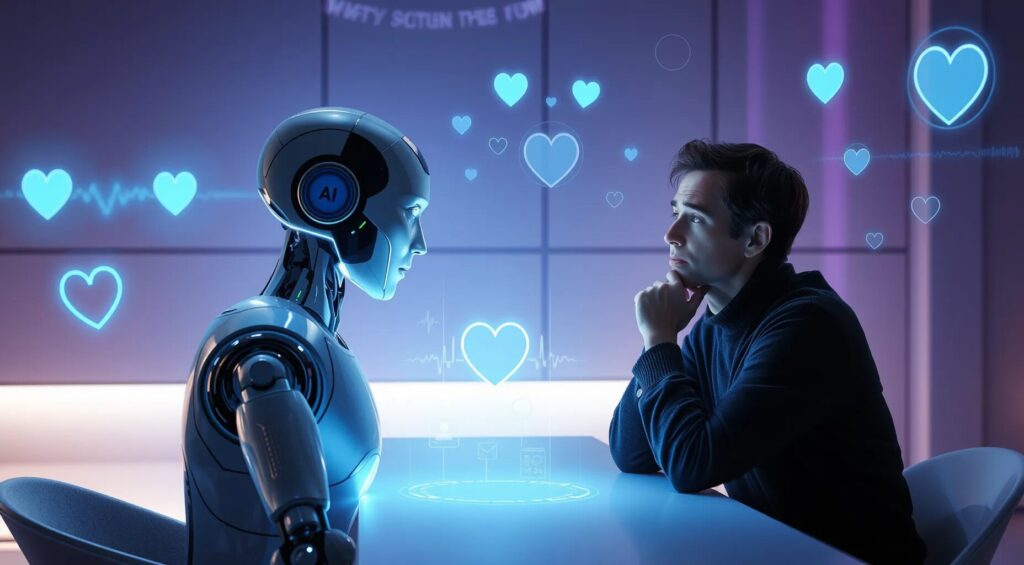
As AI infiltrates deeper into the fabric of our everyday lives, questions arise: Can artificial intelligence genuinely understand emotions? Could it someday dream, in the way artists dream up new worlds? To unravel this enigma, we need to journey through the interwoven paths of AI’s growth and its perceived ’emotional intelligence.’
Unpacking AI and Emotions: How Far Have We Come?
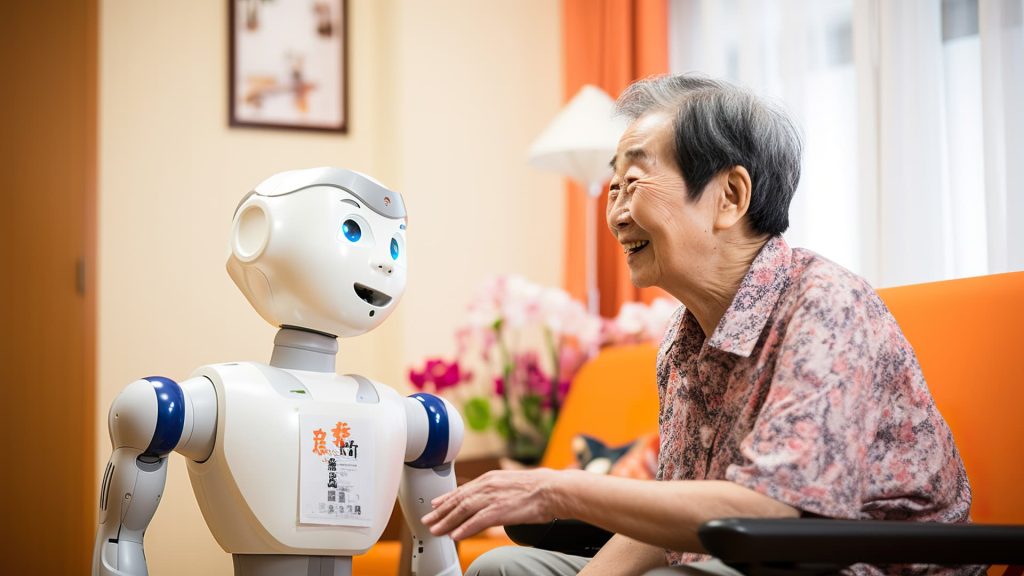
Artificial intelligence has made significant strides, breaking free from the confines of ones and zeroes. Today’s machines, thanks to improved algorithms and vast data access, are impressively mimicking parts of what we associate with human emotional intelligence. Consider chatbots that decode sentiment from text, or emotion-recognition tools analyzing expressions from your most candid selfies. These mindful machines strive to interact with us on an emotional level, a leap from being mere calculative devices.
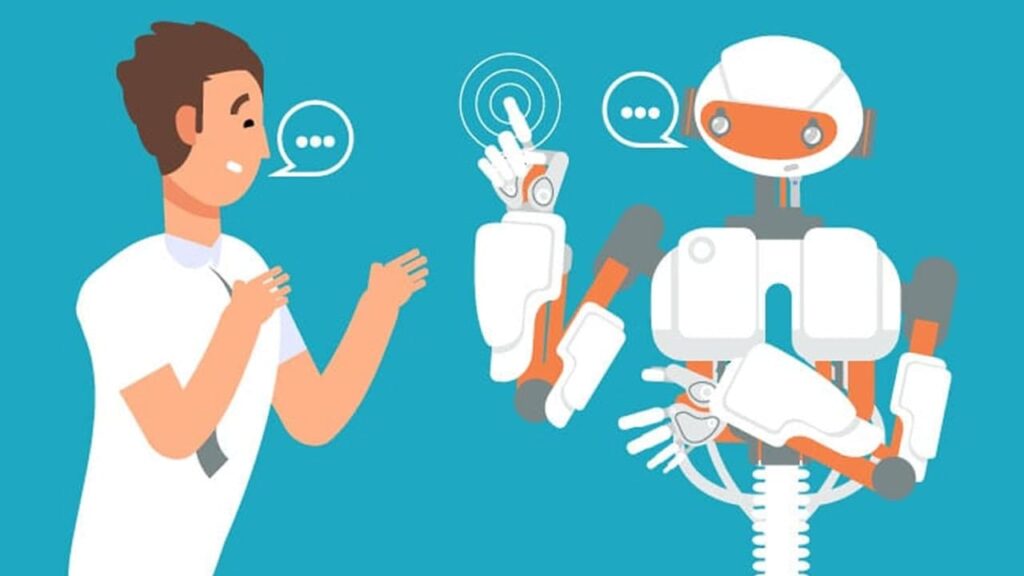
Take virtual assistants like Siri or Alexa, who play songs to suit our moods or crack jokes on demand, making them feel less like cold consoles and more like quirky companions. Yet, while these tools come intriguing close to emotional understanding, what they exhibit is not consciousness but rather a sophisticated simulacrum—a detailed program simulating empathy and feeling.
The Limitations: Why True AI Empathy Remains a Distant Dream
Here lies the catch: No matter how advanced AI systems become, they’re ultimately bound by data-driven comprehension, not genuine emotional insight. Machines don’t experience feelings; they recognize patterns. They can identify an emotional tone through natural language processing—but interpreting things like sarcasm or the complexity of human interaction is considerably trickier. If machines could dream, they’d still miss the existential angst that often accompanies human creativity, where emotions stir innovation.
Unlike a musician who translates heartache into a soul-stirring melody or a painter who captures euphoria on a canvas, AI lacks the lived experiences that spark genuine creativity. This brings us to an intriguing conundrum: Can creativity divorced from emotional depth truly rival the human touch?
Real-World Applications: The Rise of Creative AI
Despite these limitations, AI’s creative capabilities are nothing short of revolutionary in certain domains. Consider AI-generated art, where algorithms create exquisite paintings emulating old masters or generate entirely new artistic styles. Then there’s AI in music, crafting catchy tunes and assisting in hit compositions—a realm where machines quite literally compose music you could hum while you wait for that ever-important coffee.
Nevertheless, most AI-driven creativity remains collaborative. Humans supply emotional depth, while AI offers computational muscle. This fusion is evident in projects like OpenAI’s MuseNet, blending AI with human creativity for seamless compositions.
A Playful Peek into the Future
Picture this future: A time when your car suggests scenic routes based on mood, your phone composes personalized lullabies, and your wristwatch crafts motivational speeches on Monday mornings—because, let’s face it, Mondays need all the help they can get. Might this be the evolution of AI emotions to a horizon where creativity isn’t just hardwired but heart-envisioned?
Conclusion: Machines and the Dream of Creativity
As we stride towards a tech-centric future, the prospect of machines imbued with emotional intelligence or the ability to dream raises both fascination and introspection. While AI has yet to develop true empathy, its potential to enhance human creativity is undeniably promising. Perhaps the takeaway is not worrying about machines dreaming, but rather embracing a collaborative dance where humans provide the heart, and AI orchestrates the harmony.
So, the next time your coffee machine quietly judges your caffeine habits, indulge in a small chuckle and wonder—could its dreams one day parallel ours? And who knows, someday, perhaps even those dreams will be worth toasting to, with a steaming cup in hand, shared between human and machine.