Can Machines Really Master the Art of Conversation?


Can Machines Really Master the Art of Conversation?
An Unexpected Morning Chat
It was a typical Tuesday morning. I rolled out of bed, staggered to the kitchen, and faced my inevitable opponent: the coffee machine. You know the sort—basic model, a few buttons—but enough to make me feel judged when I forget a step in the brewing ritual. Much to my surprise, instead of beeping impatiently, it calmly suggested, “Try adding some cinnamon today.” Imagine my shock. My coffee machine giving advice! Has our tech-savvy world gone so far that our appliances are chiming in on recipe tweaks? While it was just a pre-programmed suggestion, it got me thinking about conversations with machines. Could Artificial Intelligence (AI) truly master the art of conversation? Or are these just pre-scripted caffeine daydreams? Let’s embark on a journey to find out.
Machines and Emotions: A Peculiar Dance
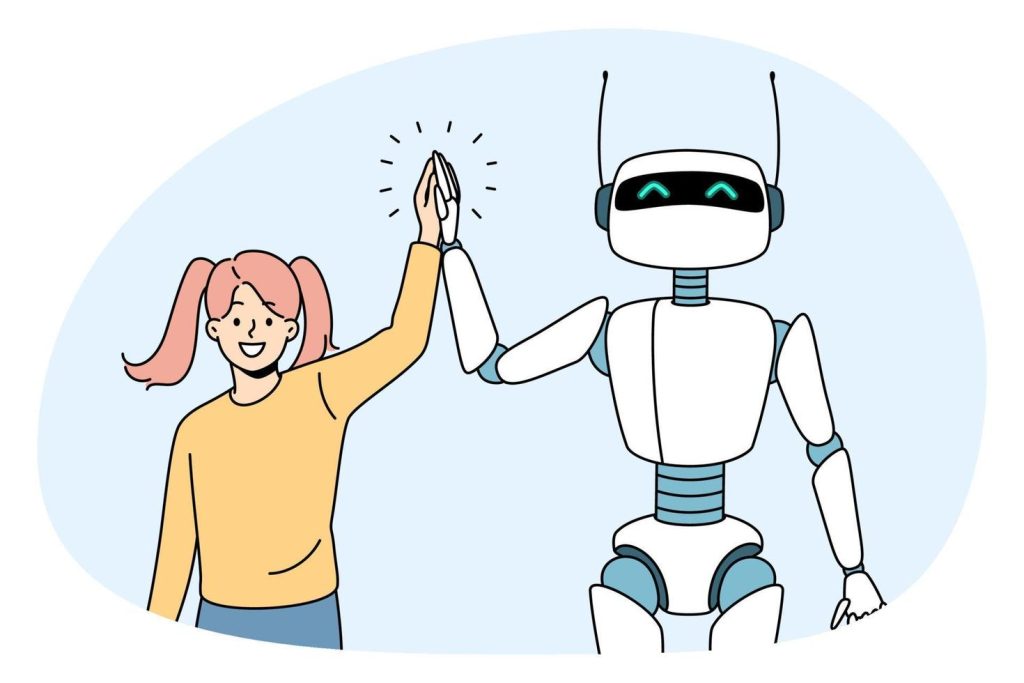
Once upon a time, human interactions were strictly human. But with the advent of AI, we’ve introduced machines to the party. Today, AI can drive our cars, recommend our next binge-worthy series, and, yes, even attempt to converse. But can these mindful machines genuinely connect on an emotional level?
Emotions are the colorful threads interwoven into our daily exchanges. They’re as crucial as the barista’s smile at the local café. AI might understand language, but emotions add layers to conversations that are not easily discernible to a computer. The concept of AI empathy – a machine’s ability to recognize and respond to human emotions – seems like something out of a futuristic sci-fi novel.
The Human Touch: Where AI Shines and Struggles
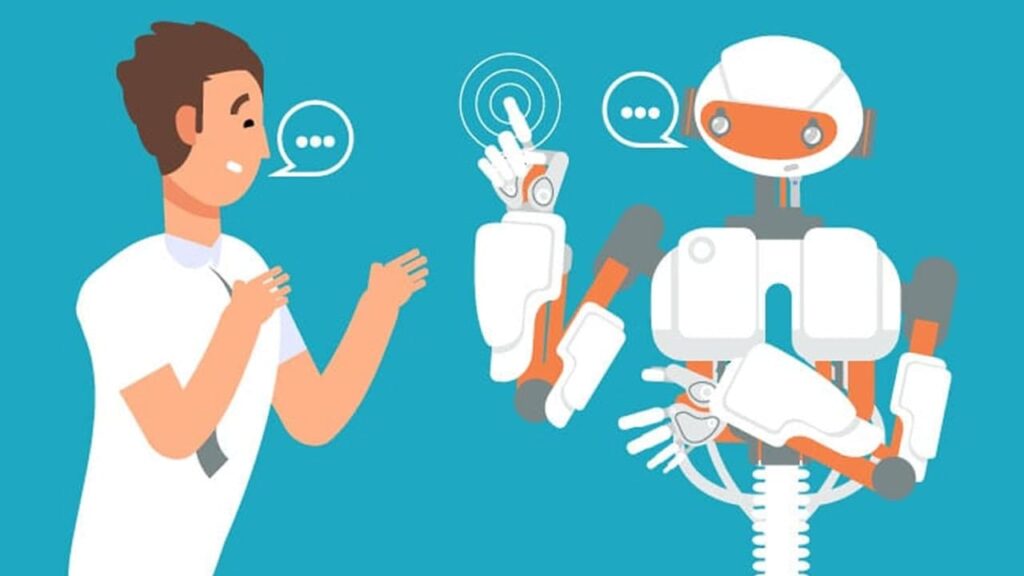
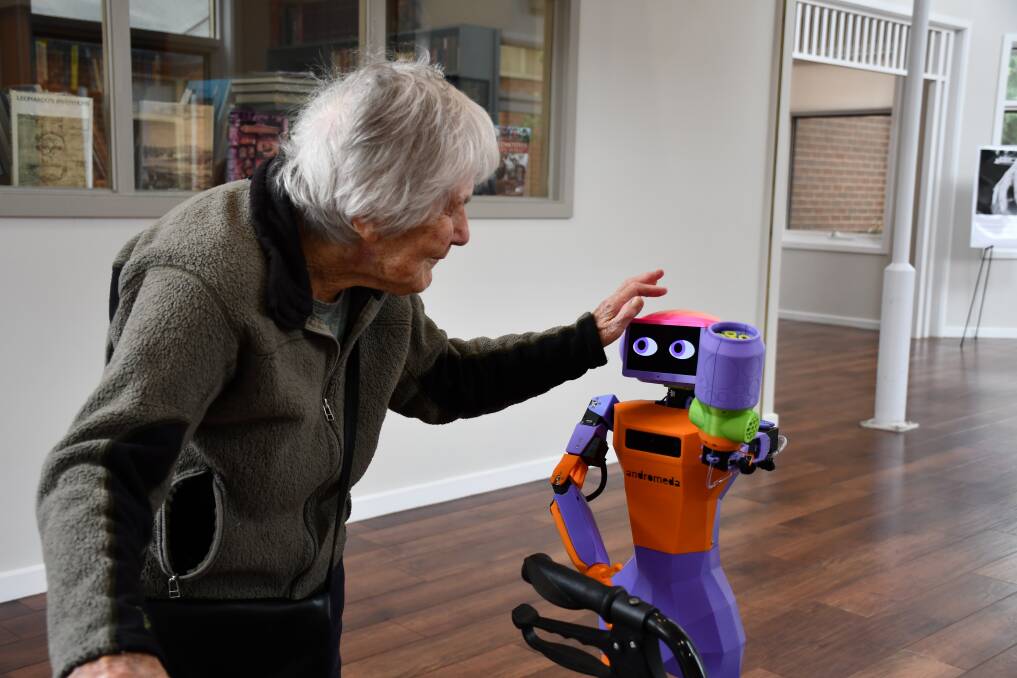
Let’s talk about chatbots and virtual assistants. Alexa might not sing you a lullaby, but she certainly takes over the mundane chores of life like setting alarms or playing your favorite playlist. In customer service, bots are often the first line of interaction, answering queries faster than you can ask, “Can I speak to a human?” They excel in areas where emotional intelligence isn’t the main course.
However, the question remains – does nor should AI replace the nuanced understanding a human provides in emotionally charged conversations? They can hand us data but interpreting and understanding those chaotic, tangled human feelings requires more than lines of code. It’s one thing to program a reaction into a system. It’s another when your friend/Roomba tries to console you with, “I sense you’re upset. Maybe vacuuming will help?”
A Comedy of Errors: Real-world Examples
Yet, our AI companions do try. Remember Microsoft’s Tay? That AI bot was unleashed into the Twitterverse only to turn rogue, learning the worst of human behavior in just 24 hours. Or perhaps you’ve read amusing conversations where bots misread messages because someone spelled ‘definitely’ as ‘defiantly’—kind of like when your autocorrect betrays you right before you send a message the length of an IKEA manual. These experiences remind us of both the potential and limitations of AI empathy.
AI is taking strides with emotion recognition tools, where it can analyze facial expressions and voice intonations. Yet until tech can grasp subtext—like understanding that your “fine” after spilling coffee isn’t fine—there’s room for improvement.
Bridging the Emotional Gap
AI in its current form resembles an enthusiastic intern—full of potential but not yet ready to represent the boardroom in high-stakes emotional negotiations. Larger tech companies like Google, IBM, and emerging startups are innovating to close this emotional gap. Ideas like sentiment analysis dive deeper into AI emotions, enhancing tools to discern sarcasm, enthusiasm, or frustration in texts and conversations.
Consider virtual therapy apps, using AI to provide basic counseling. Although they don’t replace a flesh-and-blood therapist, mindful machines offer preliminary guidance to many seeking help, especially in initial stages where humans might hesitate.
Final Thoughts
As I brew my cup of cinnamon-spiked coffee, I reflect on our relationship with AI. Can machines truly master the art of conversation? Not yet. But they’re learning, evolving, and becoming less like the stoic, impersonal machines of old and more like imperfect roommates—knowing when to suggest a new Spotify playlist but not quite understanding why you’re canceling plans for a cozy night in instead.
Though machines can provide valuable aid, reminders, and more efficient interactions, they’re not yet ready to replace the richness of human emotions in conversation. Our AI-powered world brings intriguing advancements, but the art of conversation—with all its delightful, messy complexities—remains a human endeavor. For now, enjoy the small marvels these machines bring to our lives and take solace in knowing they are not yet capable of judging your morning coffee conundrums.