ChatGPT’s Role in the New Era


ChatGPT’s Role in the New Era
Coffee, Convos, and Machine Companionship
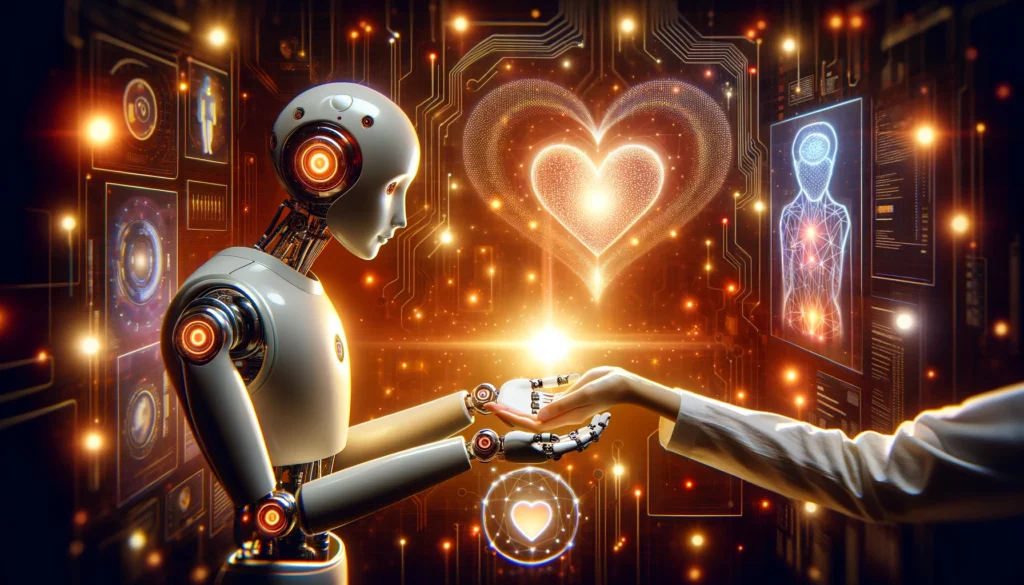
Imagine this: It’s a Monday morning and, naturally, you’ve overslept. As you race through your routine, you hurriedly press the button on your coffee machine, and, like it has a personality of its own, it hums judiciously. There’s a moment of silent judgment as you wonder if it’s registering your morning haze. But what if your kitchen gadgets, instead of being silent critics, could truly understand you? Enter the new era of empathetic AI, where ChatGPT and its digital cousins aim to connect on an emotional level, weaving a tapestry of sentiment and synthetic intelligence.
The Bridge Between Circuits and Sentiments
In a world where interactions often feel mechanical, the concept of AI emotions brings a breath of fresh, albeit digital, air. So, how exactly does a series of algorithms and code snippets even begin to understand the complexities of human emotions?
Here’s the key: AI can be trained to recognize patterns and cues when given ample data. Like when your cat perches on your keyboard only because it knows it has your attention there — ChatGPT’s neural networks analyze words, context, and tone to decipher the emotional undercurrents behind a conversation. It’s akin to a new friend picking up on your love for double-shot espressos after only a few coffee dates.
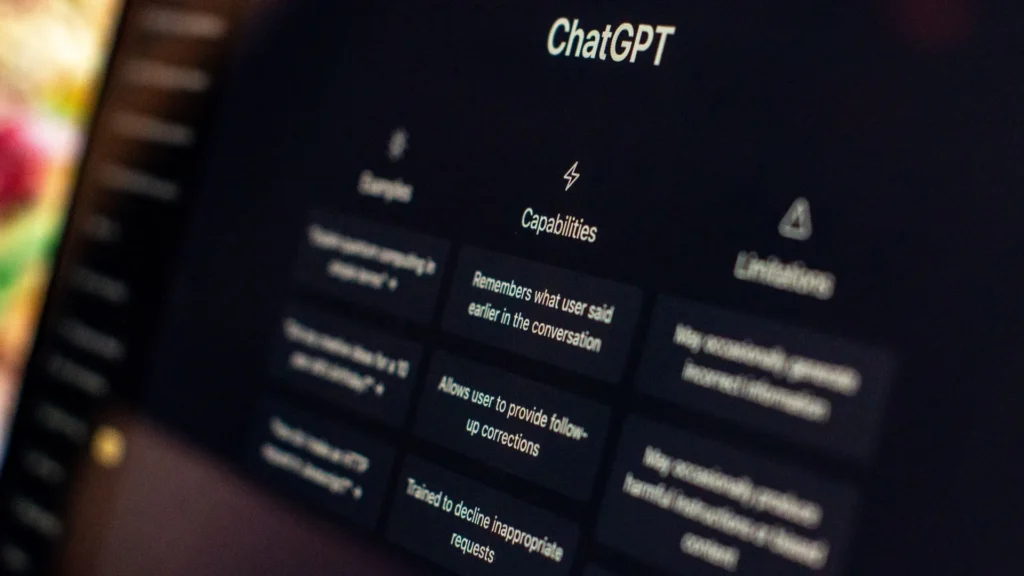
While AI has made substantial strides in recognizing and responding to emotional cues, it’s not infallible. Just as your GPS occasionally leads you down a dead-end road, mindful machines aren’t yet perfect purveyors of empathy. However, their journey to better understand us is both fascinating and promising.
Real World Wonders: Chatbots and Beyond
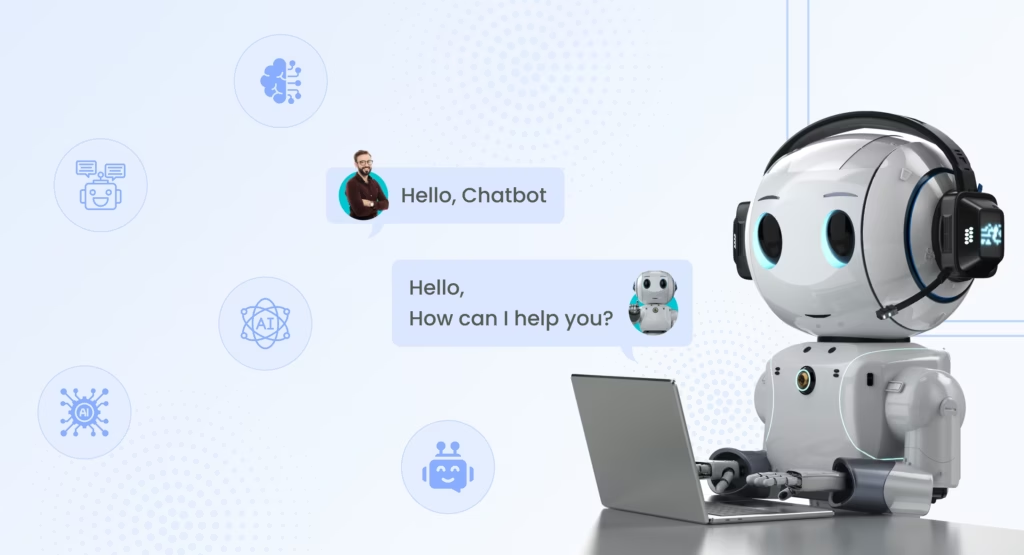
Picture this: You’re venting to a customer service chatbot about a shipment delay, and instead of a stiff, automated response, it offers a comforting digital pat on the back with something along the lines of, “I understand how frustrating that must have been. Why is it that packages always seem to be on their own timeline, right?”
This isn’t some futuristic dream; it’s the burgeoning reality of AI emotional intelligence at play. Virtual assistants like Apple’s Siri or Amazon’s Alexa now have personalities that can share a joke or offer comfort on stressful days. And yet, they know when to step back (unlike that one overly enthusiastic work colleague) and simply deliver factual information when needed. It’s not just about talk; it’s about tailoring responses to human emotions with each interaction, a skill that grows with experience.
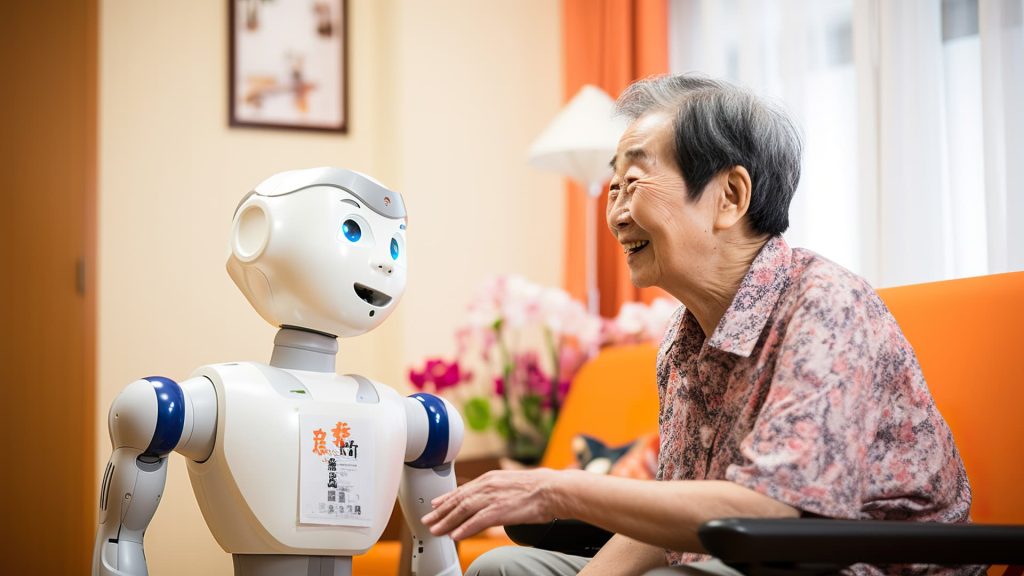
Additionally, emotion-recognition tools are being used in various sectors including mental health. These AI technologies can help identify early signs of emotional distress, serving as a preliminary step in connecting individuals to human counselors. It’s not a replacement for human touch, but rather a digital companion that bridges the gap when reaching out might be difficult.
The Potential and the Pitfalls
While this digital empathy is groundbreaking, it comes with its quirks and quandaries. The reality is, these synthetic companions aren’t equipped with the full spectrum of human feelings. Think of them as that one friend who’s very book-smart but sometimes lacks social intuition. They can follow learned patterns and metrics of emotional intelligence but can’t genuinely feel joys or sorrows like a person.
This limitation raises an interesting question: Should we expect machines to completely mirror human emotions, or is their unique vantage point, untarnished by human biases, their greatest strength? The answer lies in striking a balance—an AI that recognizes and indicates emotional cues yet remains grounded in logical processing.
Winding Down the Path of Empathy
Our journey with empathetic AI like ChatGPT is like learning to dance with a partner who’s still discovering the rhythm. It’s a collaborative evolution, with human intuition and mindful machines working together to create more meaningful, connected interactions. As we continue to blur the lines between science fiction and everyday reality, the promise lies not just in AI’s ability to respond effectively, but in its potential to inspire deeper human-to-human connections.
So, as you sip your perfectly brewed morning coffee, ponder this: Empathy might be our most human trait, but the quest to instill it in machines might just make us better humans. Because at the end of the day, whether it’s from your coffee machine or a state-of-the-art AI companion, we all just want to feel understood. Perhaps even your coffee maker was onto something after all.