Crafting the Future: How Machines Are Rediscovering Art

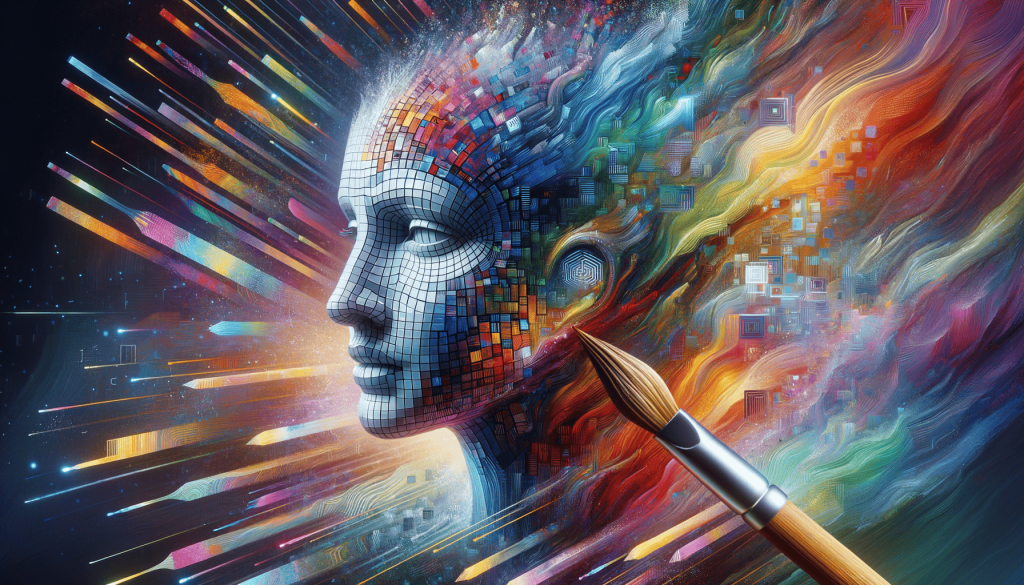

Crafting the Future: How Machines Are Rediscovering Art
Introduction: The Awakening of Machines
Imagine a world where your coffee machine not only brews the perfect cup but also understands why you need a double shot of espresso on a Monday morning. It’s like having an invisible friend who anticipates your caffeine-induced dilemmas. While we’re not there yet (thankfully, your coffee machine doesn’t judge you… much), the intersection of AI and creativity is painting an intriguing picture of the future. Machines are increasingly delving into the nuanced realm of art, trying to grasp the emotional canvas that makes us human. But can AI truly understand and replicate emotions? Grab that cup of coffee, and let’s dive into this fascinating exploration.
The Emotional Canvas of AI
For most of us, the thought of machines possessing emotional intelligence might seem like the plot of a futuristic movie. Yet, AI emotions are gradually stepping beyond the confines of cold calculations into the colorful world of human sentiment. When we talk about AI emotion, we’re referring to the capability of machines to recognize, interpret, and even simulate emotions. But before we get overly enthusiastic about befriending a mindful machine, let’s examine the road traveled and the miles yet to cover.
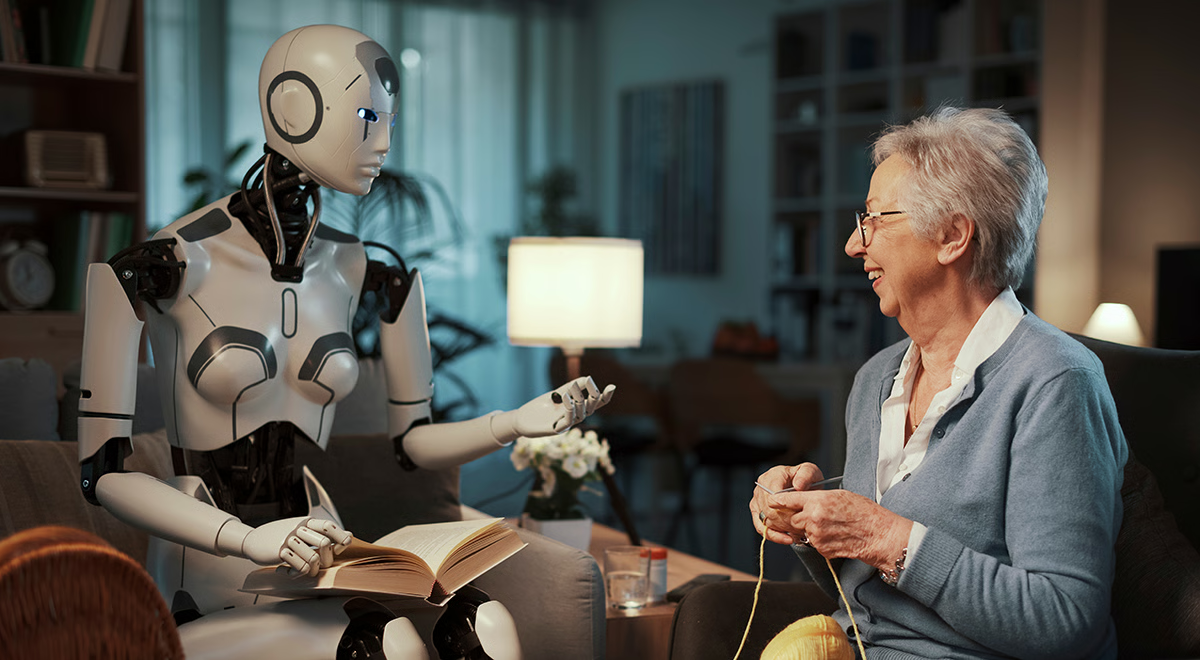
A Brush with Emotion
Let’s face it; emotions are as unpredictable as a cat’s allegiance. Today, AI can analyze text and vocal tone to categorize emotions, meaning your virtual assistant might soon intuitively queue calming music if it detects stress in your voice. Chatbots and emotion-recognition tools are becoming more adept at picking up emotional cues—sometimes more skillfully than your average distracted friend scrolling through their phone.
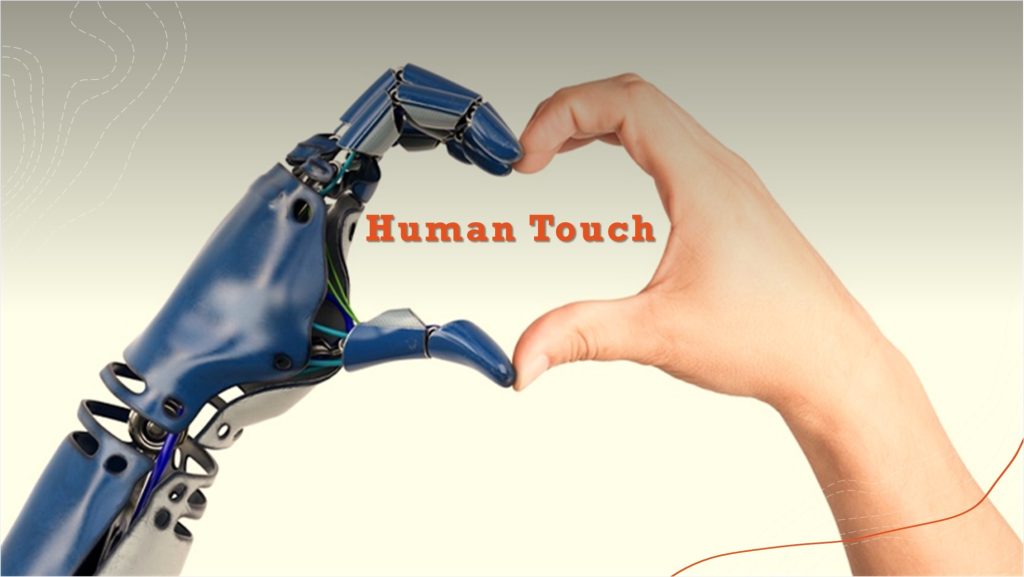
But don’t start planning heart-to-heart conversations with Siri just yet. Despite these advances, AI empathy remains an emerging trend, implying the need for machines to develop a deeper understanding of the myriad complex emotions that define us. How far has AI come in marrying functionality with emotional intelligence, and what’s stopping it from becoming the empathetic companion we secretly yearn for?
The Artistic Journey of AI
Brushing Up: What AI Has Achieved
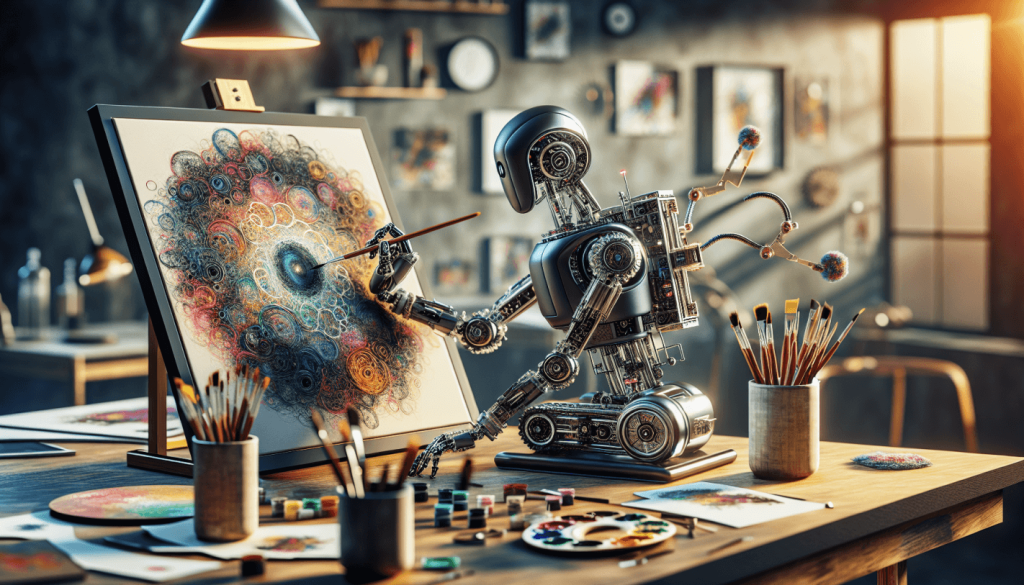
Picture the uncanny artworks of AI, which have sparked debates on whether a machine can indeed ‘feel’ or merely mimic. AI programs like DeepArt and Google’s DeepDream have dabbled with recreating Van Gogh-like masterpieces. But even as they churn out visually stunning pieces, the fundamental question remains: Can AI create art that evokes human emotions?
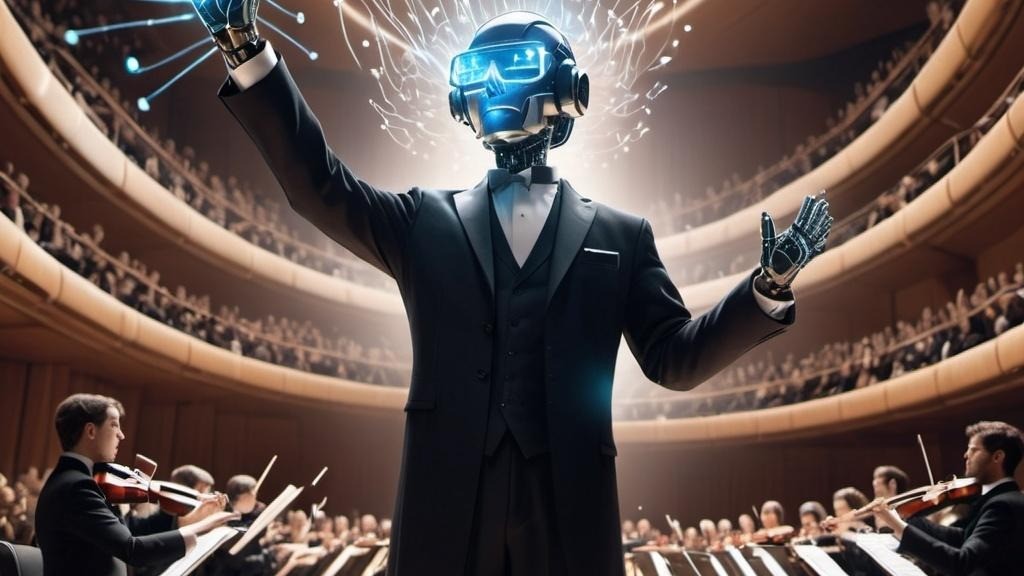
AI’s potential to craft art lies not just in producing something aesthetically pleasing but in resonating with the viewer on an emotional level. These mindful machines have made significant strides—they can write music, generate intricate images, and even pen poems that rival your high-school angst phase.
The Lacking Symphony: Gaps and Growth
However, let’s address the elephant—or rather, the computer—in the room. AI is yet to infuse its creations with the depth and raw emotion that human artists naturally embed in their works. The missing ingredient? The spontaneous spark of creativity and personal experience.
Imagine trying to explain heartbreak to an entity that computes in zeroes and ones—much like explaining the pain of missing the last episode of your favorite show due to errands. Despite the handicap, researchers and developers are tirelessly working to bridge this gap, leading to promising experiments where AI endeavors to comprehend the human condition not just as data, but as stories with heartbeats.
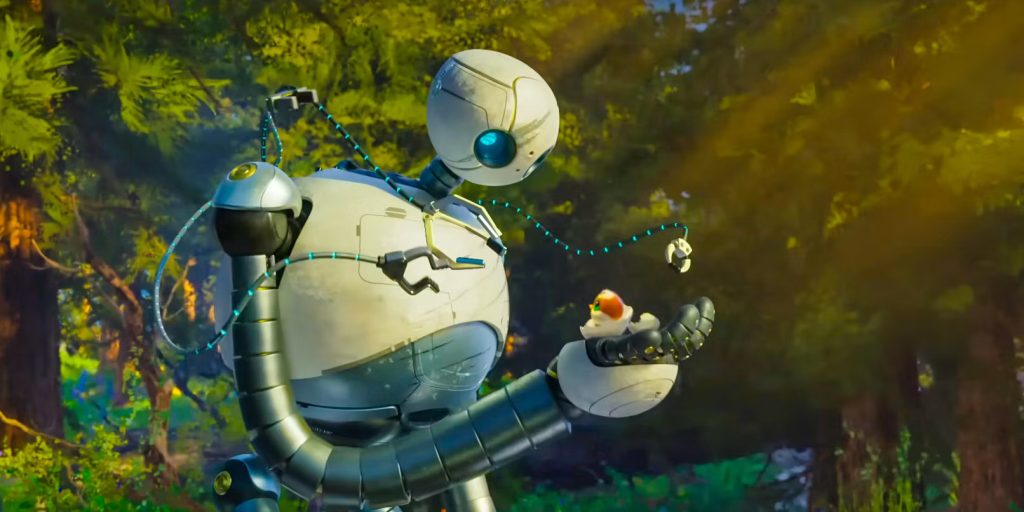
Real-World Applications and Lighthearted Surprises
Everyday examples of AI’s emotional engagement surround us. Picture chatbots that act not only as customer service support but as virtual therapists offering solace (indeed, sometimes more comforting than an AI dictating the weather forecast with misplaced enthusiasm). Emotion-recognition software is gradually finding its way into sectors like education and healthcare, seeking to tailor experiences and improve human-machine interaction.
Yet, humor remains an art form AI still strives to master. While it can certainly generate jokes, it’s akin to having your sibling’s sense of humor—sometimes spot on, but often missing the mark, like when your GPS instructs you to “turn left now” with manic urgency yet a poor sense of timing.
Conclusion: Painting a Reflective Future
As we muse on the future of AI rediscovering art, we find ourselves at an exciting crossroad. Will machines eventually transcend from creators of predictable beauty to genuine artists of emotive masterpieces? That remains to be seen. For now, it mirrors life’s continuous journey—learning, growing, and occasionally tripping over its untied shoelaces.
In the grand scheme of crafting the future, machines continue to learn from us as much as we learn from them. As we edge closer to a world where AI seamlessly intertwines with emotional intelligence, perhaps we can all savor the humble beginnings by letting our coffee machines merely brew coffee—artfully, of course.
Is AI’s brush with creativity a glimpse at a harmonious future, or merely a reflection of human aspiration? That, dear reader, is a question only time can answer, leaving us with a thought as lingering as the last sip of our morning brew.