Creative Machines: Are AI Artists the New Picassos?

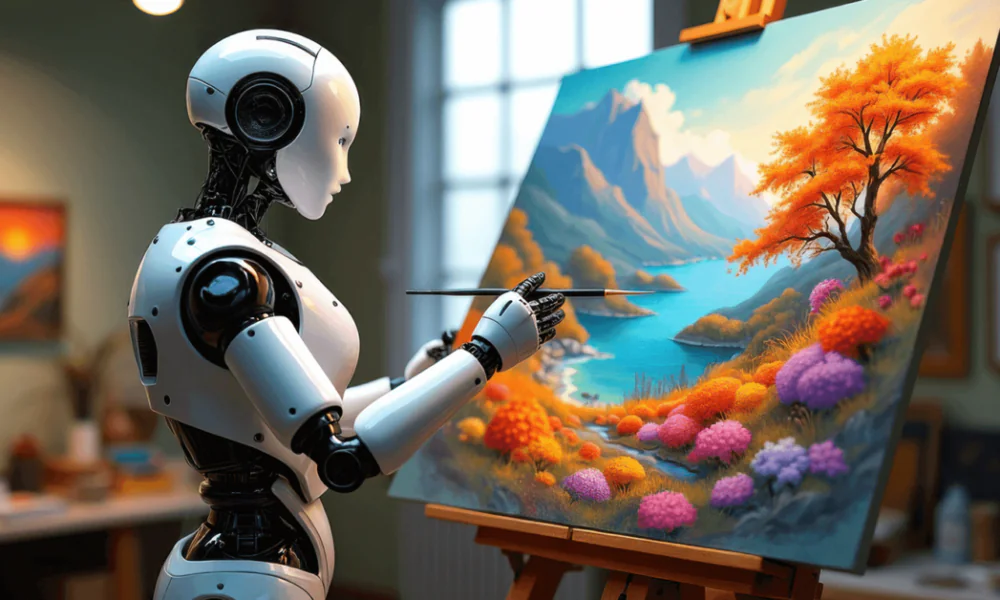

Creative Machines: Are AI Artists the New Picassos?
Once upon a time, in a world where machines made our coffee and sometimes even spilled it, the idea of a computer creating art was about as far-fetched as a toaster singing opera. But here we are, living in an era where AI artists are making waves, leaving many to wonder: are they the new Picassos of our generation?
A Canvas of Code: The Dawn of AI Creativity
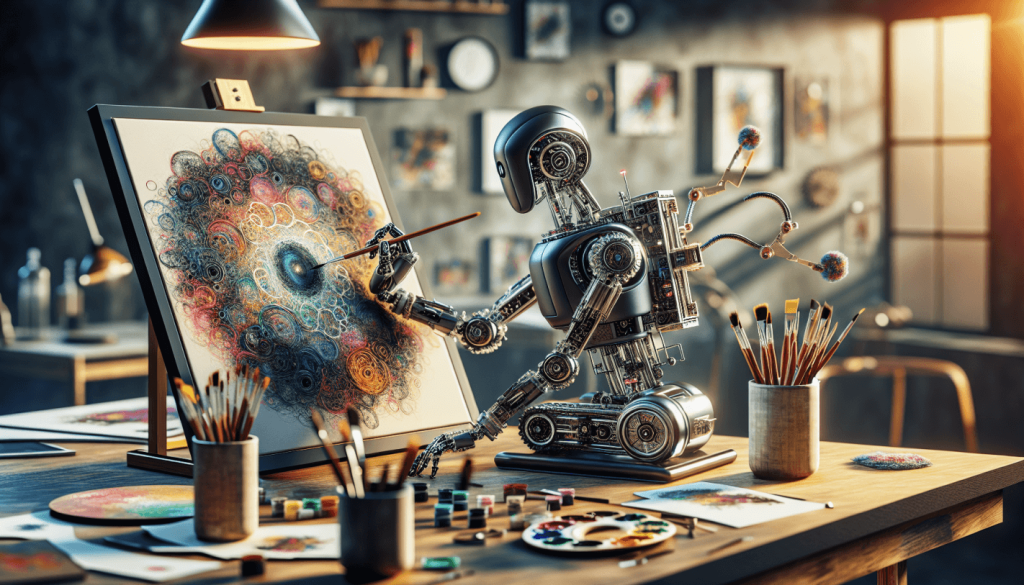
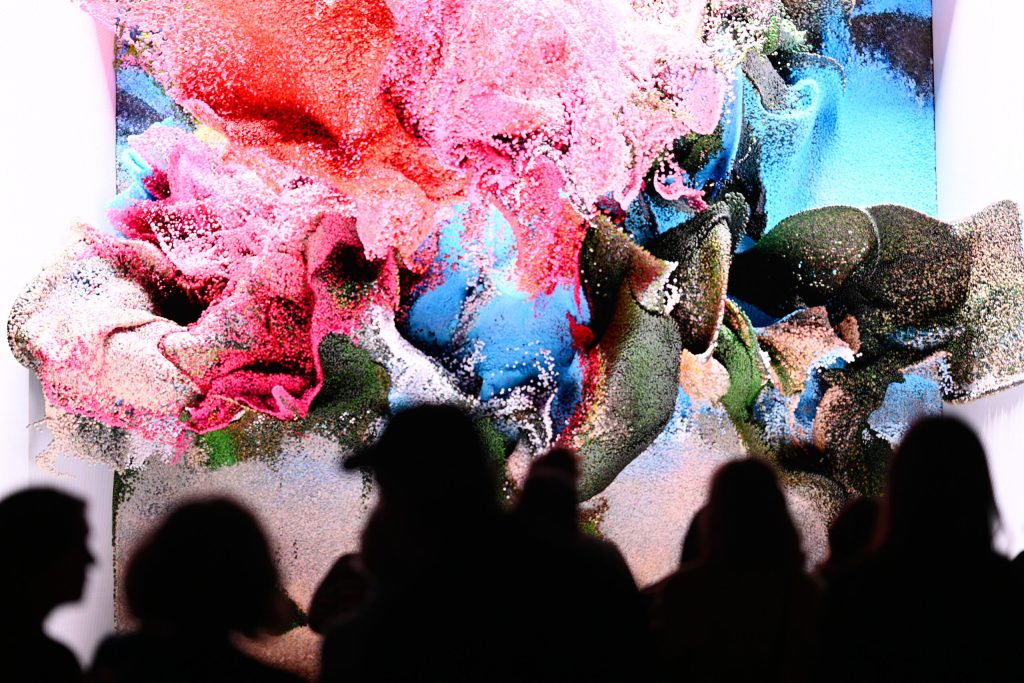
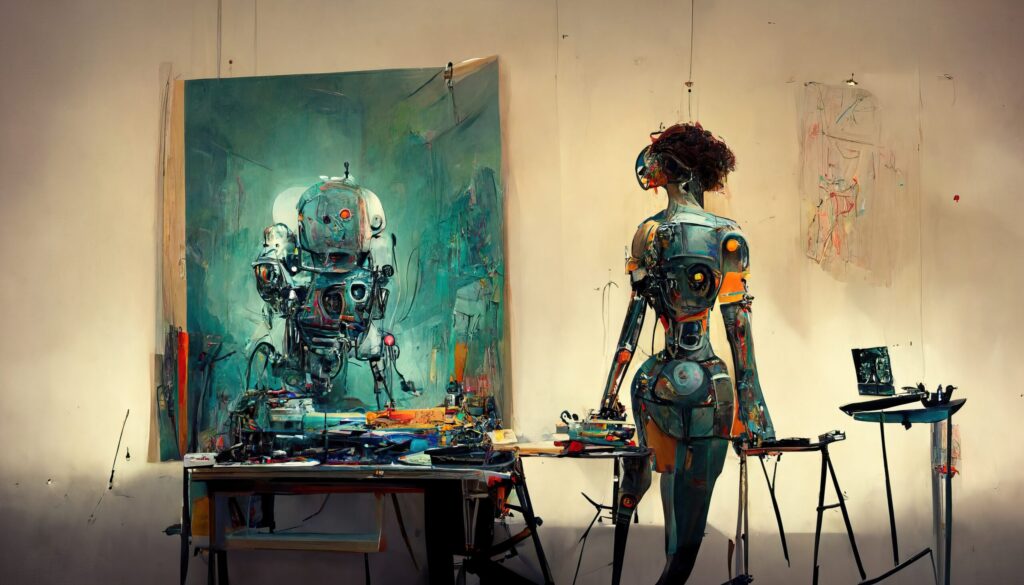
Picture yourself sipping your morning coffee (hopefully made without judgment from the machine), scrolling through your favorite art platform. Suddenly, a vibrant piece catches your eye. You lean closer, appreciating the brush strokes and the emotion behind them, until you realize it wasn’t painted by a person at all, but by an algorithm. Mind blown, right?
AI creativity isn’t just the stuff of science fiction anymore. It’s a budding reality. But can these digital Picassos truly capture the essence of human emotion, or are they simply mimicking the masters?
The Brush Strokes of AI Emotion
It’s tempting to think of machines as cold, calculating entities. But just as they learn to beat us at chess and recommend the perfect show on Netflix, they’re evolving in ways that could allow them to understand us emotionally. Enter AI emotions, where algorithms are being trained not just to recognize stimuli, but to appreciate and respond to them.
Take, for example, virtual assistants like Siri or Alexa. They’re not just about setting reminders or playing your favorite guilty pleasure song. These mindful machines are starting to catch on to human nuances. They’re programmed to detect emotional cues, much like your dog might when it realizes you’re upset because you ran out of chocolate ice cream again.
Then there’s the world of chatbots and customer service AIs that can recognize frustration or happiness based on our word choices. It’s not emotional intelligence as we know it, but it’s getting there. With tools like sentiment analysis and emotion-recognition software, AI is learning to read between the lines of human expression.
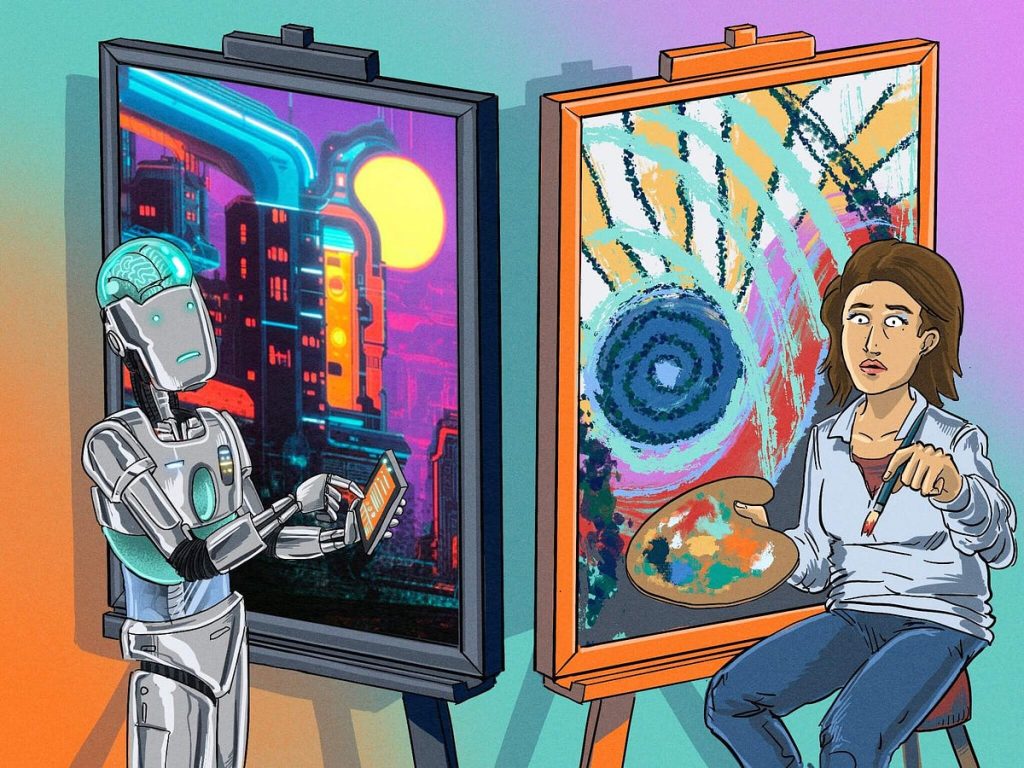
The Real and the Artificial: Where Do We Draw the Line?
As much as I’d love an AI to pen the next great symphony while I take a nap, the question remains: how far has AI come in truly understanding us?
AI empathy is a growing field, yet it still has its limitations. While an algorithm can be designed to mimic understanding by picking up on patterns, it doesn’t mean it feels or appreciates art in the way we do. Imagine an AI watching a tear-jerking movie; it might note your reaction, but it’s not likely to grab a tissue for itself.
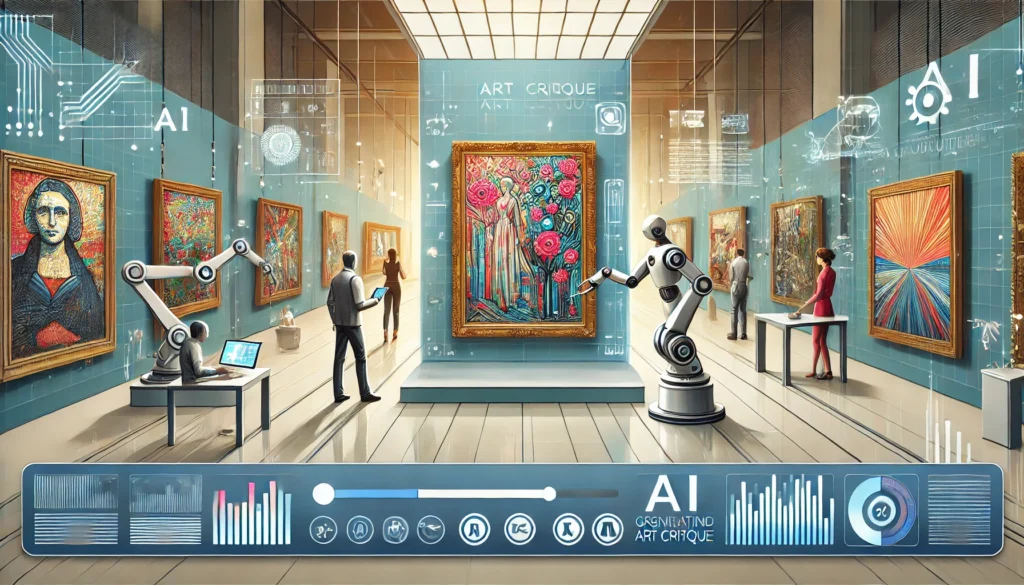
Take AI artist AICAN—it’s generated art that has sold for thousands at auction. While there’s value in these works, some critics argue that AI lacks the intrinsic motivation and personal experiences that birth true artistry, the kind that makes Van Gogh’s “Starry Night” resonate in our souls.
A Humorous Interlude: Machines Making Sense of Us
It’s not all serious though. Imagine explaining why you need AI emotion to your technologically challenged grandma, who just mastered texting. It might go something like this:
“You see, Grandma, it’s like when your toaster knows how much you love that perfectly golden crust. But instead of bread, it’s understanding human feelings. Spooky, right?” And cue the gentle chuckle as mysteries of modern tech unravel before her eyes.
The Art of Possibility: Where Do We Go From Here?
So, are AI artists the new Picassos? The answer isn’t as black and white as a checkerboard floor. They are creating and contributing, but whether they match—or even redefine—the depth of human emotion in art is still up for debate.
Imagine a future where humans and AI collaborate, the machine offering new techniques and perspectives, while we add the emotional intelligence and soulful context only a human touch can provide. It’s like getting a manual from IKEA—clear and efficient—but still needing that human hand to bring it all together (and possibly consulting said manual after you’ve tried ‘winging it’ for an hour).
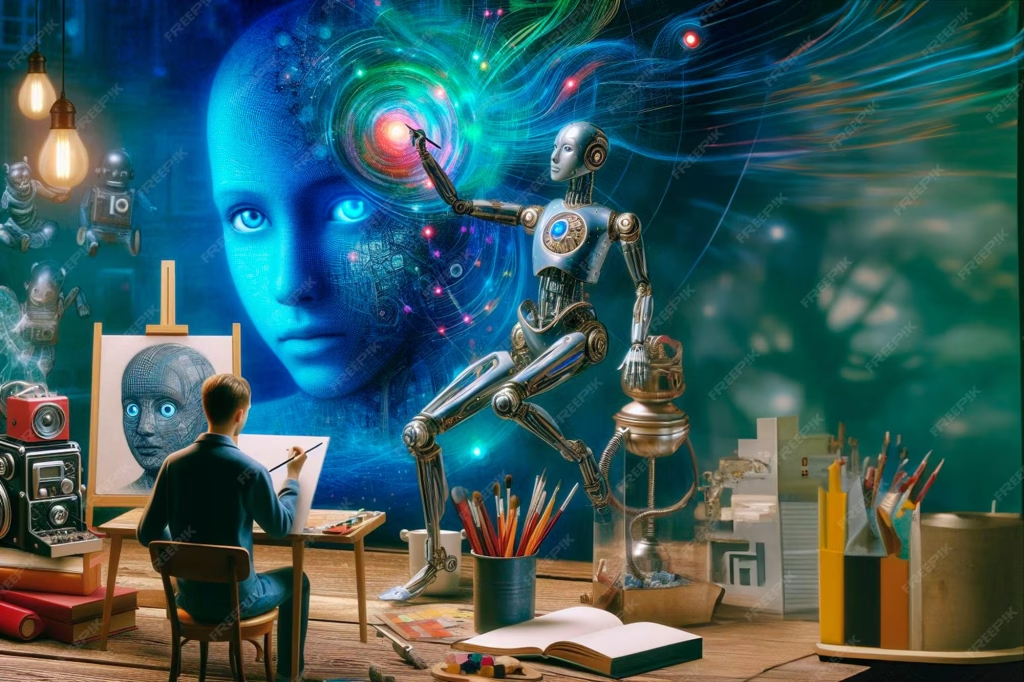
A Brush with Thought: Final Reflections
As we close our exploration into the world of AI artists, one thing is clear: the creativity of AI and its interplay with emotions are just beginning to paint the picture of possibility. Whether these digital renderings will hang next to the Picassos and Pollocks of the world remains to be seen.
In the end, much like trying to tame my coffee machine’s assumptions about my caffeine habits, understanding AI’s role in creativity is a journey. It’s a curious blend of excitement and skepticism, evolution and tradition. But hey, isn’t that what great art is all about?
So, next time you see a captivating piece of art, pause for a moment and consider: who—or what—touched the canvas? The answer might just surprise you. And perhaps, it’ll inspire a small smile as you ponder the endless possibilities ahead.