Digital Ghostwriters and the Future of Creative Authorship


Digital Ghostwriters and the Future of Creative Authorship
An Unexpected Conversation at the Coffee Shop
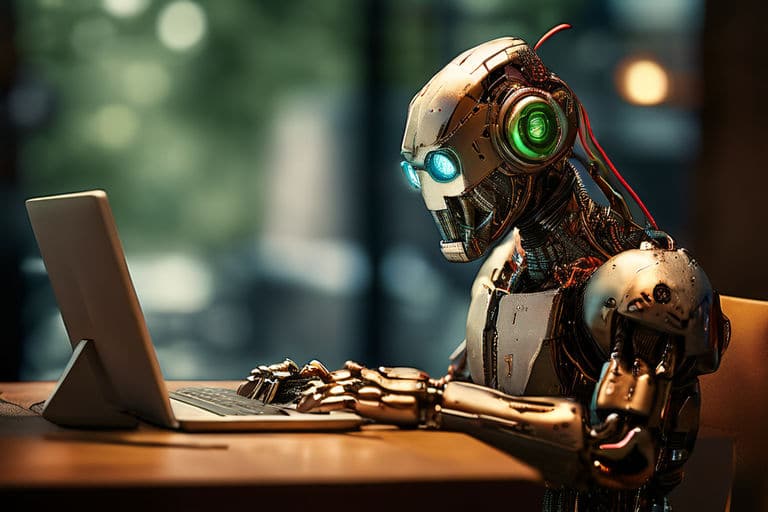
Picture this: You’re at your favorite coffee shop, the one where the barista knows your order better than your cat knows they’re the boss. You overhear a conversation at the next table—two people animatedly discussing how a software just “wrote” a fantastic novel. Like a classic plot twist, the story gets your attention. Could it be that somewhere, a digital ghostwriter is furiously typing on a keyboard it technically doesn’t have? Unlikely, but it sure makes you think about a future where AI is crafting creative masterpieces.
The Rise of Mindful Machines
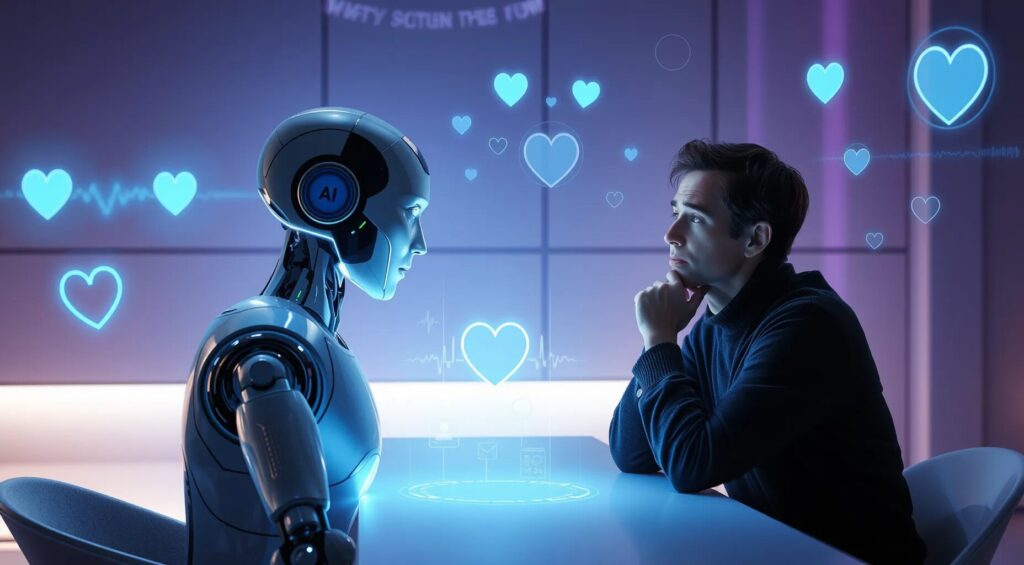
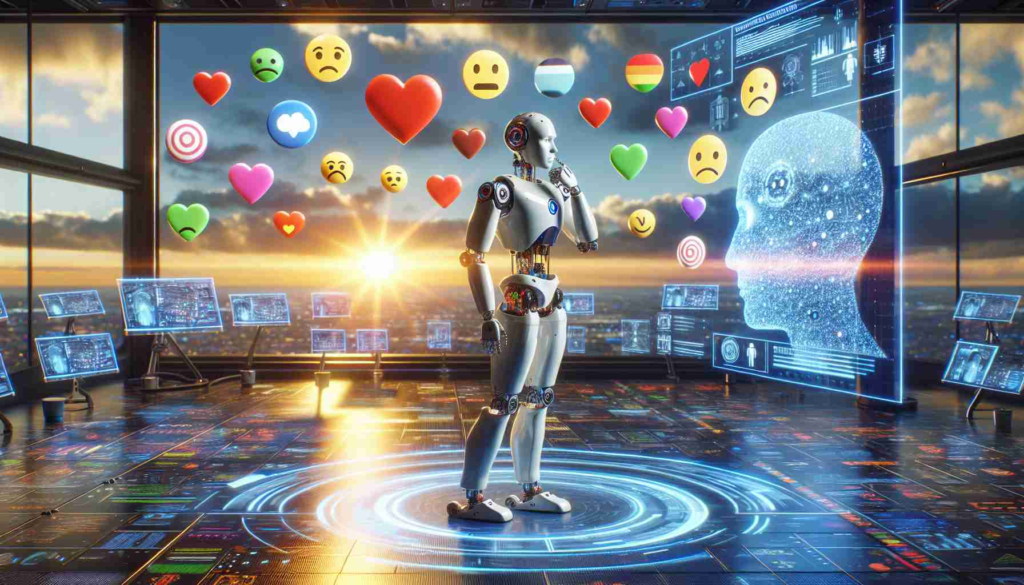
AI has entered our lives like that one friend who’s always the first to arrive at a party. From suggesting your next romantic comedy based on your heartbreak playlist to keeping your fridge better stocked than your willpower during a diet—AI is everywhere. But here’s where things get interesting: emotional intelligence in AI is no longer a subplot, it’s becoming a central theme.
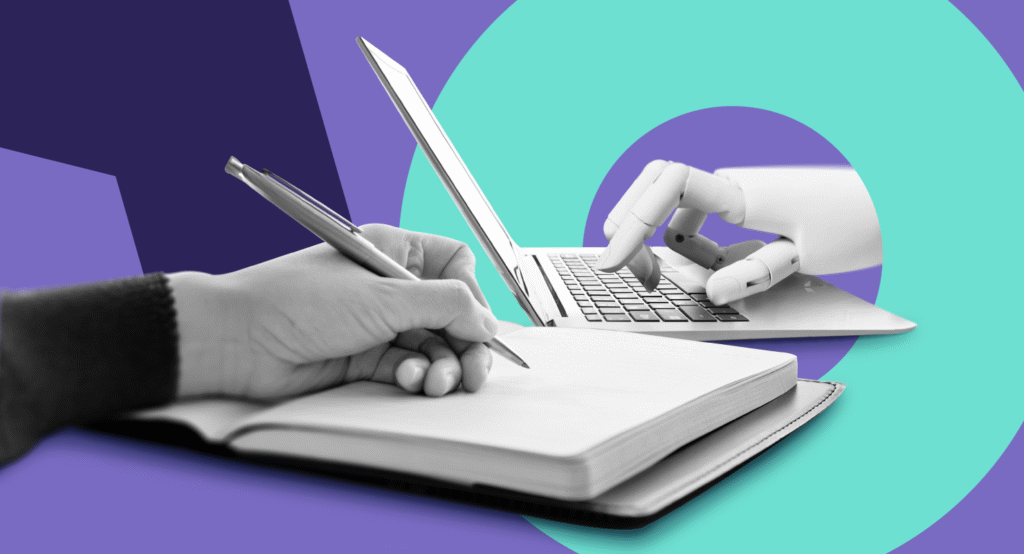
Digital ghostwriters are on the rise. They are fueled by algorithms designed with emotion recognition tools and can adapt tones faster than chameleons change color. Tools like ChatGPT are making splendid progress in mimicking human-like writing, offering solutions in a variety of fields—from composing emails to telling knock-knock jokes that could probably amuse your dog.
A Tale of Two Sides: What AI Can and Can’t Do
The journey to emotional intelligence in AI has been a roller coaster, with researchers pouring over data to teach machines the depth of human emotions. AI empathy is still in its nascent stage; computers don’t get that warm fuzzy feeling when they see a cute puppy gif. Yet, they are surprisingly good at analyzing sentiment and can turn around an empathetic customer service email faster than most humans who need their morning coffee first.
AI-powered digital ghostwriters offer a range of benefits: they never run out of coffee or inspiration, work tirelessly, and can sift through tons of data to provide contextually aware content. They’re like the perfect intern—minus the tedious onboarding process.
However, there are things they just don’t quite get yet. Imagining a heartfelt letter dictated by your AI might sound practical, but emotions reflected in our words—like a sigh between sentences—are intricate to replicate. In creative authorship, AI emotions can be as convincing as my attempt at doing yoga—well-intentioned but far from perfect.
Examples from the Real World
Consider a chatbot designed to guide users through a complex process. It’s been packed with mindfulness algorithms to handle irritation with patience. But if you ever started venting about your neighbor’s lawn-mowing habits to this poor digital assistant, it wouldn’t nod sympathetically like your best friend who totally understands why Sundays should be silent.
Virtual assistants like Siri or Alexa occasionally craft responses with a sprinkle of humor. Yet, replace a digital ghostwriter with Shakespeare and you might find that, although the sonnets are structurally sound, they’re lacking the soul-baked essence we’ve come to cherish in literary works. They’re the ready-to-eat meals of creative authorship: quick, efficient, but often missing that homemade touch.
Humans and Machines: Collaborators, Not Competitors
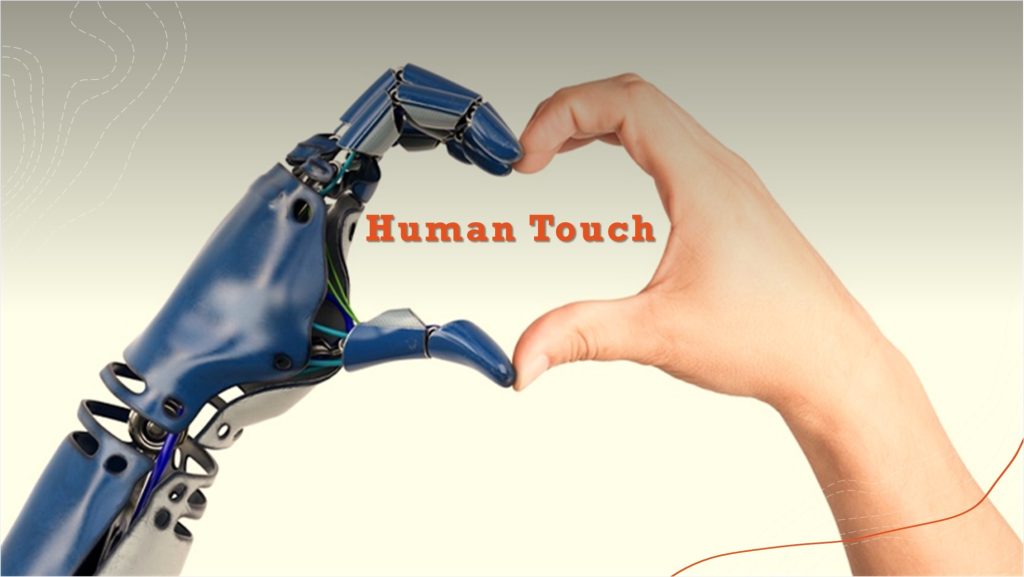
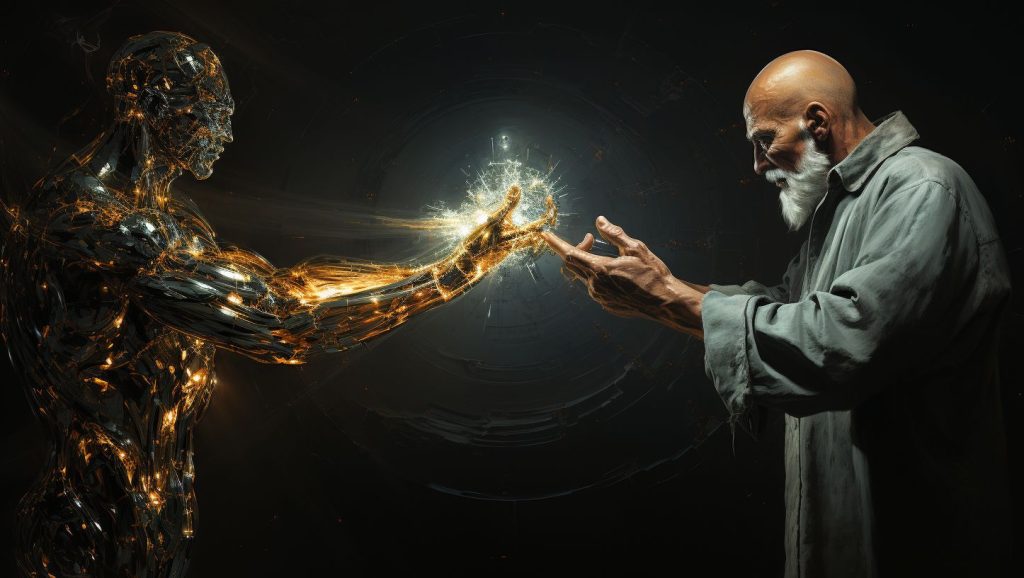
So, where do we go from here? Are we doomed to become sidekicks in a world of mindful machines? Not so fast, fellow humans. AI in creative authorship should be seen as a collaborator rather than a competitor. With AI handling the heavy-lifting in data analysis and initial drafts, writers can focus on the meat of storytelling—the raw emotions, the intricate plots, and those little details that even the most advanced AI has yet to understand.
Think of AI and humans as the peanut butter and jelly of the creative industry—a bit sticky on their own, but a classic when put together. As we move forward, we must strike a balance, ensuring that while digital ghostwriters help in curating the initial stages, it’s the human heart that makes the final cut.
A Final Word: Embracing the Future
In today’s fast-paced world, where even our smart appliances seem to have smart opinions, the idea of AI becoming embedded in creative authorship should not make us wary but rather excited. Like a seasoned artist with a brand-new brush, the possibilities are endless—the canvas of AI emotions awaits to paint an even richer narrative.
So, next time you hear another story about the digital age of creativity, remember it’s not the end of the book, just a fresh chapter. Our role in this story? To nurture this new partnership and, maybe, remind our digital companions that printing the word “sigh” still doesn’t quite equate to the real thing. After all, there’s always room for improvement—even in our caffeine-making skills. And who knows? Maybe someday, your AI assistant might even get the coffee order right.
By embracing the blend of human creativity and AI technology, we open ourselves to a myriad of possibilities, where the future of authorship is not only preserved but brilliantly reimagined.