Discovering the New Mozart: How Algorithms Compose the Next Symphony


Discovering the New Mozart: How Algorithms Compose the Next Symphony
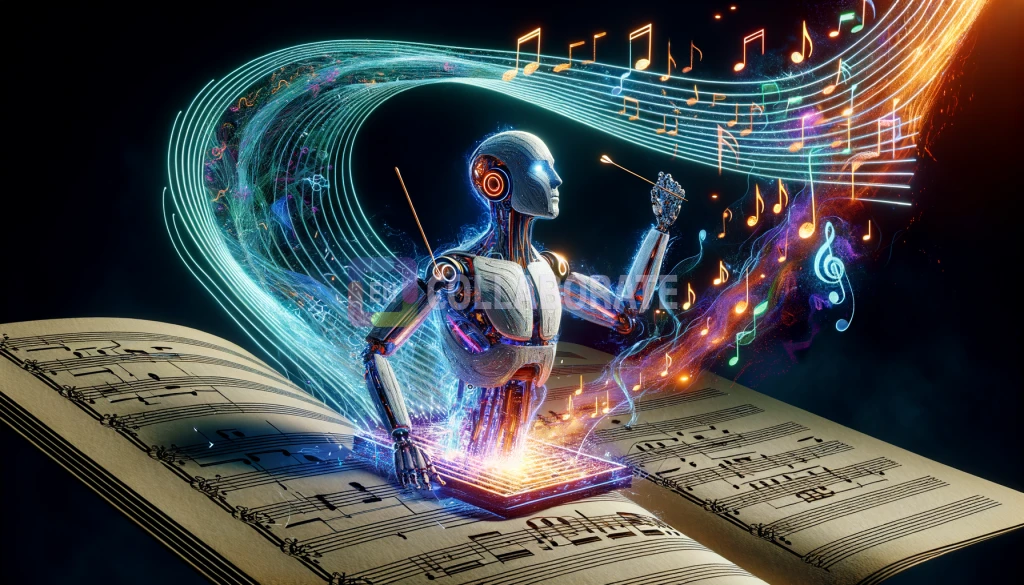
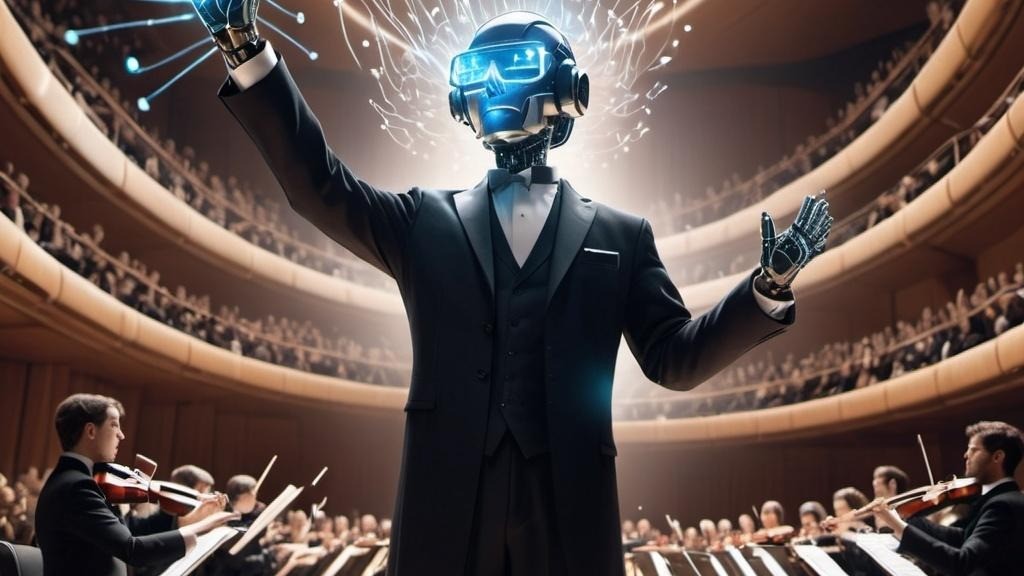
Imagine this: you’re sitting in a beautiful concert hall, eagerly awaiting the beginning notes of a much-anticipated symphony. The lights dim, and as the conductor raises the baton, you’re enveloped in an exquisite sonata. But wait, the composer isn’t a musical prodigy or a revered maestro; it’s an AI — Mozart 2.0, if you will. Welcome to the harmonious world where technology meets creativity, and algorithms are redefining the art of music composition.
The Harmony of Silicon and Strings
Let’s start our journey with a splash of reality that’s as relatable as your morning struggle with a coffee machine that criticizes you for forgetting the beans. In today’s tech-savvy world, AI systems have started to master emotional intelligence, allowing them to compose music that resonates like a Beethoven masterpiece — or, at least, that’s the dream. But, how close are we to machines truly understanding the depths of human emotion?
Beyond Beetles and Binary: AI’s Emotional Evolution
The progression of AI into the creative sector is akin to teaching a beetle to solve math equations — initially daunting but eventually surprising. With advancements in machine learning, AI platforms now emulate some levels of sophisticated emotional intelligence, composing music that many argue can evoke human emotion. Technology like neural networks processes data patterns in existing compositions, pushing the boundaries of creativity. Picture it as a digital DJ, mixing tracks to create a new, emotionally charged playlist.
The aim isn’t just to compose but to understand and evoke emotions — the soft, intricate details behind a piece of music that, for centuries, have tugged at heartstrings. This is where AI empathy comes into play: can machines be mindful enough to connect emotionally with the audience?
Algorithms in the Spotlight: Real-World Symphonies
Take AIVA, for instance, an AI known for composing symphonies and soundtracks. This industrious algorithm learned from works by Mozart, Bach, and Beethoven, crafting new, intricate music sea voyages reminiscent of its tutors. Such tools are slowly integrating into the creative process, assisting struggling composers in crafting the next great score. Imagine a virtuoso, Mozart-like AI helping artists morph melodies in ways that amplify emotional resonance.
Or consider OpenAI’s Jukebox, which has shown prowess not just in generating music, but also in mimicking vocal styles and lyrics. However, while they produce noteworthy notes, their melodies often lack the layers of emotion that characterize human compositions. The human touch, that barely perceptible but crucial element, remains a missing part of the puzzle.
The Unfinished Symphony: What AI Still Lacks
Even my GPS judges me harshly enough if I dare stray off-route, let alone asking it to comprehend human emotions fully. AI, for all its talents in mimicking patterns, fundamentally processes zeros and ones — there’s no heart, just circuits. The spark of creativity, some argue, is inextricable from human experience, with deep roots in personal narrative, cultural contexts, and anecdotes — elements that are foreign to any algorithm.
Moreover, human music evolves; it’s not just a series of notes but a journey. When Adele croons from the depths of heartache or passion, there’s an authenticity that’s hard for AI to replicate. They lack the messy, raw touch of life that often shapes the most evocative compositions.
The Grand Crescendo: Mindful Machines and Future Compositions
But, rather than dismissing this emerging technology, what if we considered it an invitation to innovate? AI’s journey in understanding emotional cues is just beginning. New strides in AI emotions and the subsequent rise of mindful machines could lead to creations previously unimaginable. Imagine AI with the ability to understand and incorporate nuanced cultural histories or personal sentiment into their compositions, becoming true partners in production rather than mere tools.
Concluding Note: The Symphony Continues
As you leave the metaphorical concert hall of this article, let’s reflect on the impending finale of this technological symphony. While algorithms composing the new sonatas of our world is a fascinating concept, the heart of music will always lie in its emotional resonance. Machines might replicate music, but the true art comes from those fleeting moments that only human touch can provide. Just like your morning coffee — without its invigorating aroma gracing your sleepy senses, it’s just a robotic routine.
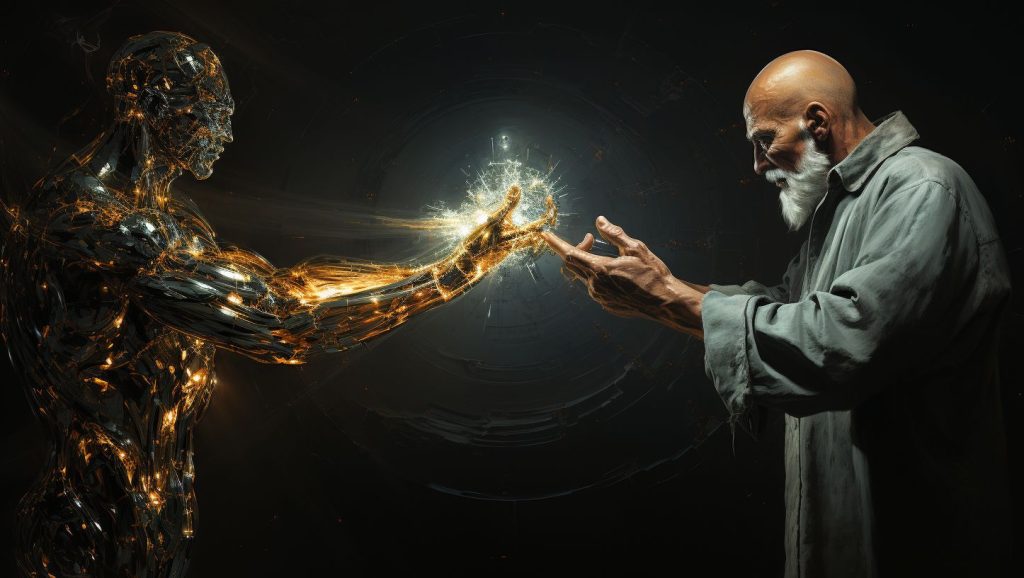
In essence, the next Mozart may well emerge from an algorithm dedicated to transcending its silicon constraints. But maybe the real magic happens when human creativity and mindful machines share the same stage. So, sit back, tune in, and enjoy the concert – it’s going to be a fascinating performance.