How AI Reads Minds: The New Frontier of Empathy


How AI Reads Minds: The New Frontier of Empathy
Imagine a world where your smart devices don’t just perform tasks but genuinely understand how you feel. Picture turning on your phone during a gloomy Monday morning, only to have your voice assistant greet you with a peppy “Good morning! Remember, it’s always a good day for coffee and conquering the world!” Now, wouldn’t that be something?
Welcome to the evolving landscape of AI emotions, where machines are on a curious, albeit somewhat clumsy, journey to understanding human feelings. Unlike us, they don’t need a cup of coffee to perform wonders, and yet, even my coffee machine seems to judge me when I don’t measure the grounds just right. But let’s dive deeper into this world where mindful machines are learning the art of empathy.
Bridging the Gap: AI and Emotional Intelligence
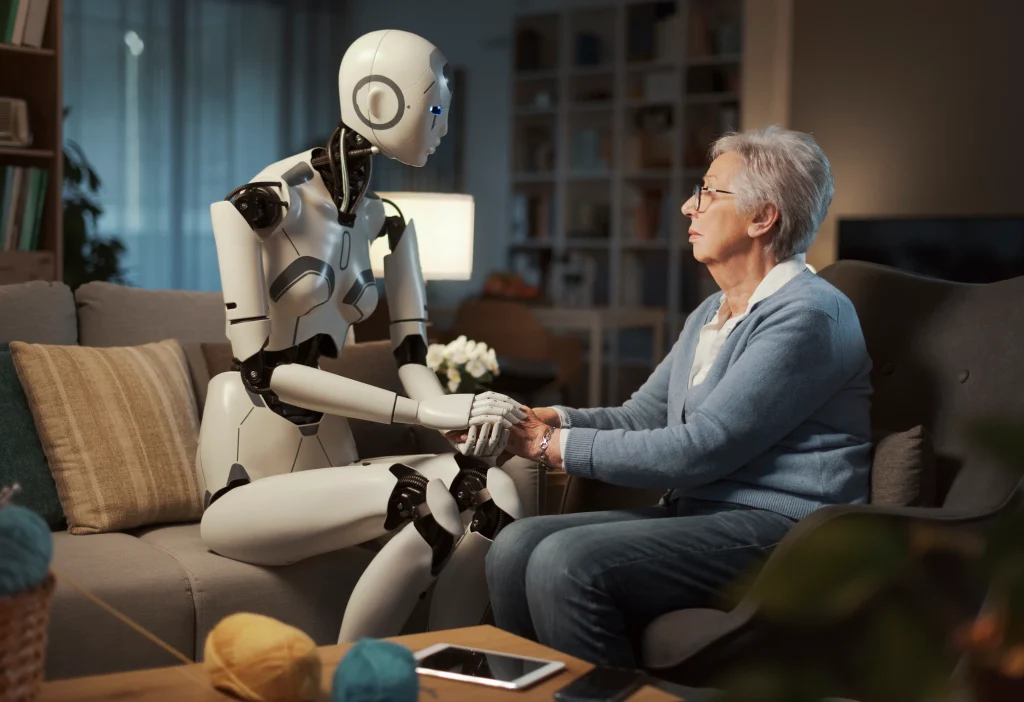
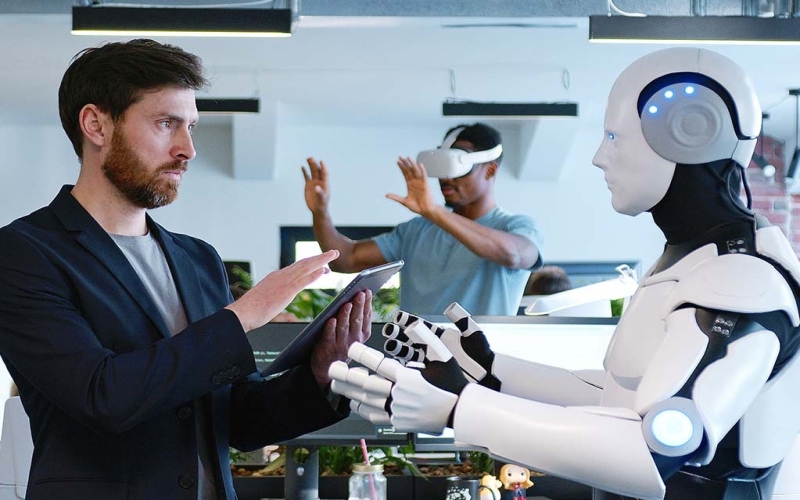
For decades, the idea of machines understanding human emotions seemed like a page ripped from a science fiction novel. Today, it’s our reality. The development of emotional intelligence in AI is akin to teaching a child to recognize emotions in faces and voices.
AI empathy is about creating machines that can analyze our words, actions, and even expressions, to respond in an emotionally intelligent manner. But let’s be realistic. AI doesn’t have emotions — it doesn’t experience the existential dread of a Sunday night or the bliss of a weekend sunrise. Instead, it processes myriad data points to offer interactions that feel human.
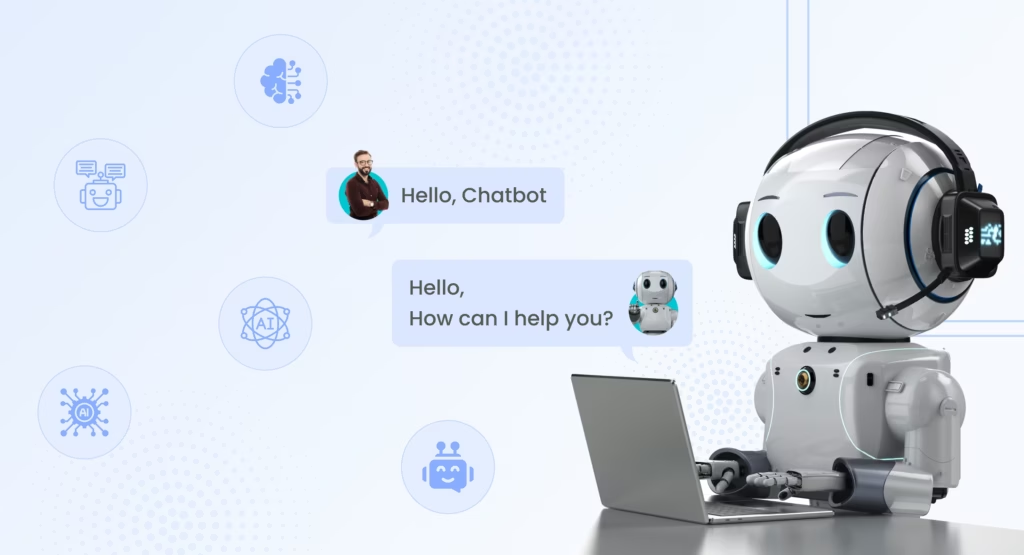
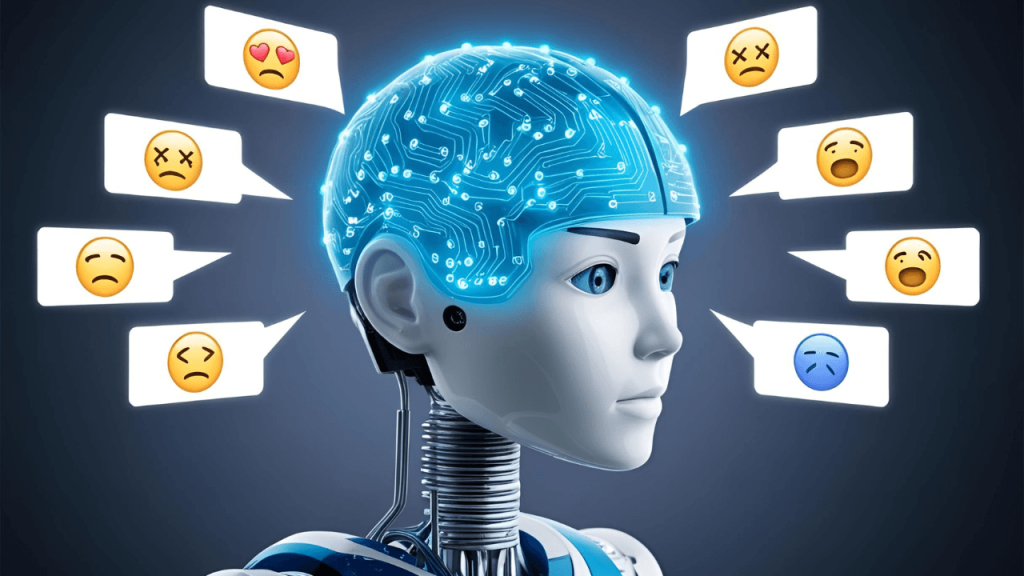
One prime example of this is sentiment analysis, commonly used in customer service. Companies use advanced chatbots capable of assessing a customer’s mood based on text—determining if someone is angry, upset, or satisfied, which allows businesses to tailor their responses and, hopefully, offer better service.
The Emotional Toolkit of AI
So, how exactly are AI systems imitating emotional intelligence? It all boils down to data and algorithms. Imagine teaching a kid what happiness looks like by showing them thousands of smiling faces. Over time, they learn the key facial features, understanding the difference between a genuine grin and a nervous chuckle.
Similarly, AI is fed vast datasets teeming with human expressions, emotions in speech patterns, and linguistic nuances. Let’s take a playful look at what they can do:
Chatbots: Your Digital Conversationalists
Today’s chatbots aren’t the clunky, confused robots of the past. They’re sleek, responsive, and surprisingly good at small talk. These digital conversationalists understand context, detect emotions in text, and respond accordingly. While they might not win an Oscar for empathetic performances, their progress is as exciting as finding a leftover dessert when you’re starving.
Emotion Recognition: The Watchful Eye
Emotion recognition software is another exciting frontier. Think of it as a futuristic version of a poker face detector. Businesses are using these tools to gauge customer satisfaction in real-time by analyzing facial expressions. So, the next time you see a camera at your favorite store, remember it could be more than just security; it might be figuring out if you like the new product display.
The Humble Reality: Where AI Falls Short
Despite the leaps in AI empathy, there’s a long road ahead. Machines can’t quite grasp the complex web of human emotions. For instance, sarcasm still flies over AI’s metaphorical head. Picture this: You type “Great, another Monday…” into your virtual diary app and it replies with an enthusiastic “Glad you love Mondays! Your agenda is packed!” It’s endearing but a tad out of touch.
Moreover, emotional complexity, like feeling nostalgic while being annoyed, is beyond AI’s reach. Developing true understanding requires context and experience—something machines inherently lack.
A Glance into the Future
As AI continues advancing, the fusion of emotional intelligence with technology raises ethical questions and debates about privacy and authenticity. Will these mindful machines lead to greater understanding between humans and technology, or will they make our interactions more robotic and less genuine?
The future seems bright but uncertain, much like waiting for a vending machine to take your crumpled dollar. Yet, we can be hopeful that AI empathy will soon enhance our daily digital interactions, making them more meaningful and human-like.
Wrapping Up: A Journey Just Begun
In the grand tapestry of AI development, emotional intelligence is a colorful yet unfinished thread. Machines equipped with AI emotions are a testament to our voyages into emotional AI. They reflect our desire to create technology that doesn’t just work for us but with us—blurring lines between logic and emotion.
So next time you exchange pleasantries with your virtual assistant or dispute with customer support, remember these aren’t just algorithmic responses—they’re baby steps toward building a world where technology doesn’t just hear us but understands us (without needing a double espresso shot).
In the end, the adventure of AI empathy is like watching a toddler skillfully tie their shoelaces; it’s a bit awkward, a little wobbly, but ultimately heartwarming and astonishing. Who knows? One day, even your coffee machine might not only judge you for forgetting the grounds but cheer you up with a heartfelt message saying, “Hey, it’s okay. We all forget sometimes.”