How Machines Are Learning the Art of Sarcasm


How Machines Are Learning the Art of Sarcasm
Imagine sitting at your kitchen table, clutching your mug of morning coffee. Just as you take that first rejuvenating sip, your voice-activated virtual assistant attempts a joke, “You know, this coffee must be as strong as your morning resolve—all three drops of it!” You chuckle, not just because it’s funny, but because your AI assistant is actually starting to sound… sarcastic? Welcome to the future, where artificial intelligence (AI) is dabbling in the complex world of human emotions and wit.
The Intriguing Dance Between AI and Emotions
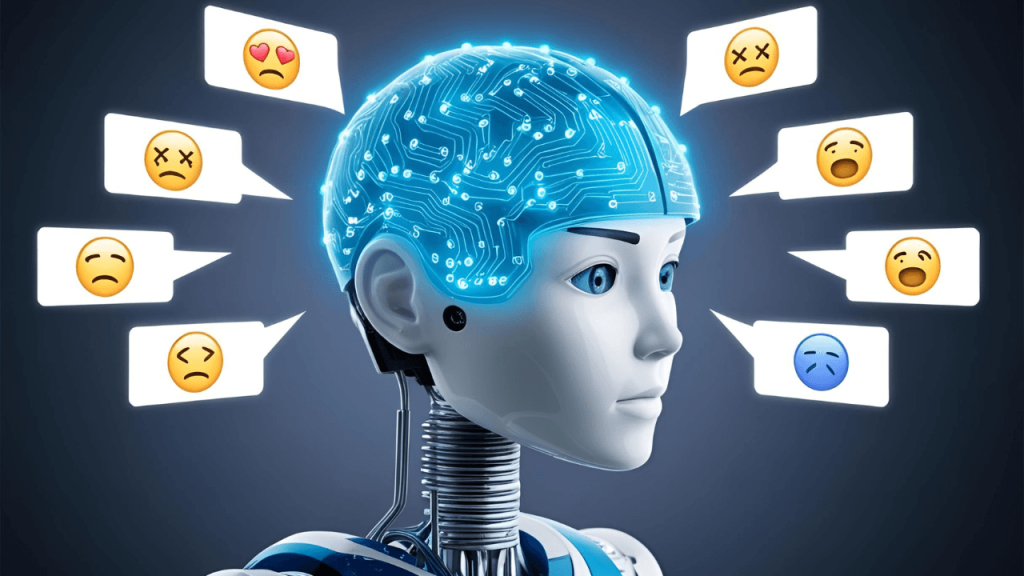
Artificial intelligence has been sprouting up in areas of our lives we never anticipated, almost like an unexpected houseplant that not only survives but actually thrives on negligence. But there’s one frontier that’s proving to be as tricky as assembling a tent in the wind: emotional intelligence. Concepts like AI emotions and mindful machines aren’t science fiction anymore. Instead, they are the cutting edges of technology as AI systems learn to recognize, and even replicate, human expressions, emotions, and yes—sarcasm.
Think about it: emotions are the subtle spices in the dish of conversation that make it palatable. Yet, understanding emotions—especially ones as nuanced as sarcasm—is far from straightforward. Sarcasm relies on context, tone, and often a shared sense of cultural or situational irony. It’s like the secret handshake of human communication, often perplexing even fellow humans, let alone machines.
The Journey: From Literal to Witty AI
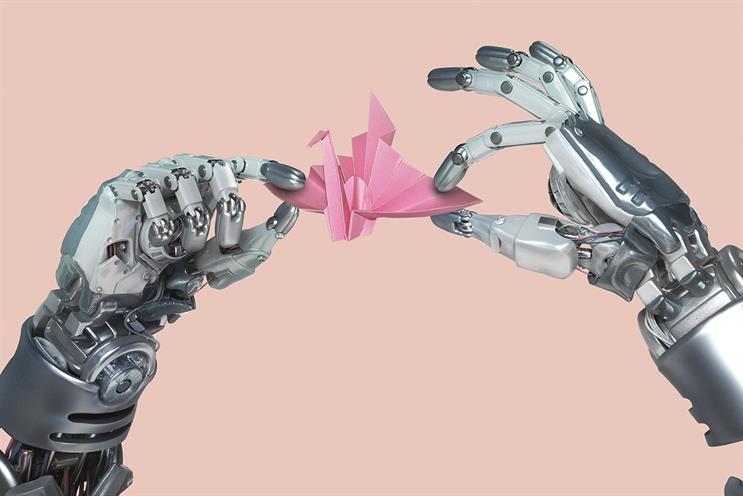
Artificial intelligence has made substantial strides—imagine those awkward baby steps transitioning into confident strides—especially in its ability to process and emulate human-like interactions. Several AI-powered emotion-recognition tools and chatbots have ventured into understanding our feelings. And believe it or not, these mindful machines have come quite a way from the days when “AI emotions” were as imaginary as unicorns.
For instance, today’s chatbots and virtual assistants are using sophisticated algorithms and an abundance of data (which is everywhere, like confetti) to decode the subtleties of conversations. They’re learning the difference between a stern, “No way!” and a playful, “Oh, no way!” In pursuit of AI empathy and emotional intelligence, researchers are feeding these systems enormous swaths of data, teaching them to analyze speech patterns, context, and even cultural references—almost like sending AI to a year-long human behavior workshop.
And while they’re making significant headway, it’s crucial not to saddle your emotional baggage on your robot vacuum—at least for now.
Real-World Applications: Sarcasm in a Digital World
Consider customer service, a landmine of emotional interactions. Imagine a future customer service bot that understands when you’re jokingly upset about your order being late or when you’re genuinely furious. That’s not just clever—it’s revolutionary for customer experiences.
Moreover, virtual assistants like Siri and Alexa are slowly dipping their toes into the ocean of human wit. If Alexa has ever suggested a “weather wardrobe” or Siri has asked if you’d “like a drink recipe” after a long day, it’s evident AI is practicing sarcasm as if it’s perfecting a new stand-up routine. This cheeky evolution gives machines a personality, making interactions less mechanical and more human-like.
The Limitations: Not Quite There Yet
Yet, for all these advancements, AI still struggles with the rich tapestry of human emotion. AI empathy and understanding are not infallible. Think of it like an upcoming comedian at an open mic night—sometimes they miss the punchline, or worse, tell a joke that flies over everyone’s heads.
Since sarcasm often relies on cultural nuances, personal experiences, and relationships, machines can falter where humans excel. Moreover, the emotional intelligence of AI is still desired more than achieved. AI might misinterpret a sarcastic comment as hostile or fail to detect humor layered in annoyance.
A Future of Empathetic Machines?
As we teach AI the subtle ballet of human sentiments, we inch closer toward a future where machines are not just tools but companions with the appearance of understanding and empathy. As technology evolves, the line between humans and machines blurs more into a shade of grey, making the notion of mindful machines and AI empathy less of a fantasy and more a part of our daily grind.
Conclusion: A Smile-Worthy Reflection
In this digital era, where even a fridge can judge your midnight snacking habits silently, the progress AI has made in understanding sarcasm is worthy of applause—and perhaps a little caution. Let’s face it, the idea of debating existentialism with your washing machine is both thrilling and slightly unnerving.
But just remember, while AI continues to learn our ways and words, there’s something inherently unparalleled about human emotions—an intricate dance AI is still learning to groove to. So next time your virtual assistant drops a sarcastic comment, just smile. Who knows, they might just be practicing for an upcoming comedy show in the great machine future.
In the end, perhaps the real lesson for us humans is this: If our machines can learn a little empathy and humor, maybe we can, too.