How Machines Are Mastering the Art of Empathy


How Machines Are Mastering the Art of Empathy
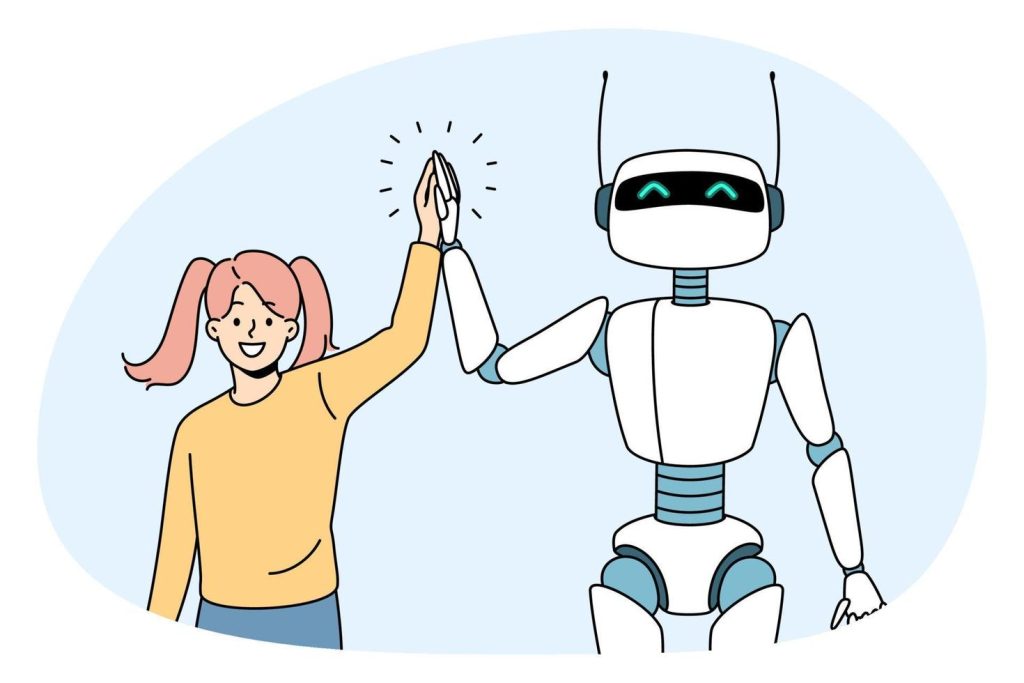
In a world where even my coffee machine seems to glare at me for forgetting to pour water, it’s no wonder we’re curious if machines can *actually* understand us—our feelings, our moods, our very human complexities. Welcome to the fascinating crossroads where AI meets emotional intelligence, threading the story of how machines are mastering the art of empathy.
The Curious Case of AI and Emotions
Imagine this: You’re having a bad day, one where even ice cream doesn’t help, and you decide to chat with your AI virtual assistant. You ask it to play a sad song, and it suggests not just any song, but *the* song that exactly resonates with your current mood. It’s as if the algorithm read your mind and offered you a playlist for your feelings.
This scenario isn’t as fantastical as it sounds. While AI can’t actually *feel* emotions, it is becoming increasingly adept at understanding them. Just like how my cat seemingly knows when I need comfort, AI technologies are learning to interpret emotional cues to offer a response that feels… thoughtful.
Emotional Intelligence in the Digital Age
Emotional intelligence (EI) is often a trait we reserve for humans, and maybe our pets who seem to know just when to nuzzle up to us. However, mindful machines are catching up. They are honing their senses through algorithms designed to recognize emotional triggers. This burgeoning field of ’emotional AI’ uses technologies such as natural language processing and computer vision to analyze text, voice intonation, and facial expressions.
A prime example is AI-based chatbots in customer service who, when you ask for the “real person,” respond with an apology that sometimes surprisingly feels genuine. Companies are leveraging these mindful machines to improve customer service, helping to turn a frustrated client into a satisfied one by recognizing emotional cues and adjusting their responses accordingly.
The Gift and Gaps of AI Empathy
Machines interpreting emotions isn’t entirely perfect though. Despite the marvels of mindfully programmed chips, AI’s empathy occasionally lacks depth. It doesn’t have a personal history to draw from, no treasure troves of awkward teenage experiences or tales of unrequited love. This absence becomes evident in nuanced human interactions—an area where AI still stumbles.
Take humor, for instance. Machines sometimes struggle with jokes that rely on cultural knowledge or historical nuances. If you ask a virtual assistant to tell you a joke, it might opt for a classic pun. But, ask it about irony or sarcasm — and suddenly, it’s like explaining a dad joke to someone who just doesn’t get it.
Despite these gaps, AI is steadily learning. Emotion-recognition tools are inching closer to understanding context. For instance, when analyzing video feeds, some systems can differentiate between a genuine smile and a nervous grin. This kind of discernment can be massively beneficial in fields like mental health, where identifying subtle emotional shifts could make a significant difference.
Real-World Wonders and Whimsies
One fascinating application is in education, where AI tutors monitor students’ emotional reactions through webcam-based tools to better cater to their learning needs. In healthcare, empathetic AI is making appearances as virtual therapists, providing 24/7 support and learning patient preferences over time to offer tailored counseling observations.
In cinematic experiences, some systems can curate personalized content by assessing viewer emotions, ensuring everyone, including the perpetually unsatisfied teenager who rolls his eyes at everything, finds something they might actually enjoy watching.
The Future: Machines with Heart?
While we haven’t quite reached the point where machines can fully grasp the emotional rollercoaster that defines the human experience, AI’s potential for empathy is undeniably intriguing. Picture a world where mindful machines help us not only with logistical puzzles but support our well-being, offering comfort and understanding.
Yet, there remains an ongoing conversation about ethical implications and the necessity of balancing technological advances with human empathy. Machines becoming a mirror to our emotions, without the ability to genuinely share them, presents both a delightful opportunity and a cautionary tale.
Final Thoughts: Food for Thought
As we step into this new era of AI emotions, maybe it’s time we ask ourselves: What do we truly seek in our conversations with machines? Is it the promise of efficiency or the semblance of understanding? As for me, I just want my coffee machine not to judge me if I forget to fill it up again.
So next time your AI assistant seems eerily understanding, remember that while machines are miles away from feeling true empathy, they are shaping up to be pretty decent understudies. With robots taking these leaps, perhaps we’ll all have more time to master the art of human empathy—something even our coffee machines might envy.
In this dance between humans and machines, perhaps the most crucial takeaway is that maybe, just maybe, they’re learning from us as much as we learn from them. And who knows? Someday, our playlist-suggesting AI will have the perfect quip tucked in its virtual pocket to cheer you up even when your real friends are out of ideas.