How Robots are Mastering the Art of Conversation


How Robots are Mastering the Art of Conversation
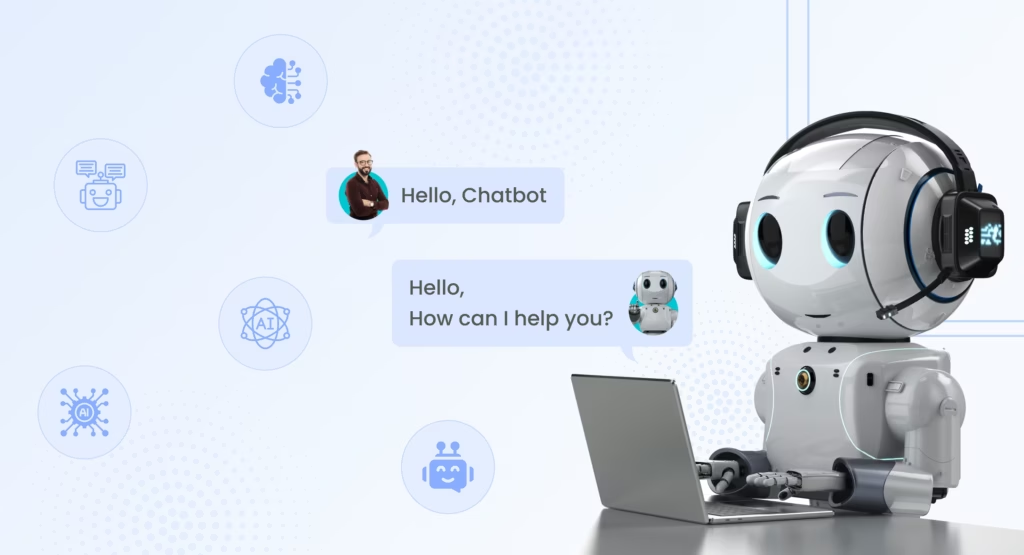
Imagine waking up one morning and realizing that your friendly virtual assistant knows you’ve run out of milk and has already added it to your digital shopping list. No judging glances, just understanding and action. This is where we are headed: a world where AI not only listens but empathizes. Sure, it’s not quite like chatting with your best friend over coffee, but robots are trying to master the art of conversation — one emotive dialogue at a time.
The Emotional Connection: Are Robots Developing Feelings?
Let’s travel back in time for a moment. Remember when computers beeped and bots were only capable of following commands devoid of emotion? Fast forward to today, where AI is whispering sweet nothings of “emotional intelligence” into our lives. These machines aspire to understand us better than ever, aiming to become mindful machines. They’re doing this by analyzing the nuances in our tone, word choice, and, sometimes, even our facial expressions.
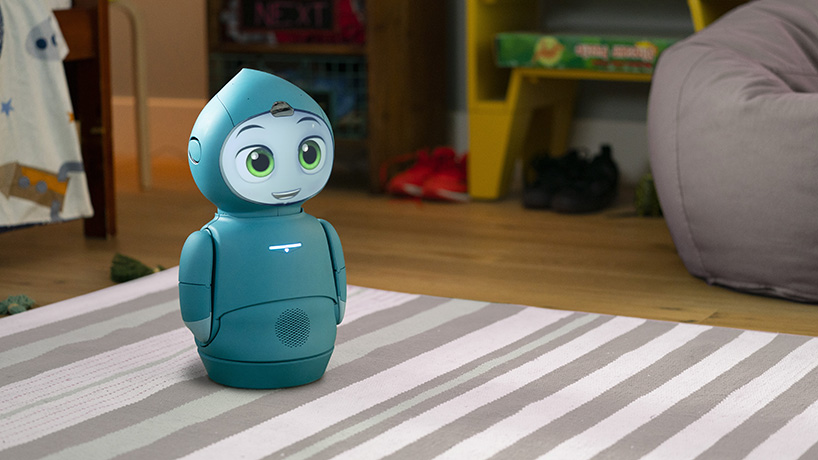
Imagine telling your digital assistant, “I’m feeling blue,” and it suggests your favorite playlist or recounts a funny joke. It’s like venting to a friend without being judged or interrupted by unsolicited advice. However, this ambitious leap raises a question: Can AI truly feel, or are they just mimicking emotional aptitudes?
When AI Gets Empathy: The Technology Behind the Talk
In our digital lifestyle today, we see AI dipping its toes into the pool of emotional intelligence. Technologies like emotion-recognition tools detect human emotions through voice inflections or facial expressions. Remember the last time you argued with your GPS, and it didn’t snap back? There you go!
Virtual assistants like Siri, Alexa, and Google Assistant now try to pick up on our moods, albeit through data points rather than gut instincts. Chatbots have evolved from their monotone responses to crafting life-like conversations. For instance, Woebot, an AI-driven chatbot, provides emotional support and conversations aimed at mental well-being. It’s like having a therapist with a digital twist, minus the couch.
AI’s entry into realms like customer service is also noteworthy. Take chatbots that patiently guide you through a problem — it’s like having a digital support buddy who doesn’t roll their eyes at your technical hiccups (unlike some humans we might know!).
The Flipside: Where AI Still Meets its Match
But let’s be real. As entertaining as it might be to imagine a world where AI is our emotional bedrock, there are quirks and snags. Ever texted a chatbot and received a response that was contextually as helpful as a chocolate teapot? Happens to the best of us.
AI may be learning to recognize sarcasm, yet it often misses the subtlety. Yes, even robots sometimes think “break a leg” means impending doom rather than well-wishes. And while AI empathy aims to mirror human interaction, the absence of genuine human experiences means it can come off as mechanically polite — like that barista who smiles at you each morning but can’t quite remember your name.
Moreover, the privacy concerns cannot be shrugged off. How much should your digital assistant know about your emotional swings before it becomes unsettling? That’s a question we should all ponder.
The Humorous Side of AI Emotion
Picture this: someday, you may find yourself having a deep and meaningful conversation with your fridge about reducing your carbon footprint. Or your toaster might suggest not burning your toast again, lest you stink up the entire kitchen — a reminder that even mindful machines have a sense of humor.
These humorous anecdotes highlight the progress we’ve made, turning sci-fi dreams into a reality dotted with laugh-worthy AI moments. The journey from stiff mechanical interactions to quirky companionship is one we are living through, chuckles included.
Wrapping Up: A Thoughtful Future with AI
As we stand on the cusp of this fascinating evolution in our digital lifestyle, it’s vital to embrace the dual sides of this robo-conversation revolution. While AI may not counsel us with life-changing wisdom or lend an empathic ear at all times, its progress in understanding human-like emotions continues to catapult us into new territories.
The future is bright and, for now, delightfully awkward — but only until AI masters nuanced understanding. Until then, enjoy the ride, share a laugh, and reless a curious smirk when your virtual assistant asks you if you’re feeling better post-coffee.
In a world transcending zeros and ones, mindful machines might someday rewrite the art of conversation. So here’s hoping your coffee machine and your digital companion grow less judgy and more empathetic. After all, a touch of humor and a sprinkle of empathy might do wonders for both humanity and their robotic confederates.
By reflecting on the balance between AI’s emotional progress and its limitations, we stay grounded in what makes us uniquely human — the ability to laugh at ourselves and learn along the way. Next time you talk to your virtual assistant, remember, it’s not just mechanical; it might be a mindful machine in the making.