How Robots Are Reading Your Emotions in the Virtual Classroom

# How Robots Are Reading Your Emotions in the Virtual Classroom
### Are AI Teachers Now Psychologists Too?
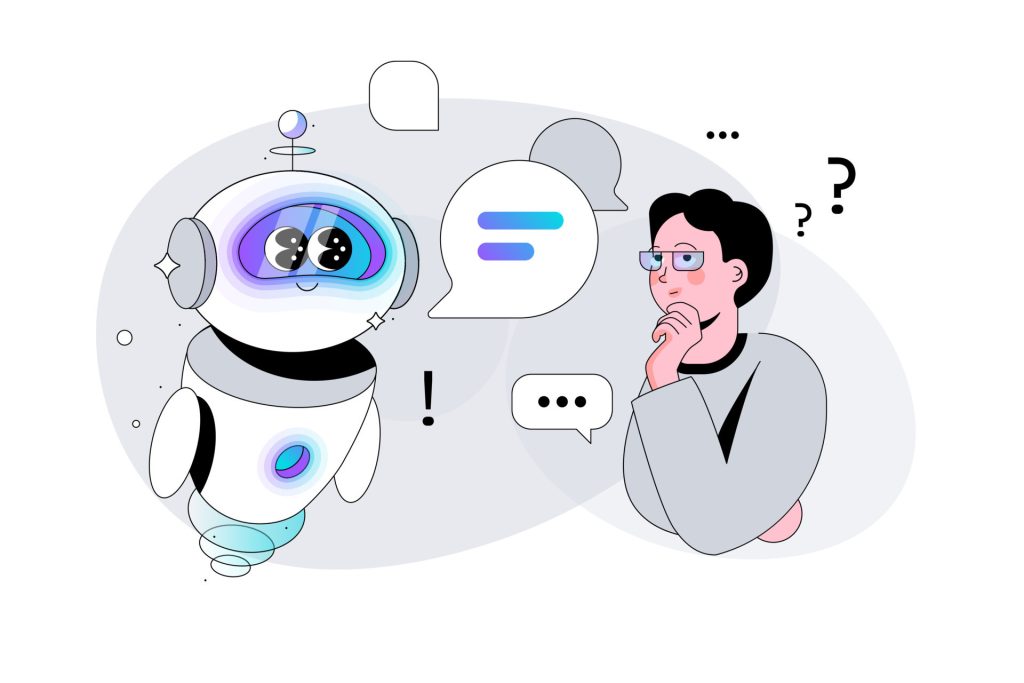
Did you ever think your computer might understand your feelings better than your family during one of those virtual classes? Well, welcome to 2026! In a surprising turn of events (or maybe not so surprising if you’ve been following the rapid AI evolution), robots, or more precisely, AI-enhanced virtual classroom assistants are now not just brilliant education tools; they’re becoming quite skilled at reading emotions. It’s like having a digital therapist disguised as your math tutor.
Earlier this year, a new groundbreaking development was introduced by an AI company called EmotAI. They’re rolling out a software at virtual classrooms across the globe, capable of scanning your face and voice to decipher exactly how you’re feeling during those long lectures. So, whether you’re frowning at a tricky algebra problem or yawning through a history slideshow, EmotAI knows, and it’s ready to respond sympathetically — or at least, adjust the slide pace! This isn’t a screenplay for the latest science fiction blockbuster; it’s happening right now.
### The Tech-Savvy Teacher: EmotAI’s Big Move
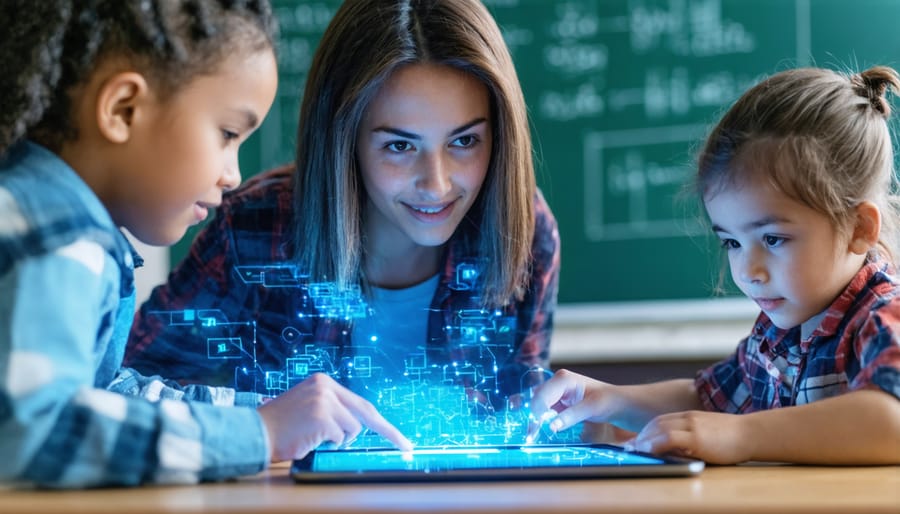
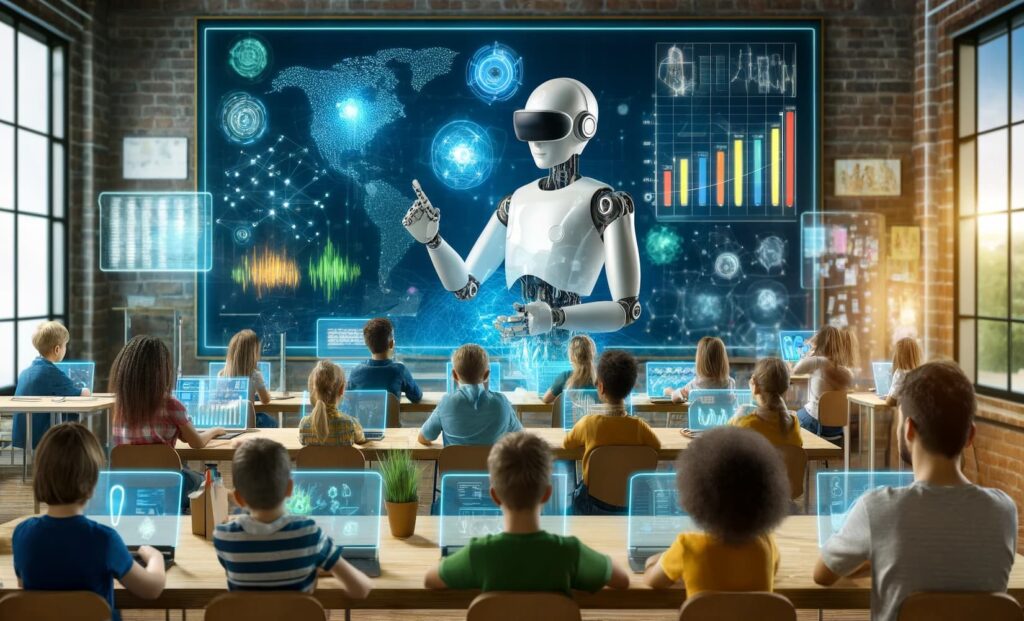
EmotAI, previously renowned for elevating emotional AI capabilities in health care, is now setting foot in the educational domains. By equipping virtual classrooms with their software, they’re promising a not-so-futuristic scenario where technology becomes empathetic. Imagine your virtual class dances to the beat of your moods. If collectively, the class’s mood dips into utter boredom, expect your digital teacher to drop a meme or change teaching tactics.
The magic lies in their Emotion Recognition Software (ERS), which uses a blend of computer vision, natural language processing, and deep learning algorithms to analyze students’ facial expressions and vocal tones in real-time. The software then categorizes observed emotions like confusion, engagement, or boredom and prompts the educator (or itself if it’s the sole educator AI) to tailor its methods according to majority emotions.
EmotAI collaborates with several universities in the US and Europe to pilot this technology. Imagine finishing a course where the modalities of education resonate with your feelings! Aside from making classes potentially more engaging, it aids teachers in providing personalized support, understanding where students need help — or a good laugh perhaps.
### Smiling and Crying with Tech: What It Means for You
So, how does this affect you, dear student or teacher trying to wade through the complex waters of learning and educating? Well, it’s like an invisible assistant, sitting quietly in your Zoom class, constantly learning more about you than you realized.
For students, this means the virtual classroom gets significantly closer to a one-on-one tutoring experience, but in a group setting. Teachers can receive immediate feedback on class dynamics and adjust their delivery accordingly. This could increase engagement rates and possibly improve grades, reducing those painful oh-not-again moments on daunting subjects.
For teachers, it might mean sweet relief. Instead of wrestling to gauge if students’ deadpan stares translate to confusion or just post-lunch daze, EmotAI’s solution provides data-driven insights straight from the laptop screen. It’s AI doing what AI does best — decoding the hard stuff for us.
### What’s on the Horizon?
This technological advancement, while exciting, introduces a realm of intriguing possibilities — and concerns. Are we diving headlong into a world where machine empathy might rival human? Could this shift in AI capabilities reform how we see digital education, even post-pandemic?
There’s a balance to strike here: the allure of emotionally intelligent AI vs. the ethical concerns it carries — privacy in educational settings being a major topic. Emotional data collection, while designed to enhance learning, walks the thin line of privacy invasion. Moreover, as excellent as technology might be at detecting emotions, it lacks the profoundness of human connection, something critical in human-centered growth like education.
### The Final Bell: Class Dismissed
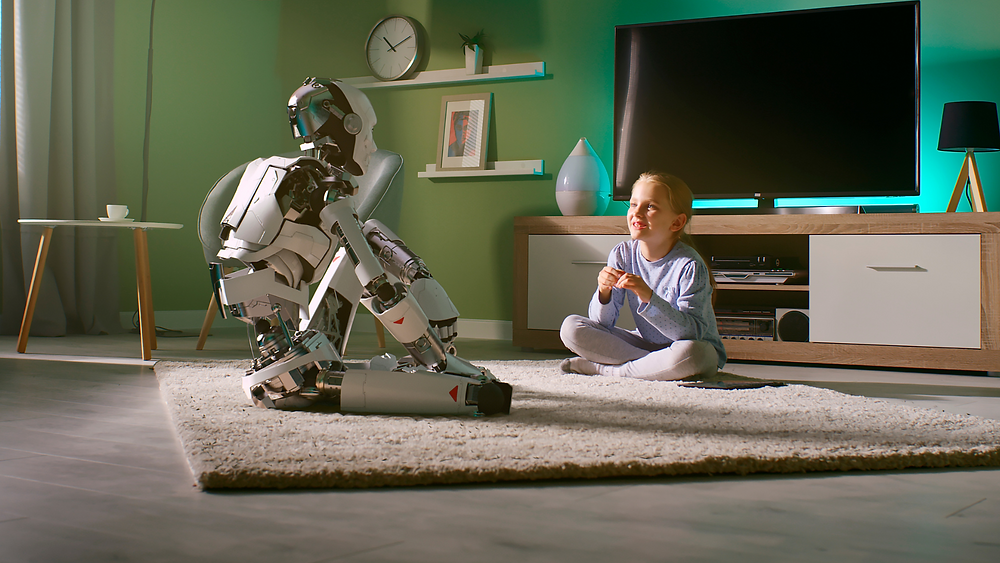
In this whirlwind of technological advancements, it’s clear AI isn’t parking its hoverboard anytime soon. And with companies like EmotAI leading the charge, the virtual classroom might soon be more convenient, effective, and understanding than we ever imagined. The humble classroom could now be the site where AI meets psychotherapy for the first time, and you, whether as a student or educator, are at the heart of this transformation.
As these emotionally aware robots step straightforwardly into classrooms, it leaves you pondering, would you raise your hand next time without feeling the pressure — knowing, perhaps, there’s an AI somewhere empathizing with your situation, nodding knowingly from the other side of the screen!