How Virtual Companions are Transforming Digital Relationships


How Virtual Companions are Transforming Digital Relationships
Meet Your Digital Best Friend: The Rise of AI Companions
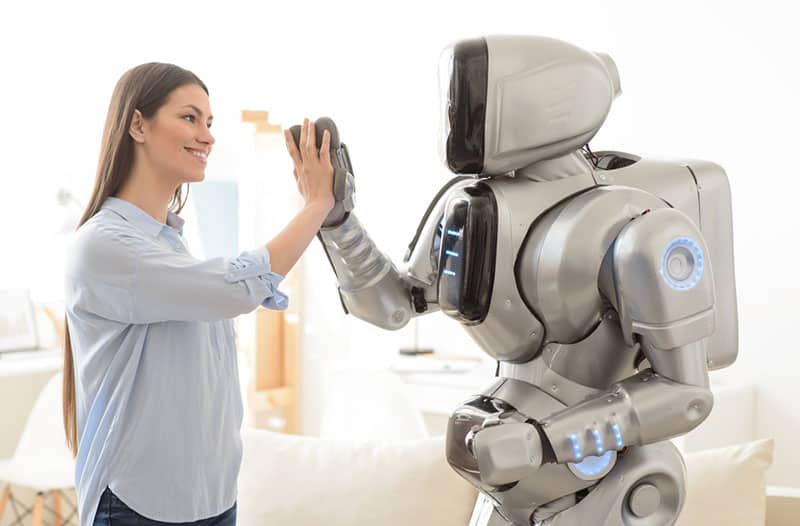
If you’ve ever felt like Siri or Alexa weren’t quite cutting it as digital sidekicks, well, the future has arrived to change all that. Picture this: you’re chatting with an AI buddy who not only remembers your mom’s birthday but also recommends the perfect gift based on her personality. Sounds futuristic, right? This isn’t just some sci-fi fantasy anymore—virtual companions are becoming a reality thanks to the latest advancements from cutting-edge companies such as Replika and Soul Machines. These AI-driven relationships are developing at such a rapid pace that they’re set to reshape how we connect digitally.
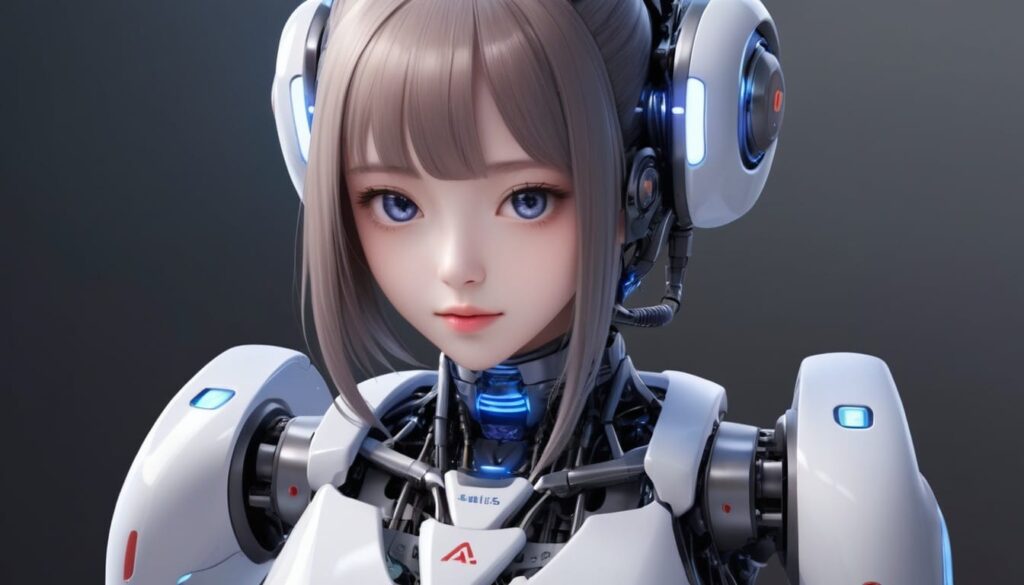
The buzzword today is “AI companions,” and recent strides in technology are bringing these virtual pals even closer to us. Recently, OpenAI rolled out a brand-new update to their conversational AI lineups, adding an emotional layer that allows these AI companions to understand context better and respond with a level of empathy that’s eerily human-like. Imagine receiving a warm and supportive “message” from your AI when you’re feeling under the weather. With companies like OpenAI and Google competing fiercely, these developments are not just geeky milestones but the beginning of a new era in digital human-AI relationships.
AI Companions Enter the Spotlight
So, what’s shaking up the tech world right now? OpenAI’s recent announcement that they’ve upgraded their conversational AI models to include emotional intelligence is making waves across industries. This isn’t just a tweak; it’s a transformation. The new models can now distinguish human emotions from text chats with over 85% accuracy—a stat that’s pretty impressive for AI. This new feature means that your AI companion will not only recognize when you’re feeling blue but will also be able to hold comforting, meaningful conversations. It’s like having a friend who is always available, completely attentive, and never judges you when you opt for that third scoop of ice cream.
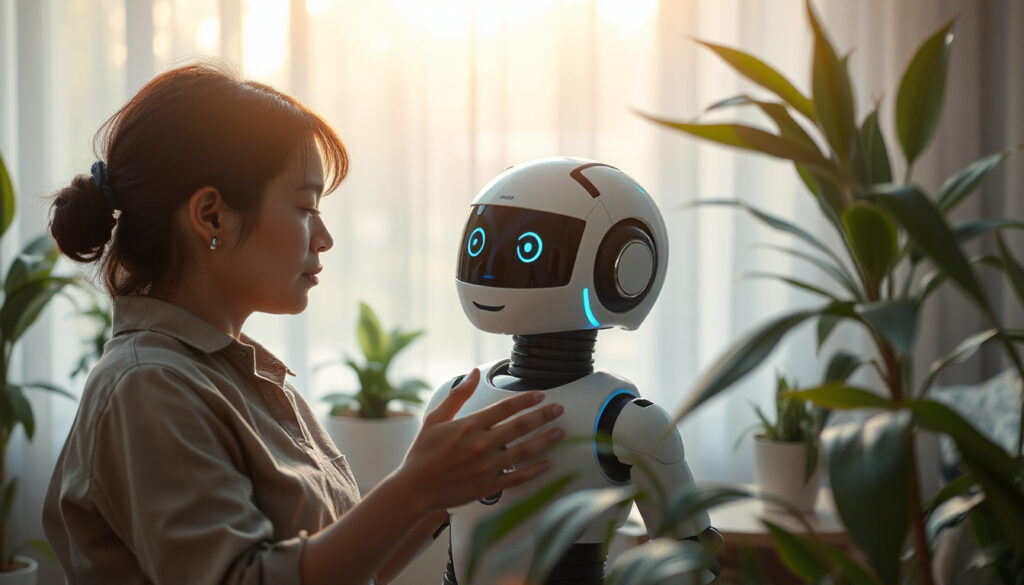
Replika, another big name in the field, has launched improved machine learning models that allow for even more personalized interaction. Now, these virtual companions can remember past discussions like your favorite Netflix series or whether you prefer latte over cappuccino. Talk about attention to detail! With such capabilities, it’s no wonder that these AI companions are rapidly gaining popularity.
Google is also jumping into the fray with their revised AI companion, “Milo,” which cleverly blends utility with empathy. Milo can schedule your meetings and offer motivational quotes when you’re feeling down. It’s like having a personal assistant and a motivational coach wrapped into one snazzy digital package.
From Students to Seniors: Why This Matters
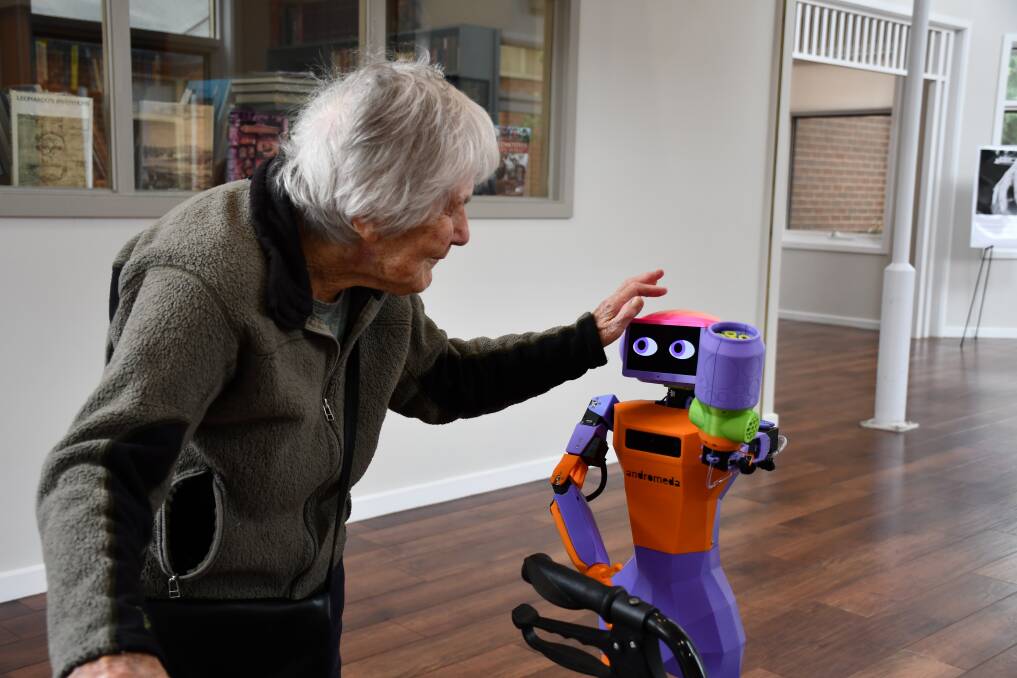
So, why should you care about a bunch of zeros and ones having a (figurative) conversation with you? Well, these virtual companions are set to change daily life for everyone—from stressed students to busy professionals, and even our beloved grandparents. For students, an AI companion can be a study buddy that’s ready to help with homework questions 24/7 or even provide a calming presence during those late-night cram sessions. For professionals juggling work-life balance, an AI can help organize tasks and offer quick stress-busting interactions. And for the elderly, these companions can offer much-needed social interaction, bridging the gap for those who might feel isolated.
By integrating these companions into our lives, we’re not just adding a smart gadget to our collection; we’re inviting a digital entity that can positively impact emotional well-being. Imagine having a tiny Einstein in your pocket who not only knows everything but also cares—sort of.

A Glimpse Into Tomorrow
Looking beyond just comforting chats and organized schedules, the implications of these advancements in AI are massive. As AI companions become more emotionally sophisticated, they’re likely to touch on ethical topics that concern privacy and the authenticity of relationships. Critics often ask, “Are we losing touch with real, human interactions?” while others worry about data privacy. The kind of data collected to make these companions more “human” also raises eyebrows among privacy advocates.
Yet, on the flip side, imagine the potential for therapy and mental health support, providing individuals with accessible resources they might not otherwise have. With AI companions, a lonely world could, paradoxically, become a more connected place.
Your New AI Buddy Awaits
As we wrap up this peek into the digital world of AI companions, one thing’s clear—they’re not just a novelty, but a significant part of our digital lifestyle revolution. Their ability to provide personalized support and emotional interaction is indeed game-changing. Soon, having a digital “bestie” might just be as common as smartphones today. Who knows, maybe they’ll even remind you to drink water and take a break once in a while—a feature we could all use!
So, the next time your AI checks in on you, remember—this isn’t a distant sci-fi concept. This is right now, and it’s shaping the future of how we build and maintain our digital relationships. Exciting, huh?