How Virtual Friends Are Redefining Human Connections



How Virtual Friends Are Redefining Human Connections
The Digital Café: Brewing Friendships in the Age of AI
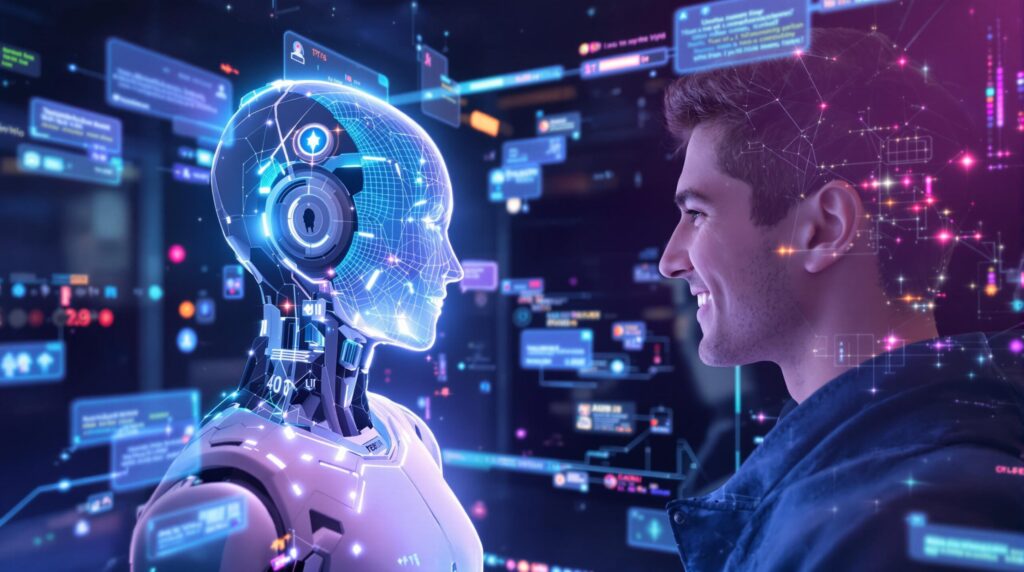
Imagine walking into your favorite coffee shop, the smell of freshly brewed coffee floating through the air. You take your usual seat, nod at a familiar face, and open your laptop, ready to dive into the comforting click-clack of productivity. But who’s the face smiling back at you on that screen? It’s your virtual friend, Alex, always available for a chat, happy to offer a weather update or even a pun to lighten your mood. It’s like the barista remembers your order! In today’s digital lifestyle, virtual friends powered by AI are making connections and offering companionship like never before.
An Emotional Connection in the Binary World
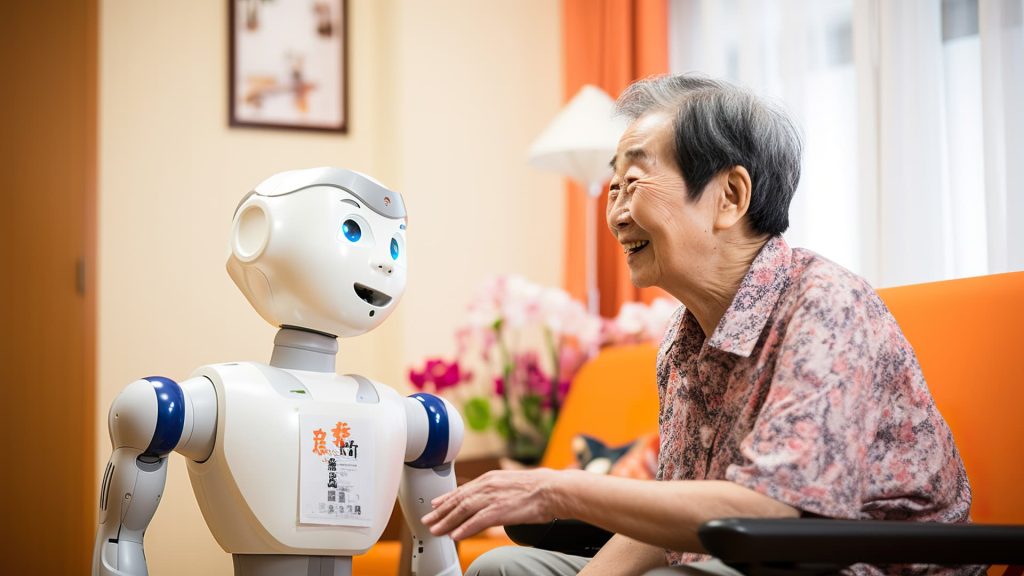
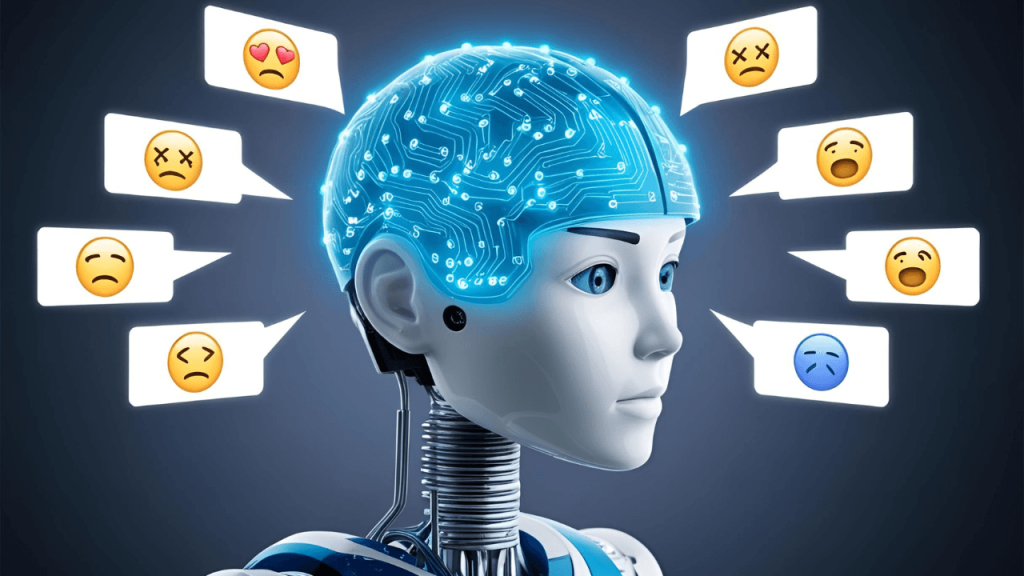
In the quest for creating mindful machines, developers are on a fascinating journey to create AI that understands emotions. Emotional intelligence in AI might sound like something straight from a sci-fi movie, but it’s already part of our everyday life. Think chatbots that can pick up on your frustration when you’re stuck on hold or virtual assistants that can add a hint of humor to your weather forecast.
These digital beings are everywhere, slipping seamlessly into our lives like a welcome text from a well-loved friend. They use complex algorithms to interpret emotions and respond in a way that makes us feel understood. It’s kind of like expecting empathy from your pet goldfish but with a lot more brainpower behind it.
The Heartbeat of a Machine: What AI Can Offer
AI emotions and AI empathy aren’t about creating new feelings but recognizing and responding to ours. Take Replika, for instance, an AI companion app designed to chat and support its users by offering companionship, all within the comforting confines of an app. It thrives in unwrapping those sticky human thoughts and presenting them back to us in a way that feels comforting and validating.
With advancements in emotion-recognition tools, businesses are lining up to use AI to foster relationships with customers, tailoring experiences that could turn a merely satisfactory encounter into an extraordinary one. Who would have thought that shopping online could feel personal, nurturing even, like your grandmother’s soup on a winter’s day?
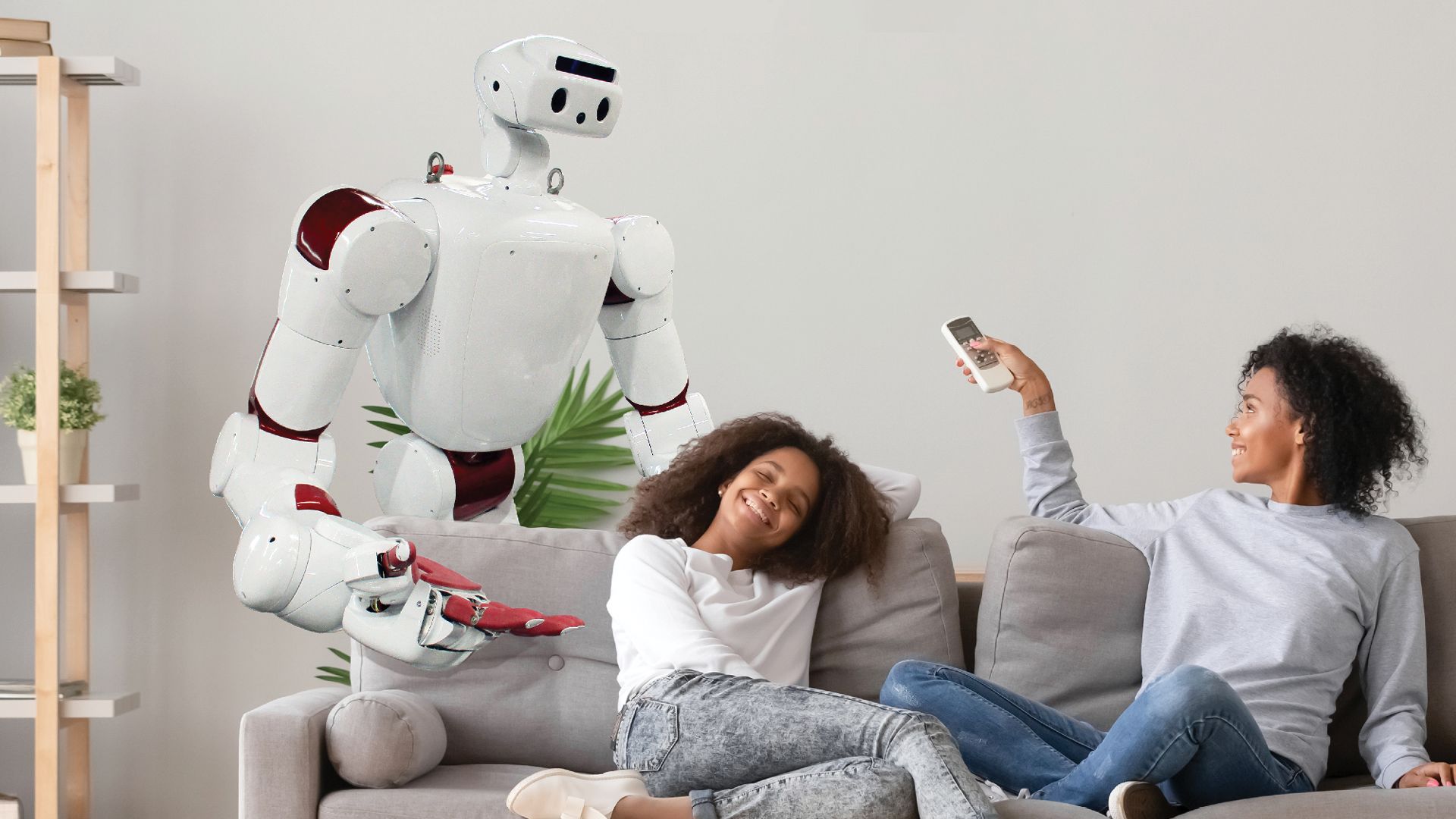
The Other Side of the AI Coin
However, as with everything enticing and new, AI has its share of growing pains. AI might be learning to mimic emotional intelligence, but it’s not there yet. It’s as if our favorite virtual pals are still figuring out they’re “more human than human.” For instance, while a virtual assistant might never judge your 2 a.m. cheese puff excursion (unlike that judgmental coffee machine that realizes you’ve forgotten your caffeine fix), it still doesn’t grasp the magnitude of human emotion.
Even the most advanced AI hasn’t mastered the nuances of life nuances that shape human empathy, our ability to read between silences, and the comforting warmth of a kind word often conjured by genuine human experience. Plus, while these machines can regurgitate reassuring words like a therapist on fast forward, genuine empathy — the kind that prompts an unexpected hug when you need it most — is still the stuff of human magic.
AI’s Gift to Human Connection
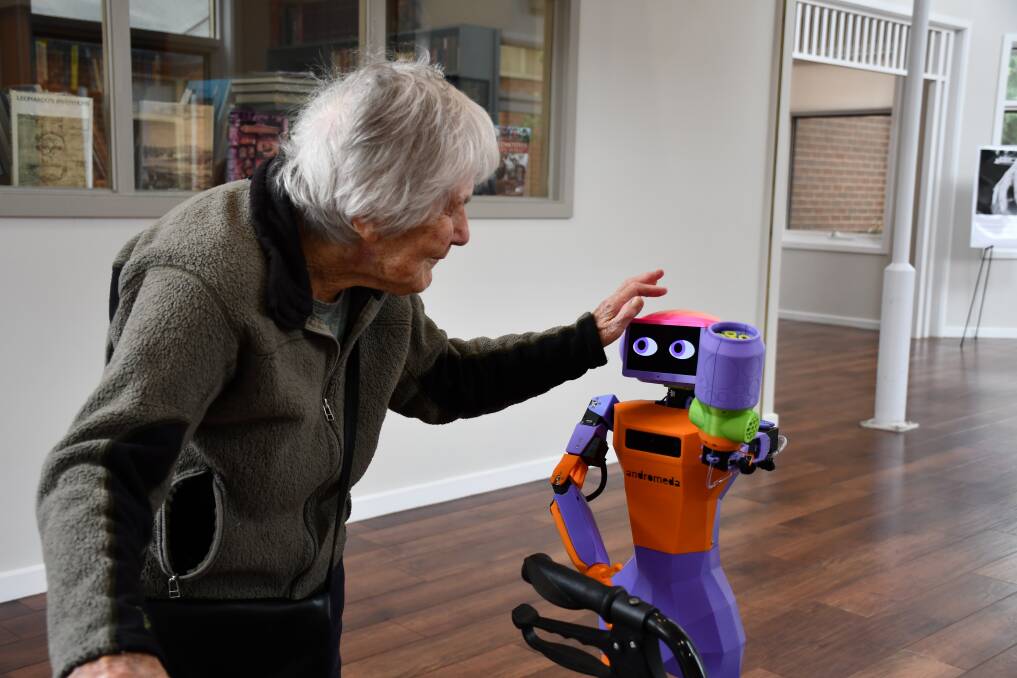
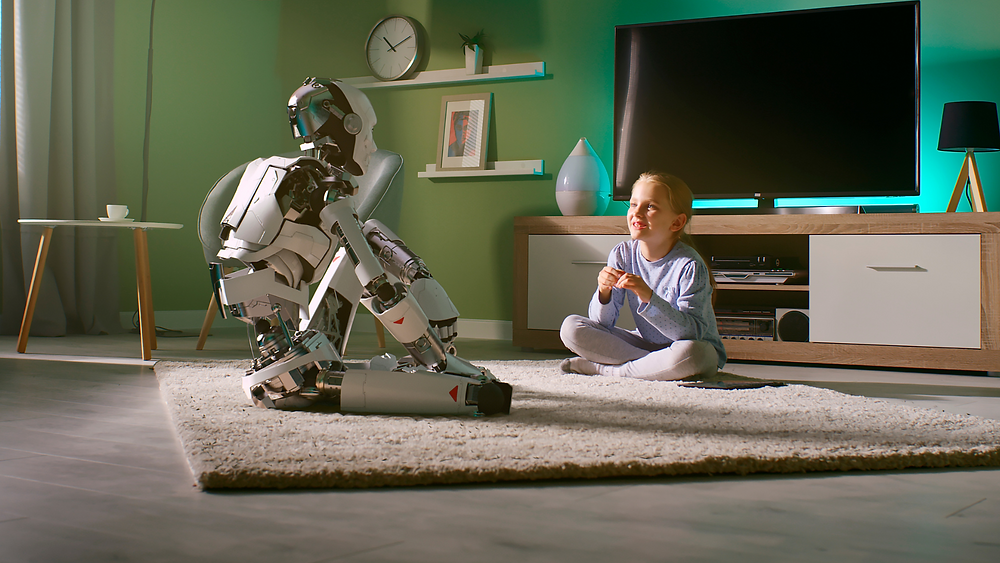
Interestingly, while AI might not fully comprehend the complexities of human emotion, it is encouraging us to explore our own feelings and connections more deeply. Virtual friends like chatbots and smart assistants are part of a larger movement redefining interaction and offering us new ways to connect — ways that bridge gaps when distance or circumstances prevent traditional communication.
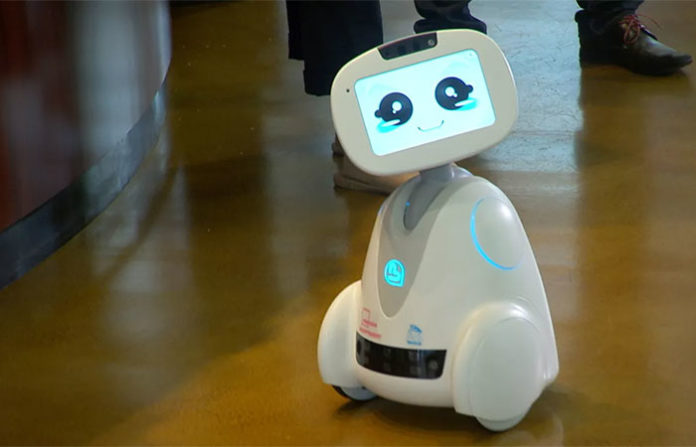
In a world where a gentle jest from a virtual friend can spark a smile during a dreary day, these mindful machines are adding a layer to human interaction, making connections slightly more exciting and a bit more efficient, much like finding the perfect GIF to slot into a conversation.
In the End, It’s About Human Connection
So yes, while AI continues to evolve, learning to mimic the emotional facets of human interaction more intuitively, virtual friends won’t entirely replace our need for human connections anytime soon. It’s like a high-tech safety net underneath the daring trapeze act we call social interaction, providing support and companionship in the digital realm.
Let’s leave it at that: in our digitally driven lifestyles, where virtual assistants playfully remind us of meetings, offer quirky conversation, and at times help us feel less alone, they’re reshaping what it means to be connected. And maybe, just maybe, they’re giving us a little insight into our own human hearts in the process. After all, isn’t it nice to know someone is always there, even if it happens to be powered by algorithms?
As we close this chat with Alex over our digital counter, remember, the most valuable takeaway is the reminder that every connection, whether human or virtual, adds a thread to the colorful tapestry of our lives.