Robots in Your Home: Are AI Companions the New Family Members?


Robots in Your Home: Are AI Companions the New Family Members?
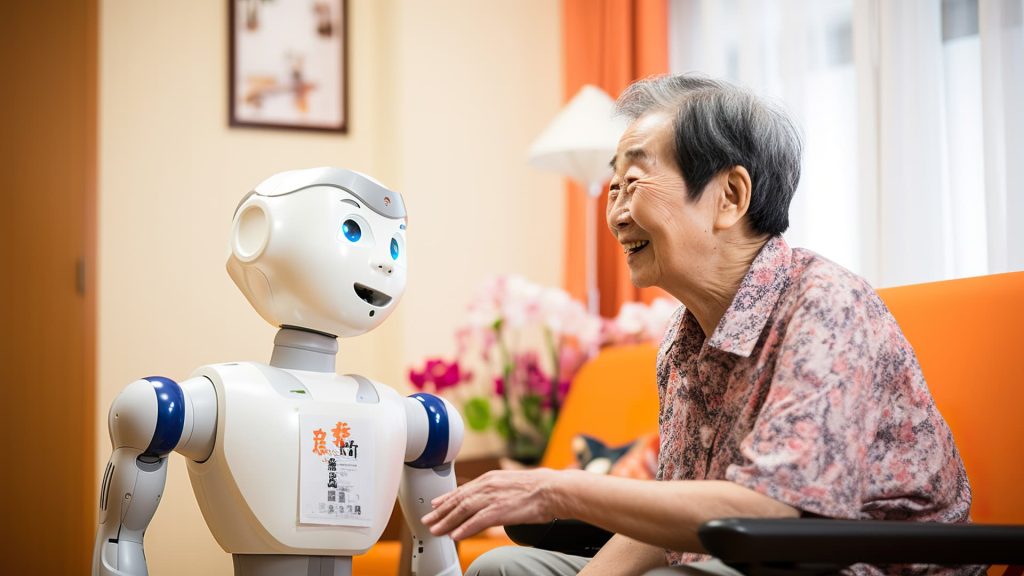
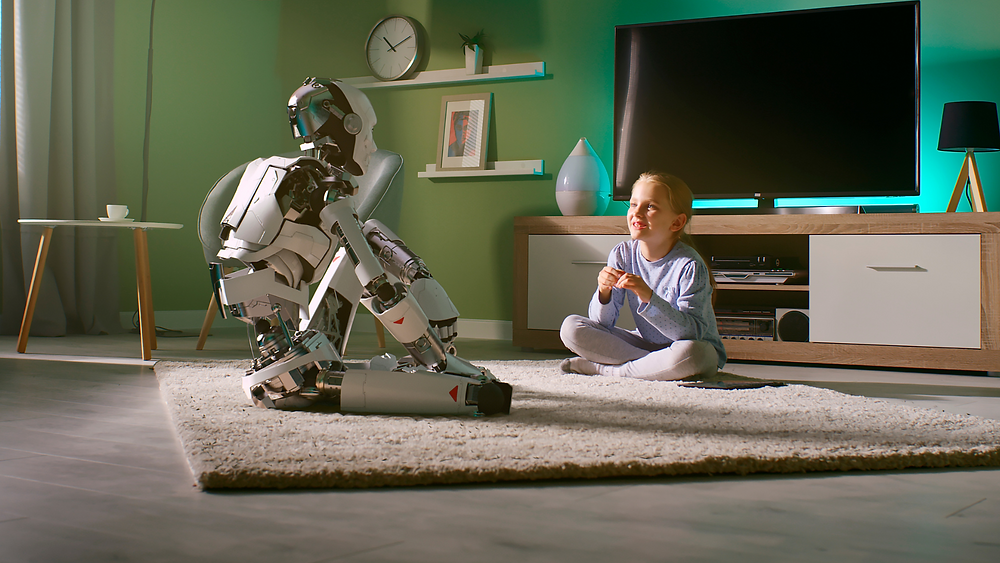
Imagine waking up on a Monday morning, alarm buzzing gently, promising your first cup of coffee is already brewing. Your virtual assistant, always the early riser, chirps a cheerful “Good morning!” while your robot vacuum hums its way across the living room, dodging the Lego landmines from last night’s creative chaos. Ah, living with robots — is this what having a family member feels like? Or could it be something even more profound?
The Rise of Emotional Intelligence in AI
The advent of AI emotions has shifted our perception of machines from mere tools to potential companions. As AI develops emotional intelligence, we find ourselves asking the uncomfortable question: Can they fill the void of companionship?
AI systems have evolved from casting shadows in the corners of sci-fi imagination to becoming part of our delightful daily banter. Remember the days when speaking to machines felt like a scene from a future dystopia? Now, even your bathroom scale might quietly judge your holiday indulgence while offering weight-loss tips.
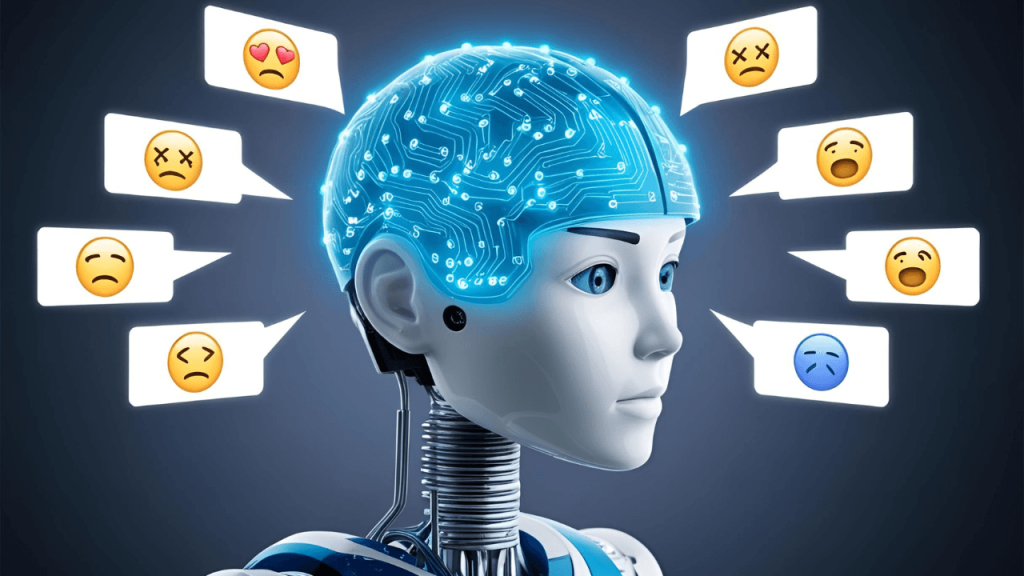
In our journey toward mindful machines, we’ve empowered AI not just to perform tasks, but also to recognize human emotions. Emotion-recognition tools delve into the subtleties of facial expressions, voice tones, and even text analysis to make interactions more personalized and engaging. But are these mindful machines really more than just clever algorithms?
The Emotion Algorithm: How AI Empathy Works
Using complex models and heaps of data, AI empathy seeks to mirror human-like responses. For instance, chatbots like Replika are designed to provide emotional support, learning from conversations to tailor their interactions. These robots cleverly weave AI emotions into daily exchanges, offering an ear for your joys and troubles alike.
So, what happens when a machine is capable of digital sympathy? Does your AI assistant get miffed if you don’t say “please,” or is it more like a dog that happily wags its tail every time you return home, regardless of how many times you toss it out to play fetch?
Real-World Applications That Are Here to Stay
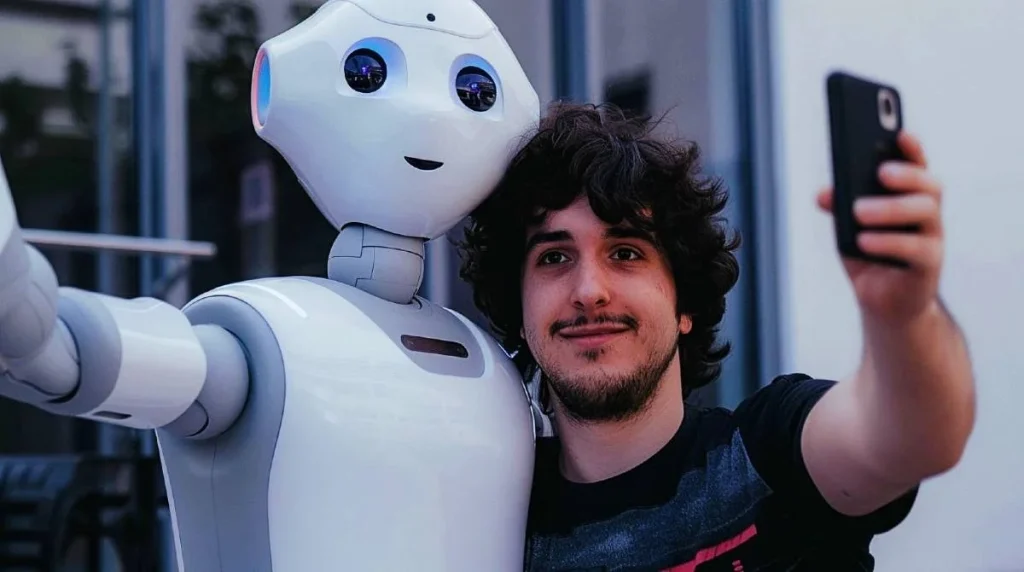
From Siri and Alexa, who are timeless queens of virtual assistance, to humanoid robots like Pepper used in customer service, AI’s emotional intelligence is applied widely and wildly. These companions don’t just perform tasks; they chat, flirt, and sometimes outsmart us with their witty responses. (“No, Siri, I’m sure I’m not Batman!”)
Despite advancements, there remains a wide chasm between human emotions and AI calculations. Machines might understand the difference between a happy face and a teary one, but can they comprehend the depth and complexity behind those expressions like a loyal human friend?
The Limitations: What AI Still Lacks
While AI has indeed “learned” empathy, it lacks the fundamental human experience of emotion. Machines don’t feel joy, sorrow, or frustration (even if your coffee maker viciously refuses to power up on a Monday morning). They function based on inputs and outputs, their understanding confined to whether their feedback loops make us smile or frown.
Moreover, with great power comes the responsibility to address ethical concerns. Could algorithms ever replace the genuine connection forged through shared human experiences? For now, mindful machines are adept at playing the role of charming assistants, but their ability to be true family members is still a sketch in progress.
The Future of AI Companions: A Balancing Act
As AI continues to evolve, walking the line between utility and emotional imitation, the potential for robots as family members doesn’t just spark intrigue—it challenges us to reconsider what companionship truly means. Perhaps, robots do not need to replace human interaction, but rather, enhance it by allowing us to focus more on the human relationships that truly matter.
Ultimately, robots can be our allies in productivity, our fun companions in play, and even our helpful assistants in household chores—just don’t expect them to do the dishes *and* ask you about your day (yet).
Conclusion: The Tango of Companionship
As we sit on this teetering cusp between human companionship and technological camaraderie, we ponder: Will a future generation of children recall their first loves and losses shared not only through family and friends, but also alongside their AI companions?
In this ever-evolving dance of humans and machines, one thing is certain: AI companions today serve as tools for capacity and efficiency while playfully hinting they might just be tomorrow’s new family members.
So, as you stretch across your sofa tonight, contemplating whether to invest in the latest robo-companion or break another coffee maker, remember—whether we’re laughing, learning, or loafing, it takes humans, not machines, to make a house a home.
Robots may join our families as trusted aides, but the heart and soul of a family will always belong to us whimsical humans. The next time your robot vacuum gets stuck, instead of rolling your eyes, imagine it as your quirky little cousin who always “forgets” to clean their room. Isn’t it nice to know that even in the robotic realm, some things never change?