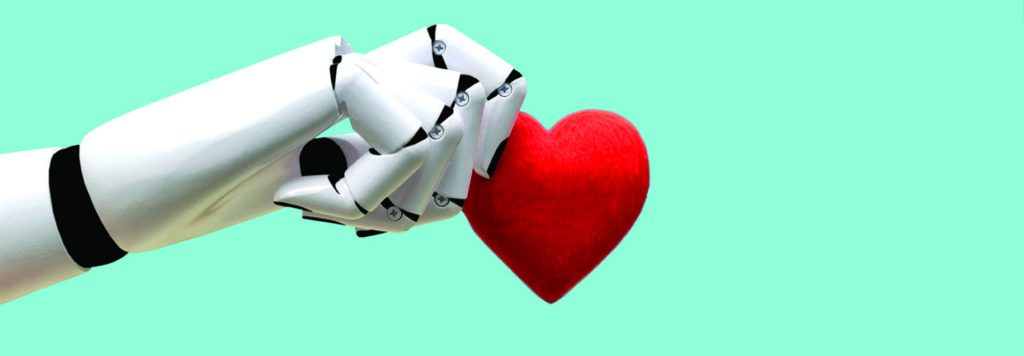
The AI Art Revolution: Can Machines Dream in Color?

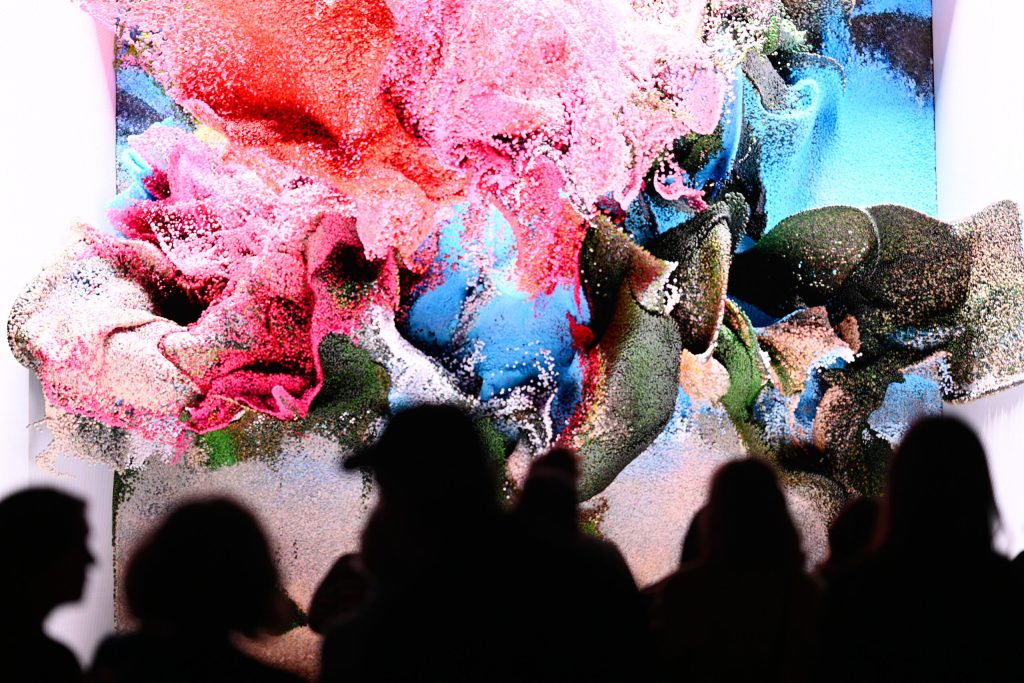

The AI Art Revolution: Can Machines Dream in Color?
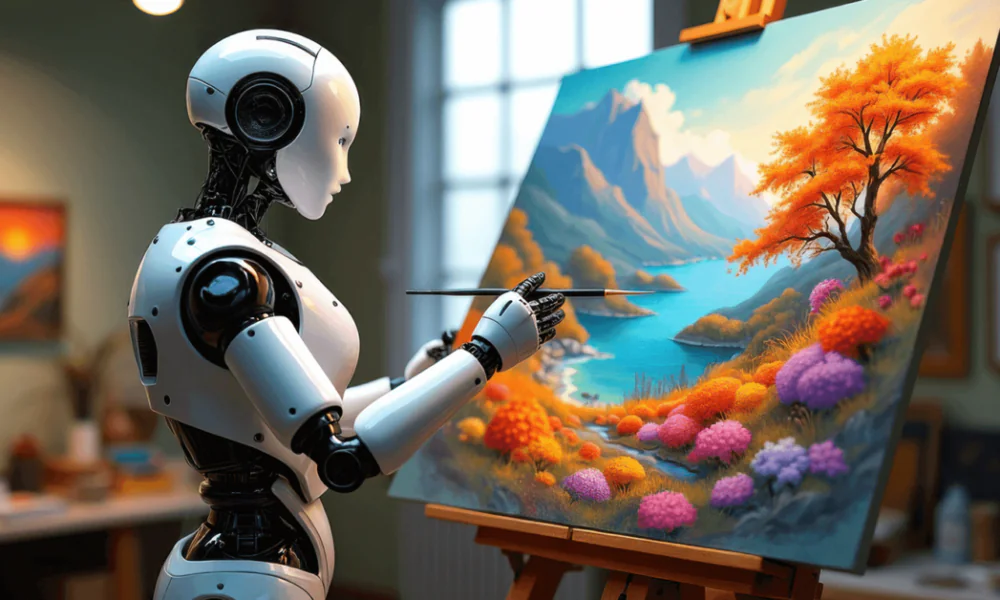
Picture this: It’s a cozy Sunday morning, and you’re sipping your freshly brewed cup of coffee—one that your trusty, judgmental coffee machine finally approves of. As your mind wanders, you find yourself musing about an age-old question with a twist for the modern era: Can machines dream in color? Specifically, can AI not only imagine but create art full of emotional hues, just like any human artist would? Is that what the future holds for the world of creativity?
The Story of AI and Creativity
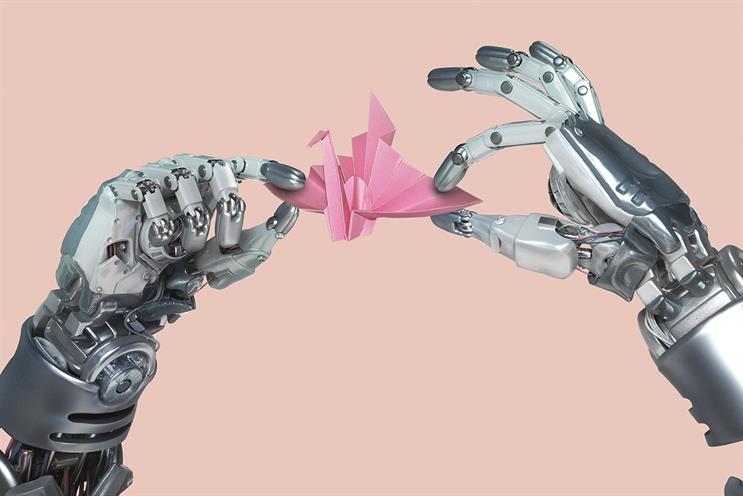
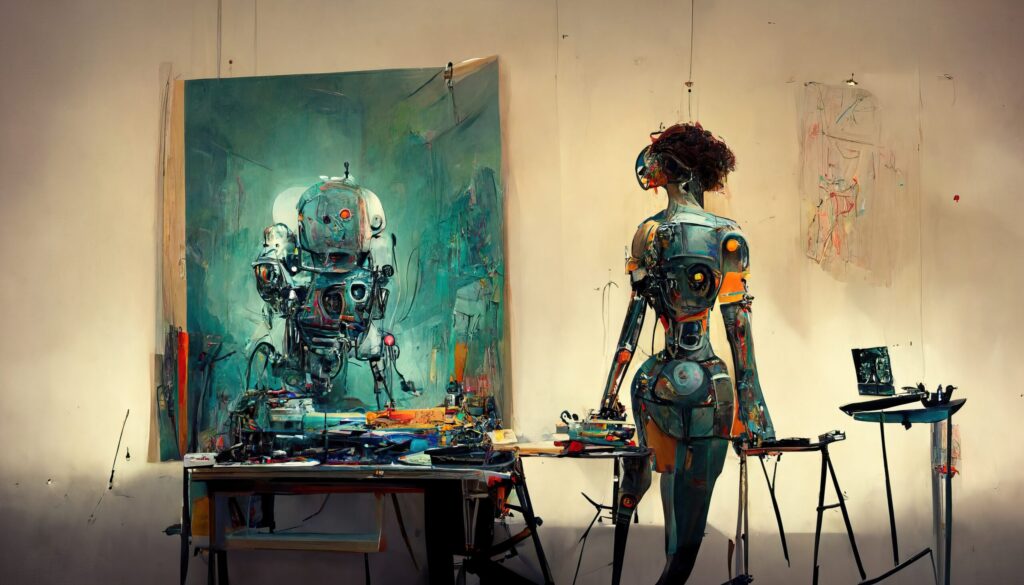
Once upon a time in our not-so-distant past, the notion of machines creating art was relegated to the realm of science fiction. The idea of a machine holding a paintbrush, let alone understanding art, seemed as probable as your cat willingly fetching your slippers. Fast forward to the current era, and we’ve not only seen machines producing stunning artworks but also competing and collaborating with human artists.
The rise of AI art is astonishing. We’ve progressed from the simple machine-learning algorithms that struggled to distinguish between a cat and a taco, to neural networks that can generate mesmerizing pieces of art that capture complex emotions. AI has unleashed a sonic boom in the art world, challenging our perceptions of creativity.
The Dance of AI and Emotions
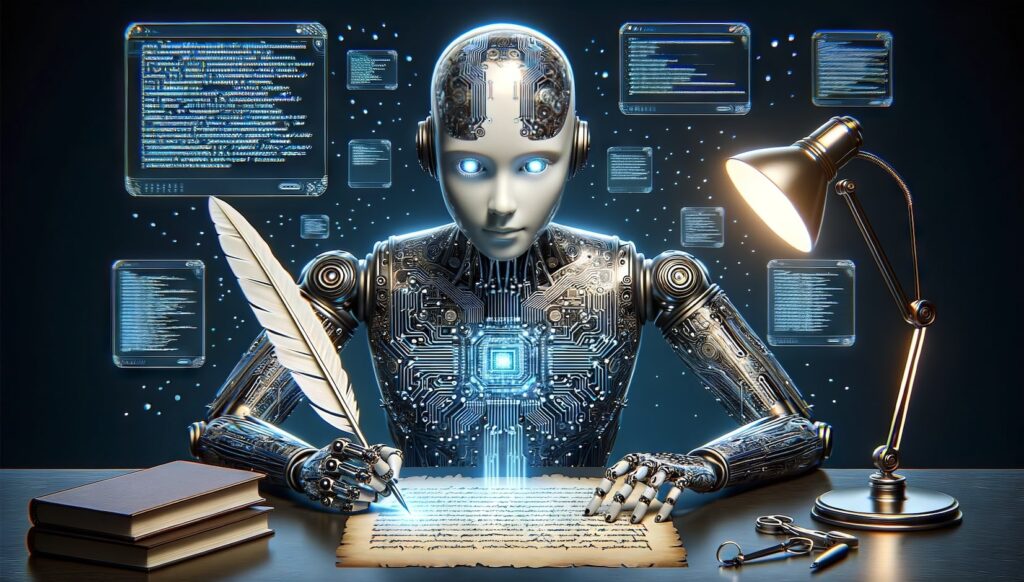
So, how do these mindful machines create emotions? How do they tap into the ethereal realm of emotional intelligence and empathy? At the crux of it, AI uses a sophisticated web of algorithms and machine learning. It learns patterns, recognizes styles, and predicts emotional responses—all the while honing its creative skills.
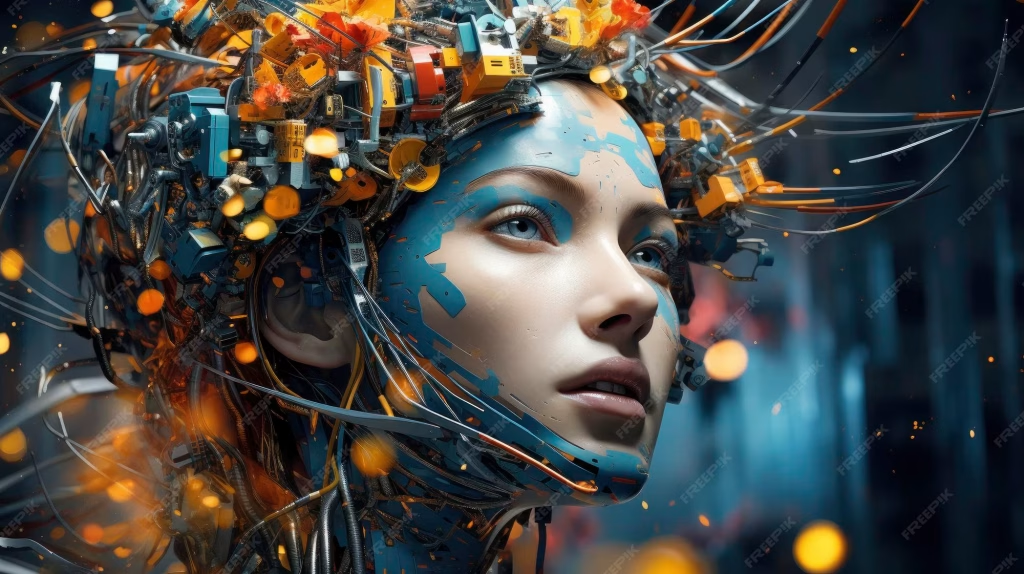
Of course, AI doesn’t “feel” in the traditional sense. It lacks the butterflies-in-the-stomach anticipation or the wistful sighs of melancholy. But it does possess the ability to analyze vast swaths of data and mimic emotional resonance in its work. Consider it the modern equivalent of a stoic, yet talented chef following a recipe passed down through generations. It adds a dash of neural networking, a sprinkle of quantum computing, and voilà, a masterpiece is born.
Walking the AI Tightrope: Advances and Limitations
Let’s take a stroll down the path of AI advancements. From virtual assistants that know your preferred version of “happy birthday” to emotion-recognition tools that adjust music playlists based on your mood, machines are learning to nudge their metaphorical elbows into the space of human emotion. Chatbots today seem more compassionate than that sleepy barista who gives you decaf instead of your much-needed espresso shot.
Despite these astonishing advances, AI still has its limitations. Like that friend who can memorize facts but struggles with abstract concepts, AI grapples with understanding the nuance of true emotion. It can’t appreciate the irony in a sarcastic remark or giggle at a pun-filled dad joke. In essence, machines mimic emotion but can’t inhabit it.
Take Google’s DeepDream, for example. When unleashed on a normal image, it produces surreal and hallucinogenic interpretations. It’s like how you’d see the world after spending too much time gazing into a kaleidoscope. Undeniably fascinating, but often precisely because it’s a peek into the ‘mind’ of a machine grappling with human imagination.
Should We Embrace AI in Art?
Bringing AI into the art gallery is akin to introducing a new, quirky uncle at a family reunion. He might initially draw puzzled looks, but soon, you’ll find yourself laughing unexpectedly at his offbeat stories. AI in art can enhance our creativity, opening doors to novel forms and expressions that the human mind might not have conceived on its own.
Still, embracing AI in art doesn’t mean exhausting human creativity. Rather, it’s a collaboration, like a jam session between a seasoned jazz musician and a beatboxing robot. It’s about finding harmony, seeking synergy, and perhaps, a little bit of confusion—much like navigating a dating app conversation.
The Colorful Conclusion
As we journey through the ever-shifting landscape of AI art, it’s crucial to appreciate the colorful palette it paints. Machines, just like humans, are on a quest—not to replace us but to co-create with us. While they might not ‘dream’ in the traditional sense, they certainly add vibrant strokes to our world.
So next time you’re sipping that judgmental coffee and pondering the cosmos, take a moment to reflect on this: Can machines dream in color? Maybe not in the way we do, but they sure do help us see the world a little differently. After all, in this AI art revolution, the masterpiece is not just what we create, but the possibilities we dare to imagine.
And with that, we are left with a thought-provoking takeaway: If machines are dreaming up technicolor visions, perhaps it’s time we let ourselves imagine without barriers too.